
How Menopause Hormones Impact Your Skin and Aesthetic Care
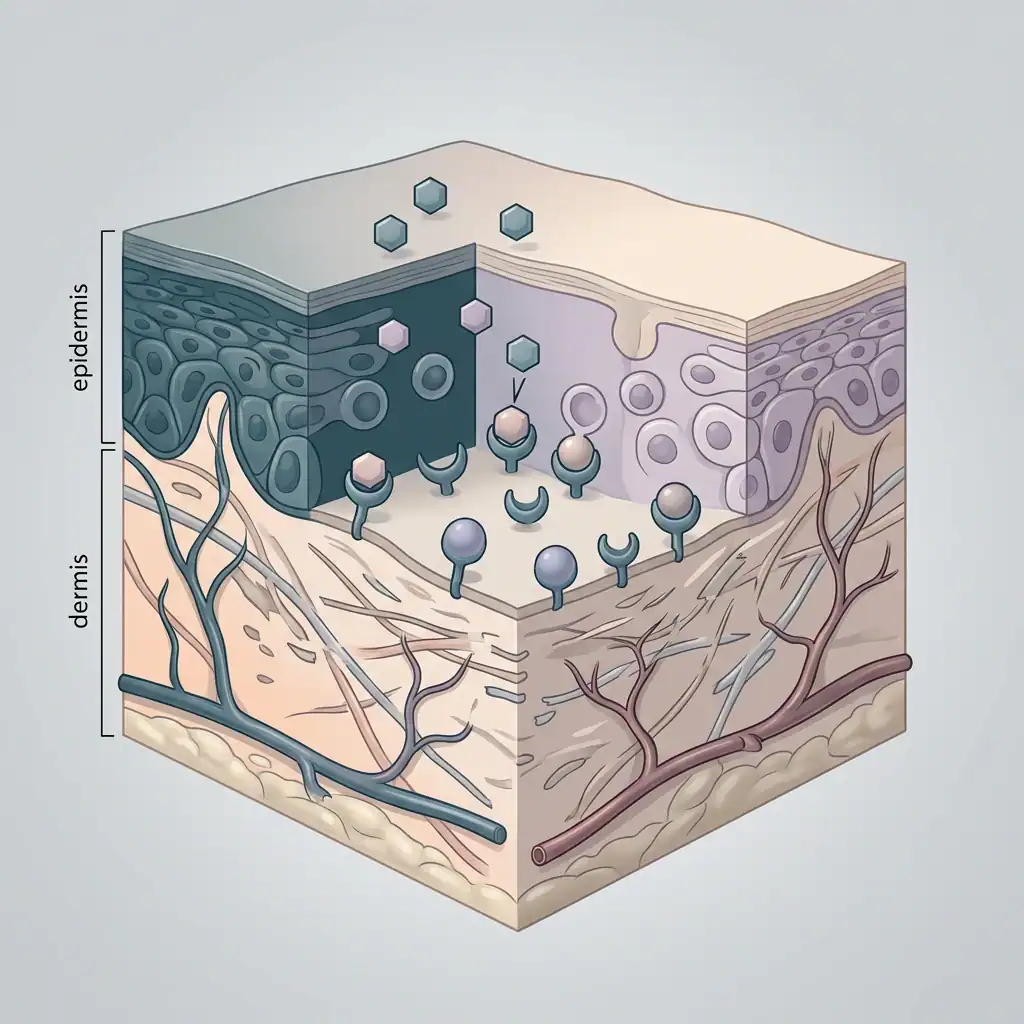
The Cutaneous Connection: Talking About Hormones and Skin During Menopause
In a recent episode of the Cutaneous Connection podcast, Dr. Doris Day, MD, FAAD, a board-certified dermatologist in New York City with more than 25 years of clinical experience, walked clinicians through how to bring discussions of hormonal health into aesthetic consultations for patients in perimenopause and menopause.
Why dermatologists are increasingly part of the menopause conversation
Many women in their late 30s and 40s come to dermatology clinics worried about changes they attribute to “just getting older,” but these changes often reflect the early stages of perimenopause.
Dr. Day emphasized that dermatologists can be among the first clinicians to spot a pattern of symptoms that extend beyond the skin, giving them a key role in steering patients toward the right multidisciplinary care while still addressing cosmetic concerns.
Common skin and hair concerns during the transition
Patients frequently report sudden or marked changes in skin quality—dryness, increased itchiness, and a sensation that their “skin suddenly fell apart”—which often prompt aesthetic visits.
Other cutaneous complaints include flares of acne, generalized pruritus, and noticeable hair thinning, all of which can coincide with hormonal shifts in perimenopause and menopause (Source: The North American Menopause Society).
When clinicians ask a few extra questions about menstrual changes, sleep, mood, hot flashes, or joint discomfort, a broader clinical picture usually emerges that aligns with the expected symptoms of the menopausal transition (Source: The North American Menopause Society).
What a recent survey found about patients’ aesthetic preferences
Dr. Day reviewed data from a menopause-focused survey supported by Galderma and presented at the IMCAS World Congress that highlights how women think about aesthetic care during menopause (Source: Galderma, Menopause and Aesthetics Survey, IMCAS World Congress).
Key findings included that 47% of surveyed women were interested in anti-wrinkle treatments, 40% in hyaluronic acid fillers, 39% in treatments aimed at overall skin quality, and 30% in biostimulatory injectables (Source: Galderma, Menopause and Aesthetics Survey, IMCAS World Congress).
The survey also showed that only 26% reported using aesthetic treatments preventively, and more than 60% said they would have approached skin aging differently if they better understood the role of menopause earlier (Source: Galderma, Menopause and Aesthetics Survey, IMCAS World Congress).
Adding hormonal health to your consultation: practical and appropriate
Dr. Day encouraged dermatologists to feel comfortable opening a conversation about hormone-related symptoms during aesthetic consultations, explaining that these discussions are often highly relevant to treatment choice and outcomes.
She stressed that collaboration with specialists such as OB-GYNs and primary care physicians is essential, but also noted that basic menopause hormone therapy is not necessarily beyond the scope of physicians who already manage systemic treatments (Source: The North American Menopause Society).
Addressing both systemic hormonal contributors and skin-directed treatments can improve patient outcomes and ensure a more comprehensive plan that treats the cause as well as the cutaneous effects.
A multimodal, balanced aesthetic strategy
From an aesthetic perspective, Dr. Day advocates for a combination approach rather than relying on a single modality, using biostimulatory injectables, hyaluronic acid fillers, neuromodulators, energy-based devices, and medical-grade topical routines.
The goal is to support and preserve existing collagen, maintain facial contours, and improve skin quality without creating an overcorrected appearance that conflicts with how the patient wants to age.
She also emphasized the psychological side of consultations, recommending clinicians begin by acknowledging patients’ natural strengths and features before discussing perceived flaws or interventions.
How weight-loss medications like GLP-1s may change the aesthetic landscape
Dr. Day noted the expanding use of GLP-1 medications for weight management and how that trend may influence midlife aesthetic care, particularly regarding facial volume and balance as patients lose weight (Source: U.S. Food and Drug Administration, GLP-1 receptor agonist prescribing information).
Early, preventative strategies—such as collagen-stimulating treatments—may help preserve facial harmony as body composition changes, according to Dr. Day’s perspective shared on the podcast.
Practical steps clinicians can take now
Begin by incorporating a few targeted screening questions into aesthetic intake forms or consultations: ask about recent menstrual changes, sleep, mood, hot flashes, joint pain, and new hair or skin problems.
When the history suggests perimenopause or menopause, consider coordinating care with primary care providers and OB-GYNs, and discuss how systemic hormone changes may be influencing the skin’s appearance and response to treatments (Source: The North American Menopause Society).
Match aesthetic plans to the patient’s physiologic stage: prioritize treatments that restore or stimulate collagen and skin quality, preserve facial structure with conservative use of fillers, and use neuromodulators judiciously to maintain a natural expression.
Finally, frame conversations positively—lead with what’s working, discuss realistic goals, and explain how combined dermatologic and systemic approaches can improve long-term outcomes and patient confidence.
Conclusion
Menopause is not only a physiologic transition but also an opportunity for dermatologists to support patients’ long-term health, appearance, and quality of life.
By recognizing the signs of perimenopause, asking a few strategic questions, collaborating with other specialists, and offering balanced aesthetic plans, dermatologists can help patients navigate this phase with better skin outcomes and greater confidence.
For podcast feedback, topic suggestions, or to inquire about participating in future episodes, contact the Cutaneous Connection team at [email protected].
Sources
- The North American Menopause Society — clinical guidance and information on menopause symptoms and hormone therapy (Source: The North American Menopause Society).
- Galderma — Menopause and Aesthetics Survey, presented at IMCAS World Congress (Source: Galderma, Menopause and Aesthetics Survey, IMCAS World Congress).
- U.S. Food and Drug Administration — prescribing information and public health information regarding GLP-1 receptor agonists used for weight management (Source: U.S. Food and Drug Administration).
- IMCAS World Congress — program and abstracts where industry-supported surveys and presentations on aesthetic trends are presented (Source: IMCAS World Congress).