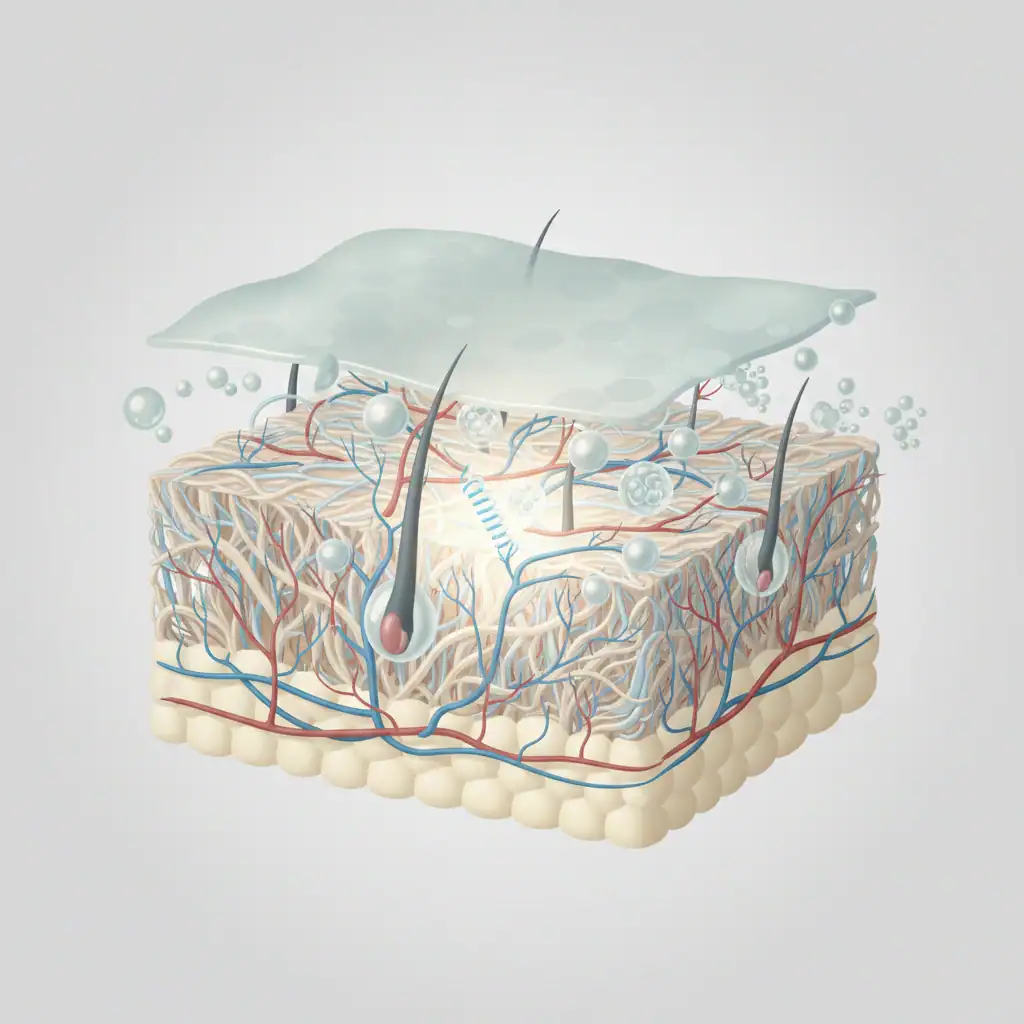
In a recent dialogue, Jennelle Daly, MPAS, PA-C, shared insights on the rising synergy between aesthetic dermatology and integrative wellness, advocating for an “inside-out” approach to skin health.
Daly has noted a significant uptick in interest among aesthetic practitioners to weave in laboratory evaluations and systemic assessments into their cosmetic routines. This shift signifies a broader movement towards a holistic, functionally oriented model of patient care.
However, she emphasizes that this evolving trend necessitates rigorous clinical training, standardized protocols, and evidence-based oversight to guarantee patient safety and effective results. Daly presents the skin as a visible indicator of internal health, indicating that factors such as chronic inflammation, hormonal imbalances, metabolic dysfunction, and gut health can all play a crucial role in skin conditions like acne, dyschromia, and premature photoaging.
She has observed that patients who continue to experience skin issues despite undergoing multiple external treatments—such as serial chemical peels—often demonstrate improvement when underlying systemic factors are addressed. In her practice, laboratory evaluations may encompass assessments of sex hormones, metabolic markers, inflammatory indicators, and nutritional status, all of which can guide customized care plans that integrate both procedural and topical therapies.
Daly also shed light on the utilization of advanced imaging technologies, such as 3D skin analysis systems, which serve to enhance patient education and provide objective tracking of skin health. These innovative platforms can visualize subsurface UV damage, vascular alterations, pigmentation patterns, pore characteristics, and porphyrin activity, allowing healthcare providers to quantify changes over time and tailor treatment strategies based on measurable outcomes.
Moreover, she highlighted that presenting patients with data such as their “skin age” in comparison to their chronological age can encourage treatment adherence while offering a structured framework for monitoring responses to therapy.
Daly also discussed the growing intrigue surrounding peptide-based therapies and multi-modal regenerative strategies as complementary options to traditional aesthetic treatments. These innovative methods are gaining traction as adjuncts that can enhance overall skin health.
She underscored the critical role of clinician guidance when navigating the wellness and skincare trends that proliferate on social media. Daly advocates for medically supervised evaluations rather than self-directed experimentation, ensuring patients receive safe and effective treatment.
Overall, Daly envisions the future of aesthetic dermatology as increasingly integrative, data-driven, and preventive. By merging external treatments with internal optimization and utilizing objective diagnostic tools, she believes that clinicians can more effectively address the multifaceted drivers of skin aging and chronic dermatological issues.
In her concluding remarks, she metaphorically stated, “The future is a box of chocolates,” emphasizing that having a comprehensive integrative care plan equipped with the necessary resources and tools can vastly enhance patient options.
