
Rethinking Teen Skin Care: Simple Steps to Protect Young Skin Health
Teen Skin SOS: What Pediatric Dermatologists Are Seeing and How to Respond
At the 2026 Masters of Pediatric Dermatology Symposium (MOPD), Dr. Lisa Swanson and Dr. Nanette Silverberg presented a clear-eyed look at a fast-growing problem in pediatric clinics: children and adolescents arriving not only with acne and eczema, but with damaged skin barriers, contact dermatitis, and real emotional distress linked to complex, influencer-driven skin care routines.
Their session, titled “Teen Skin SOS,” offered a practical, ethically aware framework for treating young patients in an environment where commercial pressure and social media shape expectations and behaviors.
Why this matters now
What clinicians are seeing in exam rooms is no accident. Young people are being targeted by a booming industry that packages medical-sounding claims into colorful, addictive marketing that travels fast on social networks.
These trends are not peripheral; they change what kids do to their skin and, as a result, change what dermatologists need to diagnose and treat.
The business behind the routines
The term cosmeceuticals describes products that sit between cosmetics and drugs — they often contain biologically active ingredients but aren’t regulated like medications. This regulatory gray area means many claims aren’t backed by robust pediatric safety data (Source: U.S. Food & Drug Administration, Cosmetics Laws and Regulations).
The global skin care market has grown dramatically; one market analysis valued it at about $146 billion in 2021 and projected continued rapid growth over the following decade (Source: Grand View Research, Global Skincare Market Report 2021).
Manufacturers have identified young consumers as a key growth segment, using bright packaging, celebrity endorsements, and pseudo-medical language that can blur the line between evidence-based dermatologic care and entertainment-driven commerce.
What young skin actually needs
A consistent message from Swanson and Silverberg: most children and teens need a minimal, gentle approach. Clinicians can validate a teen’s interest in skin care without endorsing complex routines that are unnecessary or harmful.
At its simplest, a safe, effective routine usually includes:
-
One gentle cleanser — not harsh soaps
-
A non-irritating moisturizer tailored to the child’s skin type
-
A broad-spectrum sunscreen during daytime activities
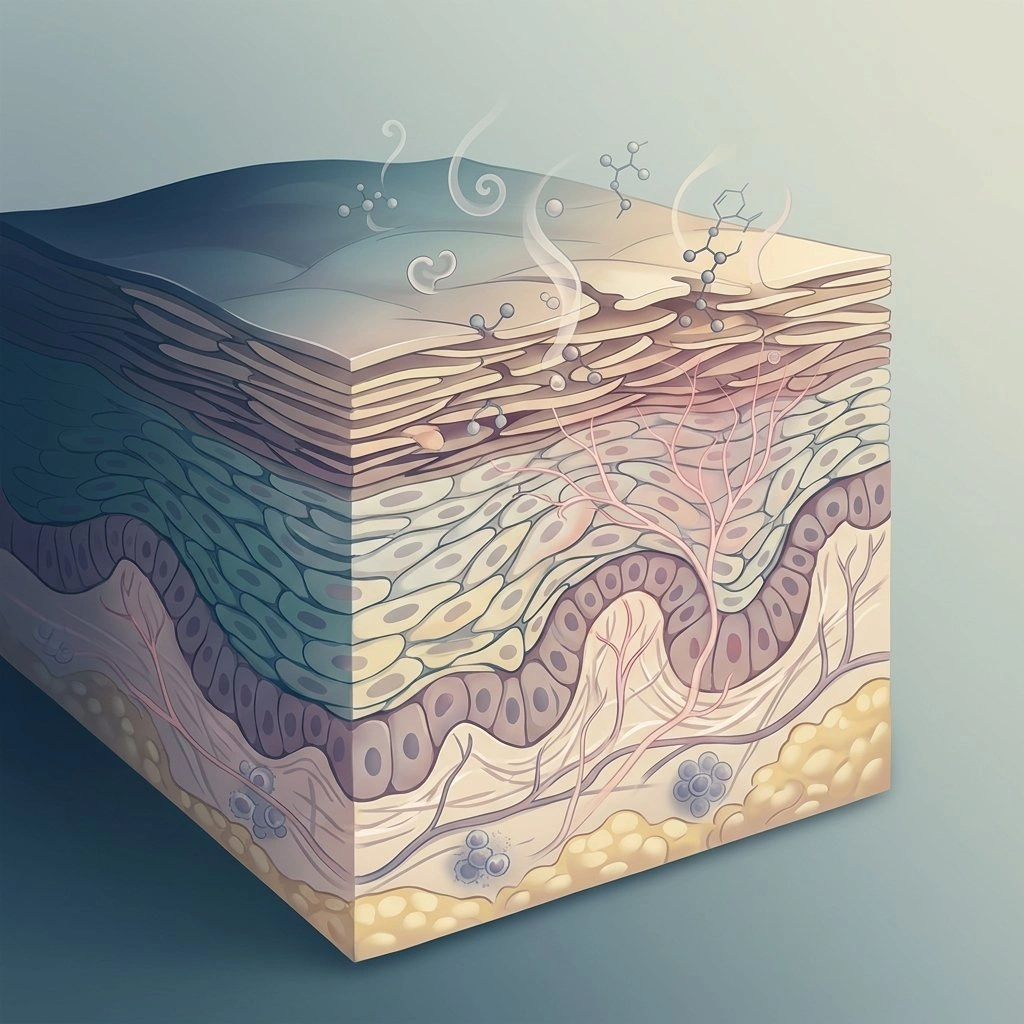
This “less is more” approach is both practical and preventive: overcleansing, frequent exfoliation, and elaborate multi-step regimens can strip the epidermal barrier, which increases irritation and susceptibility to dermatitis, acneiform flares, and other inflammatory skin changes.
Fragrance, contact dermatitis, and atopic overlap
Silverberg highlighted how the clinical pictures seen in teens often overlap: atopic dermatitis, acne, and seborrheic dermatitis can coexist or be confused with each other in adolescents.
Common but underrecognized patterns include persistent midfacial redness, scalp scale, eyelid dermatitis, and hand eczema — locations where many fragranced or botanical products are applied.
Fragrance is a leading cause of allergic and irritant reactions in this age group. Teens encounter it in obvious sources like body sprays and perfumes, and in less obvious places such as essential oils, botanical extracts, and some imported or trend-driven products.
Patch testing programs consistently identify fragrance mixes among the top allergens in adolescents, underscoring the risk of unexplored sensitivities (Source: North American Contact Dermatitis Group, Patch Test Results).
Even well-intentioned behaviors — frequent washing, aggressive exfoliation, or combining multiple actives — can exacerbate inflammation when fragranced products are involved. The safest clinical advice often echoes the basics taught in infancy: return to gentle, fragrance-free options while acknowledging teens’ desire for autonomy in self-care.
Anti-aging products and why they’re a bad fit for kids
One of the most concerning commercial trends is the marketing of anti-aging formulations to children and tweens. Many of these products are designed for photoaged, mature skin and include potent actives that can irritate or sensitize younger, thinner skin.
Dr. Swanson stressed that anti-aging products marketed to young people “probably have the risk of doing the most harm” because they’re unnecessary and can cause irritation without benefit. Ingredients intended to remodel or exfoliate photoaged tissue are not formulated for a child’s “naive” skin and may provoke dermatitis or broken barrier function.
Skin lightening and hyperpigmentation products: real dangers
Products that promise skin lightening or treat hyperpigmentation raise separate and serious concerns. Some formulations sold online or internationally have been found to contain undisclosed, dangerous substances such as topical steroids, hydroquinone, or even mercury (Source: U.S. Food & Drug Administration, Mercury in Skin-Lightening Products).
These ingredients can cause paradoxical effects, long-term harm, and systemic toxicity; hydroquinone in particular has known risks when used unsupervised, and mercury-containing creams can have significant health consequences (Source: World Health Organization, Skin-Lightening Practices and Health Risks).
These products are a particular concern for patients with darker skin tones, where postinflammatory hyperpigmentation is common and societal pressures around skin tone may intersect with mental health and body image.
Social media as a clinical variable
Both speakers emphasized that social media is no longer an external lifestyle factor — it’s a clinical variable that shapes what adolescents try on their skin and how they feel about themselves.
Adolescents routinely turn to platforms like TikTok, Instagram, and YouTube for skin care advice; much of the highest-engagement content is produced by nonmedical influencers and contains misinformation or incomplete information (Source: JAMA Dermatology, 2022 study on social media and dermatology misinformation).
Social media can create the perceived problem — flawless, filtered skin — and then sell the solution, which fosters dissatisfaction and anxiety. Clinicians must therefore correct inaccuracies without dismissing the patient’s lived digital experience.
Practical steps for clinicians and families
The MOPD discussion translated into a pragmatic, patient-centered approach for clinicians and families navigating these challenges.
Key clinical and counseling strategies include:
-
Validate interest in skin care while setting boundaries around what’s safe and necessary.
-
Focus on the barrier: recommend gentle, fragrance-free products and discourage frequent stripping or aggressive exfoliation.
-
Ask about sources: find out where teens are getting advice (which platforms, which influencers) and gently correct misinformation.
-
Watch for red flags: homemade remedies, products from unverified vendors, or items promising dramatic lightening or “overnight” cures.
-
Consider testing: when dermatitis patterns are atypical or persistent, patch testing and targeted evaluation can identify allergens like fragrance mixes (Source: North American Contact Dermatitis Group).
When counseling families, clinicians can offer a short shopping list of safe options and explain why simplicity protects both the skin and a teen’s confidence.
Treating disease and countering commercial influence
Swanson and Silverberg framed modern pediatric dermatology as doing two jobs at once: diagnosing and treating objective skin disease, and serving as a corrective to commercial and social-media-driven influences that harm young skin.
Their central advice was pragmatic: meet families where they are, prioritize the skin barrier, and place evidence over marketing. In a culture that constantly promotes “more,” reassurance that healthy young skin usually needs far less can be a powerful intervention.
Sources
- U.S. Food & Drug Administration, Cosmetics Laws and Regulations. (Source: U.S. Food & Drug Administration)
- Grand View Research, Global Skincare Market Report 2021 — market size and forecast. (Source: Grand View Research)
- North American Contact Dermatitis Group, Patch Test Results and Epidemiology Reports. (Source: North American Contact Dermatitis Group)
- U.S. Food & Drug Administration, Mercury in Skin-Lightening Products: Consumer Warnings. (Source: U.S. Food & Drug Administration)
- World Health Organization, Reports on Skin-Lightening Practices and Associated Health Risks. (Source: World Health Organization)
- JAMA Dermatology, Study on Social Media Content and Dermatology Misinformation (2022). (Source: JAMA Dermatology)
- Pew Research Center, Teens, Social Media & Technology Reports. (Source: Pew Research Center)