
Sodium Hypochlorite and Hypochlorous Acid: New Uses for Eczema Care
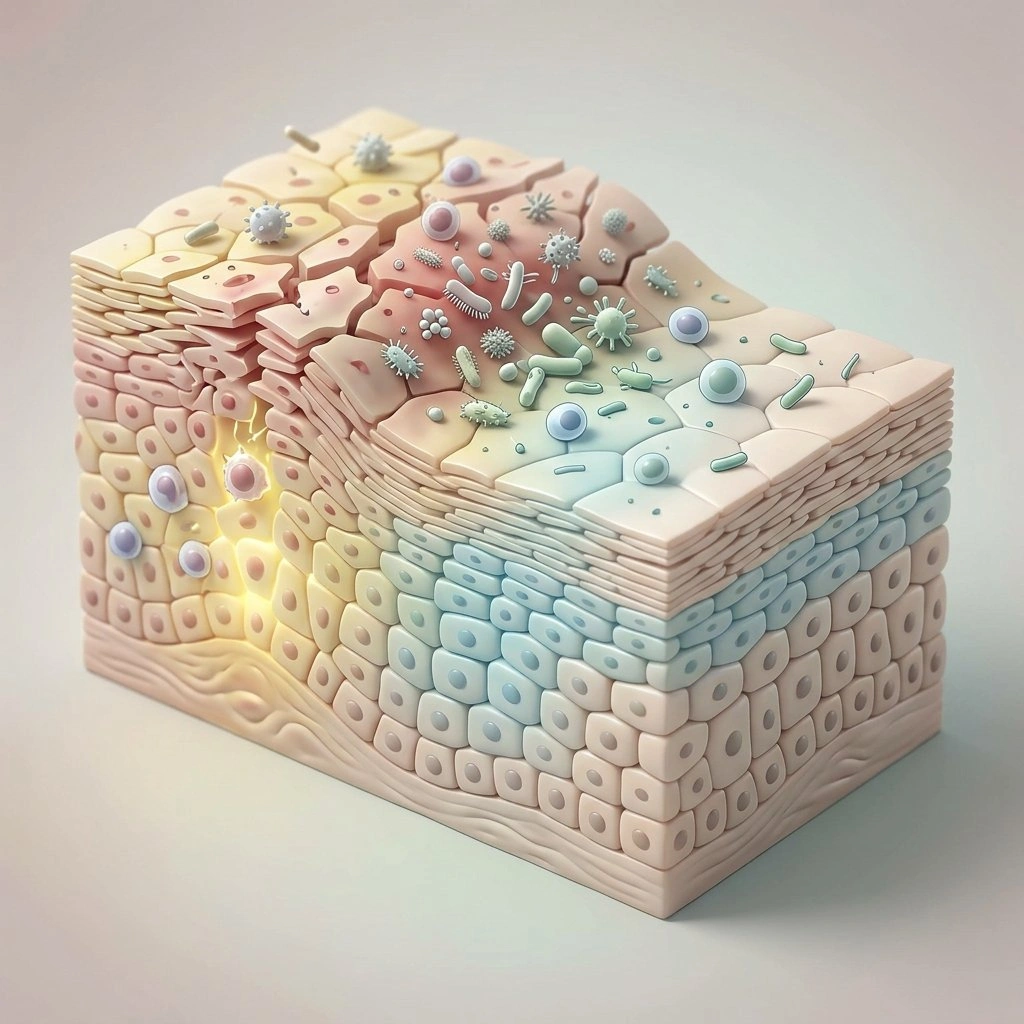
How chlorine chemistry is reappearing in modern atopic dermatitis care
In a recent episode of Derm Dispatch, host Renata Block, DMSc, MMS, PA-C spoke with Jamie Restivo, MPAS, PA-C, about the changing place of chlorine-based agents in managing atopic dermatitis (AD) and other inflammatory skin disorders.
The conversation pulled together clinical experience and recent literature to explain why simple, familiar antiseptics are getting a second look — not as replacements for core therapies, but as practical, real‑world options that may improve symptoms and daily life for patients with inflamed, colonized skin.
From battlefield antisepsis to bedside dermatology
The use of chlorine compounds as antiseptics stretches back more than a century, when agents related to modern bleach were applied for infection control in wartime settings.
That long history is part of why clinicians are comfortable experimenting with related molecules, while newer, purpose‑designed formulations are attempting to deliver the same antimicrobial and anti‑inflammatory benefits in safer, easier-to-use forms (Source: U.S. National Library of Medicine, historical review of antisepsis in wartime medicine).
Why bleach baths caught on — and why they can be hard to use
Bleach baths — diluted sodium hypochlorite in bathtub water — have been used as an adjunctive therapy for some people with atopic dermatitis to reduce bacterial burden and help control flares.
However, Restivo emphasized that the practical realities often limit their usefulness: accurate dilution is essential, bathtub sizes vary, and the process takes time and patient education, which can reduce adherence for busy families or adults (Source: American Academy of Dermatology Association, patient guidance on bleach baths and skin care).
Because of those barriers, clinicians may see inconsistent real‑world results even when controlled studies show potential benefit — adherence and correct technique matter as much as the chemistry itself (Source: systematic reviews on antiseptic baths in AD care).
Modern alternatives: washes and sprays designed for skin
To address those practical problems, manufacturers and clinicians have turned to pre‑formulated products such as sodium hypochlorite body washes and hypochlorous acid (HOCl) sprays that standardize dose and simplify use.
These products are intended to give many of the same antimicrobial and soothing effects as a bleach bath, but in a leave‑on spray or a rinse‑off cleanser that fits more easily into everyday routines (Source: product fact sheets and clinical summaries from manufacturers of HOCl-based dermatology products).
Two compounds, different chemistry and uses
It’s helpful to remember that sodium hypochlorite and hypochlorous acid are related but distinct.
Sodium hypochlorite is the active ingredient in household bleach; it is a stronger base that requires precise dilution if prepared at home, but it can be formulated safely into cleansers made specifically for the skin (Source: chemical and safety data on sodium hypochlorite, manufacturer technical literature).
Hypochlorous acid (HOCl) is a weak acid that is produced naturally by immune cells called neutrophils as part of the body’s microbial‑killing mechanisms, and it is available in commercially made, gentle, leave‑on spray formulations that are intended to be tolerated by sensitive skin (Source: NCBI review on HOCl and innate immunity).
What the evidence says about antimicrobial activity
Both types of products show antimicrobial activity in laboratory and clinical settings, and they are often used to reduce Staphylococcus aureus colonization on AD skin — a factor known to worsen inflammation and itch in many patients (Source: PubMed Central reviews on antiseptics and S. aureus in atopic dermatitis).
Clinical reports and smaller trials suggest that targeted antiseptic approaches can improve measures such as disease severity, pruritus, and patient‑reported quality of life when used as part of a broader treatment plan, but the magnitude of benefit varies and larger trials are still being accumulated (Source: clinical trial summaries and dermatology reviews on adjunctive antiseptic therapies).
Adjunctive — not replacement — therapy
Restivo and Block both stressed that these chlorine‑based options are best thought of as adjuncts to core treatments for AD, not primary therapies.
Topical anti‑inflammatories, systemic agents, and biologics remain the mainstays for moderate‑to‑severe disease; sodium hypochlorite washes or HOCl sprays may complement those therapies by addressing surface microbes and helping to calm local irritation (Source: American Academy of Dermatology clinical guidance on AD management).
Choosing the right option for the patient
Selection should be individualized. For example, a family with a child who already bathes regularly might find a properly diluted bleach bath acceptable and cost‑effective, while an adult with a hectic schedule may prefer a quick HOCl spray or a pre‑formulated body wash for better adherence.
Factors to weigh include patient age, skin sensitivity, convenience, cost, and the severity of disease — and clinicians should provide clear instruction on preparation and use to avoid misuse (Source: patient education materials from dermatology associations and product manufacturers).
Social media, interest, and the need for clinician guidance
Both guests noted that social media has accelerated public interest in these products, which can be helpful for awareness but also leads to confusion and occasional misuse.
That dynamic makes clinician‑led education particularly important: providers should explain differences between products, realistic expectations, safety precautions, and how these therapies fit into a complete treatment plan (Source: observational commentary on social media influence in dermatology uptake patterns).
Potential beyond atopic dermatitis
While most of the discussion focused on AD, Restivo and Block pointed out that antiseptic washes and HOCl sprays may have roles in other inflammatory or follicular conditions, including hidradenitis suppurativa, folliculitis, and prurigo nodularis, where surface microbes and localized inflammation contribute to symptoms.
Research in these areas is still emerging, and clinicians should be guided by evolving evidence and individual patient response when extending use beyond AD (Source: exploratory clinical reports and dermatology case series on antiseptics in non‑AD inflammatory conditions).
Practical takeaways for clinicians and patients
Use chlorine‑based antiseptics as adjunctive tools rather than primary therapies, and match the formulation to the patient’s lifestyle and preferences to maximize adherence and benefit.
When recommending any of these products, provide clear, simple instructions: how to dilute (if applicable), how often to use, expected outcomes, and signs that warrant stopping the product or seeking further care (Source: clinical practice resources and manufacturer instructions for use).
Finally, keep conversations realistic. These agents can help reduce microbial load and soothe skin, but they are not a cure for AD; optimal results come from combining them with anti‑inflammatory strategies and individualized long‑term care (Source: consensus guidance from dermatology organizations).
Sources
- American Academy of Dermatology Association — Clinical guidance and patient information on atopic dermatitis and adjunctive skin care interventions (AAD.org).
- National Center for Biotechnology Information (NCBI) — Review articles on hypochlorous acid, innate immunity, and cutaneous antiseptics (PubMed Central).
- U.S. National Library of Medicine — Historical reviews of antisepsis and wound care practices, including use of chlorine compounds in early 20th century medicine (NLM).
- Cochrane and systematic review summaries — Evaluations of topical antiseptic approaches, bleach baths, and related interventions in atopic dermatitis (Cochrane Library and evidence synthesis publications).
- Product technical and clinical information from manufacturers of sodium hypochlorite and hypochlorous acid dermatology products — formulation factsheets and clinical summaries (manufacturer websites and published product literature).