
Early Hidradenitis Suppurativa Diagnosis Cuts Costs and Improves Care Outcomes
Why this matters
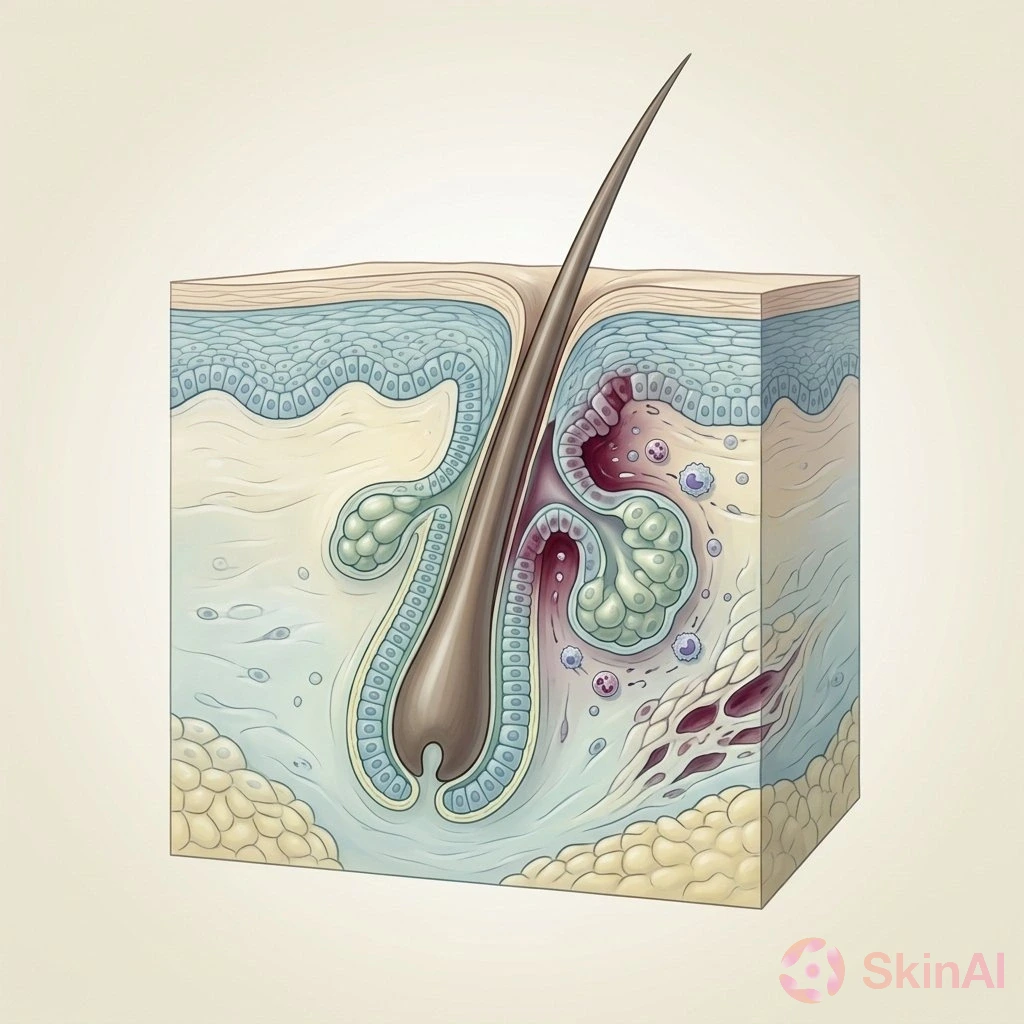
Hidradenitis suppurativa (HS) is a chronic skin condition that causes painful bumps, boils, and tunnels under the skin, often in places like the armpits, groin, or under the breasts. A new study looking at thousands of people shows that getting a formal HS diagnosis changes the course of care in important ways: it tends to speed up access to stronger treatments, reduce visits to the emergency room and hospital, and lower overall costs for patients. But the study also highlights that people’s race, ethnicity, insurance type, and neighborhood can still affect how quickly they get the care they need.
What the researchers looked at
The research team used a large U.S. health database that contains hospital discharge and billing information from more than 1,300 hospitals across the country. They looked at records from January 2018 through December 2022 and divided people into two groups:
- Those with a confirmed diagnosis of hidradenitis suppurativa (HS).
- Those with symptoms commonly seen in HS—like abscesses, cysts, boils, or folliculitis—but without an HS diagnosis on record (called “suspected HS”).
The final analysis included 3,411 people with confirmed HS (3,065 adults and 346 children) and 28,799 people with suspected HS (27,280 adults and 1,519 children). (Source: Premier Healthcare Database; Chovatiya R et al., 2026)
Key findings — what changed when HS was formally diagnosed
Overall, a confirmed HS diagnosis was linked with more focused and faster care.
- Adults with a confirmed HS diagnosis started biologic medications faster after their first visit: on average about 110 days versus about 166 days for those with suspected HS.
- Biologic use was much higher in confirmed HS patients: 12.8% of adults with a diagnosis used biologics versus 1.3% of adults with suspected HS.
- Adults with confirmed HS also tended to spend more time on antibiotics before seeing a dermatologist and before starting biologics, suggesting doctors were using a mix of treatments rather than only treating symptoms short-term.
- People with confirmed HS had more surgery-related procedures for their disease before their first dermatology visit (an average of 3.0 procedures versus 1.5 in the suspected group), which may reflect recognition of more advanced or clearly identified disease.
- Children followed the same pattern but at lower rates: 9.0% of kids with confirmed HS used biologics versus 0.6% in the suspected group.
(Source: Chovatiya R et al., 2026)
Fewer emergency visits and lower short-term hospital risk
The study found that people with a confirmed HS diagnosis were less likely to need emergency or inpatient care within 30 days after their index visit.
- For adults, the 30-day risk of being hospitalized for any reason was 0.8% with a confirmed diagnosis versus 3.7% in the suspected HS group. Emergency department visits were 2.6% versus 11.7%.
- For children, the difference in emergency visits was even larger: 2.9% for confirmed HS versus 18.4% for suspected HS.
- These lower rates of urgent care translated into cost savings: during follow-up, adults with confirmed HS had lower overall costs ($22,128) than adults with suspected HS ($36,359).
The authors suggest that focused outpatient care—getting the right diagnosis and starting appropriate treatments—may help prevent complications that lead to costly emergency visits and hospital stays. (Source: Chovatiya R et al., 2026)
Big disparities still affect the patient journey
Even after diagnosis, the study found differences in how quickly people received advanced treatments based on race, ethnicity, insurance, and neighborhood vulnerability.
- Time from diagnosis to starting biologic treatment varied by ethnicity: Hispanic adults faced the longest delays, averaging more than 53 extra days compared with the overall adult HS group.
- Black adults also experienced delays, averaging about 27.5 extra days before starting biologics.
- People living in more socially vulnerable areas—measured by a Social Vulnerability Index (SVI)—spent more time on antibiotics before seeing a dermatologist, suggesting gaps in timely access to specialty care.
- Among children with confirmed HS, timing to start biologics also varied by SVI, and kids on Medicaid waited longer to start biologics than those with commercial insurance.
These differences point to ongoing barriers—like cost, insurance coverage, transportation, or local access to dermatologists—that affect how quickly someone can get the full range of HS care. (Source: Chovatiya R et al., 2026)
What the study suggests could help
The study authors and commentators point to several strategies that might reduce delays and improve equity in HS care:
- Developing standardized screening within primary care and emergency settings so HS is recognized sooner.
- Expanding financial assistance and programs to help with treatment and transportation costs for people who need specialty care.
- Creating inclusive health policy measures to improve timely access to dermatology and advanced therapies.
These steps aim to make sure people get the right diagnosis and a full range of treatment options without unnecessary delays.
What this means for you
If you’re dealing with recurring painful bumps, boils, or tunnels under the skin, getting an accurate diagnosis matters. A clear HS diagnosis can open the door to more comprehensive treatment plans, including medications and procedures that may help manage the condition and reduce emergency visits. Treatment choices should always be discussed with your doctor or dermatologist, who can explain risks, benefits, and timing for options like antibiotics, biologics, or surgery.
When to see a doctor
Talk to a healthcare professional if you have:
- Recurrent painful lumps or abscesses in areas such as the armpits, groin, buttocks, or under the breasts.
- Lesions that drain, scar, or seem to form tunnels under the skin.
- Worsening pain, signs of infection (increased redness, warmth, fever), rapid changes, or concerns about how the condition is affecting daily life.
If you’re unsure, your primary care doctor can evaluate you and refer you to a dermatologist if needed.
Notes on the study
This research used a large U.S. hospital billing and claims database and compared people with a confirmed HS diagnosis to those with symptoms but no recorded diagnosis. Studies that rely on medical records and billing data are useful for spotting broad trends, but they may not capture every detail of a person’s medical history or local care access. The findings point to important patterns, but individual care decisions should always involve a clinician who knows your history.
Disclaimer
This article is for information only and is not medical advice. Treatment decisions should be made with your healthcare provider. If you have severe symptoms, signs of infection, or sudden worsening, seek medical care promptly.
Sources
- Chovatiya R, Gayle J, Low R, Oh T, Gomez I, Rosenthal N. Patient journey and disparities in the diagnosis and treatment of patients with hidradenitis suppurativa. Published 2026 Feb 24. doi:10.1016/j.xjidi.2026.100462 (Source: Premier Healthcare Database; study by Chovatiya et al., 2018–2022)
- Anthony MR, Abdi P, Farkouh C, Maibach HI. Unmasking racial disparity in the diagnosis and treatment of hidradenitis suppurativa. Published 2023 Jun 30. doi:10.7759/cureus.41190