
When Ideal Skin Treatments Aren’t an Option: Real Patient Challenges
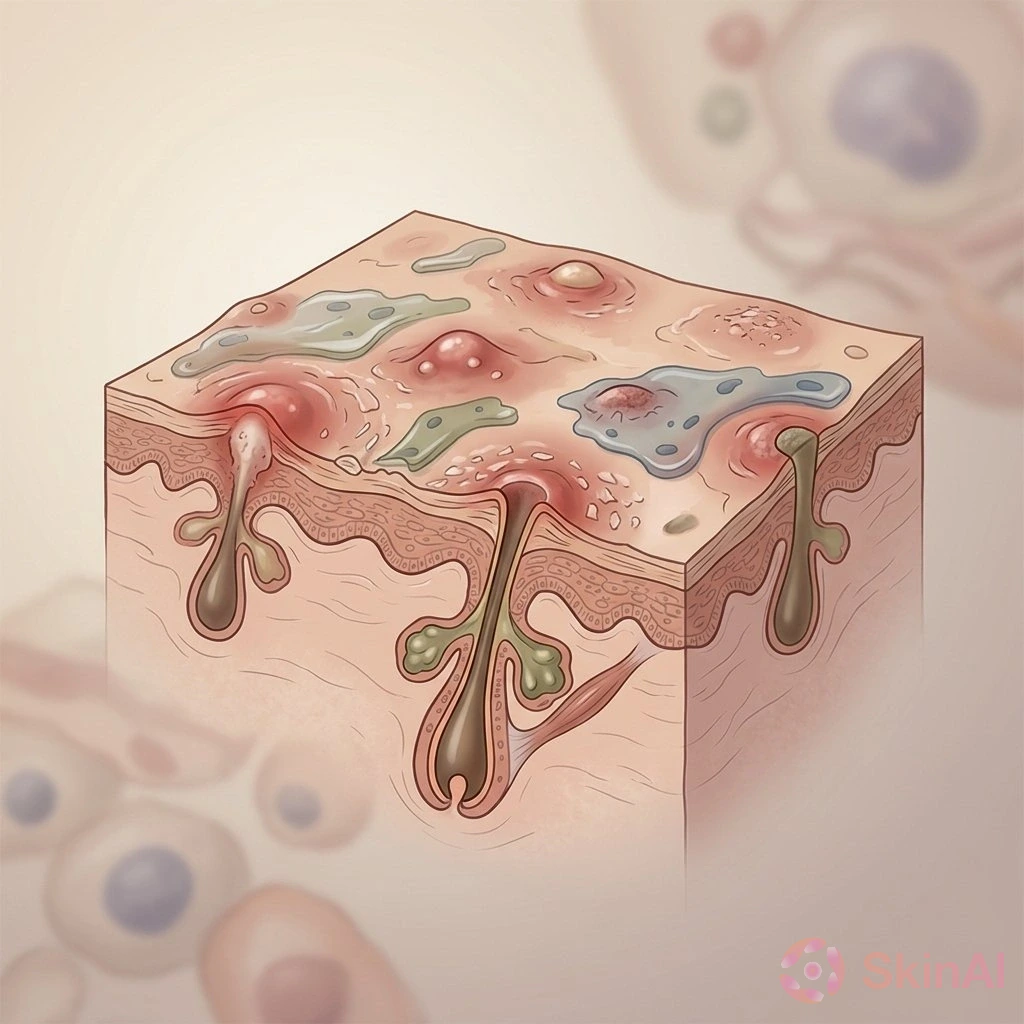
When great treatments aren’t an option: how to care for skin problems when resources are limited
Imagine you know how to treat a skin problem, but the person in front of you can’t access the treatment. This happens more than you might think — not just in places with few medical resources, but right here in our towns and cities.
Think about Hunter, a 17-year-old with large, painful acne on his forehead and cheeks. His family can’t afford his prescription for clindamycin/adapalene/benzoyl peroxide (Cabtreo) or long-term treatments like isotretinoin. Or Mike, 72, who needs a biologic called risankizumab (Skyrizi) for his psoriasis but can’t get insurance approval while he’s at dialysis. A 6-year-old in foster care might have eczema that flares every time she moves homes. Judith, who is incarcerated, has painful, smelly cysts but can only get a cream from the clinic nurse. And Jean, 97, lives with a crusting skin cancer she doesn’t want surgery or radiation to treat — she just wants relief from the leaking and discomfort.
These stories show a common problem: the best or newest treatments aren’t always available or practical for many people. That doesn’t mean nothing can be done. What matters is meeting people where they are and working with what’s accessible.
In simple terms: what “resource-poor” means
“Resource-poor” doesn’t only mean lack of hospitals or medications in faraway places. It also includes everyday situations in developed countries: people in nursing homes, people in foster care, people in prison, those with unstable housing, low income, no or limited insurance, or simply caregivers who are overwhelmed and can’t follow a complicated plan. (Source: Font S, Haddock Potter M.)
There are helpful guides for low-resource wound and skin care — for example, Wounds AFRICA — but many of the same challenges appear in our local communities. (Source: Wounds AFRICA)
Start with clear, practical education
One of the most powerful things clinicians can do is explain a condition in plain language. Many people only get confusing or incomplete information, or turn to search engines or AI summaries that add more uncertainty. A short, clear explanation about what’s happening and why a treatment is recommended helps people follow through and make realistic choices.
In a clinic, this might be a simple handout about a common condition. It could also mean going to nursing homes, shelters, or prison clinics to train staff on how to spot and manage common skin problems with the tools they already have.
Real-life example
I once visited Mimi, a 3-year-old with atopic dermatitis (that’s eczema). Her mother had been given a steroid cream and told to moisturize, but with six children and a part-time job, she was struggling. Mimi screamed when the cream was applied and her skin stayed red and raw.
We talked about the difference between ointments and creams, using moisturizers right after bathing while skin is still damp, colloidal oatmeal baths, bleach baths (for some patients, under guidance), wearing cotton clothes, choosing mild detergents, and trying a humidifier or air filter. The mother left with a clear, realistic plan that fit her life — and over time Mimi’s skin cleared.
Look for simpler, lower-cost options
When advanced prescriptions aren’t possible, there are often practical steps and over-the-counter (OTC) products that may help:
- Use gentle moisturizers frequently for dry or eczema-prone skin.
- Try OTC anti-dandruff shampoos with ketoconazole or coal tar for seborrheic dermatitis (scaly, itchy patches on the scalp or face).
- For mild acne, some OTC cleansers, benzoyl peroxide products, and nonprescription retinoid options may help.
- Simple home remedies like diluted vinegar foot soaks or tea tree–containing products are sometimes used for fungal infections, though results vary.
- Basic wound care — gentle cleaning, appropriate dressings, and avoiding pressure — can make a big difference for leaking sores or small wounds.
Many of these options can be bought at a pharmacy or ordered online. They won’t fix everything, and they take time to work, but they can improve symptoms and make daily life more comfortable.
Set realistic expectations
It’s important to be honest about what simpler treatments can do. Tell people what to expect: improvement may be gradual, and some conditions (like moderate-to-severe psoriasis or deep cysts) may not fully resolve without stronger prescription treatments. That doesn’t mean care isn’t worthwhile — even partial improvement can reduce pain, itching, odor, or the risk of infection.
When possible, explain the trade-offs: the pros and cons of more advanced options, the likely timeline for OTC or lifestyle approaches, and signs that a condition needs more urgent attention. Clear communication helps people make choices that fit their life and resources.
Practical things clinicians, caregivers, and patients can try
- Provide simple printed or verbal instructions for common problems (eczema care, treating minor infections, wound care).
- Teach staff in long-term care, shelters, or prisons how to recognize red flags and manage basic skin issues.
- Adapt treatments to what the person can realistically use — for example, choosing ointments or creams that a child will tolerate, or using once-daily options when someone can’t manage complex regimens.
- Encourage low-cost supportive measures: moisturizers, mild soaps, breathable clothing, humidity control, and gentle detergents.
When to see a doctor or dermatologist
Seek medical care promptly if you notice any of the following:
- Rapidly growing or changing skin lumps or sores.
- Open wounds that are bleeding, leaking a lot, or smell strongly.
- Intense pain, spreading redness, warmth, or fever (possible signs of infection).
- A mole or lesion that bleeds, scabs repeatedly, or looks different from others.
- Skin problems that interfere with daily life, sleep, or breathing.
If you’re unsure, it’s always reasonable to ask a healthcare provider. Treatment decisions should be made together with a clinician who knows your situation.
Tracking changes in visible skin problems (a note about SkinAI and similar tools)
Tools that help you photograph and track a rash, mole, or sore over time can be useful to notice changes earlier and to prepare for a doctor’s visit. These tools can help you document what’s happening, but they don’t replace a medical evaluation or a dermatologist’s diagnosis.
Final thoughts
Treating skin conditions is about more than finding the “best” drug. It’s about helping people with the resources they actually have. Clear education, simpler treatments, and realistic plans can make a big difference for people who don’t have access to the newest or most expensive options.
If you or someone you care for is dealing with a skin problem and resources are limited, talk with a clinician about practical steps you can try now, and which signs would mean it’s time to seek more urgent care.
Disclaimer
This article is for general information and is not medical advice. Treatment choices should be discussed with a healthcare professional. If you have serious symptoms such as rapid growth, bleeding, severe pain, or signs of infection, seek medical attention promptly.
Sources
- Wounds AFRICA. (Resource mentioned in the original article.)
- Serena TE. A global perspective on wound care. Adv Wound Care (New Rochelle). doi:10.1089/wound.2013.0460
- Font S, Haddock Potter M. Socioeconomic resource environments in biological and alternative family care and children’s cognitive performance. doi:10.1111/soin.12262