
How a Barrier-Friendly Acne Regimen Boosts Hydration and Reduces Breakouts
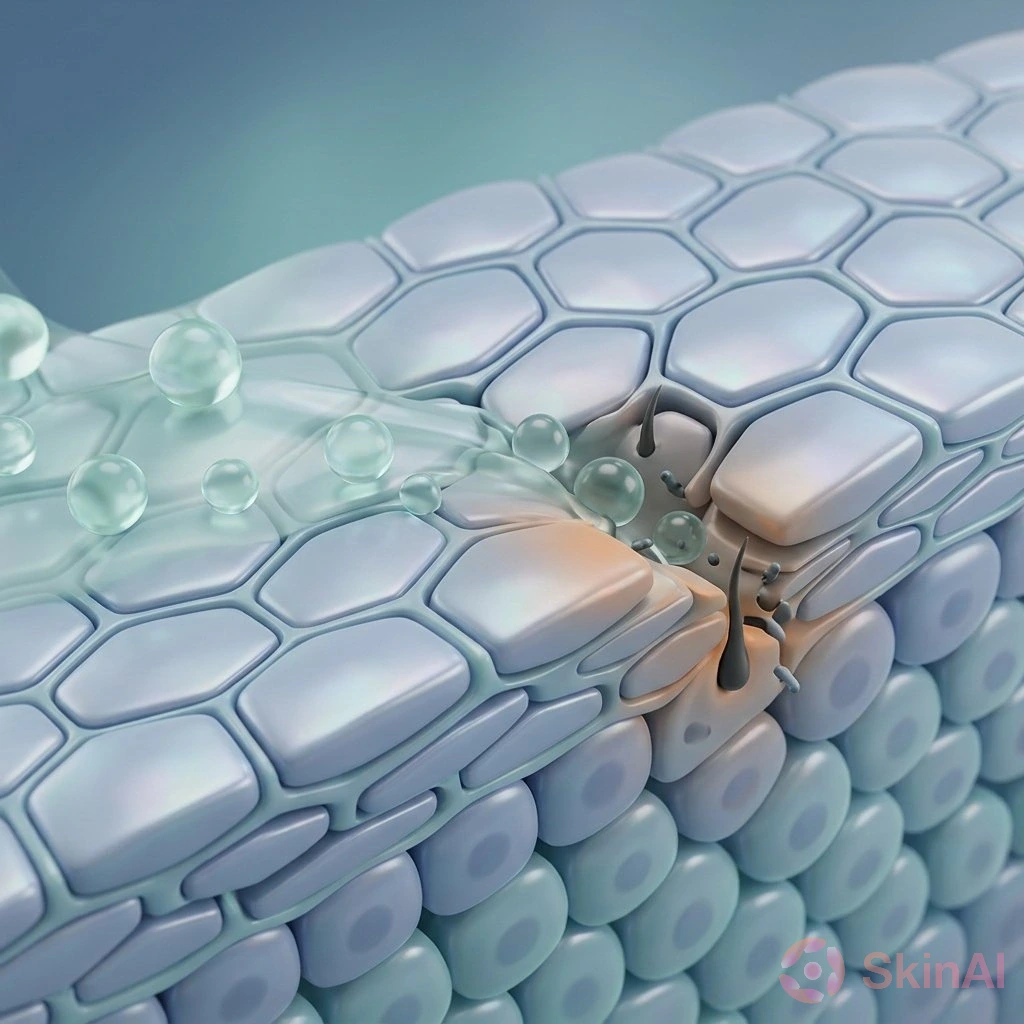
Can a multi-step skin routine help acne while protecting the skin? A closer look
If you have acne-prone skin, you’ve probably tried products that dry you out or leave your face red. A small clinical study tested a multi-step skin care routine that aimed to reduce acne signs while keeping the skin’s protective barrier intact. The results are interesting but not definitive. Here’s a plain-language look at what the study did and what it found.
Quick summary
A 30-day study of 20 adults used an 8-product daily routine that combined several active ingredients, including salicylic acid, niacinamide, zinc PCA, and prebiotic ingredients, plus barrier-supportive agents like panthenol and allantoin. Participants showed fewer acne lesions, less oiliness, reduced redness, and slightly better skin hydration. Most people liked the products, but a few had irritation. The researchers noted important limits: the study was small, had no control group, and lasted only 30 days. (Source: Armanious YM et al., Journal of Cosmetic Dermatology, 2026)
Why this matters
Acne isn’t caused by just one thing. Several factors play a role:
- Too much oil (sebum) on the skin.
- Clogged hair follicles from extra skin cells (follicular hyperkeratinization).
- Bacteria called Cutibacterium acnes growing in follicles.
- An imbalance in the skin’s microbiome (the community of helpful and unhelpful microbes).
- Inflammation, which makes pimples red and swollen.
Many common acne treatments—like retinoids, benzoyl peroxide, antibiotics, and salicylic acid—can help, but some can also irritate skin or, in the case of antibiotics, raise concerns about resistance. This study tried a routine that targets several of those acne causes while including ingredients meant to protect and hydrate the skin barrier.
Who took part and what they used
The study enrolled 20 people with acne-prone skin (15 women, 5 men), average age about 28. Over 30 days they used an 8-product regimen: a facial wash, facial scrub, corrective cream, sheet mask, toner, facial wipes, and a corrective concealer.
The key actives in the products were:
- Salicylic acid — a common ingredient that helps clear clogged pores.
- Niacinamide — a form of vitamin B3 that can help calm skin and may reduce oiliness.
- Zinc PCA — a zinc compound that may help control oil and has antimicrobial properties.
- Prebiotic ingredients like inulin and alpha-glucan oligosaccharide — meant to support a healthy skin microbiome.
- Barrier-supporting agents such as panthenol and allantoin — used to soothe and help protect the skin.
What the study measured
Researchers looked at visible acne signs and also used instruments to measure skin hydration and oil levels. Dermatologists counted acne lesions and rated pore visibility, oiliness, redness, and dryness at the start and after 30 days. Participants also shared how they felt about the products.
Key results
Here are the main changes the study reported after 30 days (all changes were statistically significant in the study):
- Pore visibility score decreased slightly (from 2.2 to 1.9).
- Oiliness (seborrhea) score improved (from 2.2 to 1.6).
- Redness (erythema) decreased (from 1.8 to 1.1).
- Dryness scores dropped (from 0.7 to 0.3).
- Total non-inflammatory lesions (blackheads and whiteheads) fell from an average of 9.8 to 8.6.
- Inflammatory lesions (papules and pustules) dropped from an average of 7.7 to 5.8.
Instrumental tests supported these findings:
- Skin hydration measured by a Corneometer rose from 53.1 to 56.4 units (about a 6.2% increase).
- Facial sebum measured by a Sebumeter decreased from 146.9 to 133.5 µg/cm² (about a 9.1% reduction).
These numbers suggest modest improvements in both acne signs and skin hydration over the 30-day period. (Source: Armanious YM et al., Journal of Cosmetic Dermatology, 2026)
What participants said
Most people liked the routine. About 95% rated the overall treatment as “very good” or “fairly good.” The cleanser and facial scrub each got 95% positive ratings for how well they cleaned, and the scrub was rated 100% for dermopurifying performance. Other findings:
- 90% said the toner gave a mattifying effect.
- 90% said the corrective cream left skin hydrated without feeling greasy.
- 90% felt the sheet mask made skin softer and more hydrated.
- 85% said the concealer and corrector made blemishes less noticeable.
Side effects and tolerability
Overall tolerability was acceptable for most, but not everyone had a smooth experience. One person had severe redness, burning, and peeling after using the scrub and cleanser. Five others reported mild to moderate dryness or peeling linked to the scrub, toner, facial wipes, or cleanser. This shows that even products designed to be gentle can irritate some people, especially when multiple active products are used together.
How the ingredients might work together
The researchers suggested the routine’s different ingredients likely helped in complementary ways:
- Salicylic acid helps unclog pores and may reduce inflammatory lesions.
- Niacinamide and zinc PCA may help regulate oil production and calm skin.
- Prebiotics aim to support a balanced skin microbiome rather than kill bacteria outright.
- Panthenol and allantoin are included to support the skin barrier and reduce irritation.
Limitations to keep in mind
These results are promising but should be read with caution. The study authors pointed out several important limitations:
- Only 20 participants were included, which is a small sample.
- There was no control or placebo group to compare against.
- The follow-up period was short—just 30 days—so longer-term effects aren’t known.
- The study did not measure transepidermal water loss (a direct test of skin barrier function) or analyze changes in the skin microbiome.
Because of these limits, the findings suggest the regimen may help but don’t prove it works better than other options or over longer time frames. (Source: Armanious YM et al., Journal of Cosmetic Dermatology, 2026)
When to see a doctor
If your acne is painful, rapidly getting worse, causing scarring, bleeding, or signs of infection, see a dermatologist or your primary care provider. Also talk with a clinician before starting a new multi-product routine if you have very sensitive skin or a history of strong reactions. Treatment choices are personal, and a healthcare provider can help you pick products and medications that fit your skin and health history.
Tracking visible changes
Keeping photos or notes about how your skin looks and feels over time can be helpful. This makes it easier to spot improvement or new irritation and to share accurate information with a dermatologist.
Brief disclaimer
This article summarizes a small clinical study and does not provide medical advice. Treatment decisions should be discussed with a doctor or dermatologist. For serious symptoms or concerns, seek professional care.
Sources
- Armanious YM, Neaz OS, Abdelghany AH, et al. Efficacy and Tolerability of a Multi-Targeted Anti-Acne Regimen Incorporating Salicylic Acid, Prebiotics, and Zinc PCA: A 30-Day Clinical Trial. Journal of Cosmetic Dermatology. 2026. (Source: Armanious YM et al., Journal of Cosmetic Dermatology, 2026)
- Althwanay A, AlEdani EM, Kaur H, et al. Efficacy of Topical Treatments in the Management of Mild-to-Moderate Acne Vulgaris: A Systematic Review. Cureus. Published 2024 Apr 9. doi:10.7759/cureus.57909 (Source: Althwanay A et al., Cureus, 2024)