Acne Vulgaris (ICD-10: L70) ⚠️
Acne Vulgaris: The Most Common Form of Chronic Acne
Acne vulgaris is a widespread chronic inflammatory skin condition that primarily affects the pilosebaceous units—structures comprising hair follicles and sebaceous (oil) glands. This condition is characterized by a variety of skin lesions, including non-inflammatory comedones and inflammatory papules, pustules, and, in more severe cases, nodules and cysts. Long-standing or untreated acne may result in permanent complications such as scarring and post-inflammatory hyperpigmentation.
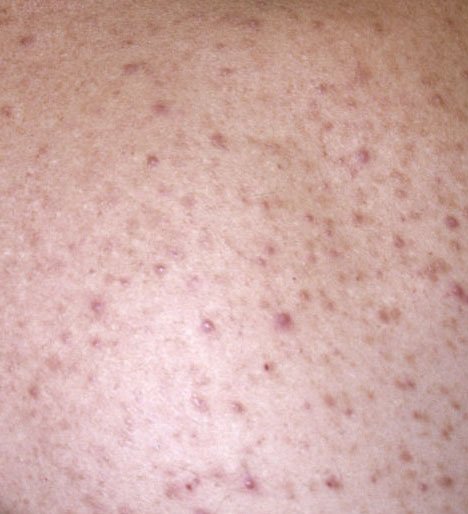
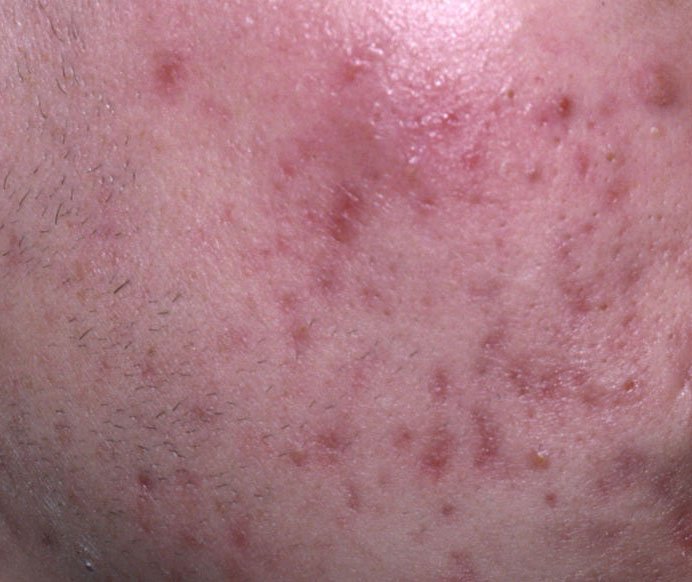
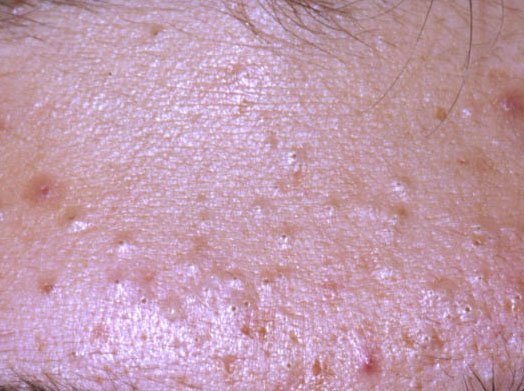
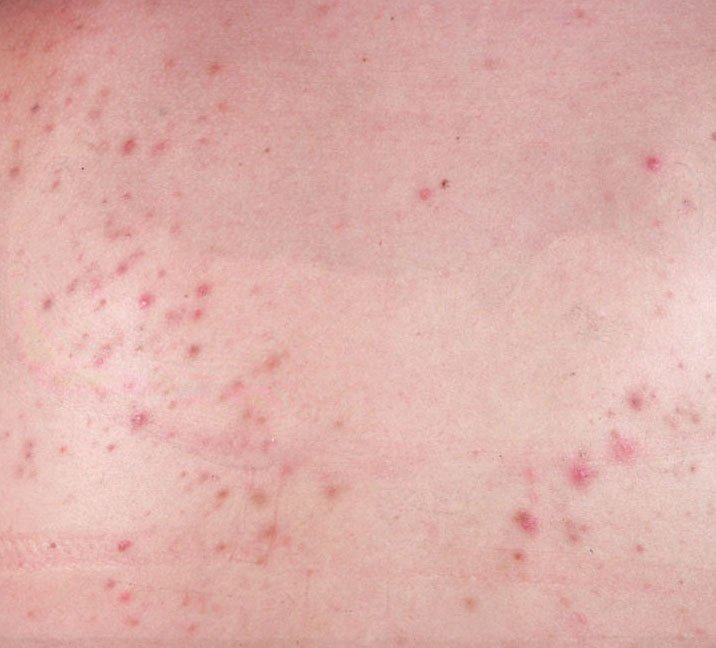
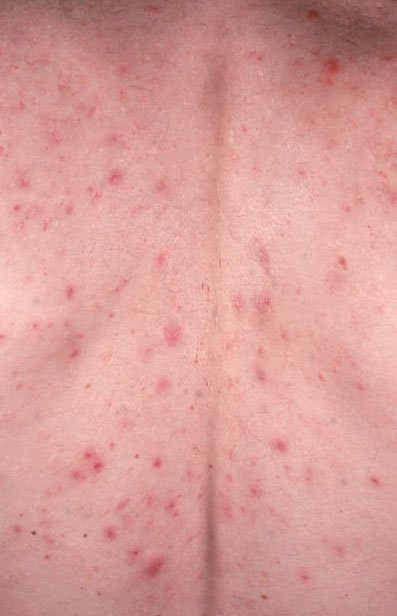
The typical areas affected by acne vulgaris are those rich in sebaceous glands: the face (especially the forehead, cheeks, and chin), the upper chest, the upper back, and the shoulders. These regions tend to produce more sebum, making them more susceptible to clogged pores and inflammation.
Acne vulgaris most commonly first appears during adolescence, with symptoms beginning between ages 11 and 13. In boys, acne often appears during puberty and tends to be more severe due to higher androgen levels. Girls typically experience earlier onset, though their cases tend to be milder in comparison. Acne vulgaris is not limited to teenagers, however; adult-onset acne is also common, particularly in women.
It is estimated that up to 80% of the global population experiences acne vulgaris at some point in life. Despite this high prevalence, many people still treat acne as a cosmetic issue rather than a medical one, often ignoring treatment until it becomes severe or leaves permanent marks on the skin.
The pathogenesis of acne vulgaris is multifactorial, and four processes act together rather than in a fixed sequence: follicular hyperkeratinization, increased sebum production, colonization of the follicle by Cutibacterium acnes, and the inflammatory and immune response this provokes. No single factor is the primary cause: comedones form where the follicle is plugged, and inflammation turns them into papules and pustules.
Predisposing Factors: Why Acne Vulgaris Develops
There is no single cause of acne vulgaris. Rather, it arises from a combination of internal and external factors. Understanding these triggers is key to tailoring effective treatment plans and preventing recurrences.
- Genetics: Family history is a major contributing factor. Individuals with parents or siblings who had severe acne are more likely to develop it themselves. Genetic studies, including those on twins, confirm the influence of heredity in sebaceous activity and inflammatory response.
- Hormonal fluctuations: The surge of androgens during puberty stimulates the sebaceous glands, leading to excess oil production. Conditions like polycystic ovary syndrome (PCOS) in women or the use of hormonal medications can also contribute to persistent acne.
- Microbial factors: Although Cutibacterium acnes is part of normal skin flora, its overgrowth in clogged follicles can activate the immune system and cause inflammation. This is an immune response rather than an infection, and Demodex mites are not an established contributor to acne.
- Skin care and mechanical factors: Heavy, pore-clogging (comedogenic) products and mechanical irritation (from helmets, clothing, or masks) can worsen acne. Acne is not caused by dirt or infrequent washing.
- Environmental and lifestyle influences: Factors such as chronic stress, poor sleep, smoking, pollution, and excessive humidity can affect sebum production and immune regulation in the skin.
- Dietary associations: The evidence here is limited and inconsistent. Epidemiological studies have reported associations with skim milk and high-glycemic diets in some individuals, but current guidance does not recommend dietary change as a treatment for acne, and individual responses vary widely.
Diagnostics: How Acne Vulgaris Is Diagnosed
The diagnosis of acne vulgaris is clinical and typically straightforward. It is based on the visual assessment of lesions, their distribution, and the patient’s history. During a consultation, the dermatologist collects detailed information about the onset, evolution, severity, and any possible triggers or aggravating factors. This includes hormonal history, diet, stress levels, skincare habits, and use of medications.
On physical examination, the presence and dominance of specific lesion types—such as comedones, papules, pustules, or nodules—help define the form and severity of the acne. In ambiguous cases or in the presence of atypical or isolated lesions, dermatoscopy may be employed to rule out other dermatoses.
A thorough diagnosis not only allows for proper classification (mild, moderate, or severe acne) but also facilitates the identification of underlying contributing factors, enabling a more targeted and personalized treatment plan.
Symptoms: What Acne Vulgaris Looks Like
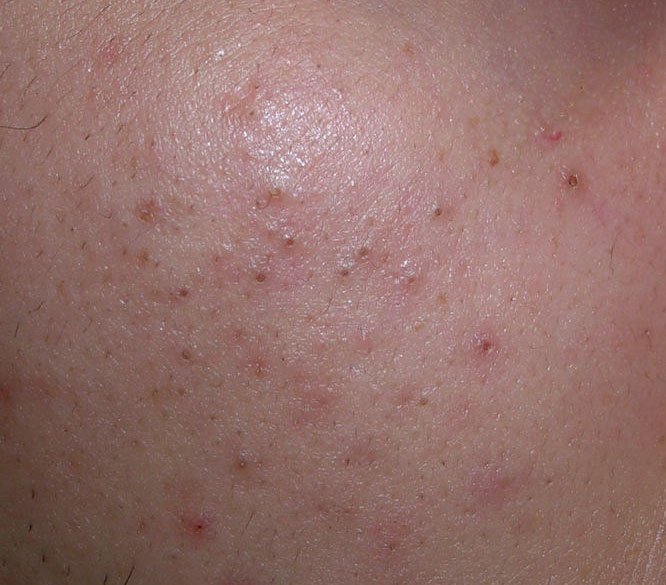
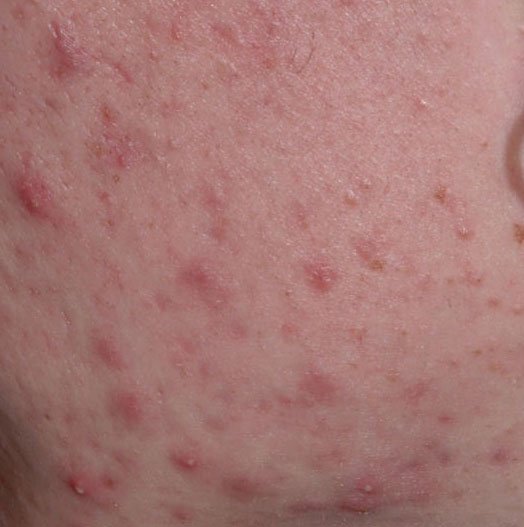
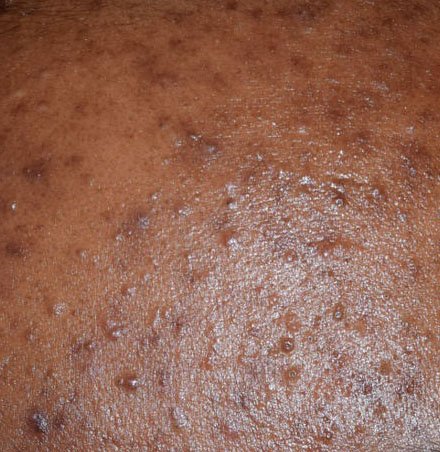
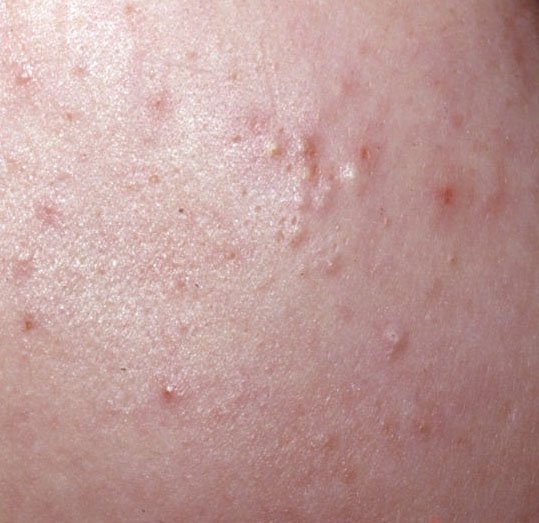
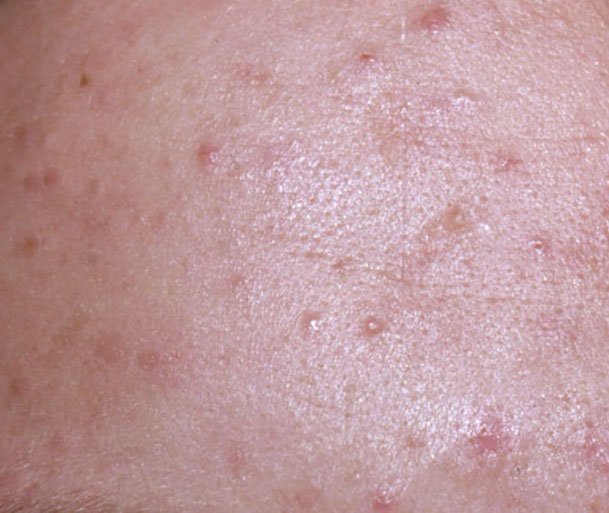
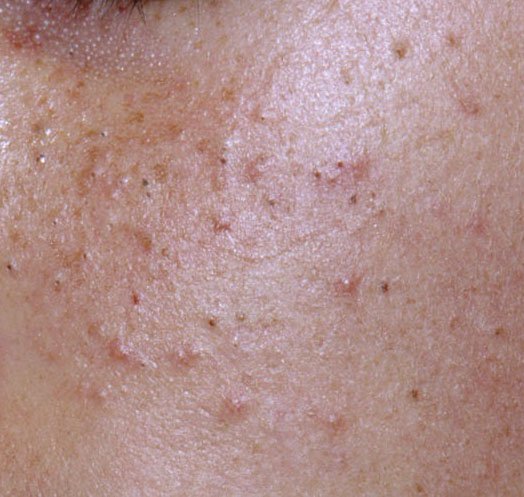
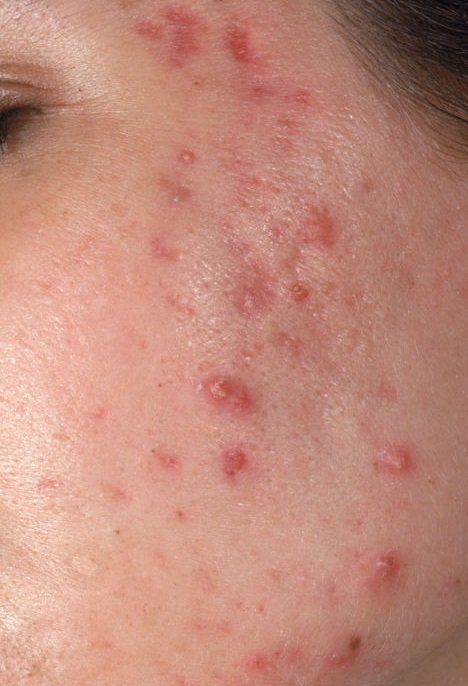
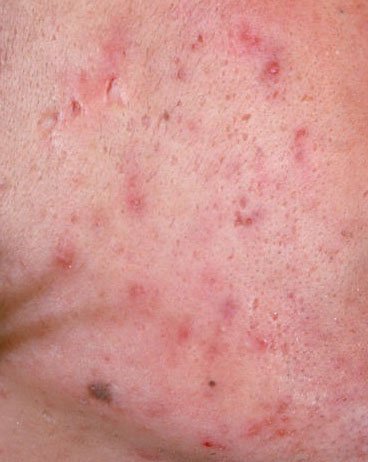
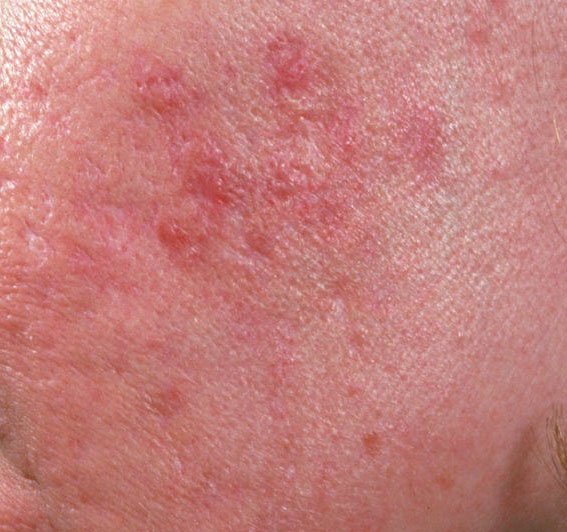
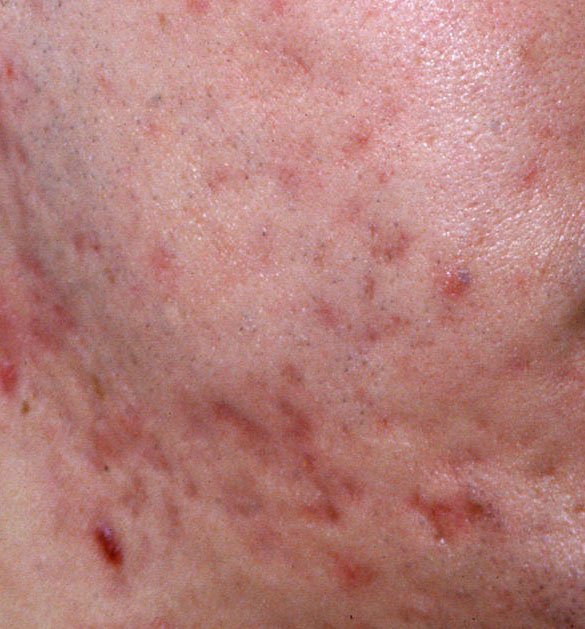
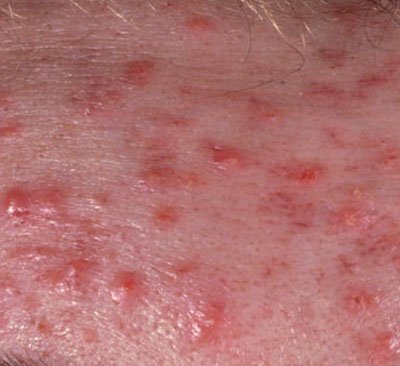
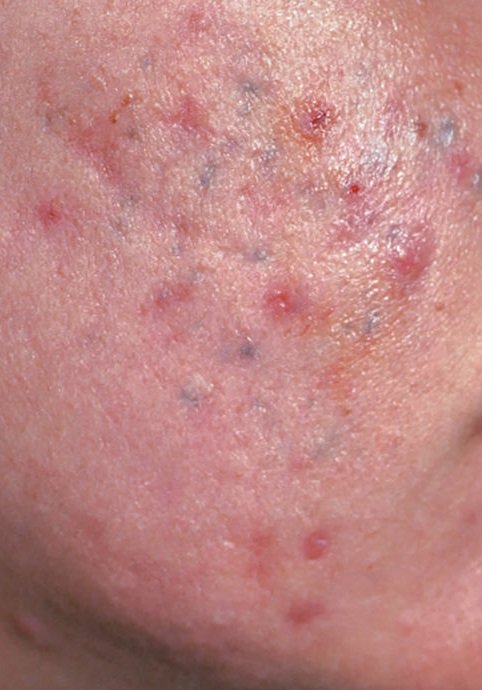
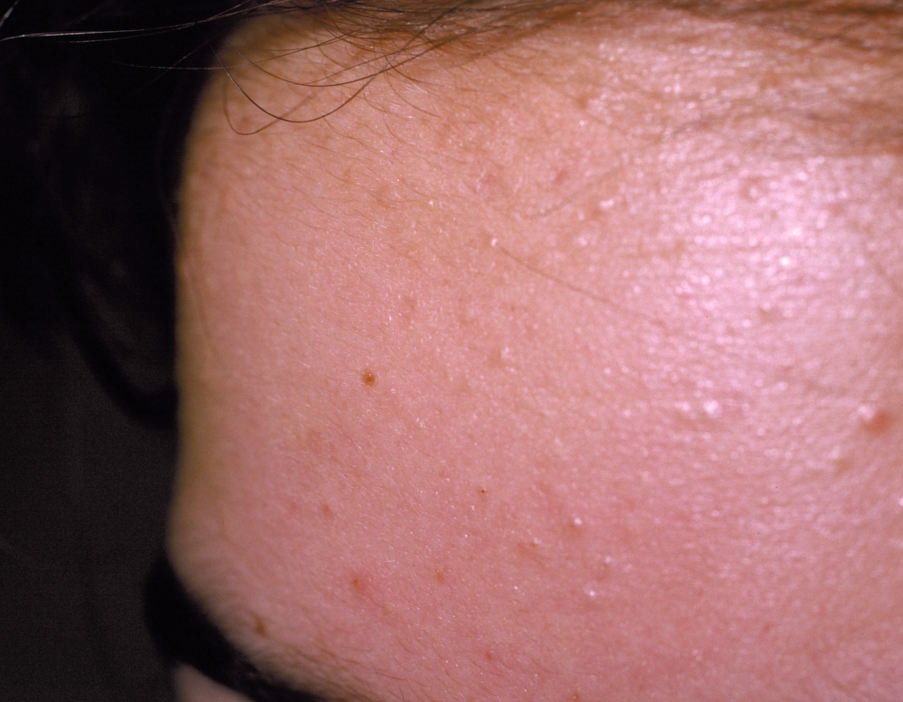
Acne vulgaris typically presents with a combination of non-inflammatory and inflammatory lesions. The hallmark features include:
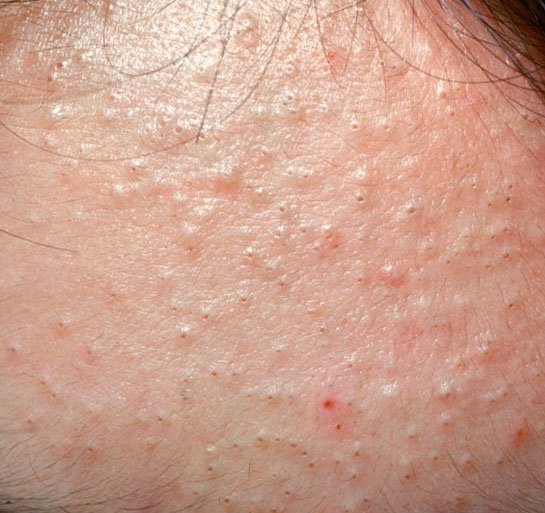
- Comedones: These are the earliest lesions of acne and may be open (blackheads) or closed (whiteheads). Closed comedones are small, raised, and skin-colored or whitish. Open comedones have a central black dot formed by oxidized sebum. They are especially common on the back and shoulders and may measure up to 5–7 mm.
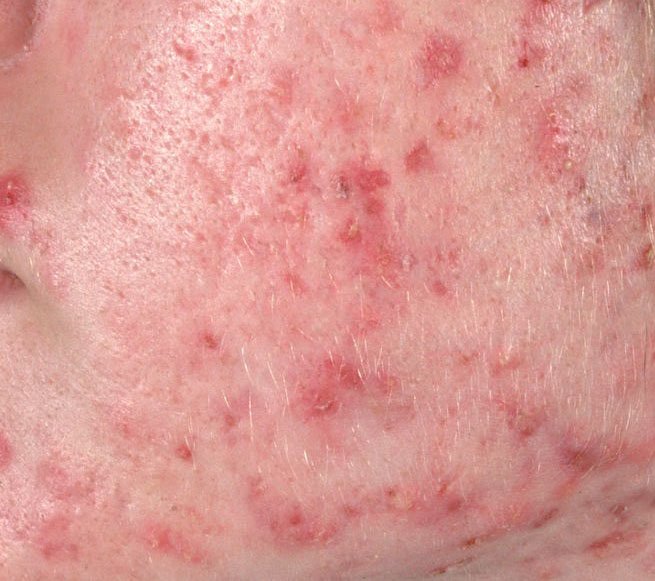
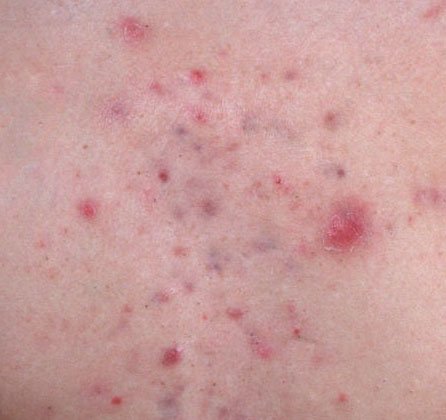
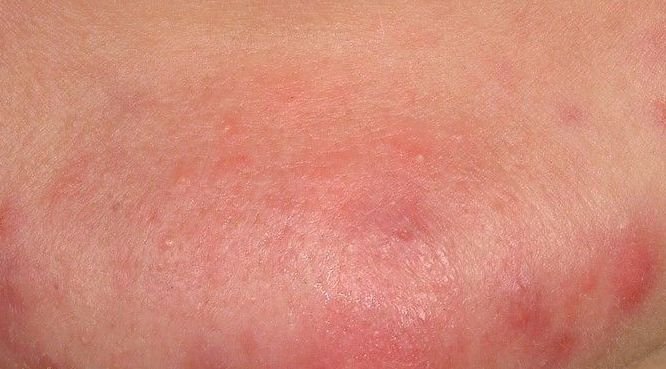
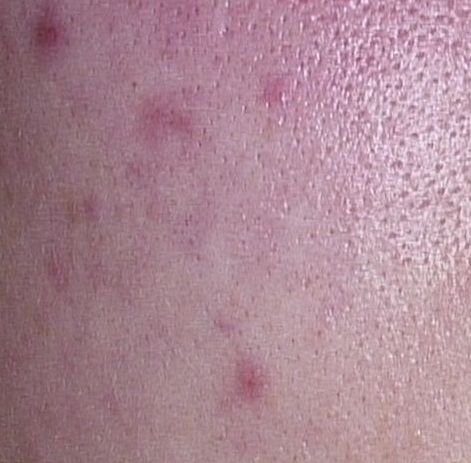
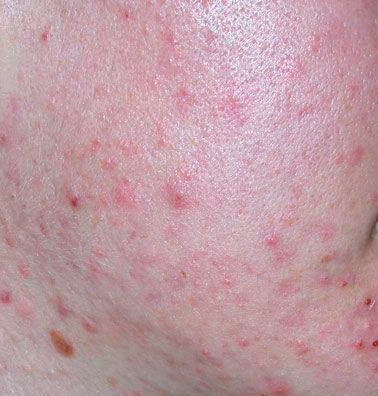
- Papules: These are inflamed, red or pink bumps without visible pus. They are slightly raised and sensitive to touch. Their base is typically 1–3 mm wide, with surrounding skin showing signs of inflammation in more severe cases.
- Pustules: These lesions contain visible pus and have a central yellow or white head. Surrounded by inflamed skin, they are slightly raised, painful, and may be denser than the surrounding tissue. Pustules may resolve on their own or rupture, releasing their contents.
- Nodules and cysts: Less frequent in acne vulgaris, but possible in advanced stages. These are deep, painful, solid or pus-filled lesions that can result in scarring.
- Scars: Result from the healing of deeper or repeatedly inflamed lesions. Atrophic scars appear as shallow depressions, while hypertrophic scars are raised and fibrotic. The likelihood of scarring increases with the duration and intensity of inflammation.
- Hyperpigmentation: Post-inflammatory brown spots that remain after the resolution of acne lesions. These marks may fade over time or persist, especially in darker skin types.
The most frequent locations for acne vulgaris include the forehead, cheeks, chin, upper back, chest, and shoulders. Acne in other areas is rare and may indicate another underlying condition.
Differential Diagnosis: Ruling Out Other Conditions
To confirm the diagnosis of acne vulgaris, dermatologists may need to differentiate it from other skin conditions with similar features. These include:
- Rosacea: Especially the papulopustular subtype, which mimics acne but lacks comedones and may be accompanied by flushing and visible blood vessels.
- Milia: Small, keratin-filled cysts that resemble whiteheads but lack inflammation.
- Perioral dermatitis: Clusters of small, red papules around the mouth, often aggravated by topical corticosteroids.
- Acneiform drug eruptions: Caused by medications such as corticosteroids, lithium, or isoniazid.
- Basal cell carcinoma or amelanotic melanoma: In rare adult cases with persistent or nodular lesions, malignancy must be excluded.
Risks: Why Acne Vulgaris Should Be Treated
Although acne vulgaris is not a dangerous disease, it is a genuine medical condition rather than a cosmetic one. It is not a marker of disease elsewhere in the body; investigation beyond the skin is considered only when the history suggests a hormonal disorder, such as rapid onset with irregular periods or excess hair growth.
Acne also has serious psychosocial implications. Many patients—especially adolescents and young adults—experience reduced self-confidence, social isolation, anxiety, and even depression. The formation of scars and pigmentation changes can lead to long-lasting aesthetic concerns that affect quality of life.
Most importantly, nodular and severe acne can leave permanent scars, so early treatment matters. Deep painful nodules, forming scars, or acne that has failed standard treatment should be assessed by a dermatologist. Picking or squeezing lesions adds scarring.
Tactics: When and How to Seek Treatment
Early and consistent dermatological care is essential to avoid complications. Patients should consult a dermatologist if:
- Acne persists beyond adolescence or suddenly worsens in adulthood.
- Lesions are painful, nodular, or recurrent.
- Scars or pigmentation develop rapidly.
- Over-the-counter treatments are ineffective.
Dermatologists can provide a structured treatment approach tailored to the patient’s skin type, acne severity, and lifestyle. Preventive consultations are especially important before major life changes (e.g., starting hormonal treatments, changing diets or cosmetics, or moving to different climates).
Treatment: Modern Strategies for Acne Vulgaris
The treatment of acne vulgaris is individualized and chosen by severity. Mild comedonal or mild inflammatory acne is generally managed with topical therapy alone, while moderate-to-severe inflammatory acne may call for combination topical therapy, systemic treatment, or both. Key modalities include:
- Topical therapy: Topical retinoids (e.g., adapalene, tretinoin) and benzoyl peroxide are the core evidence-based options and are often combined. Topical antibiotics such as clindamycin are used alongside benzoyl peroxide, not alone.
- Systemic therapy: Oral antibiotics such as doxycycline are reserved for moderate-to-severe inflammatory acne, for the shortest appropriate course and paired with benzoyl peroxide to limit resistance. Combined oral contraceptives or spironolactone suit selected female patients; isotretinoin is reserved for severe or refractory disease.
- Cosmetic procedures: Extractions, peels, and laser or light-based treatments are optional adjuncts; current guidance finds the evidence insufficient to recommend them routinely.
- Scar management: Laser resurfacing, microneedling, and dermabrasion are used for persistent scarring.
- Emotional support: Psychological counseling may be beneficial for patients affected by acne-related anxiety or low self-esteem.
Patients must commit to treatment regimens for several months before significant improvement is seen. Skipping doses, using inappropriate products, or prematurely ending therapy can undermine progress and lead to recurrence.
Prevention: Daily Habits for Clearer Skin
While acne vulgaris cannot always be prevented, the following practices can reduce the frequency and severity of breakouts:
- Maintain a consistent skincare routine: Use a gentle cleanser twice daily and avoid over-washing or scrubbing.
- Choose non-comedogenic products: Opt for oil-free, fragrance-free cosmetics and moisturizers.
- Sun protection: Use SPF 30+ sunscreen daily to prevent inflammation and pigmentation.
- Eat a balanced diet: A varied diet supports general health, but no food has been shown to prevent acne and dietary change does not replace treatment.
- Manage stress: Stress hormones can trigger breakouts. Regular physical activity, meditation, and healthy sleep improve skin health.
- Regular dermatological checkups: Periodic visits help monitor progress, prevent complications, and adjust treatment when needed.
With professional guidance and disciplined self-care, acne vulgaris can be effectively managed, and long-term skin damage can be avoided—helping individuals maintain not only healthy skin, but also emotional well-being and confidence.