Closed Comedone (ICD-10: L70) ⚠️
Closed Comedones: Causes, Characteristics, and Management
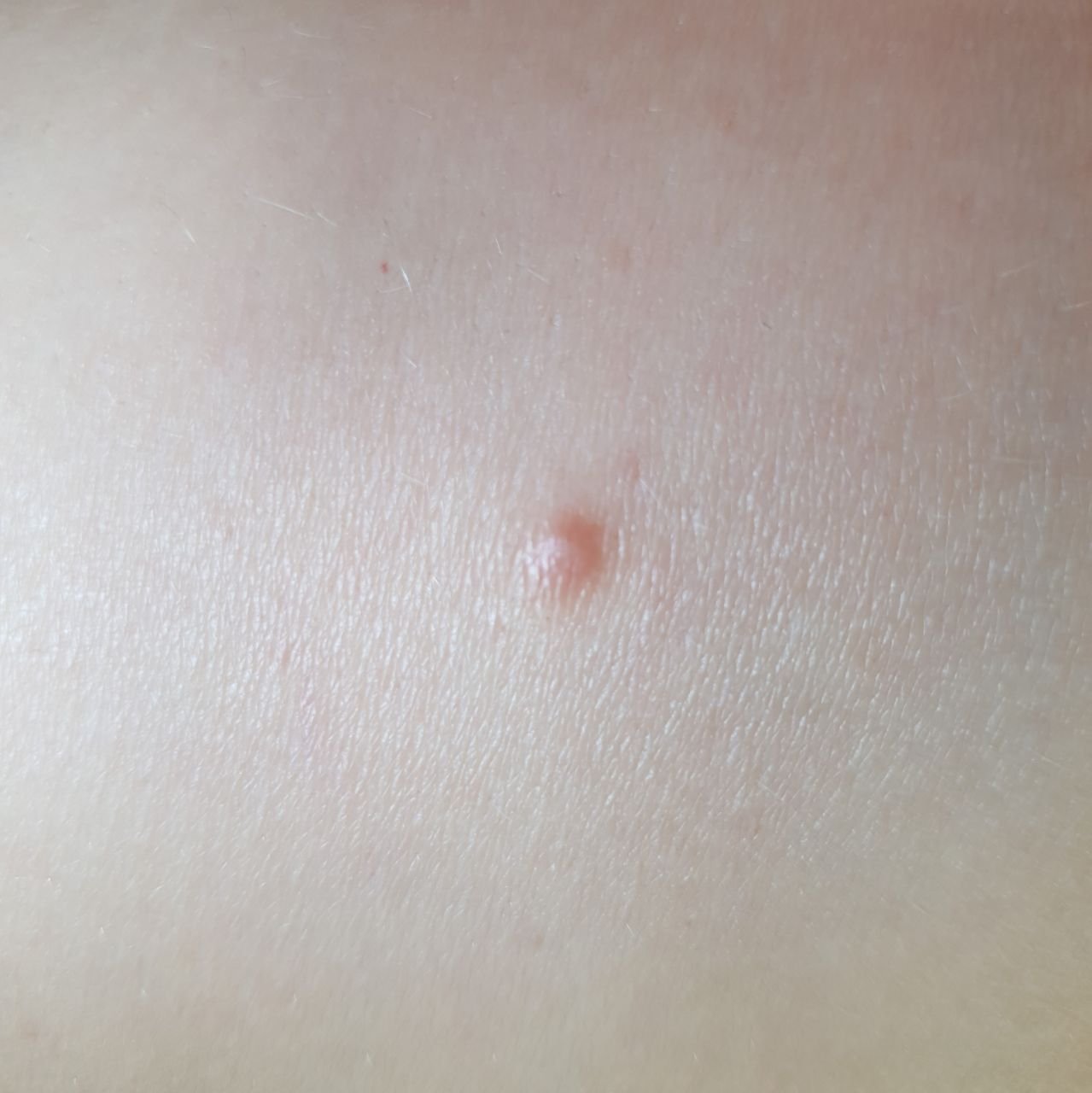
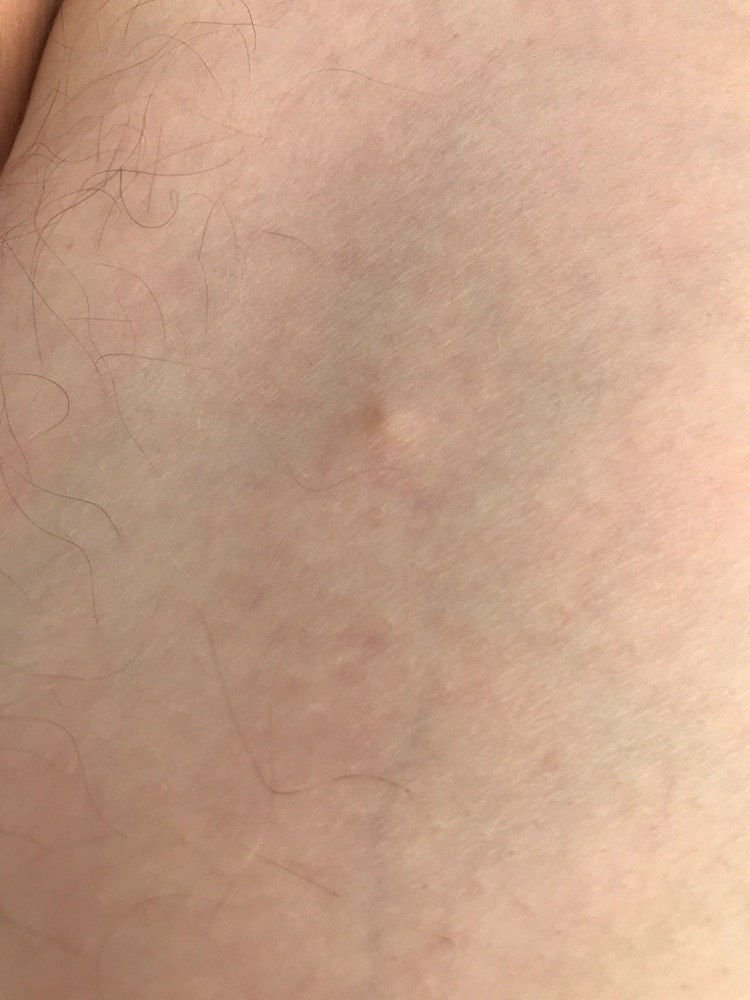
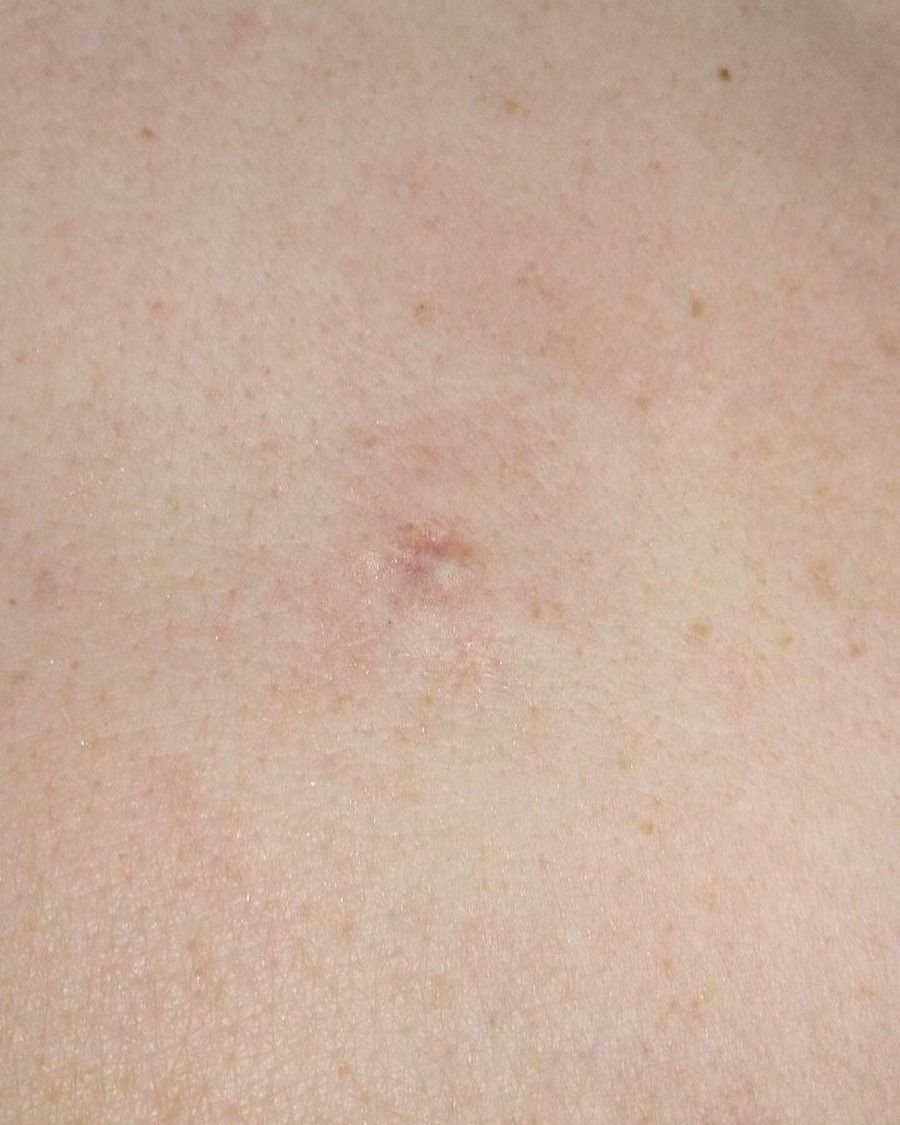
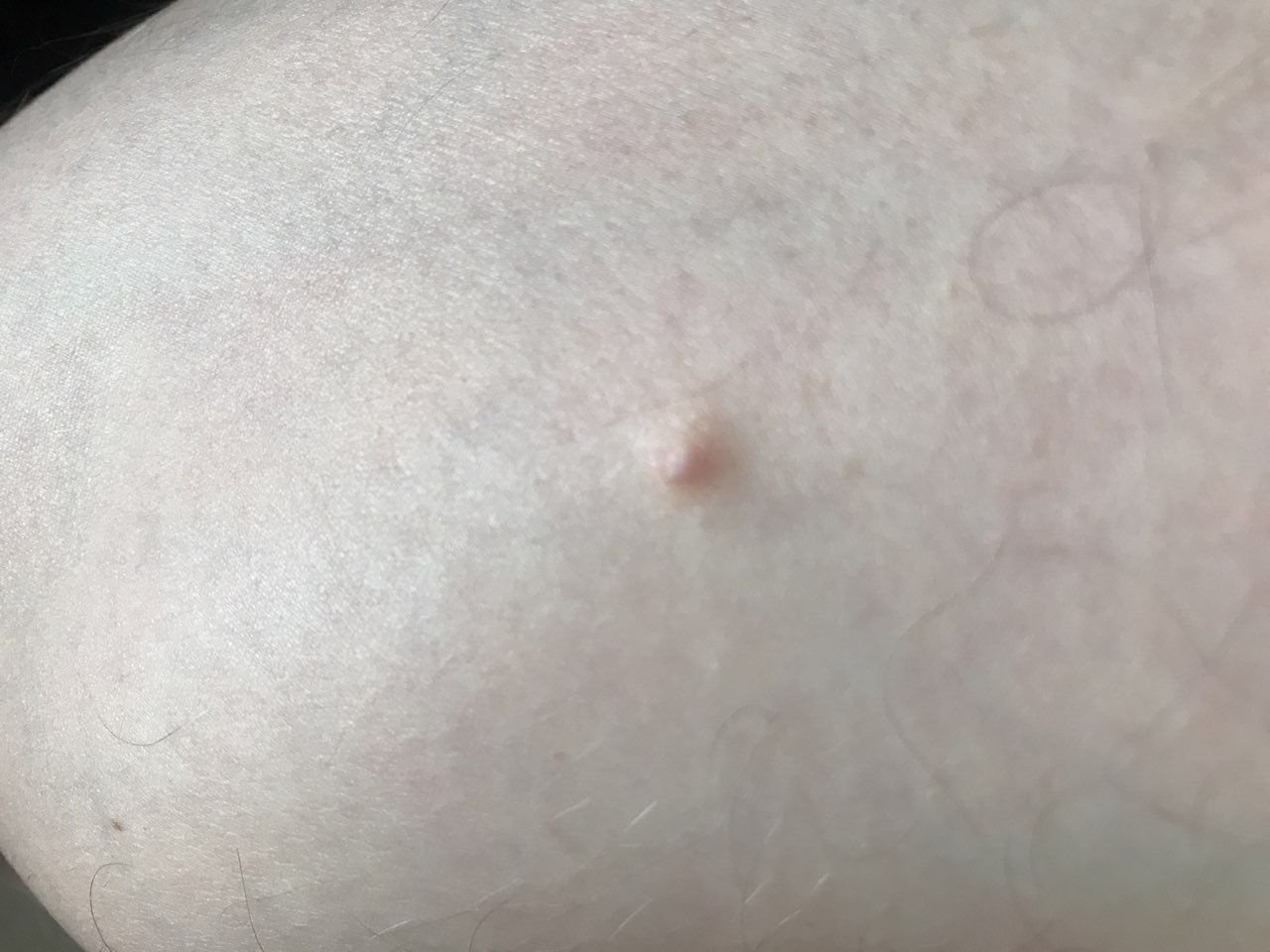
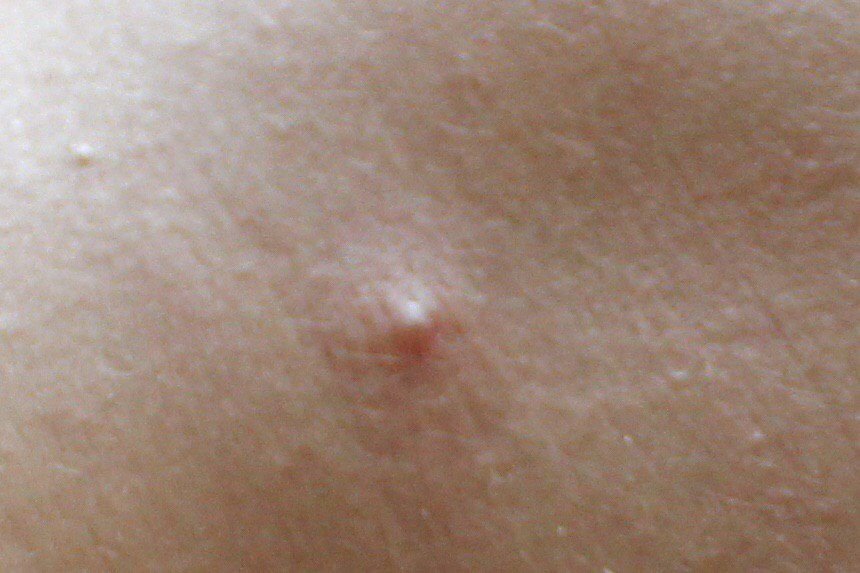
Closed comedones, also commonly referred to as whiteheads, are non-inflammatory skin lesions that form as a result of the accumulation of sebum and keratinized skin cells inside the excretory ducts of the sebaceous glands. These ducts become blocked and then covered by a thin layer of skin, creating a characteristic dome-shaped bump. Unlike open comedones (blackheads), closed comedones lack a darkened center because their contents are not exposed to oxygen, preventing the typical oxidization of sebum.
Although comedones are a part of the acne spectrum, closed comedones themselves are not considered an inflammatory disease unless secondary infection or irritation occurs. However, when present in large numbers, especially in localized areas such as the face or upper back, closed comedones can indicate an underlying dysfunction of sebaceous gland activity and are often viewed as a non-inflammatory form of acne vulgaris.
These lesions can appear at any age and in any individual, but they are most frequently seen during periods of hormonal change—such as puberty, pregnancy, or endocrine disorders. Adolescents, young adults, and individuals with oily or combination skin types are particularly prone to their development. Closed comedones may be isolated or occur in clusters, and although usually asymptomatic, they can cause cosmetic concern and potentially progress into inflammatory lesions if not managed properly.
Predisposing Factors: What Causes Closed Comedones?
The appearance of closed comedones is usually the result of a complex interaction between genetic, hormonal, mechanical, and environmental factors. The principal mechanism is follicular hyperkeratinization, in which the keratinocytes lining the follicle become abnormally cohesive and are retained rather than shed. The resulting keratin plug obstructs the follicular opening, while the sebaceous gland continues to secrete sebum that accumulates beneath the skin’s surface.
Key contributing factors include:
- Excessive sebum production: Often triggered by hormonal changes, especially elevated androgen levels, leading to overactivity of the sebaceous glands.
- Follicular hyperkeratinization: Altered differentiation and increased cohesion of the keratinocytes lining the follicle form a keratin plug that obstructs the follicular opening.
- Mechanical friction and occlusion: Helmets, straps, collars, and repeated rubbing can occlude follicles locally. Comedones are not caused by inadequate washing.
- Use of comedogenic products: Certain moisturizers, sunscreens, and cosmetics contain ingredients that are known to clog pores and exacerbate acne-prone skin.
- Smoking: Tobacco use is associated with increased oxidative stress and altered sebum composition, both of which promote comedone formation.
- Diet: Evidence linking dairy, sugar, and high-glycemic foods to comedones is limited and inconsistent rather than establishing them as a cause.
- Ultraviolet (UV) exposure: Sunlight is not a recognized cause of comedones. Its relevance is that ultraviolet light darkens post-inflammatory marks and that some sunscreens are themselves comedogenic.
- Internal medical conditions: Metabolic and endocrine disorders, such as insulin resistance or PCOS, can disrupt hormonal balance and increase comedonal acne risk.
Understanding and addressing these contributing factors is key to preventing and managing closed comedones effectively. Left unaddressed, they may persist for extended periods or evolve into more severe inflammatory acne lesions.
Diagnostics: How Closed Comedones Are Identified
Diagnosing closed comedones is typically a straightforward clinical task for dermatologists. The process begins with a detailed medical history, where the doctor inquires about the patient’s skincare routine, exposure to cosmetic products, dietary habits, stress levels, hormonal background, and any previous or concurrent skin disorders.
A visual clinical examination is usually sufficient to identify closed comedones. In some cases, especially when lesions are subtle or atypical, dermatoscopy is used to confirm the diagnosis. Dermatoscopic analysis helps differentiate closed comedones from other follicular or cystic conditions and allows for a more precise visualization of the follicular structure.
When the clinical picture remains unclear or when other pathologies are suspected—particularly in older adults or in solitary nodular formations—a skin biopsy followed by histopathological examination may be conducted. This ensures that no malignant or precancerous lesions are mistakenly overlooked under the guise of a benign comedone.
Symptoms: How Closed Comedones Appear on the Skin
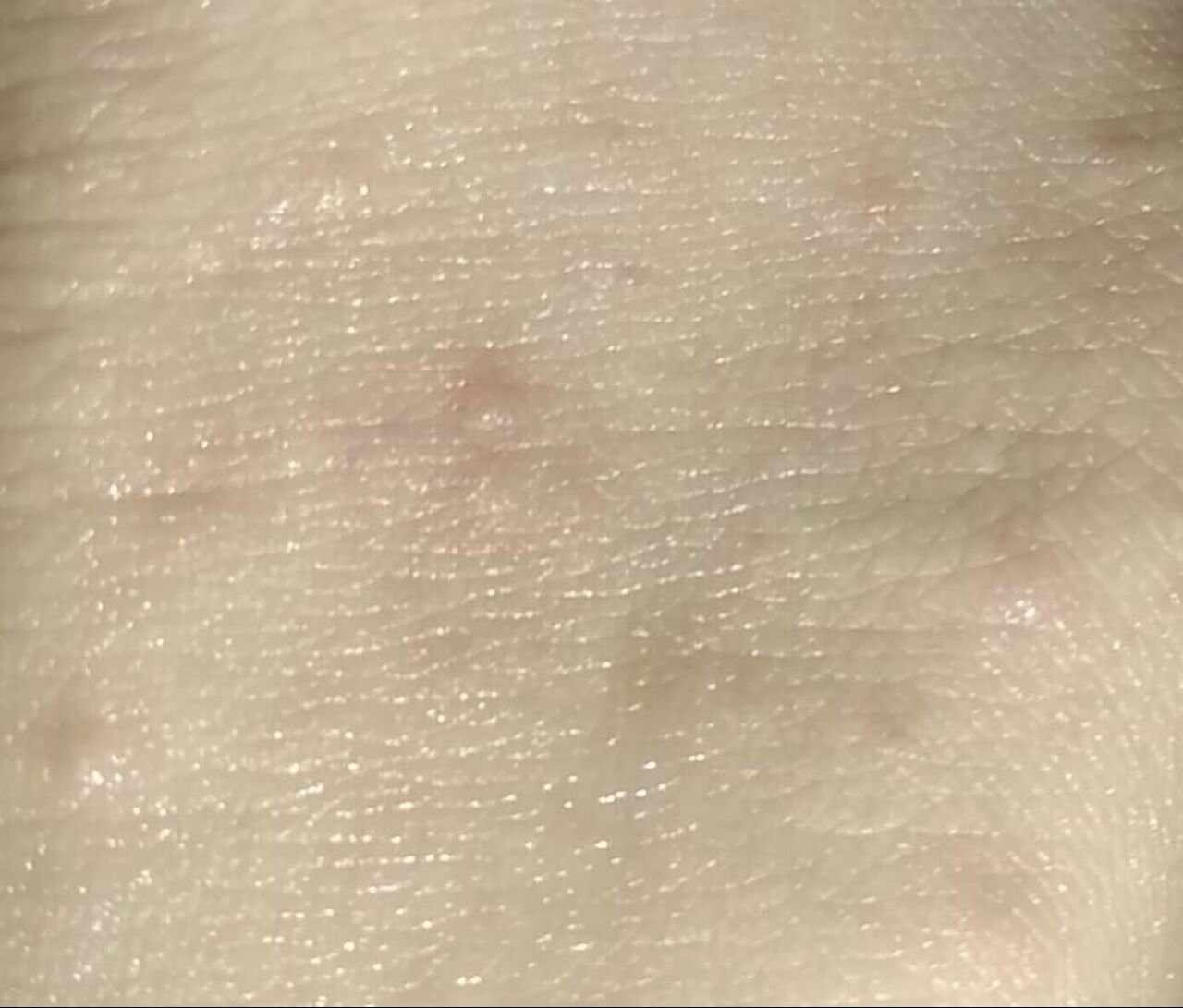
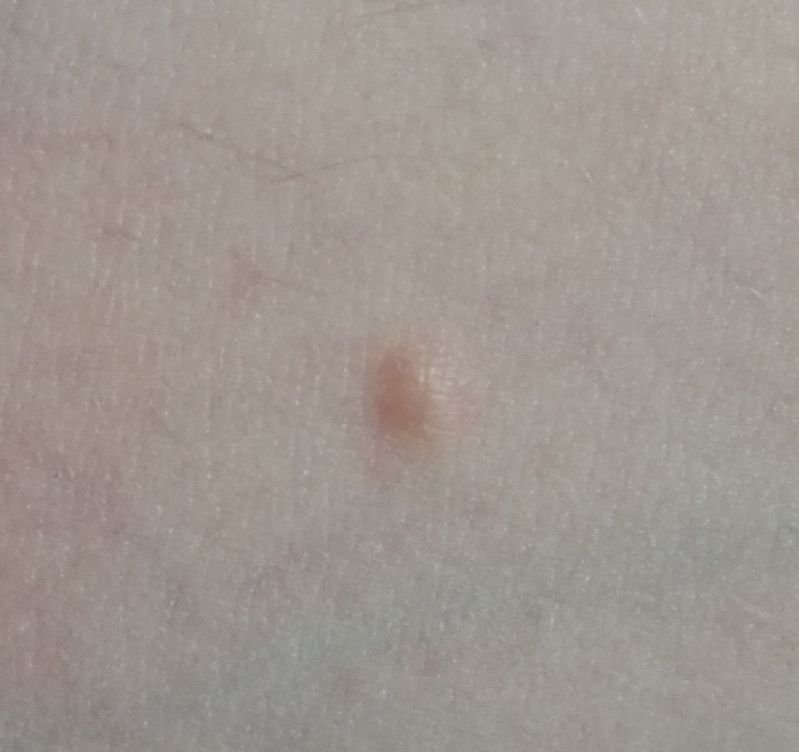
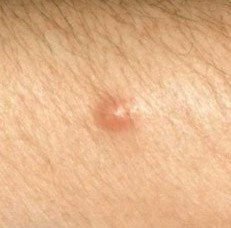
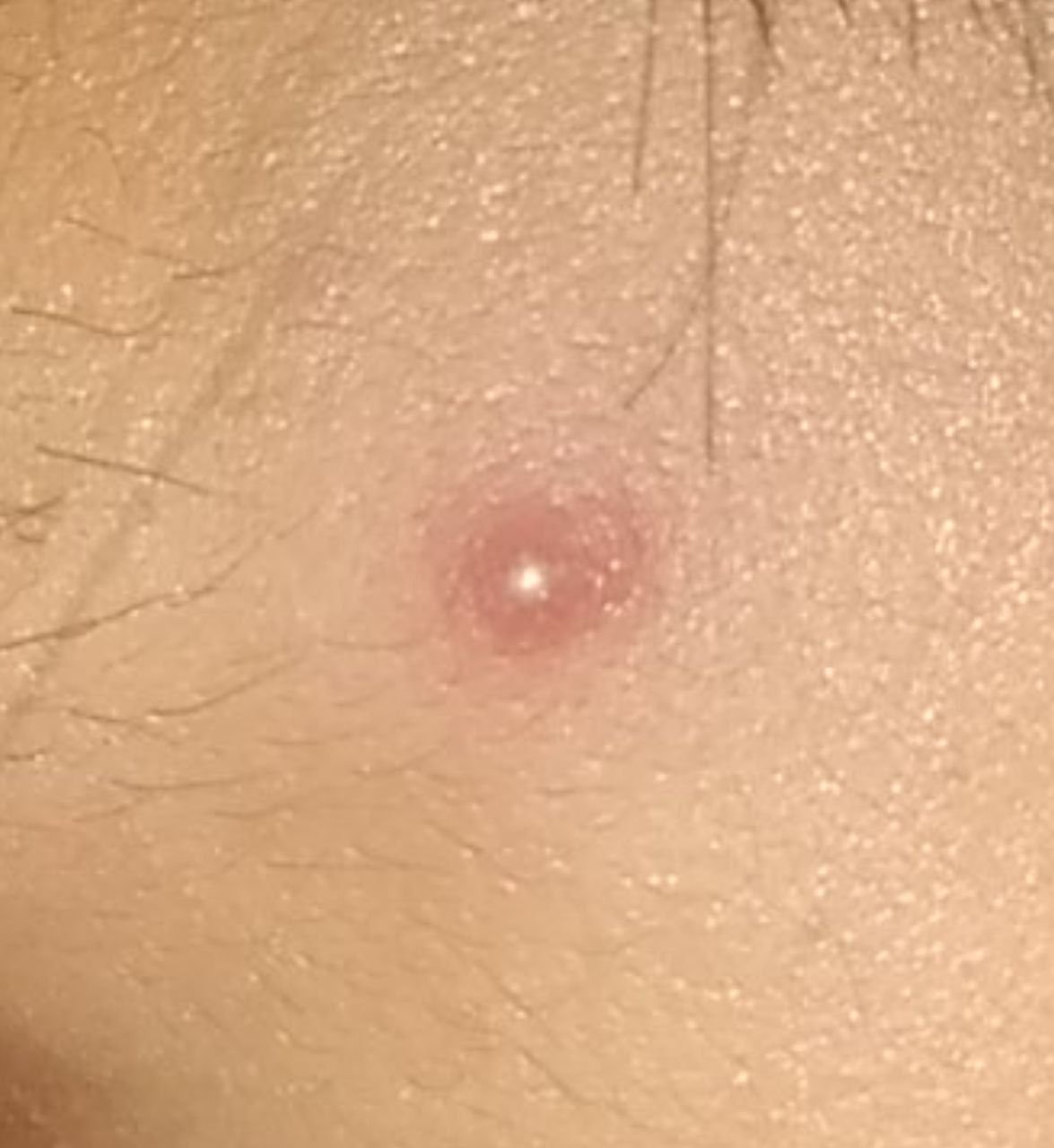
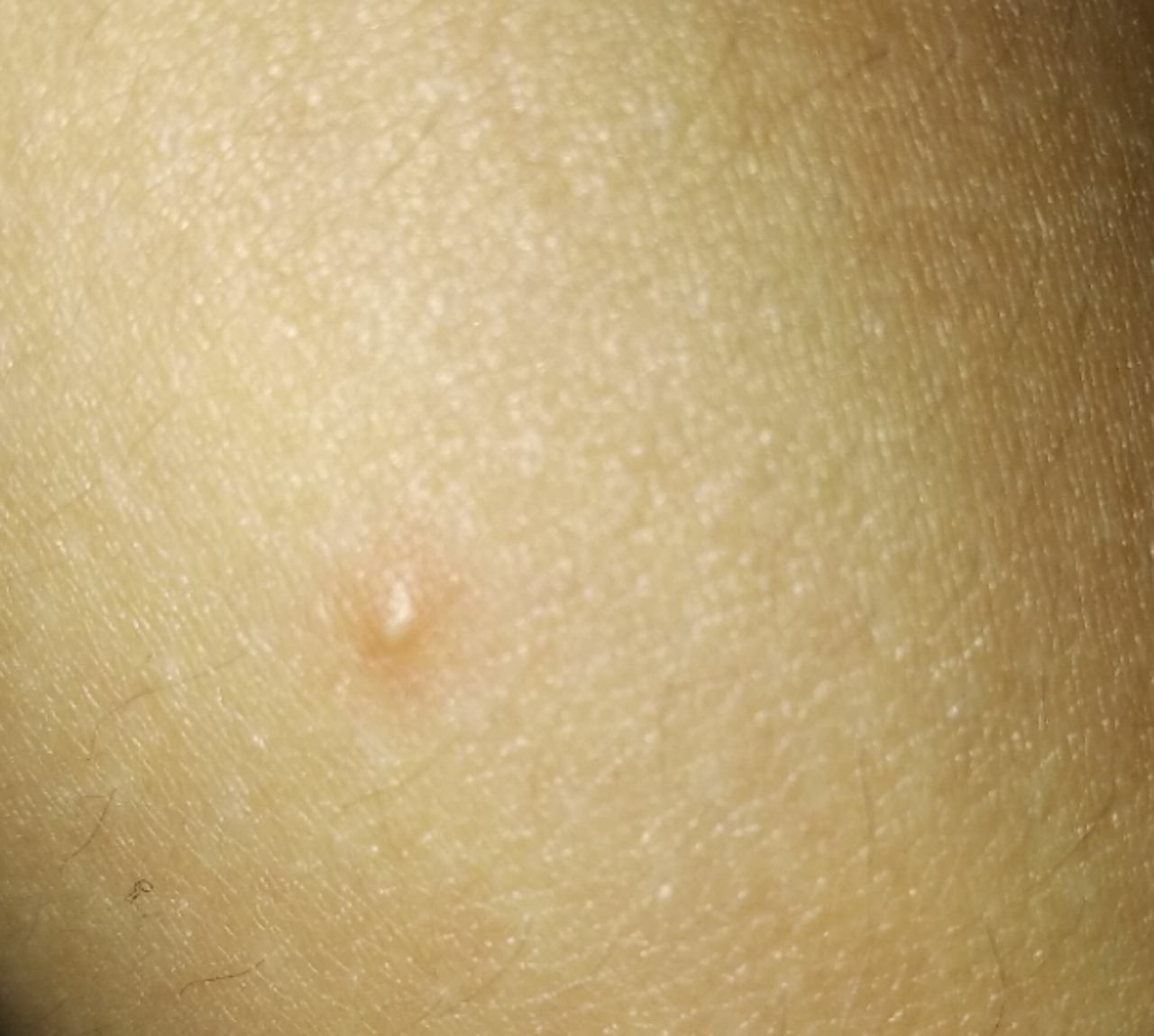
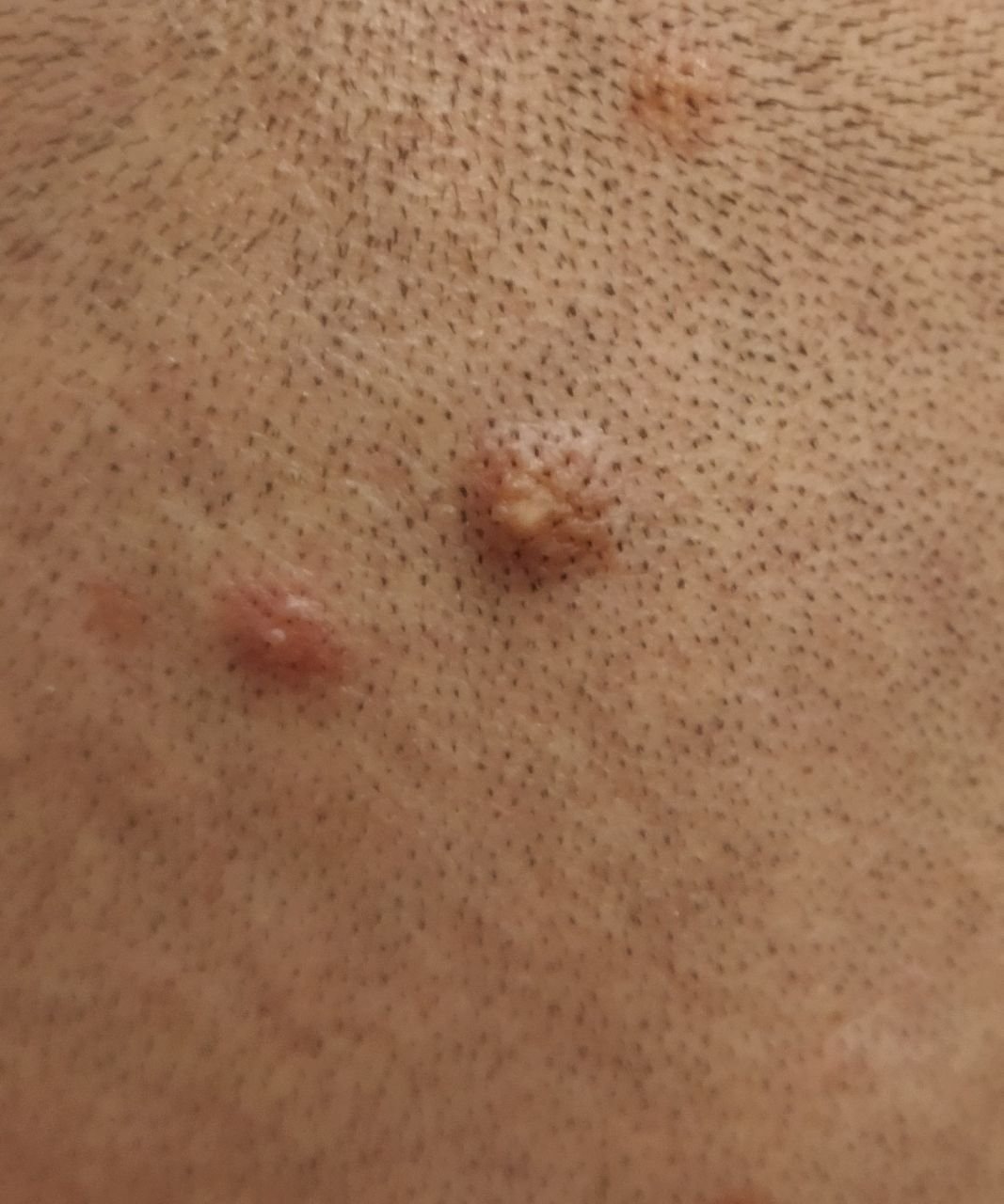
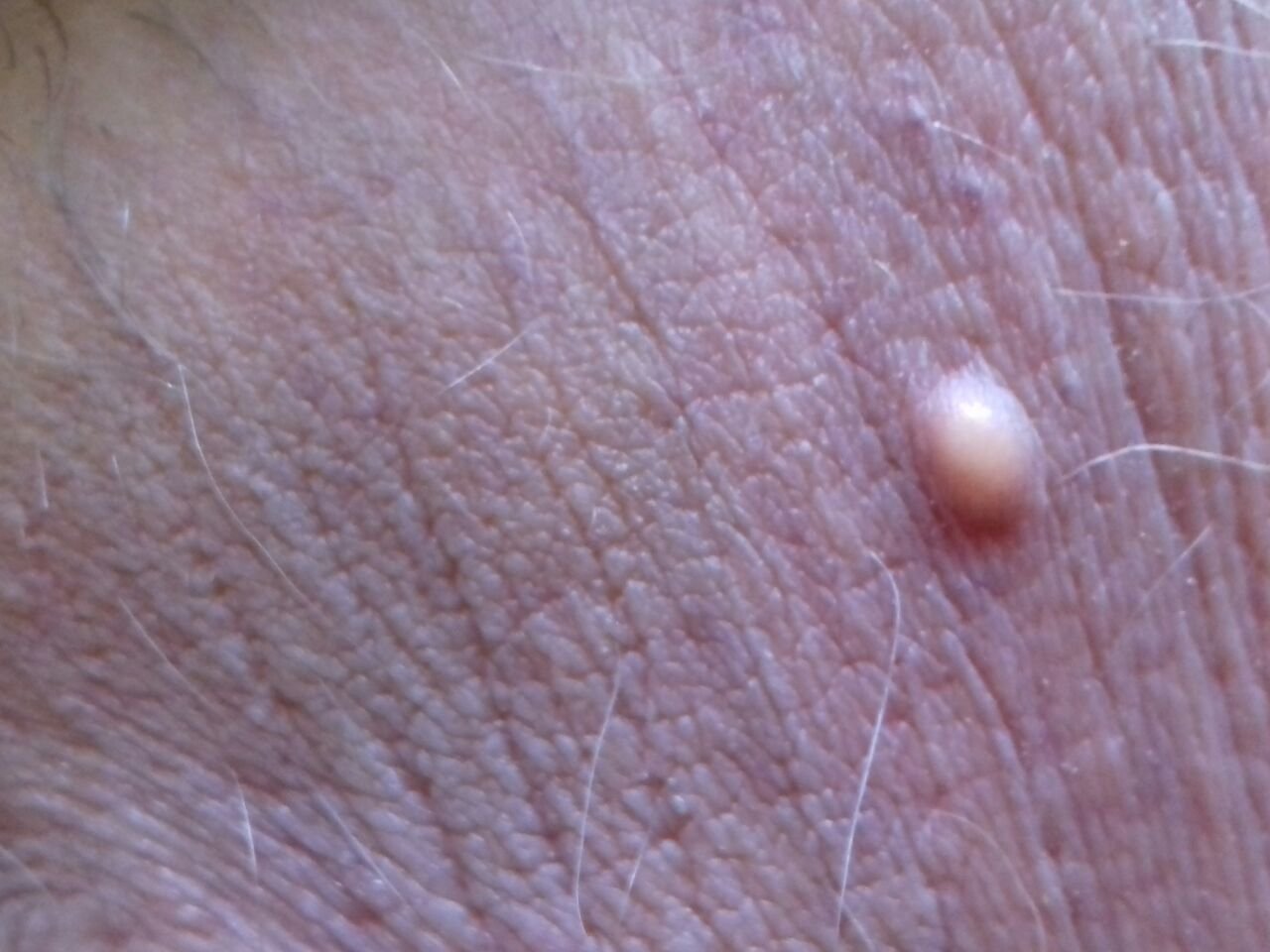
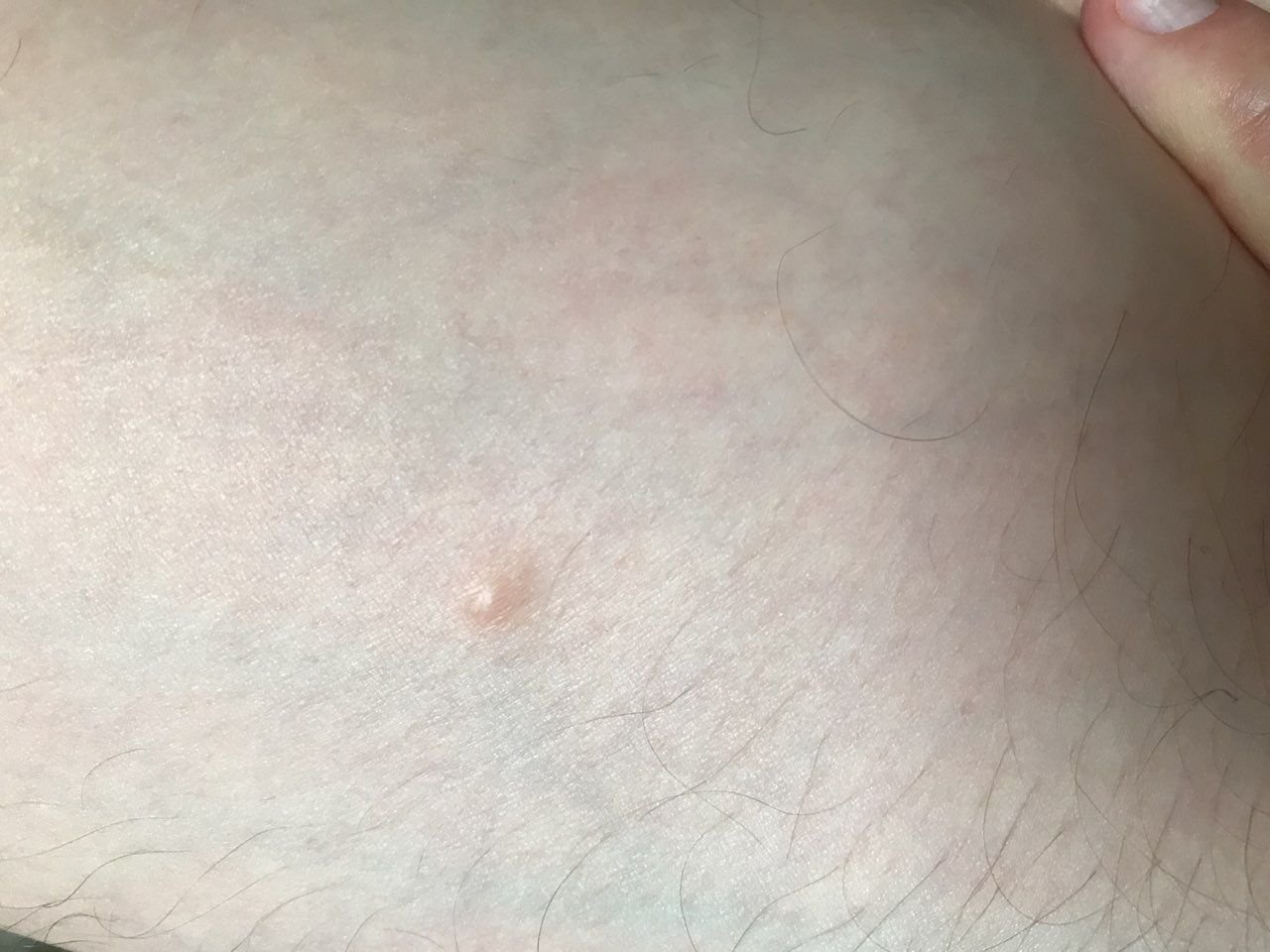
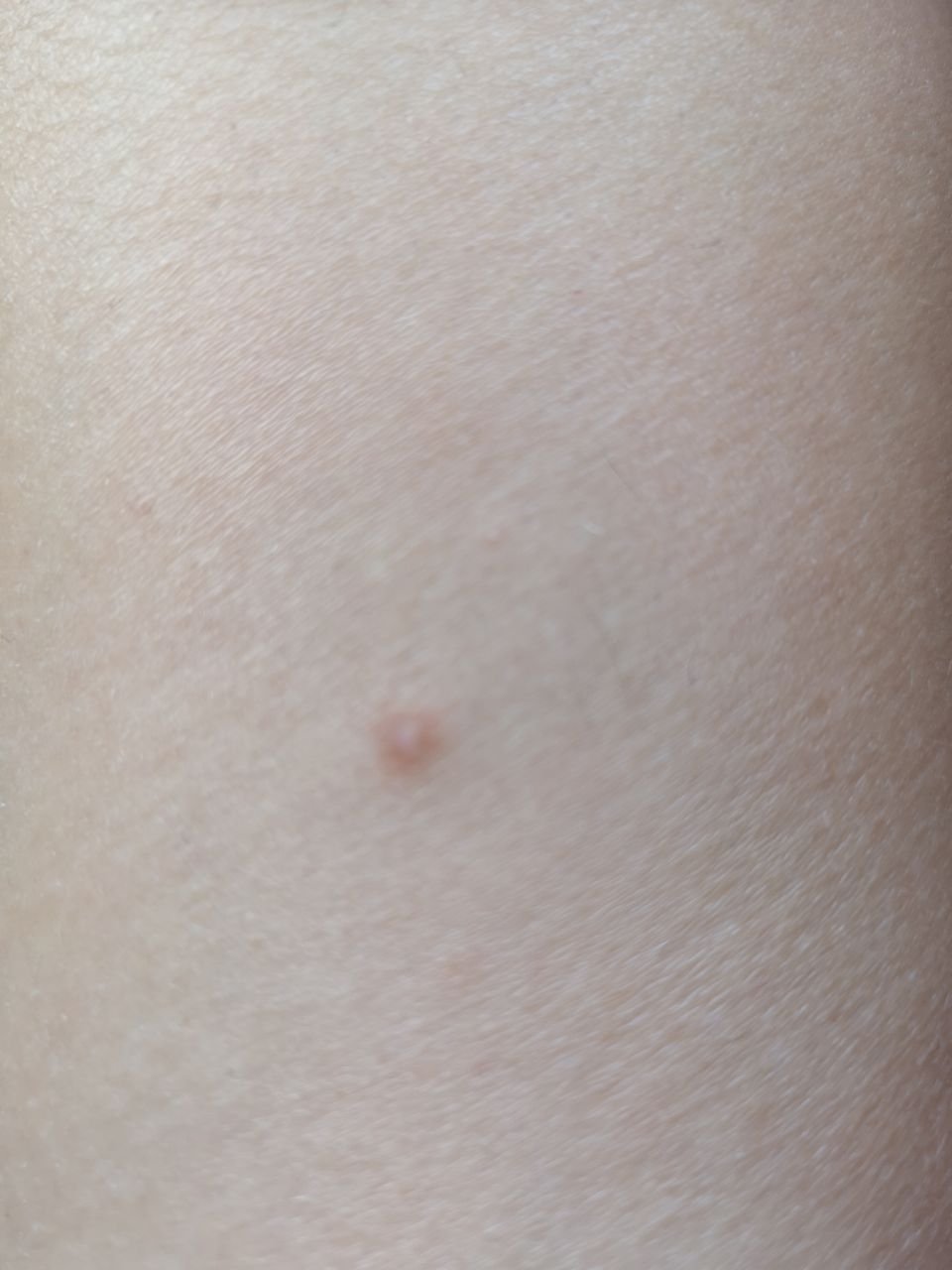
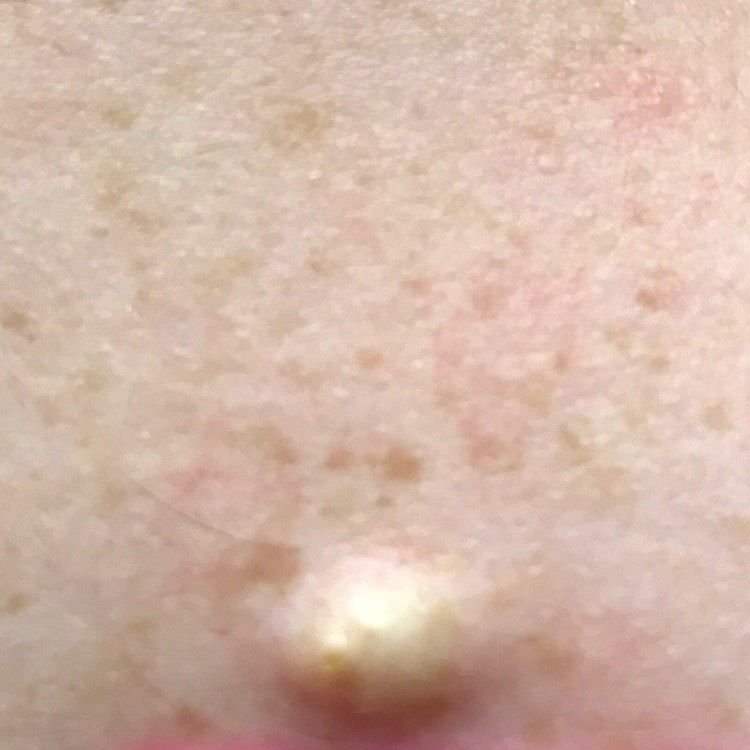
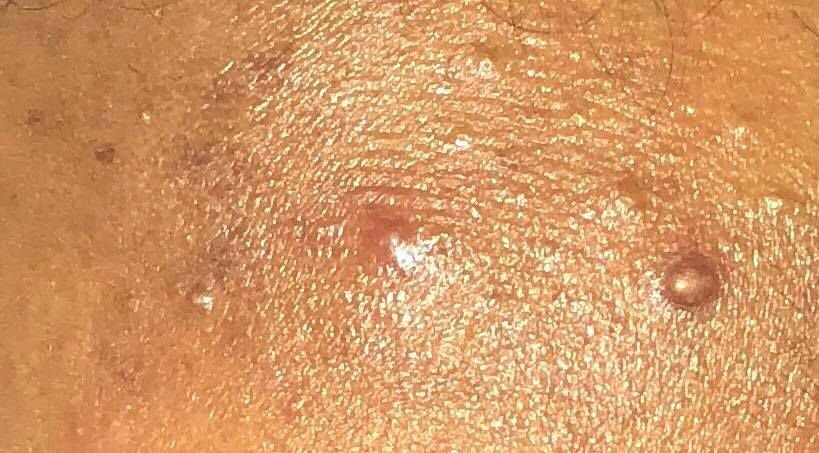
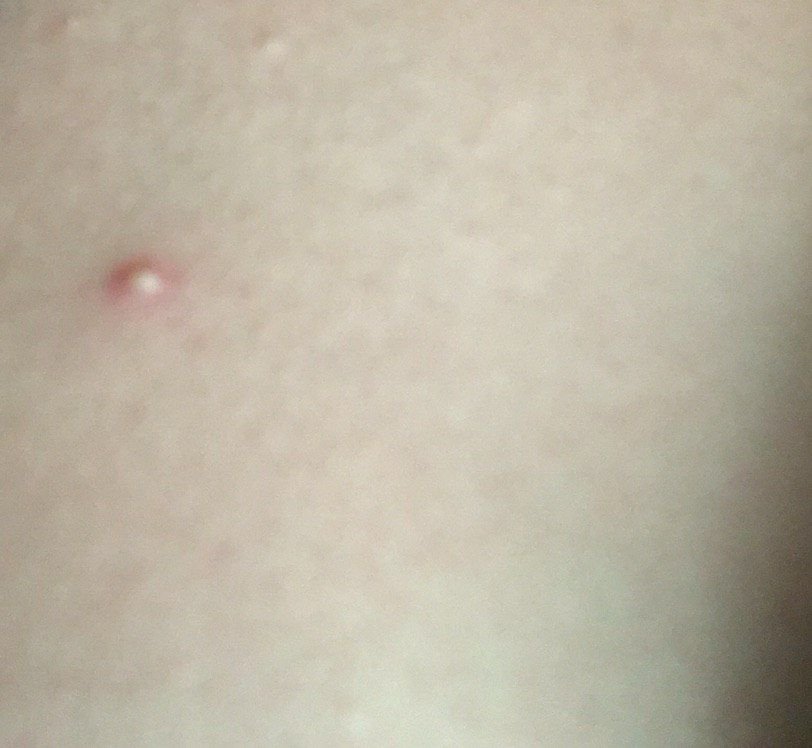
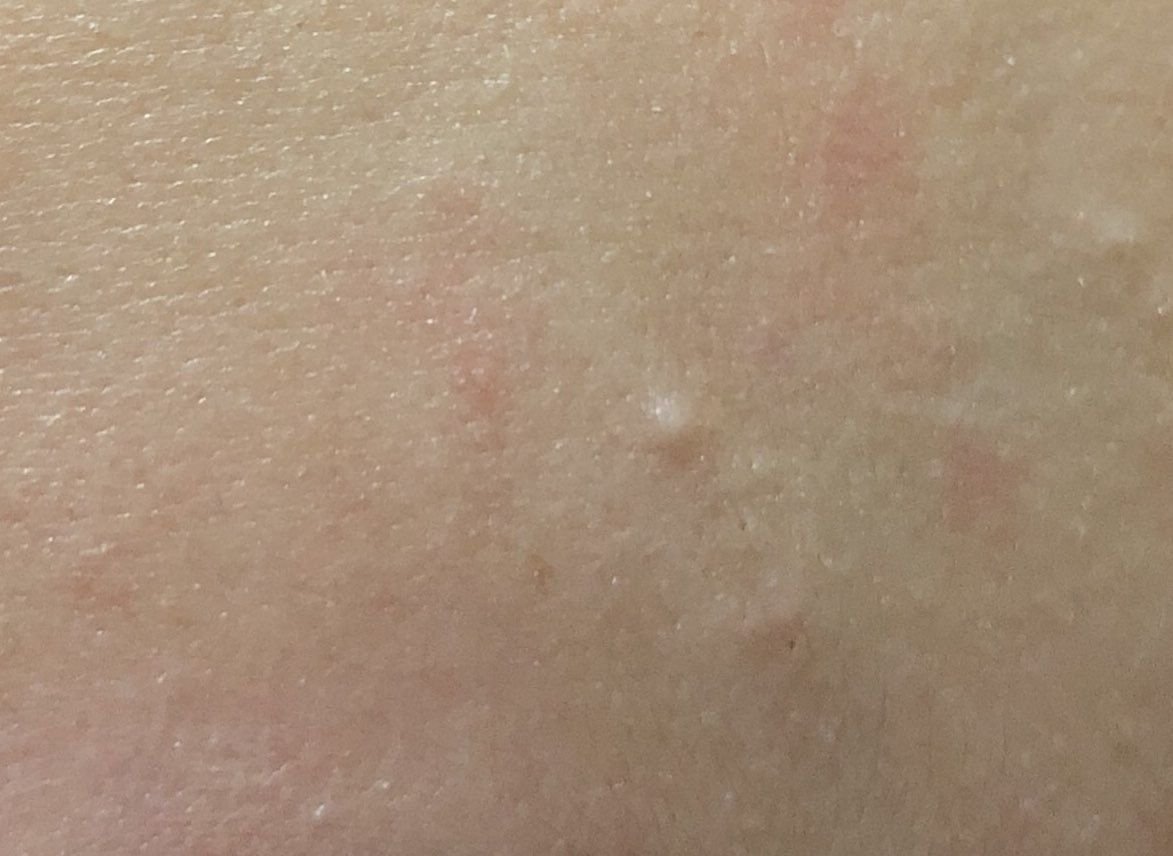
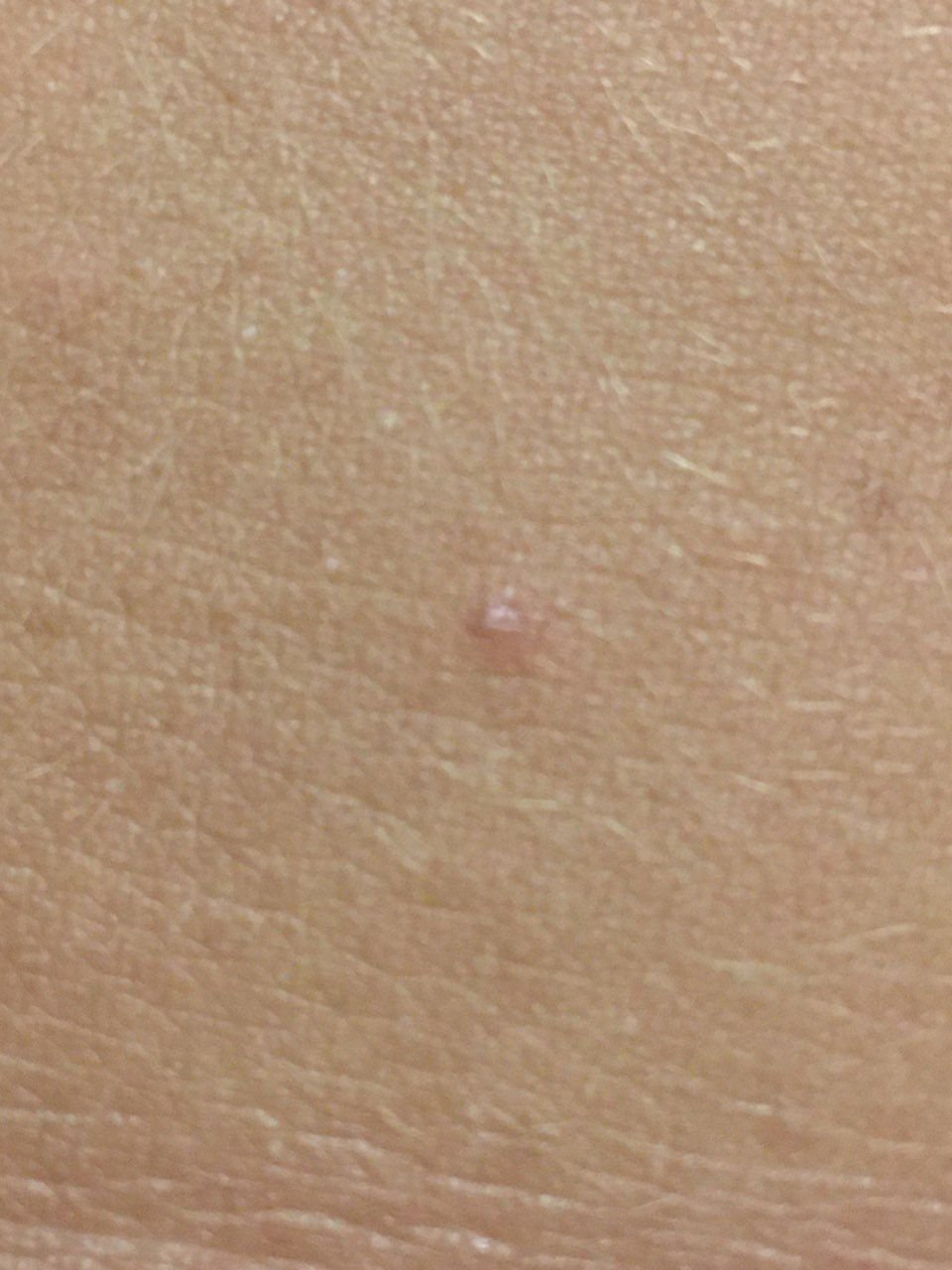
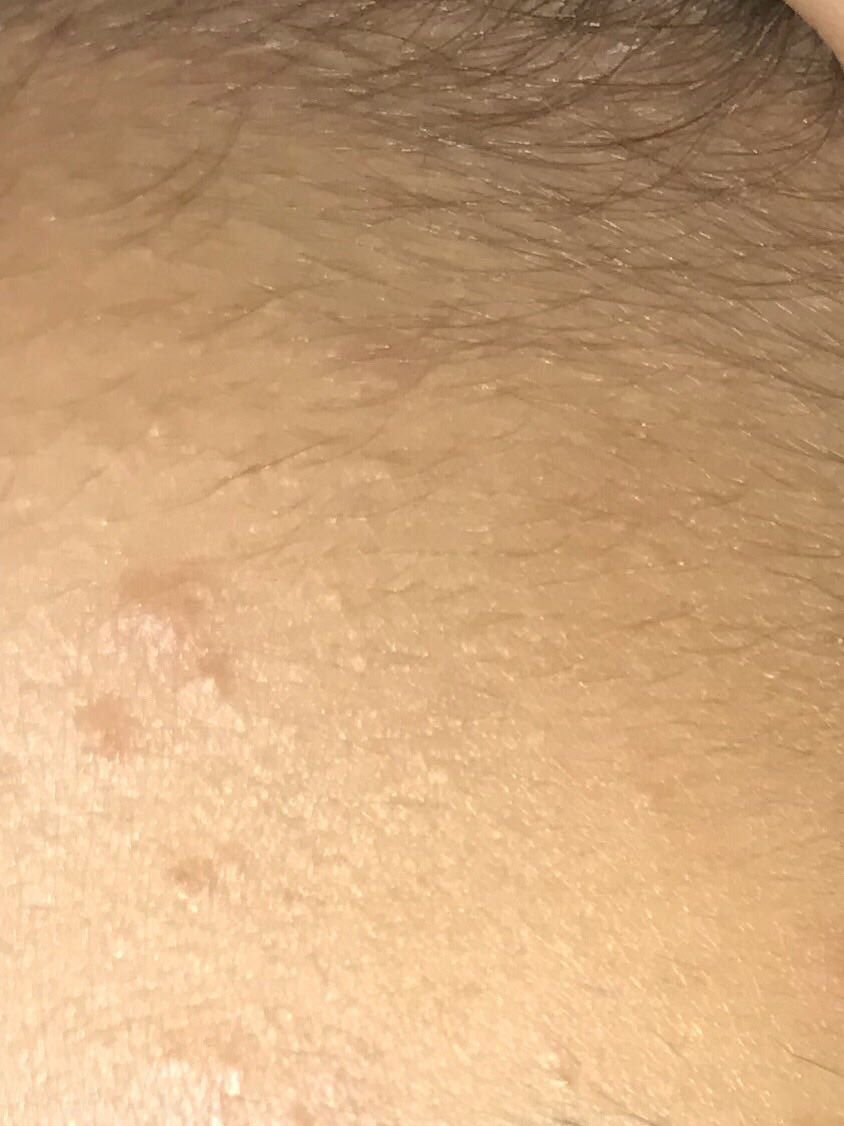
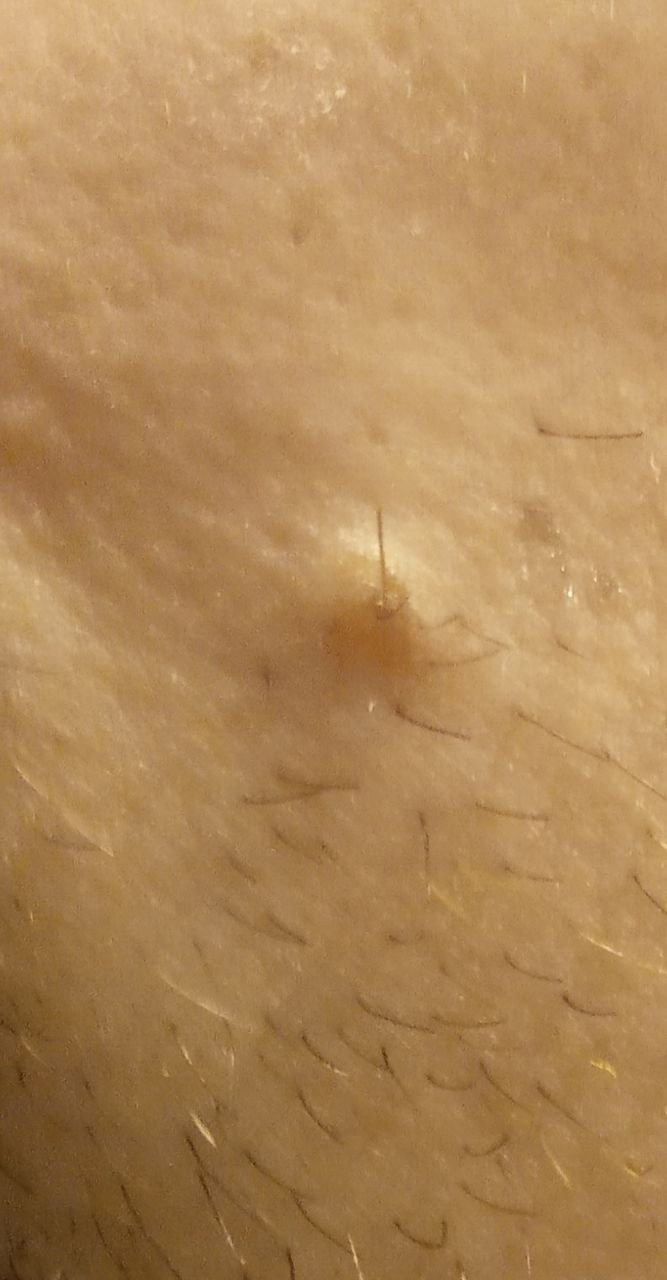
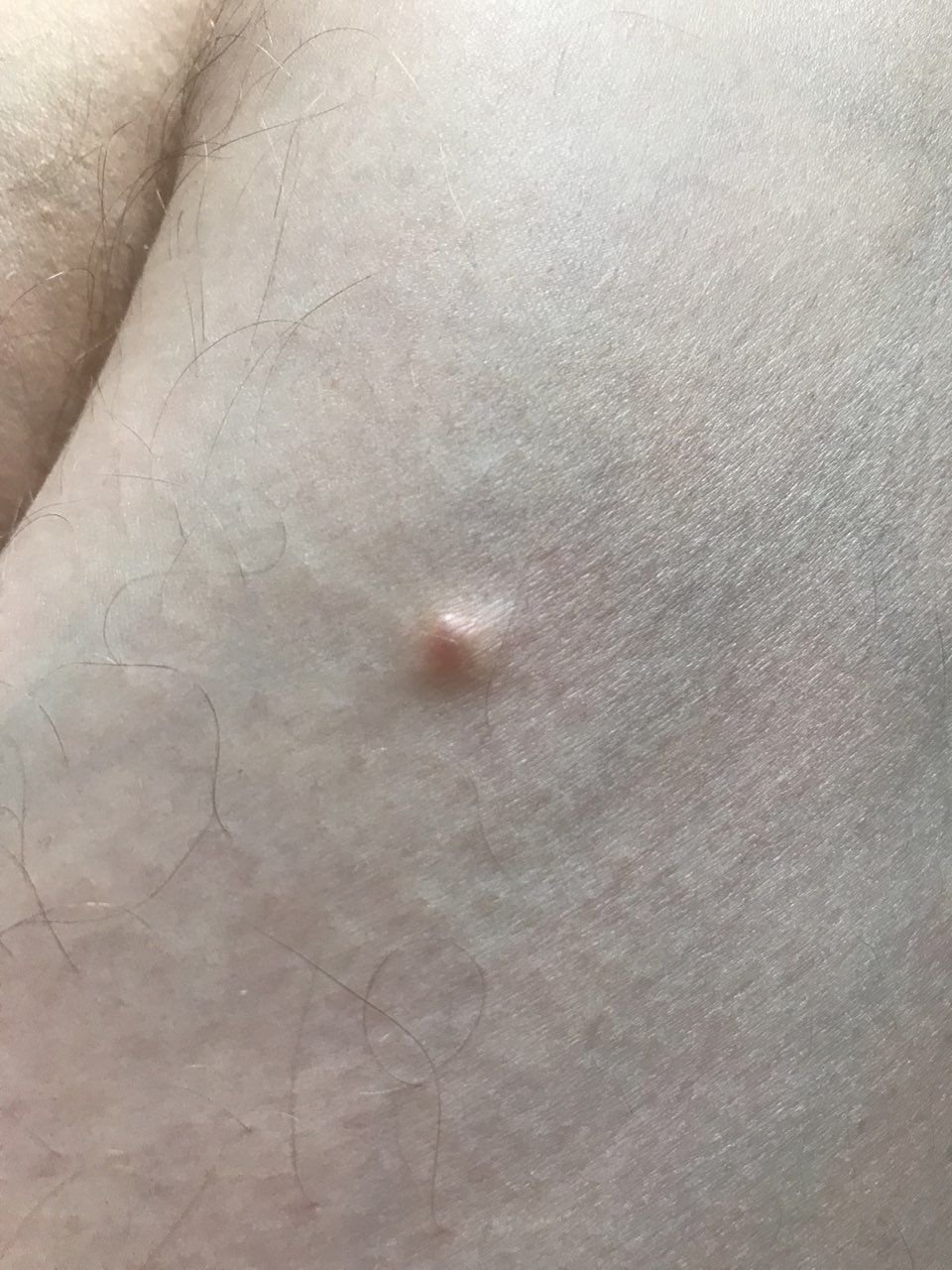
Closed comedones typically present as small, round, or oval skin-colored or slightly pale bumps that protrude just slightly above the skin’s surface. These lesions are often uniform in shape and may be symmetrically distributed across affected areas. Common sites of involvement include the forehead, temples, cheeks, chin, upper back, neck, and chest. Less commonly, they may appear on the arms or thighs, especially in individuals with comedogenic product use or friction from tight clothing.
On palpation, closed comedones feel like firm, intradermal nodules with no fluctuation or pain. They are not tender unless secondarily infected or irritated. In contrast to inflammatory acne, closed comedones are not red, warm, or painful to the touch. The surface of the lesion is usually smooth, although very large comedones may distort the skin’s texture slightly.
Hair does not typically grow from the center of the lesion, though hair follicles adjacent to the comedone may be visible. The skin overlying the lesion is usually of normal thickness, although in larger cyst-like comedones, the center may appear slightly translucent, with a faint whitish hue due to the trapped sebum beneath the skin.
Dermatoscopic Description
Dermatoscopic evaluation of closed comedones reveals a set of hallmark features that help differentiate them from similar dermatologic conditions. These include:
- Whitish or yellowish central zone: Representing the accumulated keratin and sebum within the blocked follicle.
- Intact and smooth epidermis: The surface typically lacks any scaling, vascular changes, or pigment irregularities.
- Fuzzy transition zone: The border between the comedone and adjacent healthy skin is indistinct due to the seamless skin covering.
- Compression sign: Upon gentle pressure, the dome of the comedone may flatten slightly, indicating the pliability of the content beneath the epidermis.
Differential Diagnosis: Conditions to Rule Out
While closed comedones are easy to identify in most cases, dermatologists must differentiate them from several other benign and malignant conditions. The following diagnoses are often considered:
- Open comedones: Easily distinguished by the presence of a central black plug and the open nature of the follicular opening.
- Acne vulgaris: When comedones are accompanied by papules, pustules, or cysts, it may be part of a broader acne spectrum.
- Milia: Small, white, keratin-filled cysts that are superficially located and may resemble closed comedones.
- Papilloma or sebaceous nevus: These benign skin growths may present with dome-shaped elevations but typically have a rougher or irregular surface.
- Molluscum contagiosum: Viral lesions with central umbilication, often mistaken for comedones by non-specialists.
- Basal cell carcinoma (nodular type): Firm nodules in adults that may resemble comedones but typically present with telangiectasia or central ulceration.
- Amelanotic melanoma: A rare but critical consideration in nodular lesions lacking pigment; biopsy is warranted when clinical suspicion arises.
Risks: Why Closed Comedones Should Not Be Ignored
Closed comedones do not represent a medical emergency, and in most cases they are simply comedonal acne rather than a sign of disease elsewhere in the body. Endocrine or laboratory evaluation is not routinely required; it is considered only when the history suggests an underlying hormonal disorder—for example rapid onset with irregular periods, excess hair growth, or virilization.
Cosmetically, a cluster of comedones in visible areas such as the face or jawline can significantly affect a person’s self-esteem, social behavior, and emotional well-being. If left untreated or handled improperly, closed comedones may develop into inflammatory acne lesions such as pustules, nodules, or cysts, which are more difficult to treat and more likely to result in permanent scarring or pigmentation disorders.
Comedones that are numerous or resistant usually call for a review of the topical regimen and of any comedogenic products in use, rather than laboratory testing. Self-treatment—especially squeezing, mechanical extraction, or the use of harsh scrubs and astringents—can aggravate the condition and compromise the skin’s integrity.
Tactics: When and Why to See a Dermatologist
It is essential to seek medical advice if:
- Closed comedones increase in number or fail to resolve over time.
- New symptoms appear—such as tenderness, redness, or growth in size.
- Previous treatments (topical or cosmetic) have proven ineffective.
- The patient is experiencing psychological distress due to the skin’s appearance.
The first dermatological visit involves a full evaluation, dermatoscopic examination, and in some cases laboratory or histological tests. Based on the findings, a personalized treatment plan is developed. Further visits are guided by severity, response to treatment, recurrence, or diagnostic uncertainty rather than being routinely required for uncomplicated comedones.
Treatment: Managing Closed Comedones Safely and Effectively
Not all closed comedones require active treatment. Isolated, asymptomatic lesions that do not cause discomfort or cosmetic concern may resolve spontaneously. When lesions are multiple, persistent, or cosmetically bothersome, a topical retinoid is the mainstay, and many patients are managed on topical therapy alone. Key treatment approaches include:
- Professional extraction: An optional procedural adjunct. Sterile removal by a dermatologist or licensed aesthetician clears stubborn lesions faster, but it does not prevent new ones and does not replace topical therapy.
- Chemical peels: Superficial peels using agents such as salicylic, glycolic, or mandelic acid are an optional adjunct that helps exfoliate the stratum corneum; evidence for routine use in comedonal acne is limited.
- Topical retinoids: First-line therapy for comedonal acne. Adapalene, tretinoin, tazarotene, and trifarotene normalize follicular keratinization, clear existing whiteheads, and prevent new comedones from forming.
- Azelaic acid: Offers both keratolytic and antimicrobial properties, useful in comedone-prone skin with mild inflammation.
- Benzoyl peroxide: A useful addition when inflammatory papules accompany the comedones; topical antibiotics are not routinely indicated here.
Where the history points to a contributing factor, it is worth addressing. That may mean reviewing comedogenic cosmetics, reducing mechanical friction, or investigating hormonal symptoms when these are clinically suggested; dietary change is not an established treatment. Each treatment plan should be adapted to the individual’s skin type, lifestyle, and response to therapy.
Prevention: Long-Term Strategies to Avoid Recurrence
Effective prevention of closed comedones relies on consistent, non-comedogenic skincare and, once treatment has been started, on keeping it up. Recommended practices include:
- Use of non-comedogenic products: Choose cleansers, moisturizers, and sunscreens that are specifically formulated not to block pores.
- Gentle cleansing routines: Wash the face twice daily with a mild, pH-balanced cleanser. Avoid abrasive scrubs and harsh soaps.
- Sun protection: Use a non-comedogenic SPF 30 or higher daily; it limits darkening of post-inflammatory marks.
- Healthy lifestyle: Maintain a balanced diet, manage stress, get adequate sleep, and avoid smoking.
- Review when things change: See a dermatologist again if comedones recur, spread, become inflamed, or stop responding, so the regimen can be adjusted; routine checkups are not otherwise required.
By adopting a proactive, medically guided approach, most individuals can achieve and maintain clear, healthy skin while minimizing the likelihood of comedone formation and progression to more severe acne forms.