
Amy S. Paller, MD, on Winning the Alvin H. Jacobs Award and Pediatric Skin Care Advances
Why this award matters — and why pediatric skin care needs more attention
Amy Paller, MS, MD, a longtime leader in pediatric dermatology, was honored this year with the Alvin H. Jacobs Award. That award comes from the American Academy of Pediatrics (AAP) Section on Dermatology and recognizes major contributions to the care of children’s skin conditions.
Her recognition at the Society for Pediatric Dermatology annual meeting wasn’t just about a career well done. In a conversation at the meeting, Paller talked about the mentor who set her on this path, the people she trained, and the challenges the field still faces — from too few pediatric dermatologists to limited research funding and a need for more treatments for rare genetic and inflammatory skin diseases in children.
How one mentor changed her direction
Paller says the award felt deeply personal because it honors the doctor who inspired her to choose pediatric dermatology. While she was a medical student at Stanford she wanted to work with genetic disorders and planned on pediatrics. A rotation in dermatology opened her eyes: so many genetic conditions show up first on the skin. That connection made the specialty click for her.
At the time, pediatric dermatology was still small. Paller remembers meeting colleagues at the Given Center in Aspen, Colorado — a room for about 150 people. Today the field is much bigger, but that early experience shaped her career. Her mentor also helped arrange further training with Nancy B. Esterly in Chicago, who became her long-term role model.
Paller was also part of starting the AAP section on dermatology in the mid-1980s. She helped set up the group and served as its Secretary of Treasury. So receiving this honor tied back both to the mentor who guided her and to an organization she helped build.
What she’s most proud of
For Paller, the most meaningful part of her work is the people she’s trained. Many of today’s leaders in pediatric dermatology were once her students or colleagues. She finds teaching deeply rewarding — not just because it helps patients, but because it creates lasting professional relationships and helps the field grow.
The biggest gaps in pediatric dermatology
Paller says the field still has major unmet needs. The biggest problem, she explains, is that there aren’t enough pediatric dermatologists. That means long waits for care and unfilled fellowship spots, even though pediatric dermatology is a highly rewarding specialty for physicians.
Research is another area that needs more attention. The Pediatric Dermatology Research Alliance (PeDRA), founded in 2012, has helped expand collaborative research. Still, Paller would like to see pediatric-focused studies grow further so treatments can better meet children’s needs.
What she’s working on now
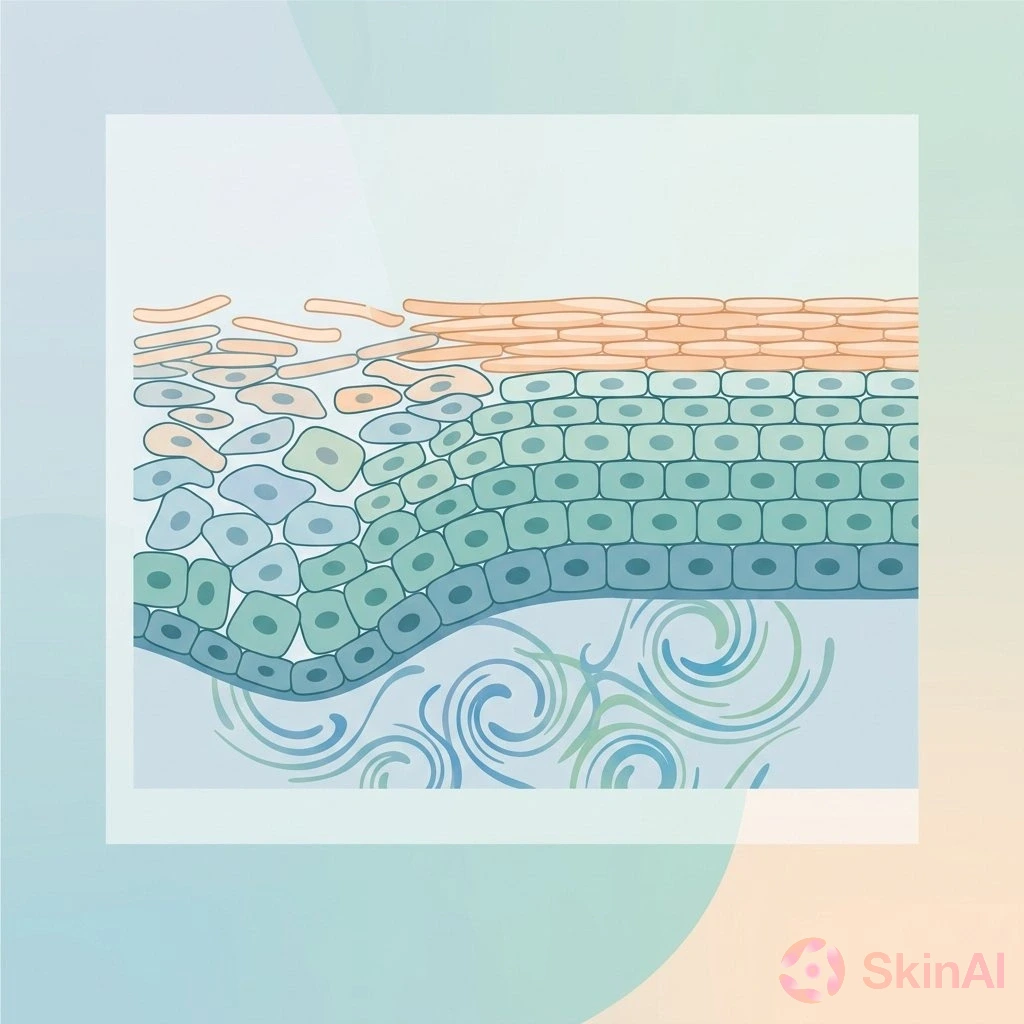
One of Paller’s current priorities is trying to bring federal research funding to pediatric dermatology. Her team applied to the National Institutes of Health (NIH) Rare Diseases Clinical Research Network for work on genetic skin disorders that affect how the outer layer of skin forms and sheds. These include conditions such as ichthyoses (a group of disorders that cause very dry, scaly skin) and palmoplantar keratoderma (thickening of the skin on the palms and soles).
Funding decisions are still pending and government research dollars are tight, so she’s cautiously optimistic. If approved, Paller plans to spend more of her time leading that effort. She’s also involved in work to repurpose existing medicines and to find new treatments for inflammatory and rare genetic skin diseases in children. Repurposing means studying drugs already approved for one condition to see if they may help another.
When to see a pediatric dermatologist
If your child has a persistent rash, severe dry skin, unusual birthmarks, changes in a mole, or skin problems that affect sleep, eating, or daily activities, it’s a good idea to talk with a pediatrician about a referral to a pediatric dermatologist. Also seek prompt care if a lesion bleeds, looks infected, grows quickly, or causes pain.
Keeping an eye on visible changes
For skin concerns that change over time, keeping simple photos or notes can help you and your doctor track progress and spot new developments. Clear photos taken under consistent lighting every few weeks can be useful at appointments.
Short disclaimer
This article summarizes an interview with Amy Paller at the Society for Pediatric Dermatology meeting and is meant to be informational. It is not medical advice. Treatment decisions should always be made with your child’s doctor or a pediatric dermatologist.
Sources
- Interview with Amy Paller, MS, MD — Dermatology Times, at the Society for Pediatric Dermatology Annual Meeting (Minneapolis, July 22–25). (Transcript edited for clarity.)
- Pediatric Dermatology Research Alliance (PeDRA), established 2012 — mentioned in the interview.
- National Institutes of Health (NIH) Rare Diseases Clinical Research Network — mentioned in the interview.