
Beyond Fillers: Expert Tips for Natural, Healthy Skin Aging
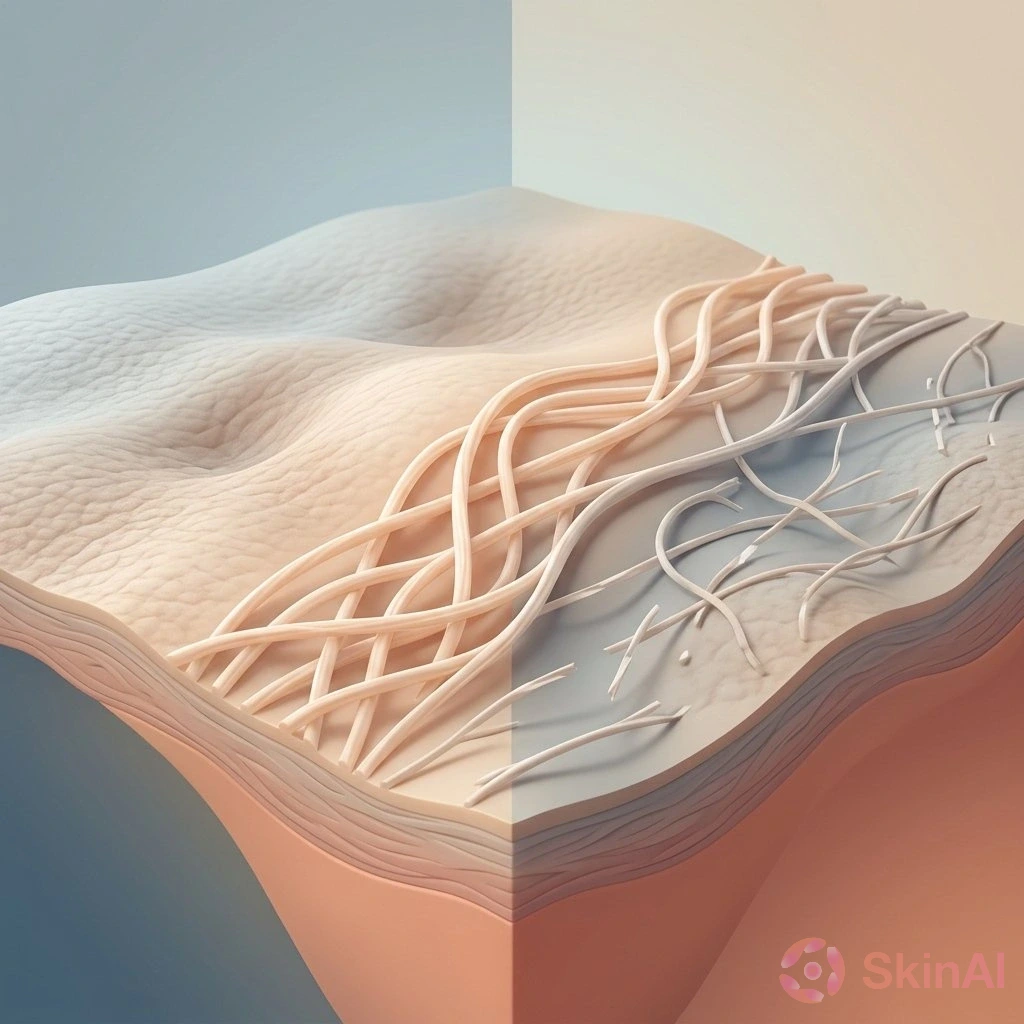
Want a natural, long-lasting look? Focus on skin health, not quick fixes
Many people today want subtle, natural-looking results from cosmetic treatments. Instead of dramatic changes, they’re asking for healthy, refreshed skin that lasts. That’s the message from Shawna Jones, PA-C, who has worked in aesthetic medicine for 19 years (Source: Interview with Shawna Jones, PA-C).
Why one treatment usually isn’t enough
A common misconception among people in their 30s and 40s is that a single type of treatment will stop or reverse aging. One example is the idea that neuromodulators alone are a full anti-aging plan. Neuromodulators are injections that relax facial muscles to soften lines. They can be very effective for movement-related wrinkles, but they don’t address everything that changes as skin ages.
Facial aging involves many things at once: loss of volume under the skin, reduced collagen (which keeps skin firm), thinner skin, sun damage, and color changes like brown spots or persistent redness. Treating only muscle movement leaves other issues unaddressed.
A balanced approach most often works better
Jones says the best results usually come from combining approaches. That might include:
- Volume restoration — fillers or other options to replace lost fullness.
- Collagen-stimulating treatments — methods that encourage your skin to make more collagen over time.
- Improving skin quality with creams and procedures that smooth texture and even tone.
- Addressing pigment changes and redness early, before they get worse.
Putting these pieces together helps create a refreshed look that still feels like you. It’s also important to treat the skin itself, not just add or remove volume.
Daily care really matters
Jones warns against prioritizing injectable procedures while neglecting the basics of skin health. She often tells patients that someone with healthy skin will usually look younger, regardless of how much volume they have. For most people, daily sunscreen use is the single most important habit for skin health.
She also emphasizes medical-grade skincare and retinoids. Retinoids are vitamin A–derived creams or gels that can improve texture, fine lines, and sun-damaged skin. Jones considers retinoids one of the most effective anti-aging tools available, second only to sun protection. Energy-based devices such as lasers and other light-based treatments can also help improve skin quality when used appropriately.
What people think about fillers now
Social media raised concerns in recent years about an overfilled, artificial look. That has shifted patient attitudes. Jones has noticed people are more comfortable with fillers when they are used conservatively and with a clear plan. Better patient education about product choice, placement, and dose helps set expectations and leads to more natural results.
Good care starts with a clear plan
At the start of care, Jones focuses on understanding each person’s goals and motivations. She prefers to give a clear, step-by-step treatment plan rather than listing many options at once. Written instructions after an appointment help patients remember the plan and the aftercare steps.
Where aesthetic medicine is headed
Jones believes the field is moving toward individualized outcomes, prevention, and healthy aging. That means spending more time teaching patients, planning treatments thoughtfully, and setting realistic expectations. The goal, she says, is no longer to look dramatically different but to look healthy, refreshed, and like the best version of yourself (Source: Interview with Shawna Jones, PA-C).
When to see a doctor
Talk with a board-certified dermatologist or qualified aesthetic provider if you have changing moles, new or painful spots, bleeding, signs of infection after a procedure, rapidly growing lumps, or any worrisome skin changes. Also consult a professional before starting new medical treatments for your skin.
Keeping track of changes
It can help to take regular photos of your face in natural light to notice gradual changes. This is a simple way to track results and share clear information with your provider at follow-up visits.
Disclaimer
This article is for information only and is not medical advice. Treatment decisions should be made with a qualified healthcare provider who knows your medical history and skin concerns.
Sources
- Interview with Shawna Jones, PA-C (19 years in aesthetic medicine).