
Brepocitinib Shows Promising Phase 2 Results for Rare Skin Disease
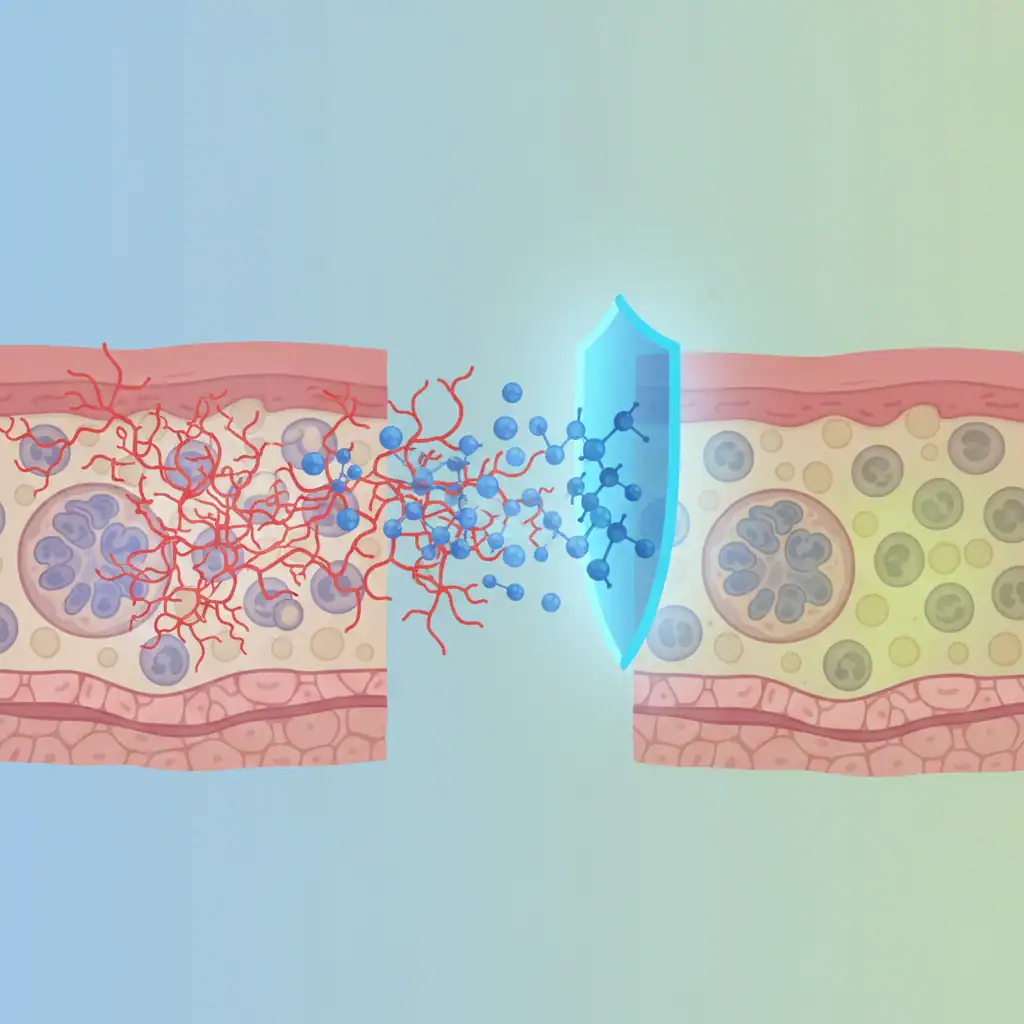
Promising Results from the BEACON Study on Brepocitinib for Cutaneous Sarcoidosis
“Honestly, I was initially skeptical about the data because it looked too impressive to be true,” stated Misha Rosenbach, MD, in an interview regarding recent findings in the field of dermatology. As a professor of dermatology and rheumatology at the Hospital of the University of Pennsylvania, Rosenbach shared insights from the recent phase 2 BEACON study, which assessed the efficacy of brepocitinib, a dual JAK1/TYK2 inhibitor, for treating cutaneous sarcoidosis (CS). He highlighted the impressive safety and efficacy results, noting the absence of a placebo response, which makes the data particularly compelling.
Study Overview and Patient Enrollment
Although the BEACON study included roughly 30 participants—a relatively small sample size by the standards of many dermatological trials—Rosenbach pointed out that it stands out as one of the largest prospective interventional investigations into CS. This condition is rare and frequently underfunded, with no therapies currently approved by the FDA.
Safety Profile of Brepocitinib
The findings concerning safety were notably positive. The baseline characteristics of participants were well-balanced between the placebo and active treatment groups. The incidence of adverse events was low and comparable across the placebo and both doses of brepocitinib (15 mg and 45 mg), with no significant safety issues arising during the study.
Given the often complex health issues that accompany sarcoidosis, demonstrating a favorable safety profile was an essential initial achievement. Rosenbach emphasized that the outcomes related to efficacy were particularly impressive.
Efficacy Outcomes Highlighted
Utilizing the validated Cutaneous Sarcoidosis Activity and Morphology Instrument (CSAMI), which is a trusted clinical scoring tool, both treatment groups achieved mean reductions that exceeded 20 points—an indication of clinically meaningful improvement.
Remarkably, patients receiving the higher dose of 45 mg exhibited particularly significant responses: every participant in this group achieved reductions greater than 10 points, and around two-thirds of these patients reached CSAMI scores below 5, suggesting minimal residual disease.
Comparative Effectiveness Against Placebo
In stark contrast, the placebo group demonstrated minimal responses, resulting in a clear statistical and clinical distinction between the active treatment and the control group. Rosenbach pointed out that the magnitude of improvement, coupled with the lack of a meaningful placebo response, showcases exceptionally “clean” data for a dermatological trial.
Implications for Future Research and Patient Care
The BEACON study not only highlights the efficacy of brepocitinib but also proves that cutaneous sarcoidosis can be effectively studied using validated outcome measures. Furthermore, it demonstrates that diverse patient populations, which have historically been underrepresented in clinical trials, can be successfully included in research.
For the dermatology community, BEACON serves as a compelling proof of concept that targeted therapies have the potential to significantly alter disease activity in cutaneous sarcoidosis. For patients, this study represents a beacon of hope for therapeutic advancements in a condition that has traditionally been managed with off-label immunosuppressants or systemic corticosteroids.
Looking Ahead: Future Studies
As ongoing and upcoming phase 3 studies aim to clarify the long-term safety, durability of response, and optimal dosing of brepocitinib, even at this preliminary stage, it signifies a substantial step forward in addressing a considerable unmet medical need.
“I’m genuinely thrilled that we now have something on the horizon that could bring hope to patients who have been profoundly affected by this neglected disease, which now shows promise,” concluded Rosenbach.
Sources
- Rosenbach, M., et al., BEACON Study, Hospital of the University of Pennsylvania.
- FDA guidelines on rare diseases and approved therapies.
- Clinical research standards for dermatology trials.