
Clascoterone 5% Topical Solution Shows Safe, Effective Results for Male Hair Loss
Why this matters
If you’re worried about thinning hair or a receding hairline, new long-term data on an experimental topical medicine called clascoterone 5% solution may be of interest. A dermatologist who reviewed 12-month results says the treatment looks promising for safety and continued benefit, but it’s still under study and not yet an approved option for male pattern hair loss.
A quick summary of the 12-month results
According to an interview with Joshua Zeichner, MD, associate professor of dermatology at Mount Sinai Hospital, phase 3 data collected over a year showed that people using clascoterone 5% on the scalp had a safety and tolerability profile similar to those using a placebo solution (vehicle). No significant hormone-related side effects were reported during the study period (Source: Interview with Joshua Zeichner, MD).
On the question of effectiveness, people who used the medication continuously had a 2.39% increase from their starting hair density in the area measured at 12 months, which suggests continued improvement with ongoing use (Source: Interview with Joshua Zeichner, MD).
How clascoterone works — in plain language
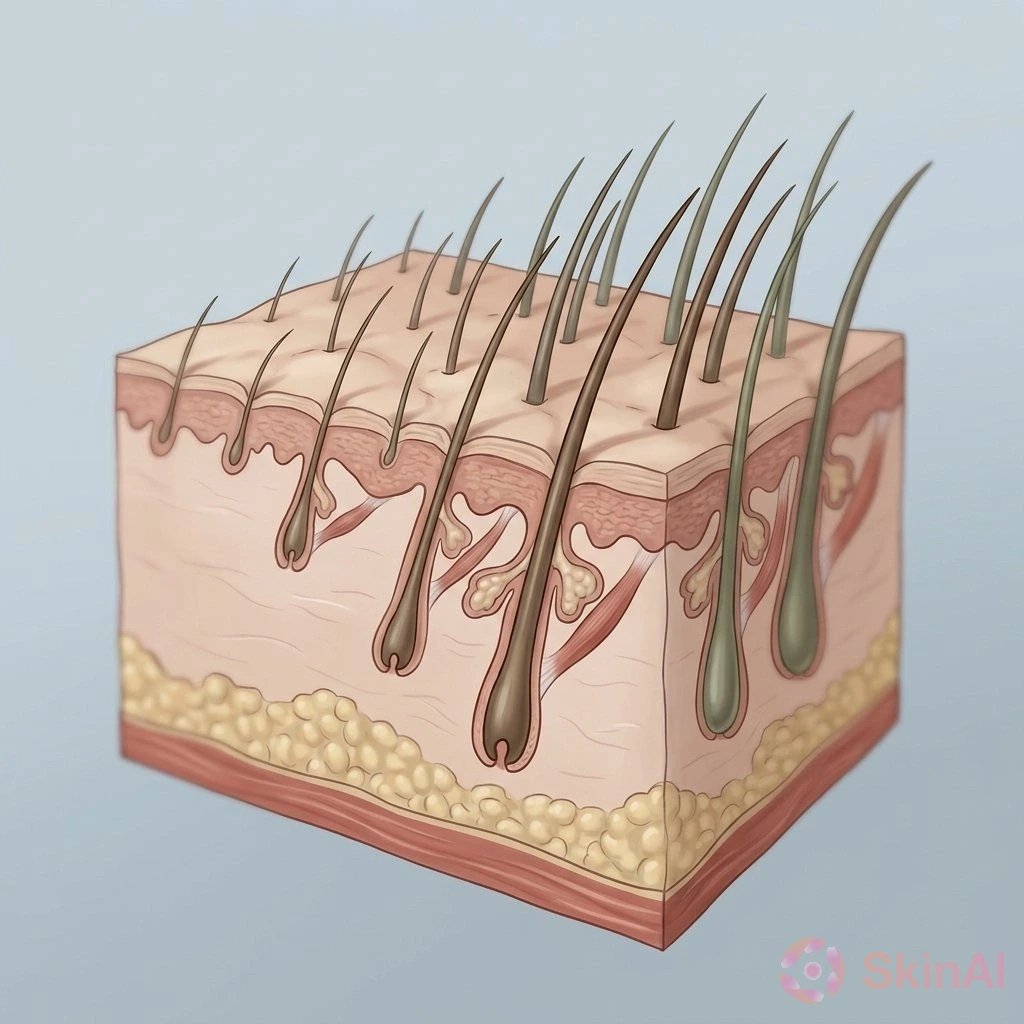
Clascoterone is a topical drug that blocks androgen receptors in the skin. Androgens are male hormones, and one of them — dihydrotestosterone (DHT) — can attach to receptors in hair follicles and trigger a process called follicular miniaturization. That’s the gradual shrinking of hair follicles that leads to thinner hair and baldness over time.
By stopping DHT from activating those receptors in the scalp, clascoterone aims to interrupt the signals that cause follicles to shrink. Because it is applied to the skin rather than taken by mouth, the idea is to target the hair follicles directly while keeping systemic exposure low.
Formulations and how this differs from the acne treatment
Clascoterone is already available as a 1% cream for acne. In acne, it works by blocking androgen receptors in the oil-producing glands, which can reduce oiliness and inflammation.
The product studied for male pattern hair loss is a stronger, 5% solution meant for rubbing into the scalp. The higher concentration and the scalp formulation are designed specifically to affect hair follicles.
What the safety data mean
A key point from the 12-month data is that no significant hormone-related adverse effects were seen. That fits with earlier studies showing the drug has minimal absorption into the bloodstream, which is important for any medicine that targets hormone signaling.
Still, longer and larger studies plus regulatory review will be needed to fully understand safety over time and in broader groups of people.
Could this become a standard treatment?
Because clascoterone targets the hormonal pathway that helps cause follicle shrinkage and it’s applied directly to the scalp, it has the potential to be an important option for people with male pattern hair loss. The expert who reviewed the data suggested it could become a foundational treatment if further studies confirm effectiveness and safety without systemic hormone side effects (Source: Interview with Joshua Zeichner, MD).
Keep in mind that “promising” does not mean the drug is a guaranteed fix. More research and formal regulatory approval are still required before doctors can prescribe it for hair loss.
Tracking visible changes
If you’re monitoring thinning hair, taking photos of the same area every few months and noting any changes can help you and your dermatologist see whether a treatment is making a difference.
When to talk with a doctor
If you’re concerned about hair loss, ask your primary care doctor or a dermatologist. They can help determine whether your hair loss is male pattern hair loss or something else, discuss treatment options, and decide whether a clinical trial or a new medication might be appropriate for you.
If you notice sudden or patchy hair loss, bleeding, severe scalp pain, signs of infection, or any fast changes in a mole or lesion, seek medical care promptly.
Disclaimer
This article summarizes expert comments and 12-month phase 3 study findings discussed by Joshua Zeichner, MD. It is for informational purposes and is not medical advice. Treatment decisions should be made with your healthcare provider.
Sources
- Interview with Joshua Zeichner, MD, associate professor of dermatology, Mount Sinai Hospital (discussion of 12-month Phase 3 data for clascoterone 5% solution).