
Codex Labs Wins US Patents for Steroid-Free Eczema Treatment Tech
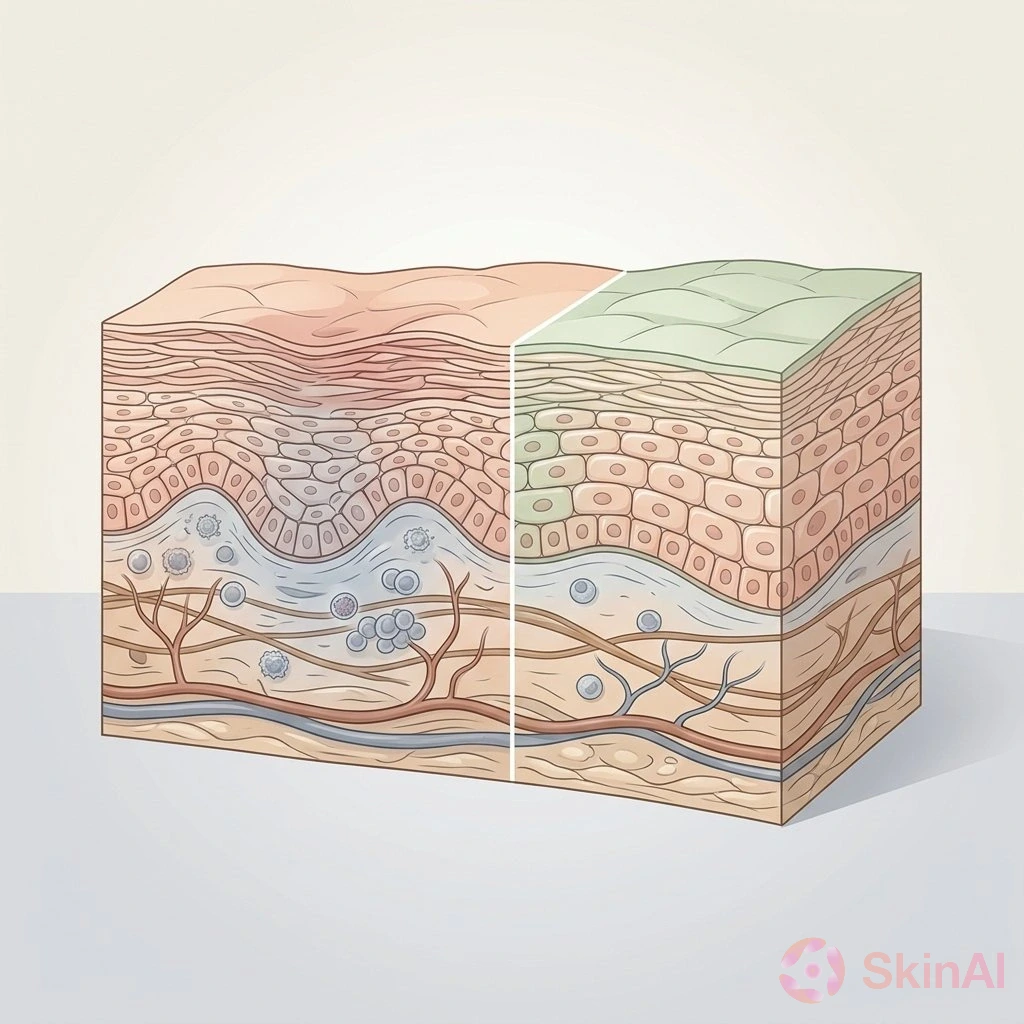
New patent-backed eczema approach aims to help people without relying on steroid creams
Eczema, also called atopic dermatitis, can be itchy, uncomfortable, and hard to manage. Many people rely on steroid creams for relief, but long-term use can bring worry about thinning skin and limits on how often you can use them.
Recently, Codex Labs announced it has received two U.S. patents for its BiaComplex eczema technology for adults with atopic dermatitis. The patents are backed by two peer‑reviewed clinical studies published in the Journal of Integrative Dermatology that reported large improvements in eczema symptoms without using topical steroids during the trials (Source: Codex Labs press release; Paldus et al., JOID).
In simple terms: what this means
BiaComplex is a set of formulations used in Codex’s Bia and Antü product lines. The products are designed to help the skin’s barrier and encourage production of filaggrin, a protein that helps keep skin strong and hydrated and is often low in eczema-prone skin.
The approach combines creams and soap applied to the skin with an oral supplement intended to support the skin from the inside out. The company says their work focuses on repairing the skin barrier and being mindful of the skin’s microbiome (the community of friendly microbes that live on skin) (Source: Codex Labs press release).
Key study results
Both studies were open-label, meaning participants knew what treatment they were using and there was no placebo group. Neither study allowed topical corticosteroids (steroid creams) during the treatment period.
First study (topical regimen only):
- Conducted in Poland by Eurofins Dermscan/Pharmascan on adults with mild to moderate eczema using Bia Eczema Relief Lotion plus Bia Unscented Soap for 8 weeks.
- Reported a 99% reduction in total SCORAD (a standard score used to measure eczema severity). The mean starting SCORAD was 29.8. No topical steroids were used (Source: Paldus et al., JOID).
- Other findings: a 78% increase in skin hydration in affected areas, a 40% drop in transepidermal water loss (a measure of how much moisture the skin is losing), and itch resolved in 79% of participants by week 8 (Source: Paldus et al., JOID).
Second study (topicals plus oral supplement):
- Thirty-five adults with moderate eczema used the same topical routine plus the Antü Skin Barrier Support Supplement, described as an antioxidant-enhanced L‑histidine formulation, for 8 weeks.
- Results included a 93% reduction in total SCORAD and a 97% reduction in pruritus (itch). Skin hydration increased by 117%, and 91% of participants reported complete resolution of itch by week 8. No topical steroids were used during the study (Source: Paldus et al., JOID).
Patents and product approvals
The two U.S. patents cover the compositions and treatment methods behind BiaComplex and BiaComplex 2.0, which form the basis of the Bia and Antü lines. The patents were granted as US Patent No. 12,458,675 (November 2025) and US Patent No. 12,605,417 (April 2026) (Source: Codex Labs press release).
In April 2025, the Bia Eczema Relief Lotion received the National Eczema Association Seal of Acceptance and a Microbiome-Friendly Certification from MyMicrobiome. Codex reports the Bia line is approved for use in infants as young as 3 weeks old (Source: Codex Labs press release).
Why filaggrin and the skin barrier matter
Filaggrin helps form the outer layer of skin and keeps it hydrated and resilient. People with eczema often have less filaggrin, which can make the skin barrier weaker. A fragile barrier lets moisture escape and irritants in, which can lead to dryness, redness, and itch.
Codex’s approach focuses on boosting filaggrin and supporting barrier repair, while also being mindful of the skin’s microbiome. The idea is to treat the skin’s structure and function, not only the symptoms.
What experts and company leaders say
Barbara Paldus, PhD, founder and CEO of Codex Labs, said the patents and clinical results reflect years of work to address eczema at its biological root and to provide options beyond steroid use (Source: Codex Labs press release).
Peter Lio, MD, clinical assistant professor of dermatology at Northwestern University and co-author on the published studies, noted that many families want steroid‑sparring ways to support eczema-prone skin and highlighted the focus on filaggrin, barrier repair, and microbiome-conscious care (Source: Codex Labs press release).
When to see a doctor
If your eczema is severe, keeps getting worse, covers large areas of the body, or affects sleep and daily life, it’s a good idea to see a healthcare provider or dermatologist. They can suggest treatments that are safe and appropriate for your situation.
If you’re thinking about trying new products—especially supplements—talk with your clinician first, particularly for children, pregnant people, or if you’re taking other medications.
Quick reminder
This article explains recent research and product news. It is not medical advice. Talk with a healthcare professional before changing treatment or starting a new supplement or skin product.
Sources
- Codex Labs Secures Two U.S. Patents for BiaComplex® Eczema Technology, With Two Peer-Reviewed Clinical Trials Showing Up to 99% Symptom Reduction — Without Steroids. Published May 19, 2026. (Source: Codex Labs press release)
- Paldus B, Maloh J, Błażewicz I, et al. Plant-Biotech Moisturizer and Cold-Processed Soap Improve Atopic Dermatitis, Pruritus, and Biophysical Measures. Journal of Integrative Dermatology, 2026. (Source: Paldus et al., JOID)
- Paldus B, Maloh J, Karamon E. Open-Label Study Demonstrating Improvement in Atopic Dermatitis and Pruritus Resulting from the Use of an Oral Antioxidant-Enhanced L-Histidine Supplement with a Plant-Biotech Moisturizer and Unscented Soap. Journal of Integrative Dermatology, 2026. (Source: Paldus et al., JOID)
- Codex Labs OTC Bia Eczema Relief Lotion Is Awarded Seal of Acceptance from National Eczema Association and Microbiome-Friendly Certification from MyMicrobiome. Published April 8, 2025. (Source: Codex Labs press release)