
FDA Revamps iPLEDGE REMS: Key Changes for Pregnancy Testing and Prescriptions
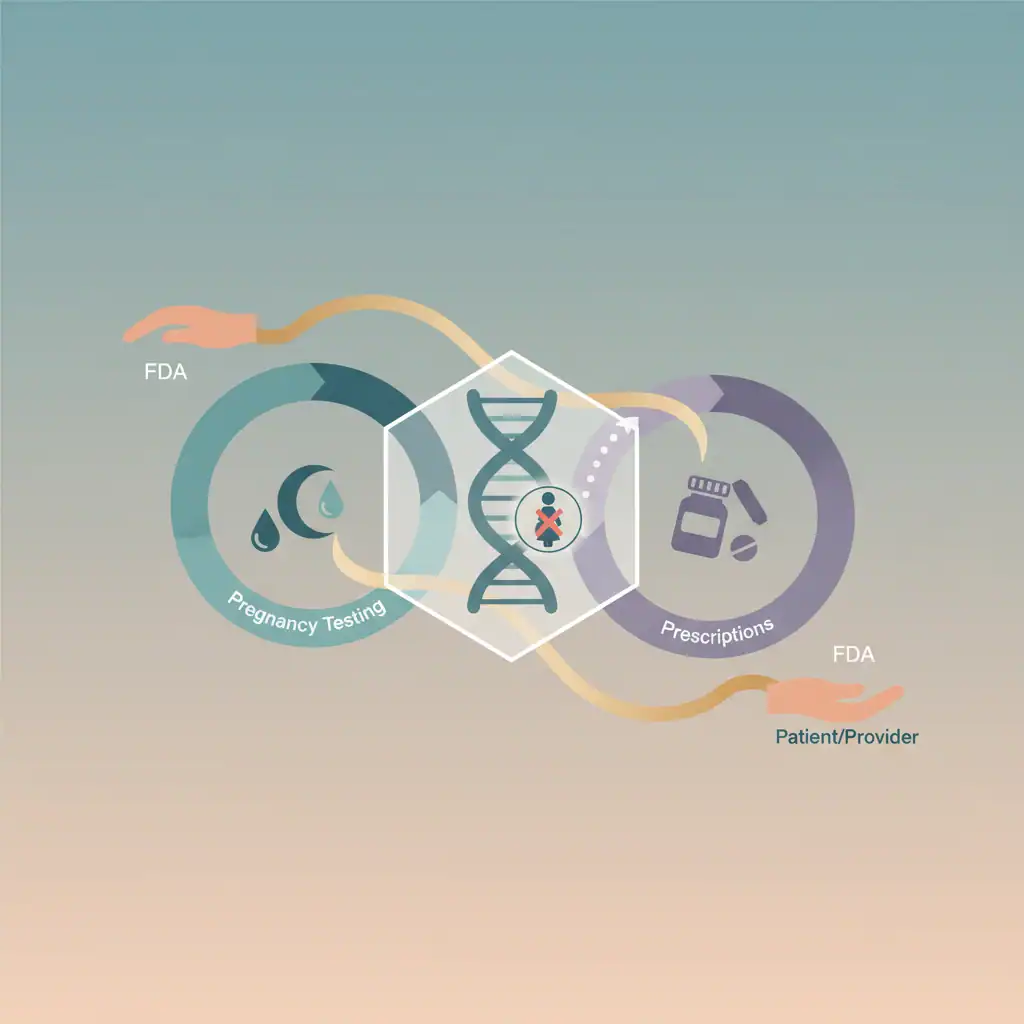
FDA Approves Modifications to iPLEDGE REMS for Isotretinoin
Today, the U.S. Food and Drug Administration (FDA) has officially announced its approval of critical adjustments to the iPLEDGE Risk Evaluation and Mitigation Strategy (REMS) concerning isotretinoin. These modifications aim to alleviate the administrative challenges faced by patients, healthcare providers, and pharmacies while effectively managing the risks associated with embryo-fetal toxicity. The changes are set to come into effect 180 days following this approval.
In the interim, the FDA will continue to exercise enforcement discretion regarding the requirements for pregnancy testing, as detailed in its update from October 2023. The iPLEDGE program was initially launched in 2005 and officially recognized as a REMS in 2010.
Understanding the iPLEDGE REMS
The iPLEDGE program serves as a shared system REMS that includes all FDA-approved isotretinoin products. It provides a unified framework for prescribers, pharmacies, and patients to manage pregnancy-related risks, irrespective of the specific isotretinoin formulation being prescribed.
While the program has successfully reduced the incidence of pregnancies exposed to isotretinoin, it has not been without its criticisms. Many have pointed out that it has led to treatment delays, inefficiencies in workflow, and heightened frustration among patients.
Key Changes for Patients
The newly approved modifications, which were previously communicated to isotretinoin manufacturers in November 2023, illustrate the FDA’s commitment to finding a balance between safety and practical clinical application. Under the revised REMS, prescribers are now allowed to permit patients who can conceive to carry out pregnancy testing outside of a medical facility. This includes the use of at-home pregnancy tests during and after isotretinoin treatment.
However, it remains mandatory for patients to complete their pre-treatment pregnancy tests in a medical setting prior to starting therapy. For dermatologists, these changes could significantly reduce logistical barriers associated with monthly lab testing, particularly benefiting patients located in rural areas, those with limited access to transportation, or those facing insurance or scheduling challenges.
This adjustment is expected to result in fewer missed treatment opportunities and a decrease in the time staff spend coordinating laboratory visits. Furthermore, if a patient who can become pregnant does not collect their isotretinoin prescription within the required 7-day window, a repeat pregnancy test can now be administered immediately, eliminating the need for an additional waiting period.
This alteration abolishes the previously enforced “19-day lockout” period, which had posed a significant hurdle for timely treatment.
Key Changes for Clinicians
While prescribers now have the flexibility to allow pregnancy testing outside of medical facilities during and after treatment, it is crucial that they ensure pre-treatment pregnancy testing is performed in a clinical environment.
The FDA has highlighted that prescribers must establish appropriate processes and procedures to avoid misinterpretations or falsifications of pregnancy test results when conducted outside a clinical setting.
In cases where a patient who can conceive misses the prescription pickup window and has not yet received their initial dose of isotretinoin, the repeat pregnancy test must still occur in a medical facility.
Additionally, the counseling requirements have been streamlined. Patients who are unable to conceive must continue to receive counseling at the time of enrollment. Although prescribers are encouraged to provide ongoing counseling throughout the treatment process, the monthly documentation of counseling in the REMS is no longer a requirement for patients who cannot become pregnant.
Key Changes for Pharmacies
For patients who cannot conceive, the previous 30-day prescription window has been removed. Pharmacies will need to revise their workflow processes to ensure that if a prescription remains unclaimed, the authorization is reversed in the REMS, allowing the medication to be returned to stock.
The updated REMS also includes clarifying language regarding the training of pharmacy staff. Annual training remains compulsory, and certified pharmacies must keep records of training completion through their authorized representatives.
Looking Ahead
The FDA has committed to providing ongoing updates related to isotretinoin and the iPLEDGE REMS to ensure effective communication with prescribers, pharmacies, patients, and distributors. Although the REMS continues to be complex, the approved changes hold the potential to minimize treatment interruptions, enhance patient adherence, and reduce the administrative burden on dermatology practices—all without compromising patient safety.
Clinicians are encouraged to review the comprehensive requirements available on the iPLEDGE REMS website or reach out to the iPLEDGE REMS Contact Center for further assistance.
Sources
- U.S. Food and Drug Administration press release, FDA Approves Modifications to iPLEDGE REMS for Isotretinoin.
- U.S. Food and Drug Administration update, iPLEDGE Risk Evaluation and Mitigation Strategy.