
Financial Strain Worsens Quality of Life for Hidradenitis Suppurativa Patients
Why this matters
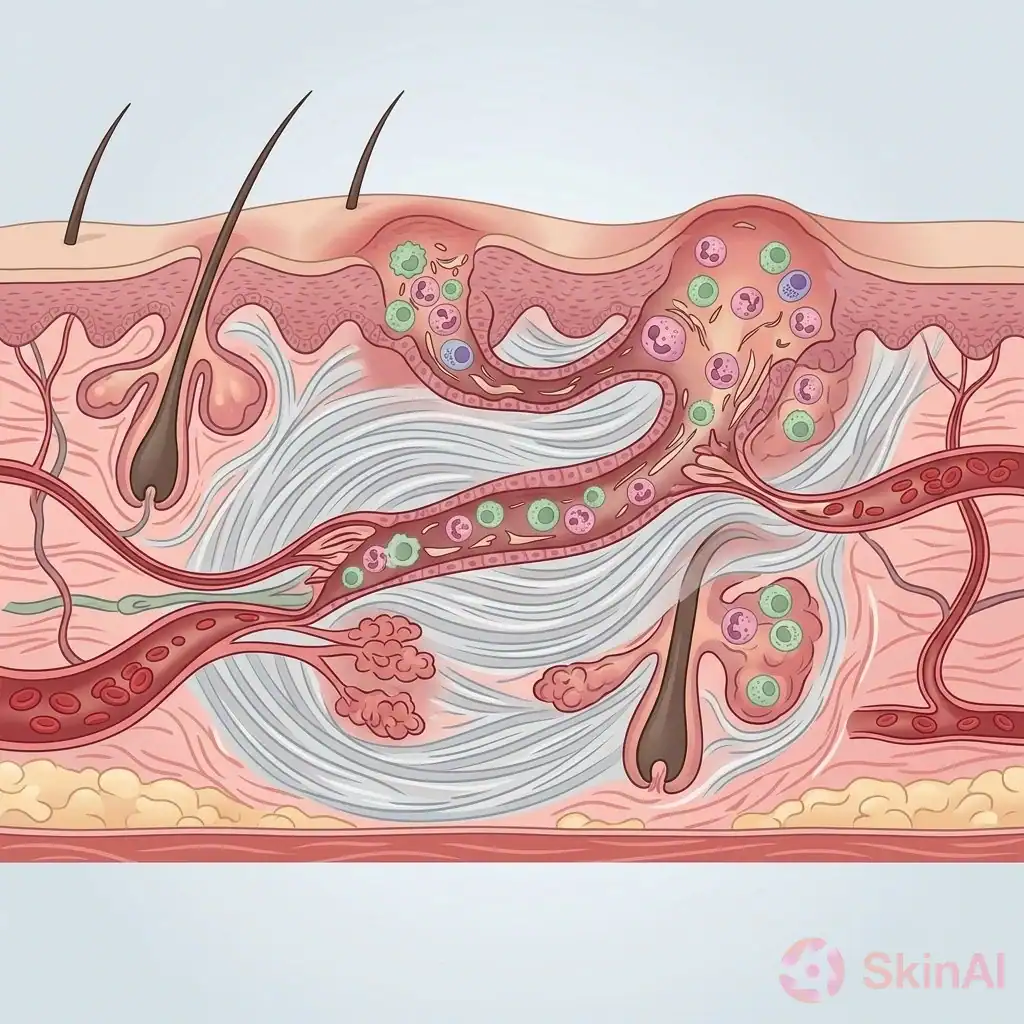
If you have hidradenitis suppurativa (HS), you already know it can be painful, persistent, and hard to treat. HS is a long-term skin condition that causes painful lumps and tunnels, usually in areas like the armpits or groin. As treatment options have become more complex and often more expensive, new research shows that the cost of care itself can hurt quality of life, regardless of how severe the disease looks on the skin.
What the study looked at
Researchers surveyed 114 people with HS who were getting care at a U.S. specialty clinic. They used two standard questionnaires: the COST-FACIT, which measures financial strain from medical care (higher scores mean less financial stress), and the DLQI, which measures how much a skin problem affects daily life (higher scores mean worse quality of life). The study looked for links between money worries and how patients rated their own well-being. (Source: Shan et al., International Journal of Dermatology, 2026)
Main findings in plain language
People who reported less financial strain also reported better quality of life. After the researchers adjusted for age, sex, race, marital status, and job status, the link stayed strong. In numbers, every 1-point improvement on the COST-FACIT (less financial stress) was tied to about a 0.45-point improvement on the DLQI (better dermatology-related quality of life). That suggests money stress isn’t just a side issue — it meaningfully affects how people live with HS. (Source: Shan et al., International Journal of Dermatology, 2026)
The group surveyed had a high disease burden: most were Hurley stage II or III (moderate to severe disease) and 64% had HS in three or more body areas. Their average DLQI scores showed severe effects on daily life.
Who is most affected by financial strain?
Certain factors were linked with greater financial toxicity (more money-related hardship). These included:
- Having a psychiatric condition (for example, anxiety or depression).
- Using tobacco.
- Having HS in more body areas.
- Having cardiovascular diseases (for example, high blood pressure or heart disease).
- Using biologic medications (a common, often costly treatment for moderate to severe HS).
Biologic drugs can help many people with HS, but in the U.S. they can bring added costs like copays, insurance hurdles, prior authorization paperwork, and inconsistent help from manufacturer programs. The researchers note that the money side of taking biologics might look different in countries with universal health care. Interestingly, people with a family history of HS tended to report less financial strain, possibly because they recognized symptoms earlier and knew what treatment to expect. (Source: Shan et al., International Journal of Dermatology, 2026)
What this means for care
The main takeaway is that treating HS is about more than reducing bumps and pain. Money worries can lower treatment adherence, make it harder to keep appointments, and generally reduce satisfaction with care. The study suggests clinicians should routinely ask about practical barriers such as insurance coverage, copays, transportation, and access to support services.
Integrating financial counseling or targeted support into HS care teams (for example, social work, patient assistance program guidance, or a clinic financial navigator) may help reduce financial strain and improve patients’ day-to-day lives. (Source: Shan et al., International Journal of Dermatology, 2026)
Practical tips if you’re worried about costs
If HS treatment costs are stressing you, consider these steps:
- Talk with your dermatologist or clinic staff about the likely costs for tests, procedures, and medicines.
- Ask whether there are copay assistance programs, manufacturer help, or patient foundations that can help pay for medications.
- Check whether your clinic has a social worker or financial counselor who can help with insurance paperwork and resources.
- Keep a record of medical bills and prior authorization requests so you can follow up if something gets delayed.
- Discuss treatment options openly with your clinician so you can balance effectiveness, side effects, and cost together.
These ideas may help you manage the financial side of HS care, but treatment decisions should always be made with your doctor or dermatologist.
Keeping an eye on visible changes
It can help to photograph your skin over time and note new or changing lumps, drainage, or scarring. Clear photos and dates can make it easier to explain changes to your care team and prepare for appointments.
When to see a doctor
Contact a clinician if you have rapidly worsening pain, heavy bleeding, signs of infection (such as spreading redness, fever, or pus with fever), or new, changing, or very painful lesions. If cost is preventing you from getting care, tell your provider so they can help find options.
Study limits to keep in mind
This study used patient-reported surveys at a single specialty clinic, so the findings may not apply to every setting. Still, it adds to growing evidence that the cost of care matters for people living with chronic skin conditions. (Source: Shan et al., International Journal of Dermatology, 2026)
Disclaimer: This article is for information only and is not medical advice. Discuss diagnosis and treatment options with your doctor or dermatologist.
Sources
- Shan DM, Smith AD, Lyons CE, et al. Assessing the impact of financial toxicity on quality of life in patients with hidradenitis suppurativa: a cross-sectional survey study. International Journal of Dermatology. Published online May 5, 2026. doi:10.1111/ijd.70454
- Pisu M, Martin MY. Financial toxicity: a common problem affecting patient care and health. doi:10.1038/s41572-022-00341-1