
Top Dermatology News: Pain Relief, HS Studies, and Immunotherapy Updates
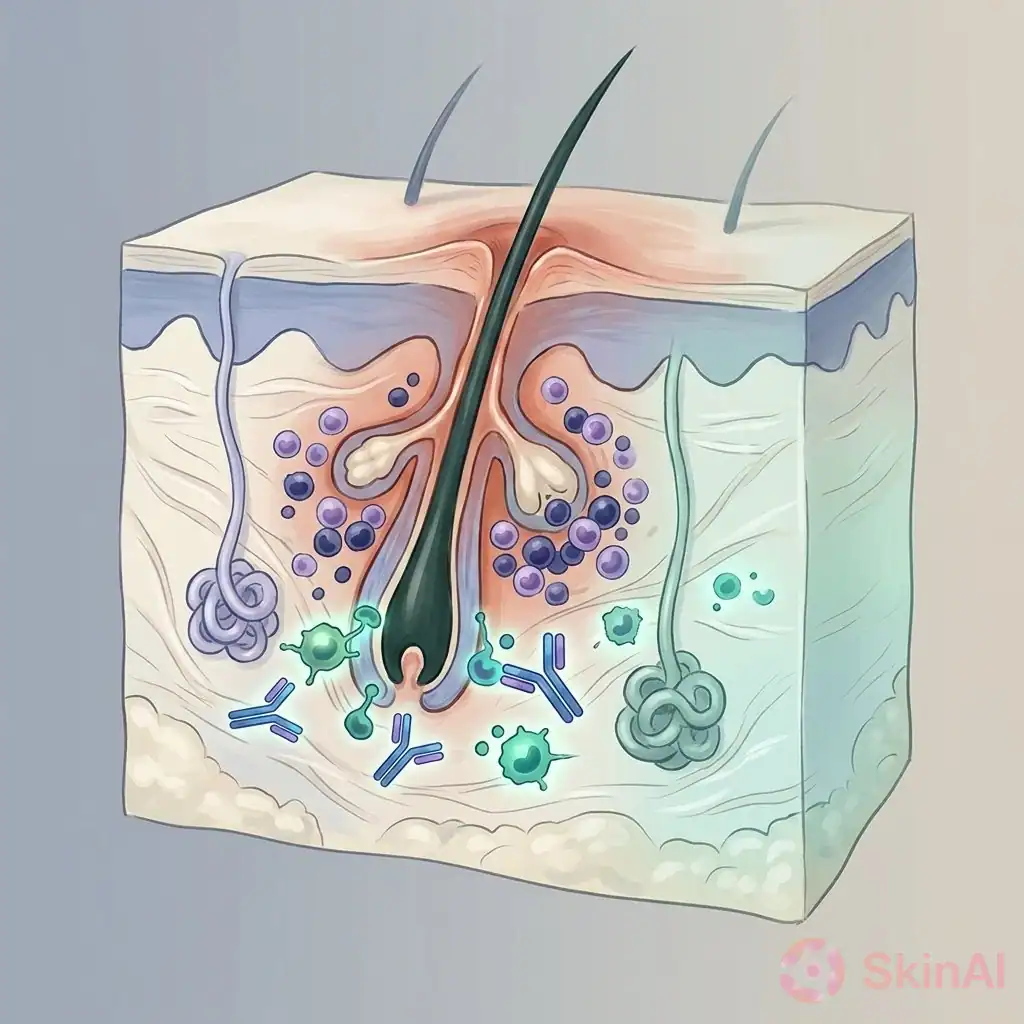
Keeping up with skin research — made simple
It’s easy to fall behind on the latest skin care and dermatology news when you’re juggling appointments, messages, and daily life. Here’s a short, friendly roundup of recent studies that matter to people with common skin concerns. I’ll explain what each study looked at, what it found, and why it could matter to you.
Quick overview
This week’s highlights:
- Listening to music or white noise may lower pain and stress during cosmetic facial injections.
- Bariatric (weight-loss) surgery doesn’t guarantee better outcomes for people with hidradenitis suppurativa (HS), and pain is a major driver of life quality.
- Getting a formal HS diagnosis earlier is linked to faster, more effective treatment and fewer emergency visits.
- Checking drug levels early could help personalize dosing of adalimumab for psoriasis.
- An experimental treatment using a person’s own antibodies showed promise for hard-to-treat chronic hives (chronic spontaneous urticaria).
1) Music or white noise may make cosmetic injections less painful
If you’ve ever had botulinum toxin injections (the neurotoxin used for smoothing some facial lines), you know they can be uncomfortable. A controlled study of 76 women getting upper-face injections compared three groups: listening to their own music, listening to white noise (like a hair-dryer sound), or no sound intervention.
Both music and white noise were started 10 minutes before the injections and kept on during recovery. People in those groups reported lower pain scores than the control group. First-time patients reported noticeably more pain only when no sound was used; with music or white noise, that difference disappeared. Almost everyone said they’d like the same sound option for future procedures.
Why this matters: Playing music or white noise is cheap, simple, and something clinics could offer to make injections less stressful for patients. If you get injections and feel anxious or sensitive to pain, it’s reasonable to ask whether you can bring headphones or request background sound during the visit (talk with your provider first).
(Source: Ozgen Z. Do White noise or music relieve pain caused by botulinum toxin injections?. 2026.)
2) Weight-loss surgery and hidradenitis suppurativa — the reality is complex
Hidradenitis suppurativa (HS) is a chronic inflammatory skin condition that causes painful bumps, scarring, and sometimes draining nodules, often in skin folds such as underarms or groin. Some people with HS wonder whether losing a lot of weight through bariatric surgery will help.
A cross-sectional study of 135 adults with HS compared those who had bariatric surgery with those who had not. People who had surgery reported lower scores for pain, depression, anxiety, and quality-of-life impact, but after researchers adjusted the numbers for other factors, those differences were no longer statistically significant.
That tells us weight loss can help some aspects of HS for some people, but it’s not a guaranteed fix. Surgery can reduce friction and inflammation, but it can also leave scars, loose skin folds, or nutritional changes that affect healing. One clear finding was that pain strongly matched how much HS affected someone’s life, and pain was linked to higher depression and anxiety scores.
Why this matters: If you’re considering bariatric surgery to improve HS, expect that outcomes are individualized. Talk with your dermatologist or surgeon about realistic expectations, potential benefits, and the risks that could affect HS symptoms after surgery.
(Source: Alsukait S, Alotaibi H, Alkofide M, et al. Impact of bariatric surgery on quality of life and psychological well-being among patients with hidradenitis suppurativa. Clinical, Cosmetic and Investigational Dermatology, 19. doi:10.2147/CCID.S584656)
3) Earlier HS diagnosis changes the care journey
A large retrospective study looked at people with confirmed HS versus those suspected of having HS but without a formal diagnosis. The confirmed group started biologic treatments about 56 days sooner and were much more likely to receive biologic therapy overall.
People with a confirmed diagnosis also had lower rates of hospital and emergency department visits within 30 days, and lower overall health care costs. But the study found troubling disparities: Hispanic and Black patients waited longer for biologic treatment, and children on Medicaid had longer delays compared with those on commercial insurance.
Why this matters: Getting a formal HS diagnosis earlier appears tied to quicker, more effective treatment and fewer emergency visits. This emphasizes the importance of early recognition, timely referral to specialists when needed, and addressing inequalities so everyone can access care.
(Source: Chovatiya R, Gayle J, Low R, Oh T, Gomez I, Rosenthal N. Patient journey and disparities in the diagnosis and treatment of patients with hidradenitis suppurativa. Published 2026 Feb 24. doi:10.1016/j.xjidi.2026.100462)
4) Could checking drug levels help tailor psoriasis treatment?
Adalimumab is a biologic medication used for moderate-to-severe psoriasis. New pharmacokinetic/pharmacodynamic modeling used real-world data from more than 500 patients to test a proactive therapeutic drug monitoring (TDM) approach. TDM means measuring drug levels in the blood to guide dosing.
In the model, clinicians checked trough levels (the lowest level before the next dose) early in treatment and adjusted doses accordingly. The simulated results showed higher rates of PASI90 (a common measure meaning 90% improvement in psoriasis) with proactive TDM — improving from 28.3% under standard dosing to 38.9% with the proactive strategy.
The model also helped identify patients who, despite low drug levels, were unlikely to benefit from simply increasing dose frequency, suggesting they might do better switching to a different biologic class.
Why this matters: This research points toward more personalized biologic dosing rather than one-size-fits-all schedules. Keep in mind this was a modeling study using real-world data, not a randomized clinical trial, so further clinical research is needed before changing standard practice. Discuss any dosing questions with your dermatologist.
(Source: Pan S, Tsakok T, Wei R, et al. Evaluation of a therapeutic drug monitoring strategy for adalimumab in psoriasis: a prospective pharmacokinetic-pharmacodynamic study. doi:10.1111/cts.70563)
5) An unusual immunotherapy approach for stubborn chronic hives
Chronic spontaneous urticaria (CSU) means hives that come and go for six weeks or more without a clear trigger. Omalizumab (an injected antibody treatment) helps many people, but some remain refractory.
A small open-label pilot trial tested weekly intramuscular injections of autologous total IgG. That means investigators collected each person’s own antibodies from their plasma, prepared them, and gave them back as injections over nine weeks.
By week 12, participants showed meaningful improvements in hive activity, disease control, and quality of life, with benefits lasting through week 24. More than a quarter of participants reached complete remission by the end of follow-up, and no serious adverse events were reported.
Why this matters: The findings are interesting because this is a very different idea from existing treatments. But the study was small, open-label, and had no placebo comparison, so the results are preliminary. Larger, controlled studies will be needed before this could be considered a proven option.
(Source: Ye YM, Kim ME, Kwon B, Nahm DH. Clinical efficacy and safety of intramuscular injections of autologous total IgG in patients with chronic spontaneous urticaria: an open-label prospective pilot trial. Exp Dermatol. doi:10.1111/exd.70249)
When to see a doctor
Talk to a dermatologist if you have:
- Persistent or worsening symptoms such as painful nodules, recurring hives, or rapidly changing skin lesions.
- Signs of infection like increasing redness, warmth, pus, fever, or spreading skin breakdown.
- Symptoms interfering with daily life, mood, or sleep — for example, HS pain that limits activity or chronic hives that disrupt sleep.
- Questions about treatment options, biologics, or whether a procedure or surgery is right for you.
Always discuss treatment decisions with your dermatologist or health care provider.
Limitations and a brief note on study results
Many of these studies are early-stage, small, or use modeling rather than randomized trials. That means the results can be promising without being definitive. Where findings are preliminary, I’ve noted the limitations. If a treatment sounds interesting, ask your provider about the evidence and whether it’s appropriate for you.
Disclaimer
This article is for information only and is not medical advice. For personal medical concerns, diagnosis, or treatment, please consult your doctor or a dermatologist.
Sources
- Ozgen Z. Do White noise or music relieve pain caused by botulinum toxin injections?. 2026;2026(1):e3007685. doi:10.1155/prm/3007685 (Source)
- Alsukait S, Alotaibi H, Alkofide M, et al. Impact of bariatric surgery on quality of life and psychological well-being among patients with hidradenitis suppurativa: a cross-sectional study. Clinical, Cosmetic and Investigational Dermatology, 19. doi:10.2147/CCID.S584656 (Source)
- Chovatiya R, Gayle J, Low R, Oh T, Gomez I, Rosenthal N. Patient journey and disparities in the diagnosis and treatment of patients with hidradenitis suppurativa. Published 2026 Feb 24. doi:10.1016/j.xjidi.2026.100462 (Source)
- Pan S, Tsakok T, Wei R, et al. Evaluation of a therapeutic drug monitoring strategy for adalimumab in psoriasis: a prospective pharmacokinetic-pharmacodynamic study. doi:10.1111/cts.70563 (Source)
- Ye YM, Kim ME, Kwon B, Nahm DH. Clinical efficacy and safety of intramuscular injections of autologous total IgG in patients with chronic spontaneous urticaria: an open-label prospective pilot trial. Exp Dermatol. doi:10.1111/exd.70249 (Source)