
Cross-Linked Sodium Hyaluronate Shows Promise for Treating Neck Wrinkles
New dermatology research: five recent studies explained
Here’s a clear, patient-friendly roundup of five recent dermatology reports that may matter to people considering cosmetic procedures, parents of children with atopic disease, and anyone curious about advances in acne and rosacea care.
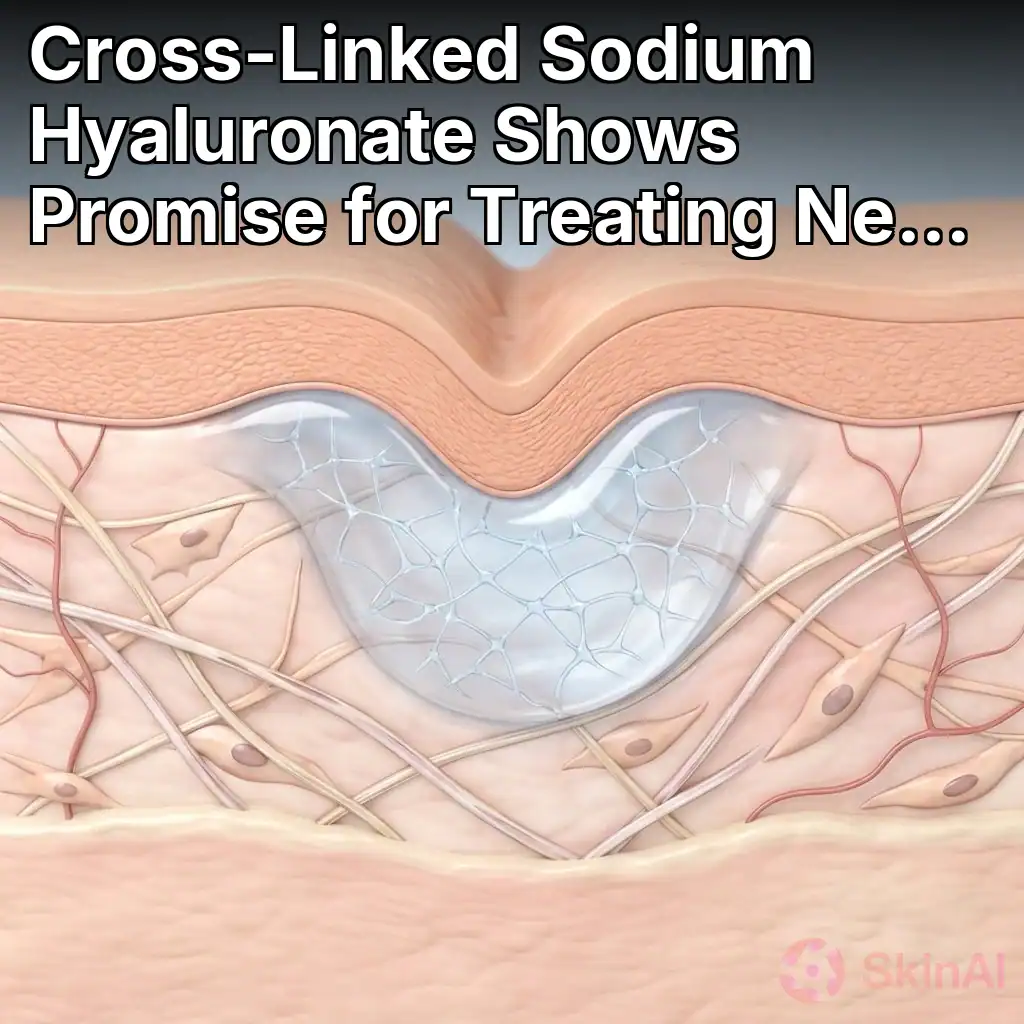
Efficacy and safety of cross-linked sodium hyaluronate for moderate-to-severe neck wrinkles
This multicenter, prospective, randomized, single-blind trial looked at whether a cross-linked sodium hyaluronate (HA) gel can improve moderate-to-severe neck wrinkles compared with a non–cross-linked HA product in adult patients. (Source: Dermatologic Therapy, Li et al., 2026)
Researchers enrolled 192 Chinese patients and randomized them to receive either the cross-linked HA filler or a comparator non–cross-linked HA called HiBody. Photographic assessments by blind reviewers at 60 days were used to judge results. (Source: Dermatologic Therapy, Li et al., 2026)
At day 60, the cross‑linked HA group showed higher effectiveness by blinded photo review: 90.4% of treated patients improved versus 79.1% in the control group, indicating a clear advantage for the cross‑linked formulation in this trial. (Source: Dermatologic Therapy, Li et al., 2026)
Investigators also used the Global Aesthetic Improvement Scale (GAIS), and more patients receiving the cross‑linked product were rated as “significantly improved” or “very significantly improved,” supporting a meaningful cosmetic benefit. (Source: Dermatologic Therapy, Li et al., 2026)
Patient comfort appeared better with the cross‑linked product, which contained lidocaine to reduce pain and removed the need for topical anesthesia in many cases; fewer participants reported moderate-to-severe pain. (Source: Dermatologic Therapy, Li et al., 2026)
Most adverse events were mild and related to the injection site — things like transient swelling or redness — and resolved on their own, leading investigators to conclude that cross‑linked HA gel offers a safe, effective, and potentially longer‑lasting nonsurgical option for neck rejuvenation. (Source: Dermatologic Therapy, Li et al., 2026)
Case report: first described linear cutaneous discoid lupus erythematosus after COVID‑19 vaccination
Clinicians reported what they believe is the first known case of linear cutaneous discoid lupus erythematosus (LCDLE) occurring after COVID‑19 vaccination in a teenager. The authors are careful to note that a causal link between vaccination and disease onset is not proven. (Source: Clinical Case Reports, Saberi et al., 2026)
The patient was a 15‑year‑old boy who developed an itchy, red, scaly plaque on his right upper arm about one month after his second dose of the Sinopharm COVID‑19 vaccine; the initial lesion appeared at the vaccine injection site and over two years extended in a linear pattern following the lines of Blaschko. (Source: Clinical Case Reports, Saberi et al., 2026)
A skin biopsy revealed classic features supporting LCDLE, including lichenoid interface dermatitis, follicular plugging, dermal mucin deposition, and a lymphoplasmacytic infiltrate. Tests for systemic lupus erythematosus were negative. (Source: Clinical Case Reports, Saberi et al., 2026)
Treatment combined hydroxychloroquine, a high‑potency topical steroid (clobetasol), and topical tacrolimus. After a year of follow‑up the disease remained persistent but stable under therapy. (Source: Clinical Case Reports, Saberi et al., 2026)
The authors advise clinicians to consider LCDLE in the differential diagnosis when patients present with new linear eruptions after vaccines or other local triggers, while reminding readers that this single case does not establish cause and effect. (Source: Clinical Case Reports, Saberi et al., 2026)
Propolis plus Aloe vera gel added to benzoyl peroxide for moderate acne
A double‑blind randomized controlled trial tested whether a topical mixture of propolis and Aloe vera gel used alongside standard 5% benzoyl peroxide (BPO) could improve outcomes in people with moderate acne. The study included 72 participants aged 15–29 and ran for 8 weeks. (Source: Dermatologic Therapy, Megantara et al., 2026)
Those using the adjunctive propolis/Aloe vera product plus BPO showed significantly larger reductions in Cutibacterium acnes bacterial load, as measured during the trial, compared with BPO alone. (Source: Dermatologic Therapy, Megantara et al., 2026)
Markers of inflammation such as TNF‑α and IL‑6 fell more in the combination group, suggesting the botanical add‑on enhanced anti‑inflammatory effects beyond what BPO provided alone. (Source: Dermatologic Therapy, Megantara et al., 2026)
Another striking finding was improvement in postinflammatory hyperpigmentation: 96% of people receiving the combination therapy had pigment improvement versus 34% with BPO monotherapy, indicating a notable cosmetic benefit for darker or pigment‑prone skin types. (Source: Dermatologic Therapy, Megantara et al., 2026)
The authors also observed that the Aloe vera component appeared to reduce the typical irritation and dryness associated with BPO, likely by supporting the skin barrier and providing hydration, which may help patients tolerate acne therapy better. (Source: Dermatologic Therapy, Megantara et al., 2026)
Overall, the trial suggests that topical propolis and Aloe vera may be useful adjuncts to standard BPO therapy for moderate acne by addressing bacterial overgrowth, inflammation, and pigmentary after‑effects while improving tolerability. (Source: Dermatologic Therapy, Megantara et al., 2026)
Dupilumab in pediatric eczema molluscatum: a case report and literature review
A pediatric case report and systematic literature review explored use of dupilumab for eczema molluscatum (EM), a widespread molluscum contagiosum virus (MCV) infection that can complicate severe atopic dermatitis (AD) in children. This report includes the first published pediatric case. (Source: J Dtsch Dermatol Ges, Obermeier et al., 2026)
The illustrated case involved a 4‑year‑old child with severe, treatment‑refractory AD and disseminated molluscum; conventional topical therapies failed to control the disease. Initiation of dupilumab (300 mg every 4 weeks) led to rapid improvement in AD symptoms and ultimately complete clearance of MCV‑1 without reported adverse events during follow‑up. (Source: J Dtsch Dermatol Ges, Obermeier et al., 2026)
To put the case in context, the authors reviewed the literature and found nine previously published adult cases of dupilumab use in patients with concurrent molluscum infection. Although a minority experienced a temporary flare of molluscum before improvement, overall outcomes were favorable. (Source: J Dtsch Dermatol Ges, Obermeier et al., 2026)
Because dupilumab targets the IL‑4/IL‑13 pathway and reduces type‑2 inflammation that fuels atopic dermatitis, the drug can improve skin barrier function and immune control, which may explain why some patients also clear associated viral skin infections. Clinicians should, however, weigh benefits and risks individually. (Source: J Dtsch Dermatol Ges, Obermeier et al., 2026)
This pediatric report adds to growing evidence that dupilumab can both control severe AD and, in some cases, help resolve associated molluscum contagiosum, though more systematic study is needed. (Source: J Dtsch Dermatol Ges, Obermeier et al., 2026)
Pulse duration matters: pulsed dye laser for rosacea
A prospective randomized trial compared two pulse durations of the 595‑nm pulsed dye laser (PDL) — 6 ms versus 10 ms — in the treatment of erythematotelangiectatic rosacea (ETR). The study included 80 patients treated once and followed for outcomes. (Source: Journal of Dermatological Treatment, Liu et al., 2026)
Both pulse durations produced significant and comparable reductions in measures of erythema severity, visible telangiectasia, and overall rosacea scores at 4 weeks after a single treatment, and objective imaging confirmed similar decreases in redness and affected area. (Source: Journal of Dermatological Treatment, Liu et al., 2026)
Where the two settings differed was safety and short‑term recovery: the 6 ms setting caused more early edema and purpura (bruising), especially during the first week post‑treatment, whereas the 10 ms setting had a more favorable immediate tolerability profile. (Source: Journal of Dermatological Treatment, Liu et al., 2026)
Patient satisfaction and symptom improvement were similar between groups, which suggests clinicians can expect equivalent efficacy but should consider using the longer pulse when minimizing downtime and acute side effects is a priority for patients. (Source: Journal of Dermatological Treatment, Liu et al., 2026)
What this means for patients and clinicians
These reports together show a few practical takeaways: cross‑linked HA injectables may offer improved cosmetic results and comfort for neck rejuvenation; clinicians should keep a broad differential when new linear skin eruptions appear after vaccination; botanical adjuncts like propolis and Aloe vera can meaningfully boost outcomes when added to benzoyl peroxide for moderate acne; dupilumab may help children with severe AD complicated by molluscum; and small technical settings — like PDL pulse duration — can influence recovery even when efficacy is similar. (Sources: various articles listed below)
Patients considering any of these therapies should discuss individualized risks and benefits with a board‑certified dermatologist, including expectations about durability, potential side effects, and alternative treatment options. (Sources: Dermatologic Therapy; Clinical Case Reports; Journal of Dermatological Treatment; J Dtsch Dermatol Ges)
Sources
- Li Y, Bai Z, Zhao C, et al. Efficacy and Safety of Cross‑Linked Sodium Hyaluronate for the Treatment of Moderate‑to‑Severe Neck Wrinkles: A Prospective, Multicenter, Randomized, Single‑Blind Clinical Trial. Dermatologic Therapy. 2026. doi:10.1155/dth/5533070. (Source: Dermatologic Therapy, Li et al., 2026)
- Saberi F, Ghanadan A, Razavi Z, et al. The First Case of Linear Cutaneous Lupus Erythematosus Following Covid‑19 Vaccination: A Case Report. Clinical Case Reports. 2026;5:e72703. doi:10.1002/ccr3.72703. (Source: Clinical Case Reports, Saberi et al., 2026)
- Megantara I, Tandi Y, Emigasando S, et al. Efficacy of Topical Propolis and Aloe vera Gel as an Adjuvant to Benzoyl Peroxide in Moderate Acne Vulgaris: A Randomized Controlled Trial. Dermatologic Therapy. 2026. doi:10.1155/dth/8836260. (Source: Dermatologic Therapy, Megantara et al., 2026)
- Obermeier PE, Puzich U, Brinkmann A, Schrick L, Mühlendyck A. Dupilumab for the treatment of eczema molluscatum: A pediatric case report and systematic literature review. Journal of the German Society of Dermatology (J Dtsch Dermatol Ges). Published online May 8, 2026. doi:10.1111/ddg.70176. (Source: J Dtsch Dermatol Ges, Obermeier et al., 2026)
- Liu T, Liu Y, Meng X, et al. Beyond efficacy: pulse duration is crucial for adverse events in pulsed dye laser therapy for rosacea. Journal of Dermatological Treatment. 2026. doi:10.1080/09546634.2026.2665064. (Source: Journal of Dermatological Treatment, Liu et al., 2026)