
Zasocitinib Offers Promising Results for Clearing Scalp Psoriasis by Week 24
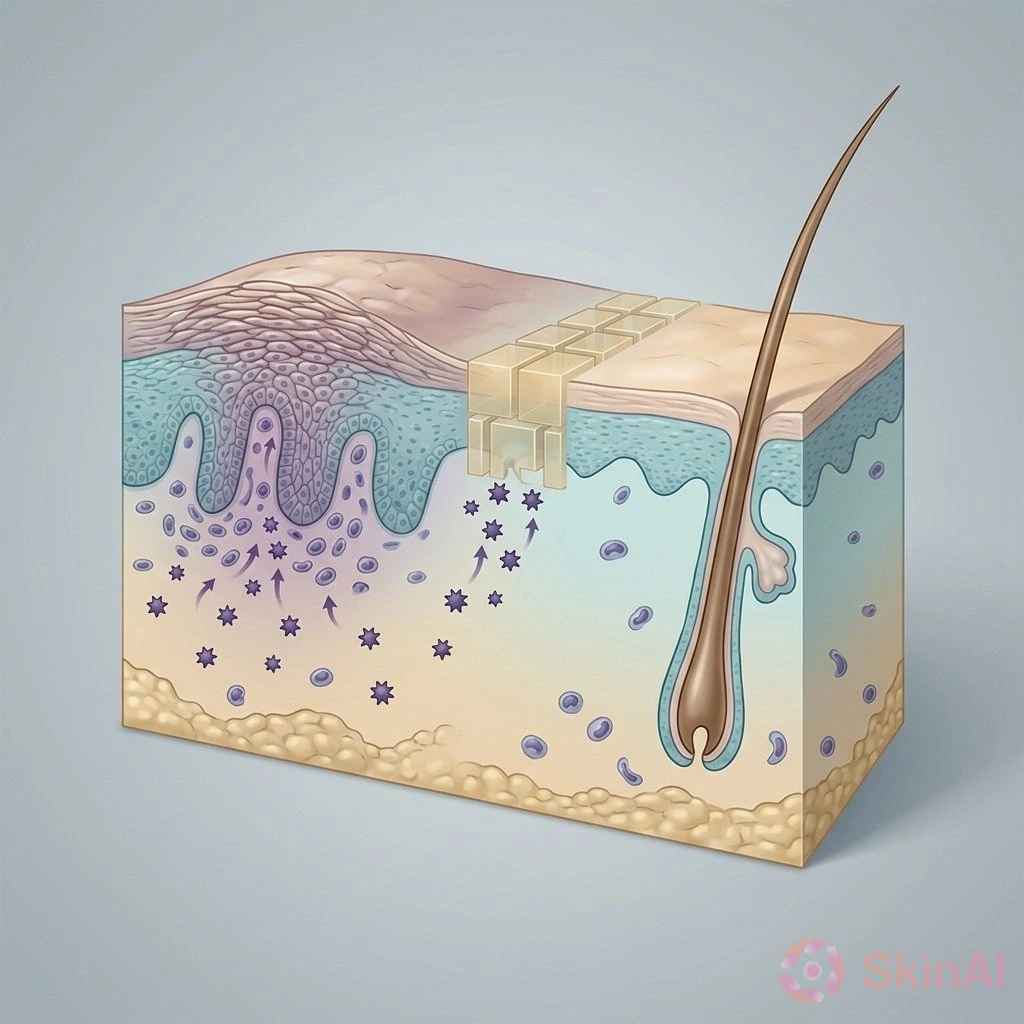
Why scalp psoriasis is important
Scalp psoriasis is common and often upsetting. About four out of five people with psoriasis have it, and the flakes and visible redness can be both physically uncomfortable and hard on self-esteem. Because the scalp is so noticeable and scales can fall onto clothing, many people find it one of the most troublesome places to have psoriasis.
What new results were shared
At the 2026 American Academy of Dermatology (AAD) Innovation Academy meeting, dermatologist Leon Kircik, MD, summarized a sub-analysis of two phase 3 psoriasis trials called LATITUDE PsO‑3001 (NCT06671483) and 3002 (NCT06671496). These analyses looked only at people who had scalp psoriasis when the studies began.
The trials compared two oral medicines: zasocitinib (made by Takeda), which is a once-daily TYK2 inhibitor, and apremilast (Otezla, Amgen).
How the study measured scalp clearing
The researchers used a doctor-rated scale called the scalp-specific Physician Global Assessment (ssPGA). This scale measures how clear the scalp looks, with “clear” or “almost clear” meaning very little visible psoriasis left on the scalp.
Key results in plain language
In the patients who started the trials with scalp psoriasis, the findings were:
- At week 16, about 74% to 77% of people taking zasocitinib had a scalp that was clear or almost clear on the ssPGA.
- That benefit was maintained at week 24, with about 75% to 78% still clear or almost clear.
- By comparison, apremilast produced scalp clear or almost clear results in roughly 30% to 42% of people at week 16, and about 40% to 48% at week 24.
The study reports that zasocitinib showed statistically better scalp clearance than apremilast at both week 16 and week 24.
What this might mean for people with scalp psoriasis
These results suggest that, in the trials reviewed, more people with moderate to severe scalp psoriasis had major improvement while taking zasocitinib than while taking apremilast. The effect appeared quickly (by week 16) and lasted through week 24 in the groups analyzed.
Keep in mind that these are trial results presented at a professional meeting and described by the researchers and the company. Sub-analyses look at a subgroup of participants (in this case, only those who had scalp psoriasis at the start), which can give useful information but does not replace the full body of evidence needed for routine care decisions.
Important cautions
These findings were reported at a conference and included information provided by the drug maker. That does not mean the medicine is right for everyone or that it’s a final answer about long-term safety and effectiveness. If you’re thinking about treatment options, talk with your dermatologist or health care provider about the full risks and benefits, other medicines available, and whether a drug like this might be appropriate for your situation.
When to see a doctor
If your scalp psoriasis is painful, bleeding, infected, changing quickly, or causing you a lot of distress, make an appointment with a dermatologist. Also check in with a provider if your treatments stop working or the condition limits daily activities.
If you want to track changes over time, taking photos of your scalp (when possible) can help you and your clinician see whether treatments are helping. This can also make visits with your dermatologist more productive.
Disclaimer
This article explains study results and does not give medical advice. Treatment decisions should be made with your health care provider.
Sources
- Takeda press release: “Zasocitinib demonstrates consistent, high rates of skin clearance across the body, including hard-to-treat and high-impact sites, in phase 3 psoriasis studies.” Accessed August 3, 2026. (Source: Takeda press release)
- Armstrong AW, et al. “Zasocitinib, a once-daily oral TYK2 inhibitor, demonstrates efficacy at high impact sites in adults with moderate-to-severe plaque psoriasis: results from two randomized phase 3 trials (LATITUDE‑PsO‑3001 and 3002).” Presented at: 2026 American Academy of Dermatology Innovation Academy; July 16, 2026; New York, NY. (Source: Conference presentation)