
Extended-Release Oral Minoxidil Delivers Fast Hair Growth in Women with Androgenetic Alopecia
Why this matters
Hair thinning and pattern hair loss can be upsetting, especially for women. New treatments are being studied, and one of them — an oral, slow-release form of minoxidil called VDPHL01 — has drawn attention because researchers report it may work faster and have fewer side effects than some existing oral options. This article summarizes comments from a hair-loss expert and the company’s recent phase 2 results so you can understand what was reported and what it might mean for people with female pattern hair loss.
Who commented and where the information comes from
Jerry Shapiro, MD, a dermatologist who has focused on hair loss for nearly 40 years and directs the Hair and Scalp Disorders program at NYU Langone Health, discussed the phase 2 data released by Veradermics about VDPHL01. The information below comes from that company announcement and Dr. Shapiro’s comments about the results and safety profile.
What is VDPHL01?
VDPHL01 is an oral, extended-release form of minoxidil. Minoxidil is a medicine already used on the scalp in liquid or foam form to help some people regrow hair. “Extended-release” means the pill is made to release the drug slowly so blood levels stay steadier over time instead of rising and falling quickly.
What the phase 2 report said
According to the company and Dr. Shapiro, the phase 2 study showed visible improvement in women with female pattern hair loss (also called androgenetic alopecia) in as little as two months. Reported benefits included increased hair density (more hairs in a given area) and thicker hair shafts.
Dr. Shapiro emphasized that, in his experience, there currently isn’t an oral treatment for women with androgenetic alopecia that produces visible improvement within two months, so the speed of response with VDPHL01 stood out to him.
How VDPHL01 differs from other oral options
One key difference is that minoxidil is not a hormonal drug. Some other oral medicines used for female hair loss, like spironolactone, finasteride, or bicalutamide, affect hormones. Because they interfere with hormone signals, they can cause side effects such as changes to the menstrual cycle and, in some cases, a buildup of the uterine lining when periods stop.
Dr. Shapiro pointed out that hormonal drugs can lead to irregular periods or even stop periods in some women. He also noted that spironolactone can affect electrolyte levels — it may raise potassium and lower sodium in the blood — which requires monitoring. The company and Dr. Shapiro say VDPHL01 does not show these hormonal effects and had few side effects in the reported data.
Why the slow-release form may be safer
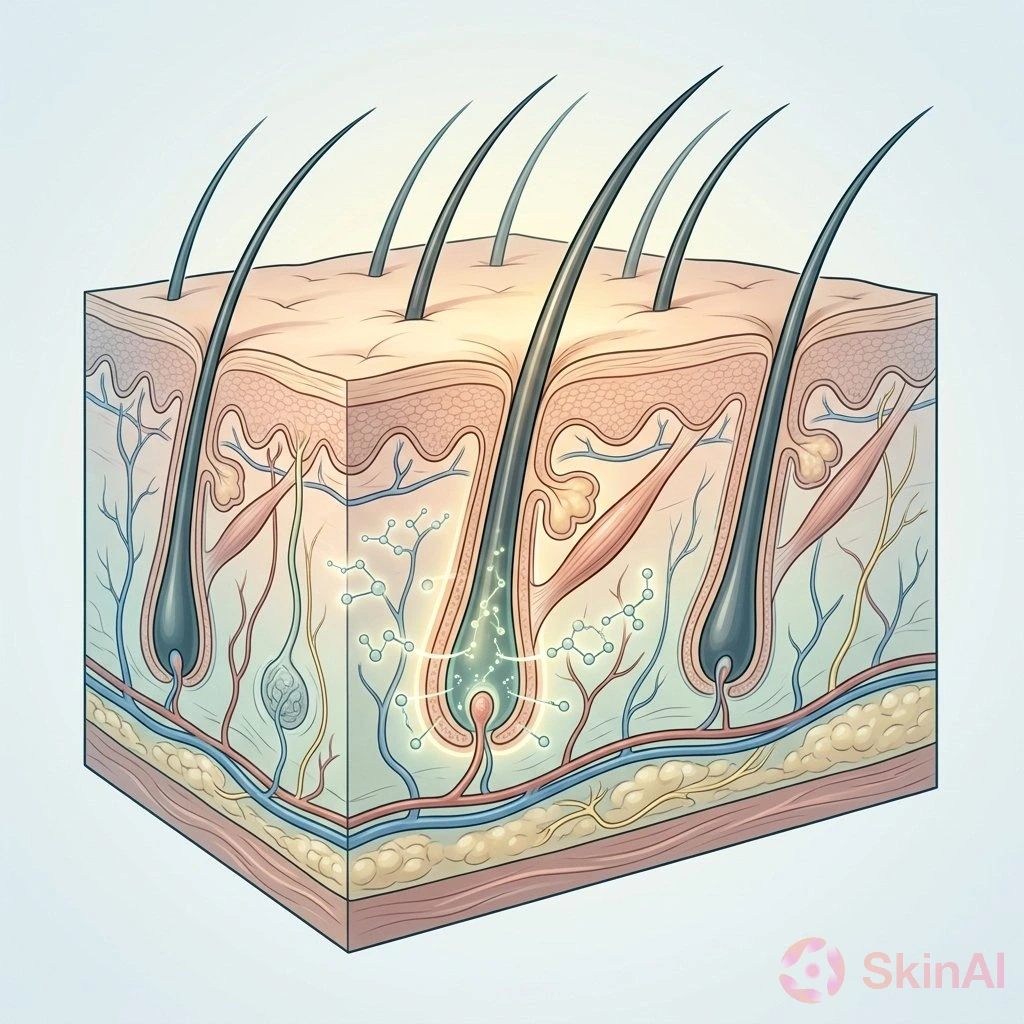
Immediate-release oral minoxidil enters the bloodstream quickly and is cleared within about 2 to 4 hours. These rapid peaks can raise concerns about heart-related side effects. The extended-release design of VDPHL01 keeps blood levels steadier for a longer period, which the researchers say may lower the risk of cardiac effects while giving the body more time to convert minoxidil into its active form through a process called sulfation (a chemical step the body uses to activate minoxidil).
Dr. Shapiro suggested that the longer time in the blood increases the chance the drug is converted efficiently and that the slow-release profile may reduce the cardiotoxicity worries linked to immediate-release formulations.
What this means for patients
The phase 2 results and expert comments suggest VDPHL01 could offer a non-hormonal oral option that may work relatively quickly and have a favorable safety profile. However, these findings come from early-stage study data released by the company, and larger, later-stage studies are needed to confirm how well it works and how safe it is for more people.
If you’re considering treatment for female pattern hair loss, it’s important to talk with a dermatologist about the full range of options, their likely benefits, and possible side effects. Treatment decisions should be personalized to your health history and goals.
Tracking changes
If you’re monitoring hair thinning, taking photos of the same areas under similar lighting every few months can help document any changes. This can be useful when you talk with your clinician about treatment progress.
When to see a doctor
See a dermatologist or health care provider if you have sudden or severe hair loss, scalp pain or bleeding, signs of infection, rapidly growing lumps or lesions, or if you’re unsure what’s causing your hair changes. For treatment decisions and safety monitoring, especially with oral medicines, a clinician’s guidance is important.
Disclaimer
This article summarizes comments by an expert and a company announcement about phase 2 study results. It is not medical advice. Talk with your doctor or dermatologist before starting or changing any treatment.
Sources
- (Source: Veradermics press release) Veradermics’ oral VDPHL01 delivers positive Study ‘207’ phase 2 clinical trial results in female pattern hair loss ahead of upcoming phase 2/3 Study ‘306’. Accessed August 6, 2026.
- (Source: Waldman R, Bunick CG, Bader K) Executive insights: extended-release oral minoxidil shows optimized pharmacokinetics and potential to enhance hair growth. Accessed August 6, 2026.