
ATTO-1310 Shows Promising Itch Relief in Chronic Pruritus and Atopic Dermatitis
New early results for an itch drug that may help people with long-lasting itch
Itch that won’t go away can be miserable. Two groups commonly affected are people with chronic pruritus (long-lasting itch with no clear cause) and people with high-itch atopic dermatitis (a form of eczema where itching is severe). Attovia Therapeutics recently shared early results from a phase 1b study of a drug called ATTO-1310 that aims to reduce that itch. The company reports that one dose eased itching for up to 12 weeks in both groups. (Source: Attovia Therapeutics press release)
A short plain-language summary
ATTO-1310 is an experimental medicine given as a single injection under the skin. In this small early trial, people who got the drug reported meaningful itch relief that lasted about three months. The medicine targets a specific immune signal linked to itch called IL-31. These are early results reported by the company; larger studies will be needed to know how well the drug truly works and how safe it is long term. (Source: Attovia Therapeutics press release)
What the study tested
The phase 1b study was randomized, double-blind, and placebo-controlled, and it ran at 17 sites in the United States and Canada. It included two groups: people with chronic pruritus (26 participants) and people with high-itch atopic dermatitis (26 participants). Participants received a single subcutaneous (under-the-skin) dose of ATTO-1310 at either 4.5 or 9 mg/kg, or a matching placebo. The study tracked safety, how the body handled the drug, immune responses to the drug, and exploratory measures of itch and skin changes. (Source: ClinicalTrials.gov, NCT06787586; Attovia Therapeutics press release)
How ATTO-1310 works, in plain language
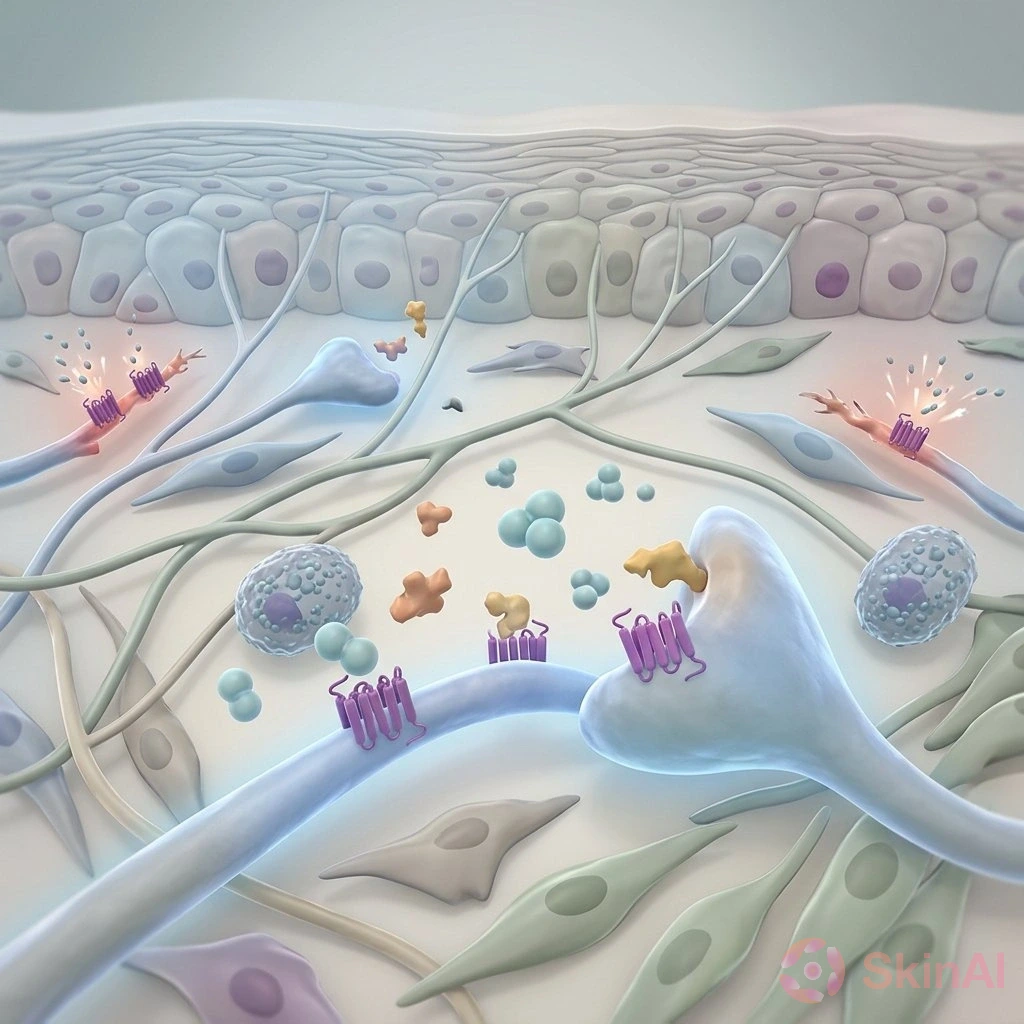
IL-31 is a protein the immune system makes that is known to play a major role in causing itch. ATTO-1310 is designed to bind to the IL-31 molecule itself (the ligand) rather than to the IL-31 receptor on cells. The company says this approach might reduce itch while avoiding some side effects that have been seen when drugs block the receptor. (Source: Attovia Therapeutics press release)
What the results showed
Researchers measured itch using the Peak Pruritus Numerical Rating Scale (PP-NRS). A drop of 4 points or more on that scale (called PP-NRS4) is often considered a meaningful improvement in clinical studies.
For people with chronic pruritus:
- At week 2 after the single dose, 47% of people who received ATTO-1310 achieved PP-NRS4, compared with 0% in the placebo group.
- At week 12, 82% (14 of 17) of ATTO-1310 recipients had PP-NRS4 vs 22% (2 of 9) with placebo.
- At week 12, 47% (8 of 17) of those on ATTO-1310 were itch-free or nearly itch-free (PP-NRS below 2), compared with 0% in the placebo group.
For people with high-itch atopic dermatitis:
- At week 2, 39% of ATTO-1310-treated patients reached PP-NRS4 vs 25% with placebo.
- By week 4, 44% (8 of 18) of ATTO-1310 patients met PP-NRS4, and this effect was reported to hold through week 12.
- The pooled placebo response rose from 25% at week 4 to 75% at week 12; the study allowed “rescue” treatments after week 4, which likely affected later comparisons.
- At week 12, 28% (5 of 18) of ATTO-1310-treated people had PP-NRS below 2 vs 13% (1 of 8) with placebo.
All p values reported by the company were nominal, and itch and skin outcomes were exploratory endpoints in this early trial. (Source: Attovia Therapeutics press release)
Skin improvements in people with atopic dermatitis
In the high-itch atopic dermatitis group, skin disease measures also improved. The study used the Eczema Area and Severity Index (EASI), a common tool for measuring eczema severity.
- At week 12, average EASI change from baseline was −49% for the lower dose (4.5 mg/kg) and −62% for the higher dose (9 mg/kg), compared with −28% for pooled placebo.
- At week 12, EASI-75 (at least 75% improvement) was reached by 44% of treated patients vs 13% with placebo. EASI-90 was 22% vs 0%, and EASI-100 (clear skin) was 17% vs 0%.
- A validated Investigator Global Assessment score of 0 or 1 (clear or almost clear) was reported in 39% of treated patients vs 13% with placebo.
Response rates improved between the week 4 visit and week 12. (Source: Attovia Therapeutics press release)
Safety and drug behavior in the body
According to the company, ATTO-1310 was generally well tolerated. One healthy volunteer stopped treatment because of a mild fever. No patients with chronic pruritus or atopic dermatitis stopped treatment because of side effects.
There was one serious adverse event in the study, a worsening hiatal hernia, which investigators considered unrelated to the drug. Anti-drug antibodies showed up in about 7.8% of healthy volunteers and patients, and the company reports these antibodies did not affect how the drug behaved in the body or its activity in this study.
After a single dose, circulating IL-31 levels were reduced by roughly 95% through week 12, and blood levels of the drug stayed above the amount needed to block IL-31 in lab tests. Based on that, Attovia says quarterly (every three months) maintenance dosing may be possible. (Source: Attovia Therapeutics press release)
What experts mentioned in the company announcement
The company included two quoted experts in its release. One noted that targeting the IL-31 ligand, rather than the receptor, might offer strong itch relief while lowering the risk of dermatitis flares sometimes seen with receptor-blocking drugs. Another said a long-acting biologic aimed at IL-31 could be an important advance for people with atopic dermatitis. These are expert comments included in the company’s press release; they do not replace the need for larger trials. (Source: Attovia Therapeutics press release)
What’s next
Attovia plans phase 2 trials in both conditions in the first half of 2027. The ATTUNE-CPUO study aims to enroll about 300 patients across roughly 78 sites in North America and the European Union. ATTUNE-AD plans to enroll about 255 people with high-itch atopic dermatitis across about 60 sites in North America, the EU, and the Asia-Pacific region. (Source: Attovia Therapeutics press release)
Important context and limitations
These are early, company-reported results from a small phase 1b study. Key points to keep in mind:
- The trial was small, with only a few dozen people in each group.
- Itch and skin improvements were exploratory outcomes in this study; safety and drug behavior were the main goals.
- Rescue treatments were allowed after week 4, which likely affected placebo responses later in the study.
- The data come from a company press release, and larger independent trials are needed to confirm benefit and long-term safety.
Because of these limits, the results should be viewed as promising but preliminary. More research is needed before ATTO-1310, if approved, could become a standard treatment. (Source: Attovia Therapeutics press release; ClinicalTrials.gov, NCT06787586)
When to see a doctor
If you have ongoing intense itch that affects sleep, mood, or daily activities, or if you notice skin changes such as worsening redness, bleeding, signs of infection, rapid growth, or new painful spots, talk to your primary care doctor or a dermatologist. Treatment choices depend on the cause of itch, your overall health, and your treatment history. Any decisions about trying new medicines should be made with a doctor who knows your situation.
If you’re tracking how your skin or itch changes over time, keeping a simple photo diary or symptom log can help you notice patterns and give useful information to your clinician during visits.
Disclaimer
This article summarizes early study results reported by the company and information from the clinical trial record. It does not give medical advice, and it is not a recommendation to use or avoid any treatment. Talk with your doctor about what’s right for you.
Sources
- Attovia Therapeutics. Attovia Therapeutics announces positive topline 12-week results from phase 1b study of ATTO-1310 in patients with chronic pruritus and high-itch atopic dermatitis. Press release. Accessed November 6, 2026. (Source: Attovia Therapeutics press release)
- ClinicalTrials.gov. Study NCT06787586. ATTUNE Phase 1b study of ATTO-1310. Accessed November 6, 2026. (Source: ClinicalTrials.gov, NCT06787586)