
How Understanding Immunologic Pathways Boosts Confidence in Skin Care
Why this matters: understanding skin disease and treatment
Eileen Cheever, PA, a dermatology physician assistant at Clearview Dermatology in Massachusetts, spoke at the Elevate Summer Meeting in San Diego about how knowing the immune system’s role in skin disease can help both clinicians and patients. She also urged dermatology teams to be ready to recommend appropriate systemic treatments, including for children with psoriasis.
A quick plain-language summary
- Skin conditions like psoriasis and atopic dermatitis are often driven by the immune system. Learning those pathways helps clinicians choose treatments and explain them to patients. (Source: Elevate Summer Meeting interview with Eileen Cheever, PA)
- When clinicians understand how a medicine works, they can talk about it more clearly and confidently, which helps patients trust and accept treatment.
- For children with psoriasis, Cheever stressed that doctors should consider how effective treatment can improve a child’s life and not avoid systemic or biologic medicines out of fear. (Source: American Academy of Dermatology guideline)
What are immunologic pathways, and why do they matter?
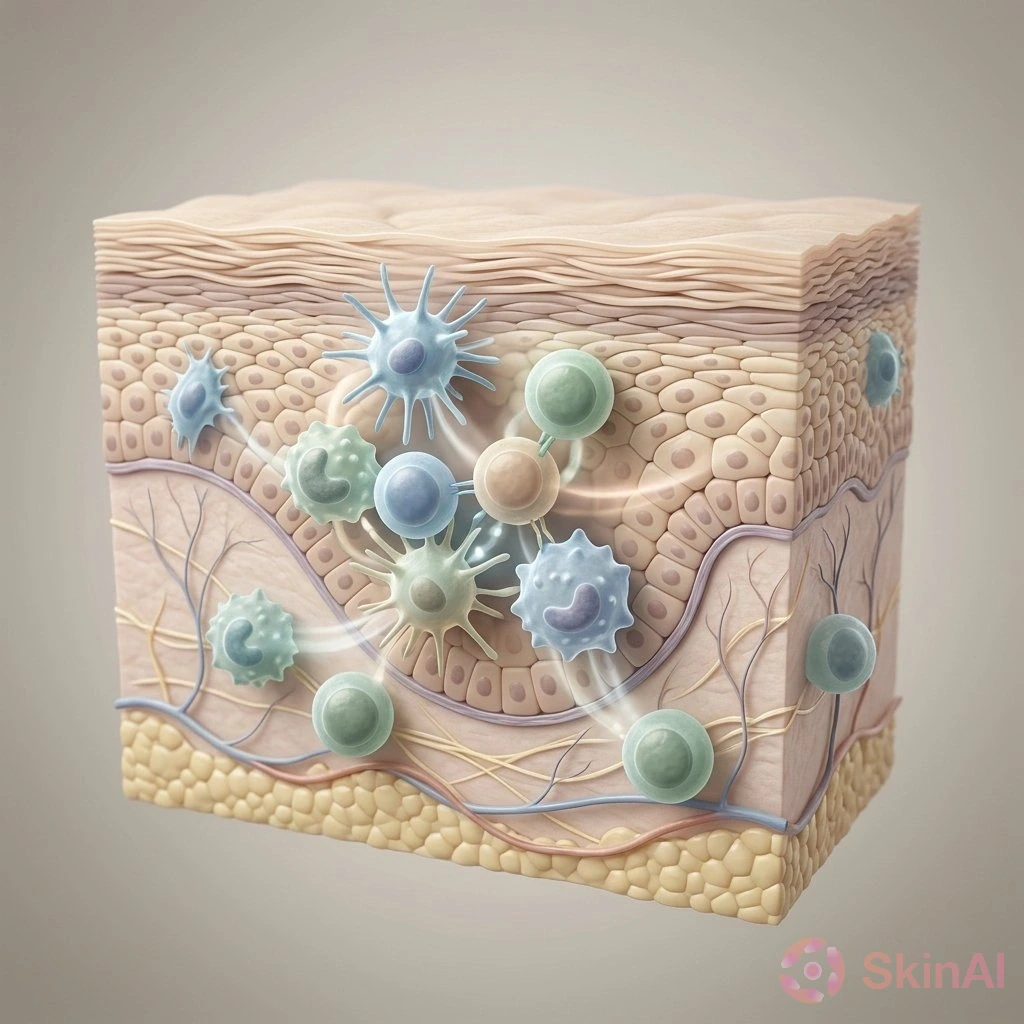
“Immunologic pathways” is a way of describing how cells and chemical signals in the immune system talk to each other. In many skin diseases, those signals cause inflammation, redness, itching, or scaly patches.
Knowing which parts of the immune system are involved helps clinicians pick treatments that target those specific signals. That can make treatment more precise than simply using a cream for symptoms. Sessions at the Elevate meeting looked at this in conditions such as atopic dermatitis (often called eczema) and psoriasis.
How this helps patients
When a clinician understands why a treatment works, they can describe it in plain terms: what the medicine is aiming at, how it may help, and what to expect. That kind of explanation often makes people feel more comfortable choosing a treatment, especially if they are worried about side effects or long-term medicine use.
As Cheever put it, confidence in the science can go a long way toward building trust between patient and clinician. Clear, simple explanations help people make informed choices and stick with a plan long enough to see if it works.
What “systemic” and “biologic” treatments mean
Systemic therapy means medicines that work throughout the body, not just on the skin. These can be pills or injections. Biologics are a type of systemic medicine that target specific parts of the immune system.
These options are used when creams and other local treatments aren’t enough, or when the disease affects quality of life. They aren’t the right choice for everyone, which is why a careful discussion with a dermatologist or pediatric dermatologist is important.
Children and psoriasis: “Kids only have one childhood”
One message from Cheever’s talk that resonated with attendees was simple: kids only have one childhood. Psoriasis and other chronic skin conditions can interfere with school, activities, sleep, and self-esteem.
Cheever encouraged clinicians not to let concerns about systemic medicines automatically stop them from recommending treatments that may help a child’s daily life. She urged dermatology teams to learn about these therapies and to advocate for children when using them is clinically appropriate. Families and clinicians should weigh the benefits and risks together.
(Source: American Academy of Dermatology guideline; Castelo-Soccio et al., pediatric psoriasis review)
Keeping an eye on visible changes
If you’re tracking a rash, patch, or other skin change, simple photos and notes about when it flares or what seems to trigger it can help your clinician. This can make appointments more productive and help decide whether earlier, broader treatment is needed.
When to see a doctor
- If a rash or lesion is spreading quickly, bleeding, very painful, or shows signs of infection (pus, warmth, or increasing redness).
- If skin disease is affecting daily life, school, sleep, or emotional well-being.
- If over-the-counter or prescribed creams aren’t helping, or if symptoms keep coming back.
- For children with persistent or severe psoriasis, consider seeing a dermatologist who treats pediatric patients to discuss all treatment options.
Important note
This article is based on a presentation and interview at the Elevate Summer Meeting and on published guidelines and reviews. It is for general information and not medical advice. Treatment decisions should be made with a doctor or dermatologist who knows the full health history and current situation. If you have rapidly worsening symptoms, signs of infection, or other urgent concerns, seek medical care promptly.
Sources
- American Academy of Dermatology. Pediatric psoriasis guideline. American Academy of Dermatology. Accessed August 10, 2026.
- Castelo-Soccio L, Kim W, Hammers CM, et al. Pediatric psoriasis: biologics and oral small molecule inhibitors in modern therapy. https://pubmed.ncbi.nlm.nih.gov/39950181/