
Alphyn Biologics Launches Phase 2 Trial for Zabalafin Hydrogel Treatment
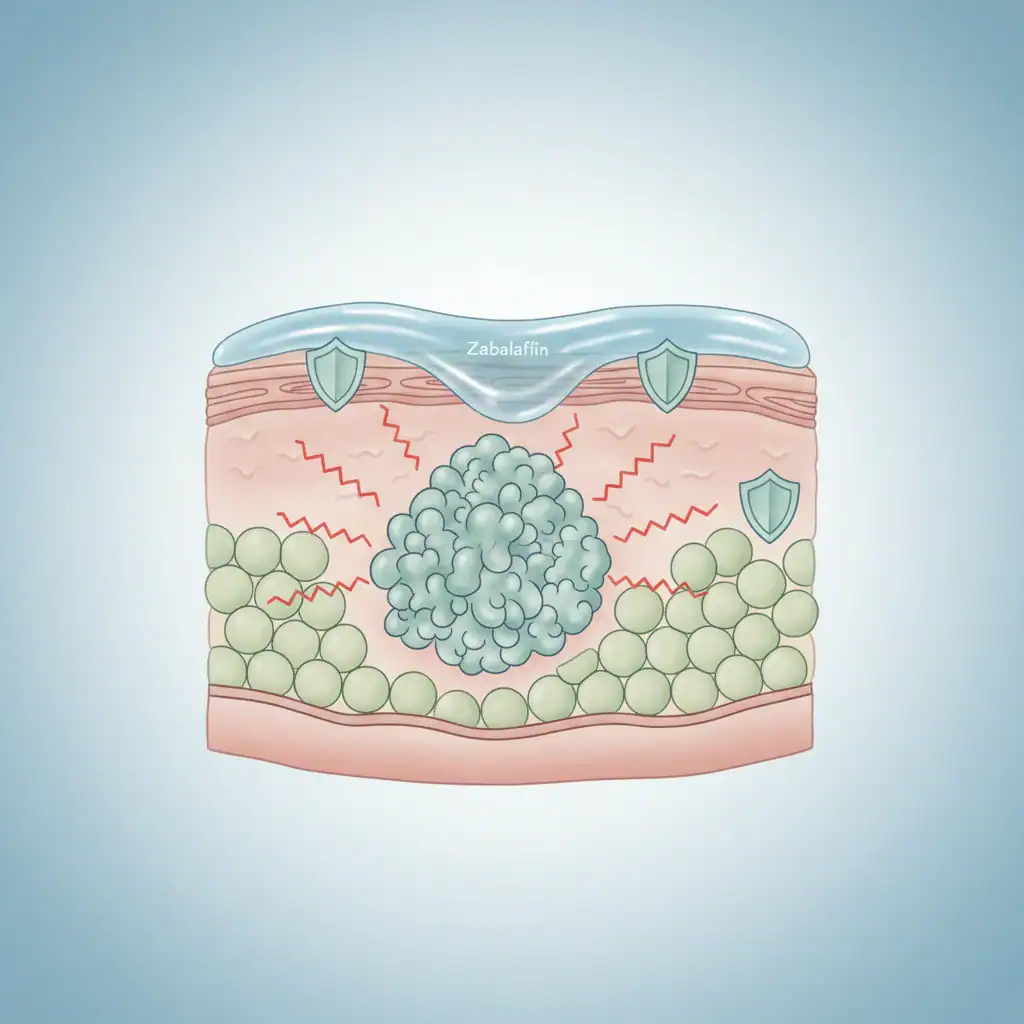
Alphyn Biologics Initiates Phase 2 Trial for Zabalafin Hydrogel in Molluscum Contagiosum
Alphyn Biologics has officially commenced the dosing of initial participants in a pivotal phase 2 clinical trial aimed at assessing the efficacy of Zabalafin Hydrogel for the treatment of molluscum contagiosum. This marks a significant advancement in the company’s dermatology development pipeline and represents the second clinical initiative stemming from its innovative Zabalafin Platform (Source: Alphyn Biologics press release). The trial is particularly noteworthy as it addresses an area within pediatric dermatology that has long faced challenges due to a lack of effective treatment options.
The newly launched phase 2 study is designed as a randomized, double-blind, placebo-controlled trial. It aims to recruit 54 patients aged six months and older across multiple sites in Australia and Latin America. Participants will be assigned to receive either Zabalafin Hydrogel or a placebo, which is defined as the hydrogel vehicle without the active ingredient, for a treatment duration of 16 weeks. Following this period, a final assessment will be conducted two weeks later.
The primary goal of the study is the elimination of at least 75% of molluscum lesions. The Zabalafin Hydrogel is derived from Alphyn’s proprietary platform, which utilizes a natural, plant-based technology composed of various bioactive compounds that work synergistically to provide multiple mechanisms of action.
According to the company, this multi-target strategy is designed to tackle several underlying factors associated with the disease concurrently. Specifically, in the context of molluscum contagiosum, the Zabalafin Hydrogel aims not only to directly target the virus but also to alleviate symptoms such as itch and inflammation. Furthermore, it seeks to assist patients suffering from associated conditions like molluscum dermatitis or secondary infections, which can exacerbate the overall disease burden.
This approach stands in contrast to many existing therapies that primarily focus on lesion destruction or providing symptomatic relief, often leaving other disease aspects reliant on the host’s immune responses. Notably, Zabalafin Hydrogel has advanced directly into phase 2 development, backed by a well-established safety profile from previous studies utilizing the Zabalafin Platform.
In addition to its application for molluscum contagiosum, the same topical formulation is also being investigated for atopic dermatitis, targeting immuno-inflammatory pathways, itchiness, bacterial colonization, and skin dryness (xerosis) (Source: Alphyn Biologics press release). This shared platform strategy highlights Alphyn’s commitment to leveraging a unified multi-target therapeutic framework across various dermatological conditions characterized by complex and interconnected pathological processes.
“The initiation of our clinical program targeting molluscum contagiosum represents a significant milestone for Alphyn and further validates the potential of our Zabalafin Platform,” stated Alphyn CEO Neal Koller. “The Zabalafin Hydrogel for this condition could effectively bridge a critical gap in treatment options by directly addressing various challenges associated with this disease—including, importantly, the direct elimination of the virus through a skin-friendly and well-tolerated topical formulation, as well as alleviating itch, inflammation, and, in some cases, addressing dermatitis and bacterial infections that contribute to pain” (Source: Alphyn Biologics press release).
Understanding Molluscum Contagiosum
Molluscum contagiosum is a prevalent and highly contagious viral skin infection that primarily affects children but can also occur in adults and individuals with compromised immune systems.
Clinically, this condition is characterized by the presence of small, dome-shaped papules that may become inflamed, itchy, and cosmetically distressing. Beyond the visible skin lesions, many patients experience secondary complications, including molluscum-associated dermatitis, excoriation from scratching, and superimposed bacterial infections, which can lead to additional pain.
While the condition is often self-limited, spontaneous resolution can take months or even years. During this time, lesions may spread within the individual and to close contacts, posing a significant psychosocial and public health challenge.
Current treatment options for molluscum contagiosum are frequently inadequate for many patients, particularly young children. Office-based procedures like curettage, cautery, and cryotherapy can effectively destroy lesions but are often painful, anxiety-inducing, and poorly tolerated in pediatric populations.
Although two therapies have recently gained approval from the U.S. Food and Drug Administration, there remains a strong demand for additional topical alternatives that are safe, pain-free, and easy to administer at home.
Consequently, a topical agent capable of directly targeting the virus while simultaneously addressing inflammation and itchiness would represent a substantial improvement in treatment options for those affected.
Sources
- Alphyn Biologics press release, “First Patients Dosed in Alphyn Biologics’ Phase 2 Trial of First-in-Class Topical Therapeutic for Molluscum Contagiosum”, February 18, 2026.
- Alphyn Biologics press release, “Alphyn announces first patient dosed in CLEAR-AD1 global phase 2b clinical trial program of Zabalafin Hydrogel for atopic dermatitis”, April 8, 2025.