
Revolutionary Blood Tests for Early Skin Cancer Detection in 2026
Understanding Early Cancer Detection in Dermatology
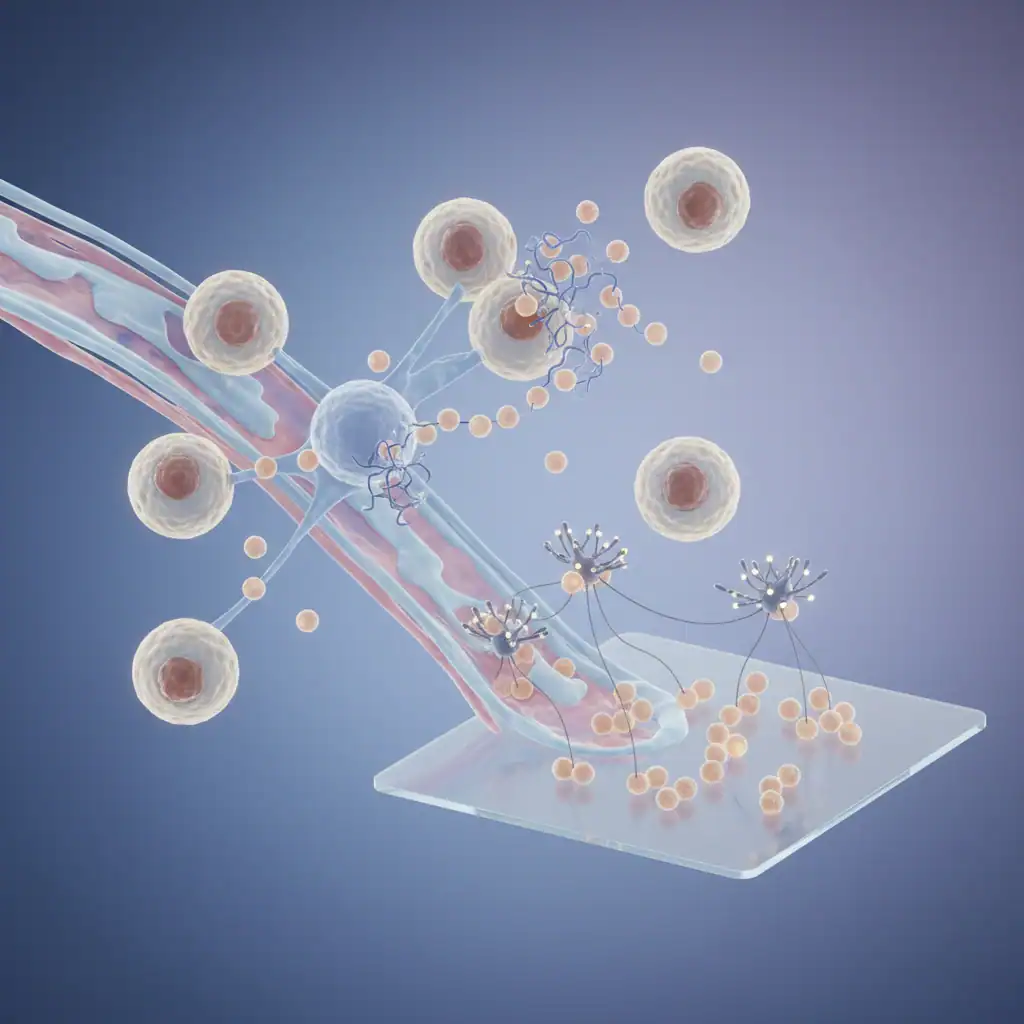
In recent consultations, many patients seeking aesthetic dermatology have expressed interest in the topic of early cancer detection. But what exactly does early cancer detection entail, and how does it function? A variety of blood-based technologies for cancer detection have been commercialized in recent years.
The Galleri Test
The most well-known among these is the prescription Galleri test, which is capable of identifying certain skin cancers, specifically melanoma and Merkel cell carcinoma. However, it is important to note that this test does not detect squamous cell carcinoma or basal cell carcinoma. The reason for this limitation lies in the fact that these types of cancer do not shed sufficient cell-free DNA (cfDNA) into the bloodstream for detection.
The Galleri test identifies specific patterns of methylated DNA associated with active cancers. It boasts an advertised accuracy rate ranging from 70% to 85% for organ-based cancers such as pancreatic or lung cancer, although its accuracy for melanoma is considerably lower, at approximately 46.2%.
Current Methods of Skin Cancer Detection
At present, comprehensive physical examinations remain more effective than commercialized early cancer detection methods for identifying skin cancers. In my practice, I have observed various moisturizers being marketed with claims that they can enhance the outcomes of botulinum toxin injections.
Do Moisturizers Enhance Botulinum Toxin Results?
This prompts the question: do these moisturizers actually work, and if so, how? The rising popularity of neurotoxin injections for facial aesthetics has piqued the interest of the skincare industry. Individuals who can afford these expensive injections are also prime candidates for premium facial moisturizers.
Generally speaking, moisturizers that claim to enhance the appearance post-neurotoxin injection do provide varying degrees of effectiveness. While toxin injections diminish muscle contractions—thereby reducing lines and wrinkles—they do not directly improve the skin’s smoothness and texture.
In this context, a moisturizer can facilitate greater textural improvement than a toxin injection alone. Consequently, integrating moisturizers with injections can yield superior aesthetic results. Many contemporary moisturizer formulations now incorporate peptides to amplify the muscle-relaxing effects initiated by neurotoxins.
The Role of Peptides in Skincare
One of the most recognized peptides in this arena is Argireline, which is the trademarked name for acetyl hexapeptide-8. This peptide is composed of six amino acids and works by destabilizing the SNARE complex, effectively reducing the release of neurotransmitters and thereby minimizing muscle movement.
Recently, there has been a trend towards combining Argireline with other muscle-relaxing peptides such as acetyl octapeptide-3 (also known as SNAP-8), pentapeptide-18 (marketed as Leuphasyl), and dipeptide diaminobutyroyl benzylamide diacetate (branded as Syn-Ake).
Acetyl octapeptide-3 acts similarly to Argireline at the neuromuscular junction but targets a different component of the SNARE complex, thus creating a synergistic effect. Pentapeptide-18 is said to mimic a natural peptide called leu-enkephalin, which reduces the release of acetylcholine, thereby enhancing the impact of acetyl hexapeptide-8.
On the other hand, dipeptide diaminobutyroyl benzylamide diacetate, which consists of three amino acids, mimics a peptide found in the venom of the temple pit viper and is often referred to as “snake venom peptide.” It imitates Waglerin-1, a peptide that blocks muscle nicotinic acetylcholine receptors, leading to impaired muscle movement.
The combination of these peptides that inhibit facial muscle activity is believed to be more effective than using a single peptide alone. However, the challenge lies in ensuring that these peptides penetrate adequately to the neuromuscular junction and remain at the active site for sufficient time to modulate biological muscle movement.
This is particularly challenging since the stratum corneum is specifically designed to prevent the penetration of peptides, as proteins can act as allergens. Nevertheless, the moisturizing vehicles that contain these peptides can significantly improve skin texture, an enhancement that injectable toxins alone cannot achieve.
The Role of Hyaluronic Acid
In many of the newer skincare formulations, hyaluronic acid has gained prominence. A common question arises: does topical hyaluronic acid have the same effects as its injectable counterpart? The answer is that hyaluronic acid offers similar benefits whether applied topically or injected.
This substance acts as a humectant, which means it attracts and retains water. It plays a crucial role in maintaining the dermis’s ability to hold moisture, a capacity that can be further enhanced through the exogenous injection of hyaluronic acid.
Injectable hyaluronic acid is often cross-linked to prolong its duration in the dermis for several months. In contrast, non-cross-linked injectable hyaluronic acid would degrade rapidly, lasting only a few days due to the presence of hyaluronidase enzymes in the skin.
Topical hyaluronic acid is typically not cross-linked, as it is designed to penetrate the skin to varying depths depending on molecular size. Larger molecular weight hyaluronic acid primarily remains on the skin’s surface, while smaller molecular weights are formulated to penetrate deeper into the stratum corneum and epidermis.
In summary, both topical and injectable hyaluronic acids are essentially the same substance, but they target different layers of the skin.
Sources
- National Cancer Institute, “Cancer Detection and Diagnosis”
- American Academy of Dermatology, “Skin Cancer Detection and Prevention”
- Journal of Cosmetic Dermatology, “Peptides in Skincare: Mechanisms and Efficacy”
- Clinical Dermatology Review, “Hyaluronic Acid: A Review of the Literature”