
Revolutionizing Atopic Dermatitis Treatment with Gene Expression Insights
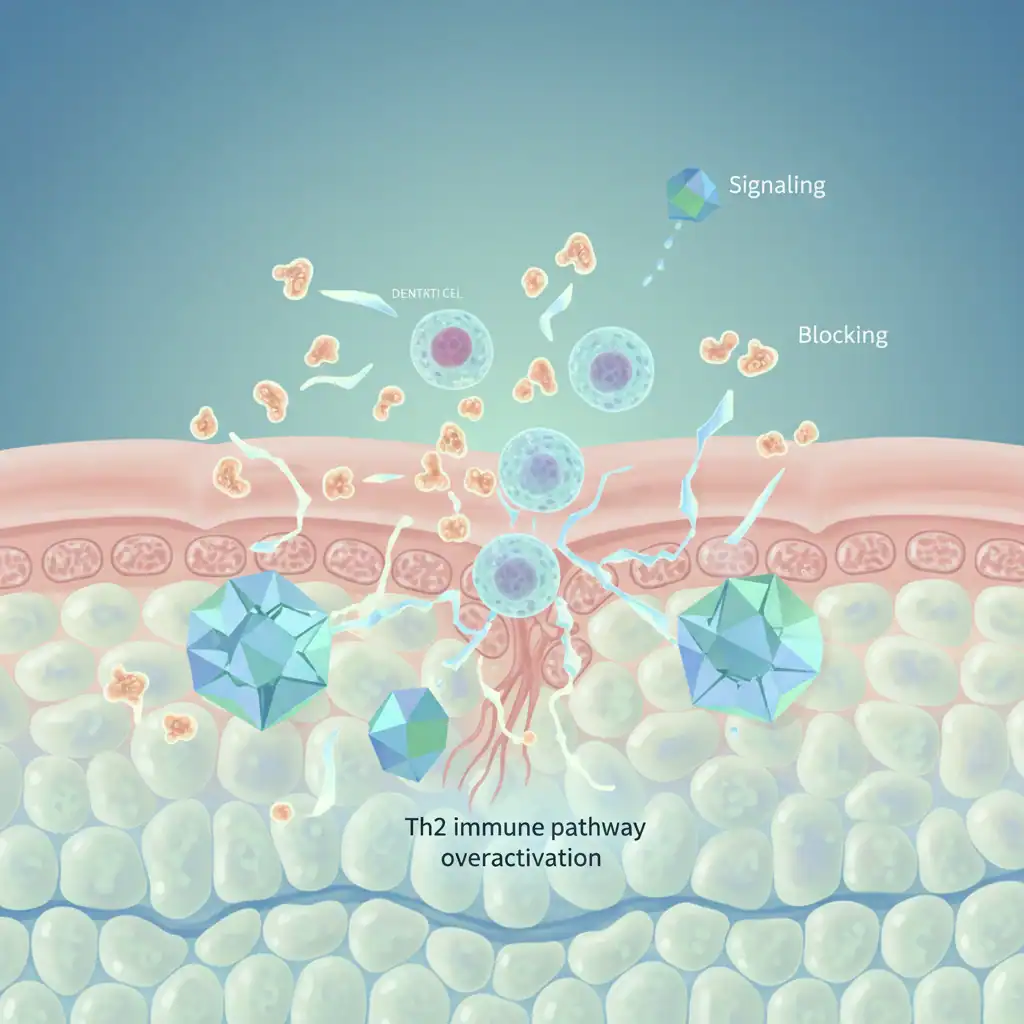
Understanding Atopic Dermatitis: A New Era in Treatment
As healthcare professionals, we have all encountered patients suffering from moderate to severe atopic dermatitis (AD)—those who have seemingly tried every possible treatment. These patients often go through a cycle of various topical therapies, phototherapy, and sometimes even systemic agents.
Some may experience temporary relief from a biologic, only to find themselves dealing with a flare-up months later. Others may struggle to achieve satisfactory control at any point. This scenario is all too familiar in the field of dermatology: we select a treatment, hope for the best, and monitor the patient’s response.
The Challenge of Systemic Treatment Decisions
For years, the decisions regarding systemic treatments for AD have been primarily based on clinical evaluations and the clinician’s experience. However, the disease is incredibly heterogeneous and biologically intricate, influenced by various immune pathways that can differ significantly from one patient to another.
Until now, there has been a lack of objective methods to determine which immune pathways are most active in a patient or which class of therapy may yield the best results. This represents an important unmet need in clinical dermatology, especially considering that AD impacts approximately 26 million individuals in the United States, with nearly 40% of those aged 12 and older experiencing moderate to severe forms of the condition (Source: National Eczema Association, Eczema stats).
Among these patients, the burden of the disease is substantial: over half report inadequate control of their symptoms, and more than 60% describe their itching as severe or unbearable. Many of these individuals have already exhausted topical options and are ready to transition to systemic therapies.
However, the decision to initiate treatment with a Th2-targeted biologic or a Janus kinase (JAK) inhibitor, which targets multiple inflammatory pathways, often involves a degree of educated guessing. This lack of precision can lead to prolonged disease activity, increasing frustration for both patients and clinicians.
Notably, around 40% of patients who begin treatment with a Th2-targeted biologic eventually find themselves needing to add another therapy or switch altogether. For those already grappling with itching, flares, sleep disturbances, and psychosocial stress, each ineffective treatment prolongs their search for relief.
Advancing Our Understanding of Treatment Response
As a researcher involved in the clinical studies that led to the creation of a new molecular tool for AD, I have witnessed how a deeper understanding of immune biology can revolutionize our therapy selection process.
This journey began with a straightforward question: Can we better characterize biological variability to refine the selection of systemic therapies? Our research team identified distinct immune patterns that can predict which patients are more likely to respond favorably to specific therapy classes.
These pivotal findings laid the groundwork for the development of AdvanceAD-Tx, a laboratory-developed test that assesses the expression of 487 genes across 12 skin biology and inflammatory pathways. The test employs a quick, non-invasive skin scraping technique—no biopsy is necessary—and utilizes machine-learning algorithms to classify patients into two distinct profiles:
- A JAK inhibitor responder profile
- A Th2 molecular profile
These profiles facilitate a match between the underlying molecular biology of a patient’s condition and the appropriate therapeutic class, enhancing treatment precision.
Insights from the IDENTITY Study
The development of AdvanceAD-Tx was grounded in data from the IDENTITY study, a prospective, multicenter validation research conducted across 49 clinical sites in the United States, by Castle Biosciences, Inc.
This study enrolled patients with AD, including those new to systemic therapy and those considering a switch. Results showed that patients identified with a JAK inhibitor responder profile who were treated with JAK inhibitors experienced significantly better outcomes compared to those receiving Th2-targeted biologics.
By the three-month mark, these patients were markedly more likely to:
- Achieve a 90% or greater improvement in the Eczema Area and Severity Index (EASI) 90 score at a rate 3.8 times faster
- Report no itch
- Remain flare-free
These findings underscore the importance of aligning treatment strategies with a patient’s unique disease biology, which can decrease therapeutic cycling and expedite improvement in symptoms.
Implementing Molecular Insights into Practice
The strength of the AdvanceAD-Tx test lies in its simplicity and practicality. Samples are collected through a quick in-office scrape of a patient’s lesion, and the resulting molecular data can enhance the clinician’s observations.
For patients who fit the JAK inhibitor responder profile, this information can instill confidence in initiating treatment with a JAK inhibitor, rather than a biologic that may not align as closely with their disease’s underlying mechanisms. Conversely, for patients identified as having a Th2 molecular profile, outcomes appear comparable across both classes of therapy, allowing clinicians to consider factors such as safety, dosing preferences, and cost in shared decision-making.
AdvanceAD-Tx introduces a new layer of precision to our treatment strategies, offering greater clarity and confidence in the selection of systemic therapies.
Moving Towards Precision Dermatology
The integration of molecular guidance has the potential to redefine our approach to managing AD, allowing us to tailor therapies according to each individual’s immune profile.
This personalized approach may lead to quicker symptom relief, fewer treatment failures, and a reduced burden on both patients and the healthcare system. For patients, this goes beyond just controlling the disease; it’s about restoring comfort, confidence, and an improved quality of life.
A Promising Path Forward
Atopic dermatitis has long presented challenges for clinicians due to its variability and persistence. However, we are now on the brink of moving beyond traditional methods of trial and error in therapy selection. By identifying the immune pathways that drive AD, we can guide treatment decisions with greater precision.
For our patients, this means faster relief and fewer setbacks. For dermatologists, it translates to enhanced confidence in our ability to treat not only the visible symptoms but the underlying biology as well.
This is the promise of molecular insight, ushering in an exciting new chapter in the care of atopic dermatitis.
Aaron Farberg, MD, is a double board-certified dermatologist and Mohs surgeon; chief medical officer at Bare Dermatology in Dallas, Texas; an investigator in the clinical research that led to the development of AdvanceAD-Tx.
Sources
- Eczema stats. National Eczema Association. Accessed November 18, 2025. https://nationaleczema.org/eczema-facts/
- Chiesa Fuxench ZC, Block JK, Boguniewicz M, et al. Atopic dermatitis in America study: a cross-sectional study examining the prevalence and disease burden of atopic dermatitis in the US adult population. doi:10.1016/j.jid.2018.08.028
- Schlosser AR, Nijman L, Schappin R, Nijsten TEC, Hijnen D. Long-term outcomes of new systemic agents in atopic dermatitis: drug survival analyses and treatment patterns in daily practice. doi:10.2340/actadv.v105.41504