
Debunking Clean Skincare Myths: What Social Media Isn’t Telling You
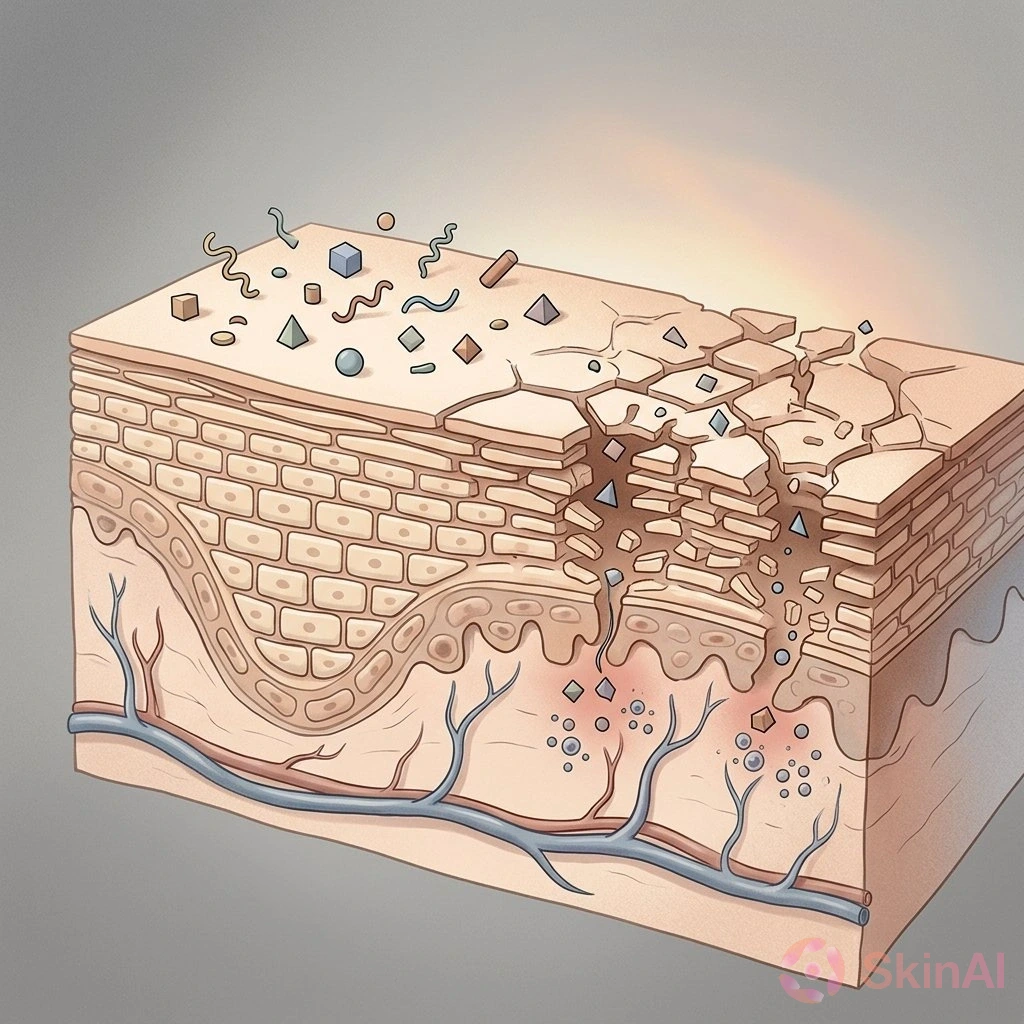
Are “clean” and “natural” skin care products really safer?
With viral skincare tips and trend-driven labels everywhere, many people now choose products marked “clean,” “natural,” or “non-toxic.” These words can feel reassuring, but do they actually mean a product is safer for your skin? Below I’ll explain what these labels do — and don’t — promise, what the research shows, and practical tips if you’re worried about reactions.
Quick summary
The label “clean” is a marketing term, not a regulated safety category. That means two products both called “clean” can have very different ingredients. Some natural ingredients, like essential oils, can cause allergic reactions. So “natural” does not always mean safer. Look at the full ingredient list and watch for symptoms; talk to a dermatologist if you have concerns.
Why the word “clean” can be confusing
The U.S. Food and Drug Administration does not define or regulate the terms “clean,” “natural,” or “non-toxic.” Brands and stores are free to make their own rules about what those labels mean. One retailer might ban around 50 ingredients and another might ban over 2,700. That means a product can be labeled “clean” by one company and not by another (Source: US Food and Drug Administration, Cosmetics Labeling Claims and Modernization of Cosmetics Regulation Act of 2022).
Ingredient-scanning apps and websites often give products a simple grade or “toxicity” score. Those scores usually look at whether an ingredient is present, not how much is in the product, how it’s mixed with other ingredients, or what the real safety data say. That creates a black-and-white idea: “clean” versus “chemical,” which doesn’t reflect how skin reactions work.
What the evidence says about natural ingredients
Many people assume natural or botanical ingredients are gentler on skin. But doctors and researchers who study contact allergies have found the opposite for some botanicals.
Allergic contact dermatitis is a type of skin allergy that happens when your skin becomes sensitized to a substance and then reacts on later exposure. It can cause redness, itching, and rash where the product was used.
Studies that use patch testing — a standard way to find skin allergens — show that a number of essential oils and plant extracts can and do cause allergic contact dermatitis. Oils such as tea tree, peppermint, and ylang-ylang have produced measurable rates of positive patch tests in large patient groups (Source: de Groot AC, Schmidt E; and North American Contact Dermatitis Group patch test data).
There’s another issue with some botanical fragrances. When certain components in lavender or citrus oils are exposed to air, they can change chemically into forms that are more likely to trigger an allergy. For example, oxidized forms of linalool and limonene can cause reactions, and recent testing found positive patch tests to linalool oxidation products in a noticeable share of patients (Source: Houle MC, DeKoven JG, Atwater AR, et al.).
Reviews of allergic reactions to cosmeceuticals point out that items marketed as natural are often assumed to be safer, but can have a high “allergen burden” for some botanical ingredients (Source: Oliver B, Krishnan S, Rengifo Pardo M, Ehrlich A).
So, is “clean” skincare a myth?
Yes and no. It is a myth to assume the label itself guarantees safety. The word “clean” doesn’t have a scientific or toxicological meaning, so it should not be used as a shortcut for safety. That said, some products marketed as clean are perfectly fine for many people. The important thing is to look at the actual ingredients and how your skin responds.
Practical points to remember
- Remember the label isn’t a safety test. Two “clean” products can be very different.
- Watch out for essential oils and fragrances. They are common causes of allergic skin reactions, especially after they’ve oxidized from air exposure.
- Ingredient-scanning apps can be helpful, but they aren’t perfect. They may flag an ingredient simply because it appears on a list, without context about concentration or real-world risk.
- Individual skin matters. What causes a reaction for one person may be fine for another. If you have sensitive skin or a history of allergies, check ingredient lists carefully.
What to tell your clinician if you’re using “clean” products
- Bring the full ingredient list for any product that might be causing a reaction.
- Note when the reaction started and what changed in your routine.
- Mention use of essential oils, fragranced products, or new “natural” items.
- Be open to patch testing if a dermatologist thinks an allergy is likely. Patch testing helps identify specific substances that cause contact dermatitis.
When to see a doctor
See a dermatologist or primary care doctor if you have a rash that is spreading, very itchy, blistering, painful, infected, or not improving after stopping the suspected product. If a skin change is fast-growing, bleeding, or otherwise unusual, get medical advice promptly. Your clinician can help identify an allergen and recommend treatments or tests like patch testing.
If you want to keep track of visible changes in your skin over time, a simple photo log can help you notice patterns and prepare for a doctor visit. Take pictures under similar lighting and note the dates and products used.
Short disclaimer
This article is for informational purposes and does not replace medical advice. If you have concerns about a skin reaction, speak with a doctor or dermatologist who can assess your situation and recommend testing or treatment as needed.
Sources
- US Food and Drug Administration. Cosmetics Labeling Claims — guidance on unregulated marketing terms including “clean,” “natural,” and “non-toxic.” Modernization of Cosmetics Regulation Act of 2022 (MoCRA). (Source: US Food and Drug Administration)
- de Groot AC, Schmidt E. Essential Oils, Part IV: Contact Allergy. (Source: de Groot AC, Schmidt E)
- Houle MC, DeKoven JG, Atwater AR, et al. North American Contact Dermatitis Group Patch Test Results: 2021-2022. (Source: North American Contact Dermatitis Group)
- Oliver B, Krishnan S, Rengifo Pardo M, Ehrlich A. Cosmeceutical Contact Dermatitis—Cautions To Herbals. Current Treatment Options in Allergy, 2015. (Source: Oliver et al.)