
New AAD and HS Foundation Guidelines Offer Hope for Hidradenitis Suppurativa Care
New joint guidelines for hidradenitis suppurativa: what people with HS should know
The American Academy of Dermatology (AAD) and the Hidradenitis Suppurativa Foundation (HSF) have published their first joint set of care guidelines for hidradenitis suppurativa, often called HS. These guidelines cover people aged 9 and older, including children, teens, and adults, and include 37 evidence-based recommendations about treatments and care. (Source: Journal of the American Academy of Dermatology, American Academy of Dermatology press release)
What is hidradenitis suppurativa?
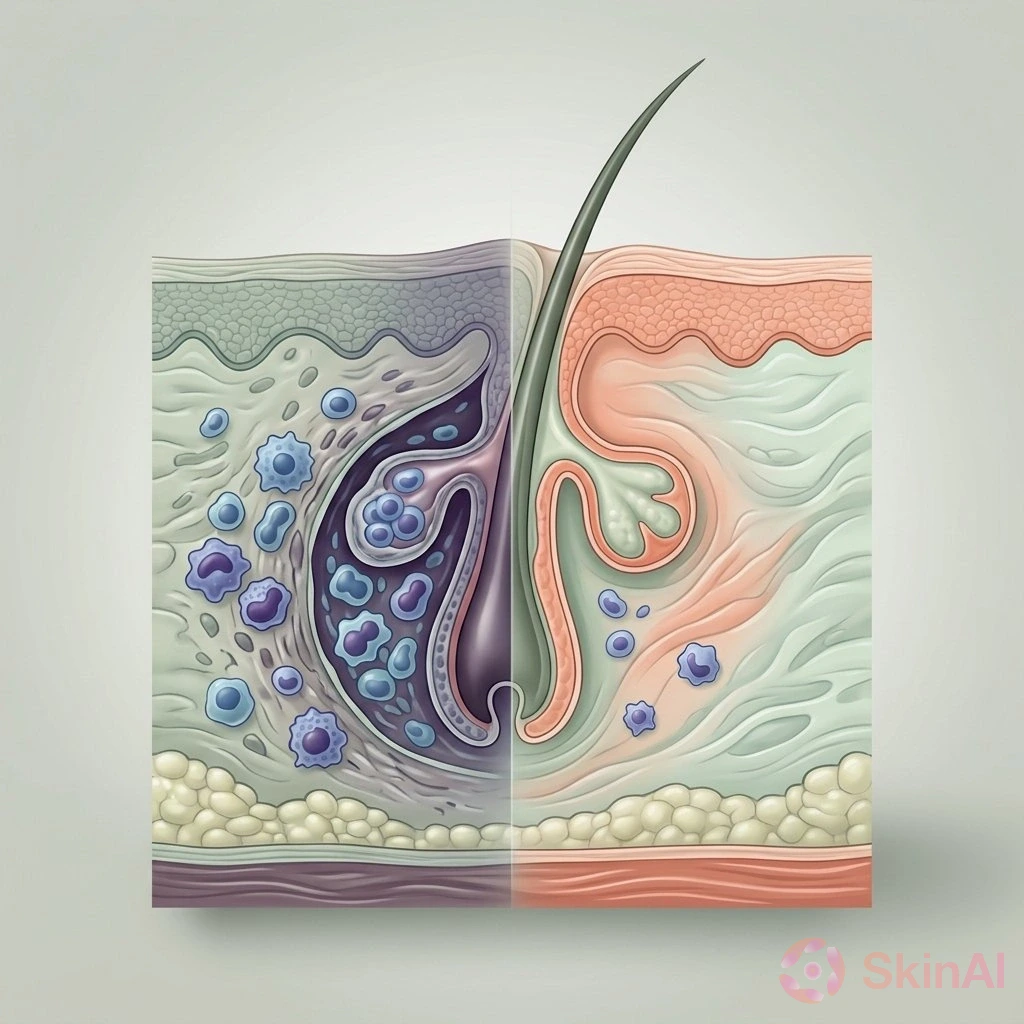
Hidradenitis suppurativa (HS) is a long-term skin condition that causes painful bumps, abscesses, and tunnels (sinuses) under the skin, usually in areas like the armpits, groin, and under the breasts. HS can cause lasting pain, scarring, and emotional stress. The new guidelines are meant to give patients, clinicians, and insurers a clear, evidence-based roadmap for care. (Source: Journal of the American Academy of Dermatology)
Quick summary of the key points
- The guidelines used a formal review method (GRADE) and included input from patients about what matters most to them. (Source: Journal of the American Academy of Dermatology)
- Strong support was given for four biologic medicines in people with moderate to severe HS: adalimumab, bimekizumab, secukinumab, and infliximab. The strength of evidence varied by drug. (Source: Journal of the American Academy of Dermatology)
- Many other treatments received conditional recommendations, meaning they may help some people depending on individual situations. Some treatments were recommended against. (Source: Journal of the American Academy of Dermatology)
- The guideline authors say that step therapy (rules that require trying cheaper treatments first) lacks evidence of benefit in HS and can cause delays and worse outcomes. (Source: Journal of the American Academy of Dermatology)
What the guidelines say about biologic medicines
Biologics are advanced prescription medicines that target parts of the immune system. The panel gave strong recommendations for these biologics in moderate to severe HS:
- Adalimumab (40 mg weekly). Across several randomized trials, about twice as many people on adalimumab reached a meaningful improvement at 12 weeks compared with placebo. The guideline uses a common HS outcome called HiSCR50, which means at least a 50% reduction in the number of painful bumps and abscesses. (Source: Journal of the American Academy of Dermatology)
- Bimekizumab (320 mg every 2 weeks). In trials, bimekizumab showed better results than placebo at 16 weeks for both HiSCR50 and a higher threshold, HiSCR75 (about 75% improvement). (Source: Journal of the American Academy of Dermatology)
- Secukinumab (300 mg every 2 or 4 weeks). Trials showed improvement versus placebo at 16 weeks. (Source: Journal of the American Academy of Dermatology)
- Infliximab. The panel recommended infliximab based on evidence of large benefits for some people with treatment-resistant disease, with the most favorable results reported at 10 mg/kg every 4 weeks, though the certainty of the evidence was rated lower than for the other three biologics. (Source: Journal of the American Academy of Dermatology)
The guidelines also made these related points:
- They conditionally recommend continuing adalimumab around the time of surgery in some situations, rather than stopping it automatically. (Source: Journal of the American Academy of Dermatology)
- They gave a conditional recommendation for upadacitinib for moderate to severe HS. (Source: Journal of the American Academy of Dermatology)
- They recommended against some biologics (etanercept, guselkumab, risankizumab, vilobelimab) because trials did not show meaningful benefit on main outcomes. (Source: Journal of the American Academy of Dermatology)
Topical medicines, antibiotics, and other medical treatments
For mild to moderate HS, the guidelines offered conditional support for skin-applied options including topical clindamycin, resorcinol, and topical ruxolitinib. A phase 2 trial of ruxolitinib 1.5% cream found that more people reached HiSCR50 at 16 weeks versus the cream vehicle, but this was an early study and evidence was rated low. (Source: Journal of the American Academy of Dermatology)
Common oral antibiotics such as doxycycline and tetracycline, and the combination of clindamycin with rifampin, received conditional support. Intravenous ertapenem was suggested as a short-term option for severe, treatment-resistant cases, usually as a bridge to longer-term therapy. (Source: Journal of the American Academy of Dermatology)
The panel gave conditional support to spironolactone and short-term systemic corticosteroids in some situations. They conditionally recommended against the routine use of medicines such as acitretin, isotretinoin, methotrexate, azathioprine, and avacopan, although methotrexate and azathioprine may still be used to prevent or manage antidrug antibodies in people taking certain biologics. (Source: Journal of the American Academy of Dermatology)
Procedures and other supportive options
Several procedures received conditional support as options depending on the person’s situation. These include:
- deroofing (removing the roof of tunnels or abscesses),
- incision and drainage,
- lesional or regional excision (cutting out affected tissue),
- laser hair removal,
- botulinum toxin injections,
- intralesional triamcinolone (steroid shots),
- and adjunctive hyperbaric oxygen therapy.
The guidelines also make practical recommendations: avoid radiotherapy in children and adolescents, assess pain routinely as part of care, and offer supportive measures such as pain management, help to stop smoking, oral zinc if appropriate, and replacing vitamin D in people who are deficient. (Source: Journal of the American Academy of Dermatology)
What the guidelines say about treatments that lack good evidence
The authors judged the evidence was insufficient to recommend certain drugs and approaches, including GLP-1 or combined GLP-1/GIP receptor agonists, specific diets, and some biologics such as ustekinumab. They called for more direct comparisons between biologic drugs and for outcome measures that better capture mild disease and the burden from tunnels under the skin. (Source: Journal of the American Academy of Dermatology)
Patient involvement and health system issues
The guideline panel used the GRADE approach, which systematically rates the quality of evidence and balances benefits and harms. Patient partners were included to reflect real-world values and preferences. The authors also warned that step therapy policies, which force people to try certain treatments first, have not shown clinical benefit in HS and can delay access to appropriate care and worsen outcomes. (Source: Journal of the American Academy of Dermatology)
Tracking changes in your skin
If you are living with HS, keeping a simple photo log of affected areas over time can help you and your clinician notice whether bumps, drainage, or tunnels are getting better or worse. Photos can be useful when discussing changes at clinic visits.
When to see a doctor
If you have painful, recurring bumps, drainage, new or rapidly changing lesions, increasing pain, or signs of infection (fever, spreading redness), see a healthcare professional. Treatment decisions for HS should be made together with a dermatologist or other clinician experienced in HS care. This article explains the guidelines but is not a substitute for medical advice.
Sources
- Naik HB, Yeung H, Frazer-Green L, et al. Joint American Academy of Dermatology-Hidradenitis Suppurativa Foundation guidelines of care for the management of hidradenitis suppurativa. Published online October 17, 2026. https://doi.org/10.1016/j.jaad.2026.08.125 (Source: Journal of the American Academy of Dermatology)
- American Academy of Dermatology. First joint guidelines of care for hidradenitis suppurativa issued by American Academy of Dermatology and Hidradenitis Suppurativa Foundation. Published October 20, 2026. https://www.prnewswire.com/news-releases/first-joint-guidelines-of-care-for-hidradenitis-suppurativa-issued-by-american-academy-of-dermatology-and-hidradenitis-suppurativa-foundation-302914286.html (Source: American Academy of Dermatology press release)