
EADV 2026 Atopic Dermatitis Updates: Tilrekimig and RAC2 Inhibitor Advances
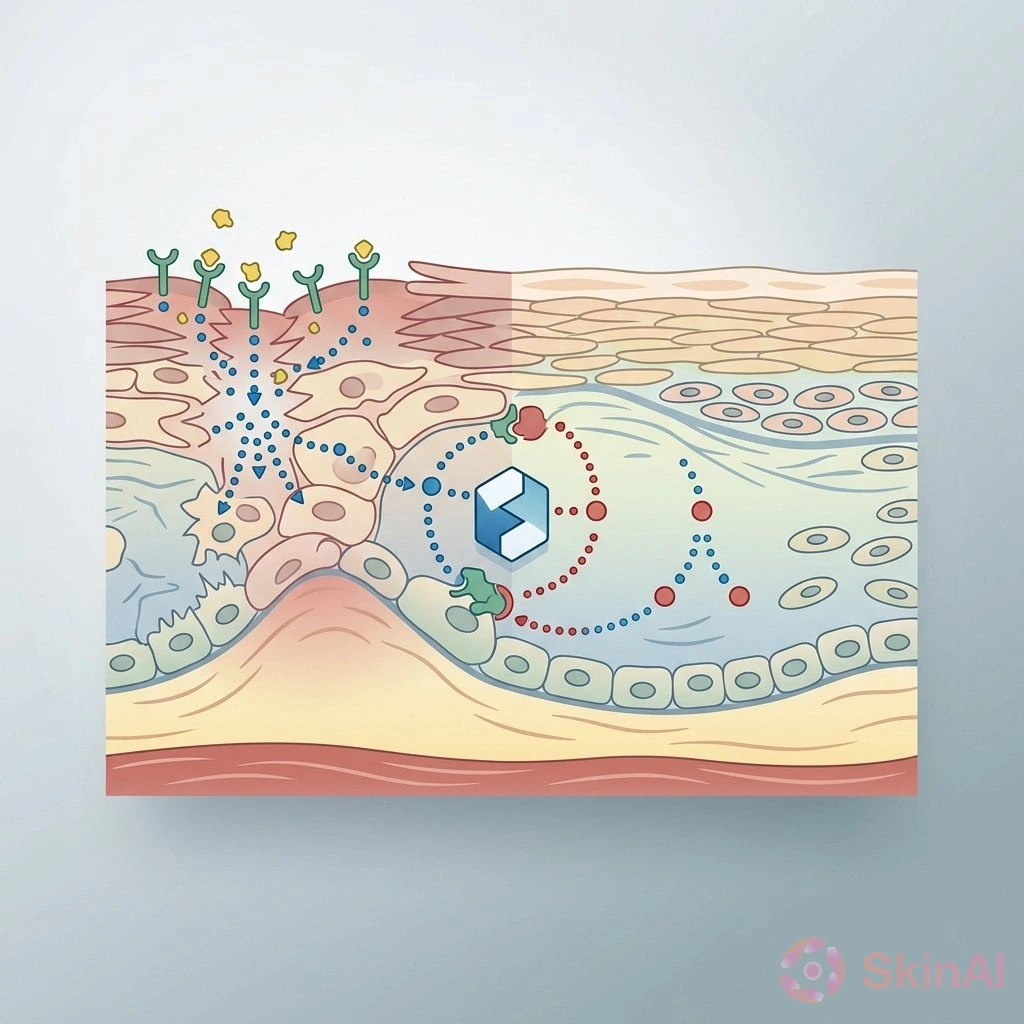
Why this matters
New research presented at dermatology meetings this fall looked at several promising ideas for people with atopic dermatitis (often called eczema) — including how different medicines affect skin inflammation and the skin’s barrier. These updates can help explain why some treatments may work faster or more broadly than others. The findings were shared by Christopher Bunick, MD, PhD, an associate professor of dermatology at Yale School of Medicine, during Fall Clinical 2026 and at the European Academy of Dermatology and Venereology (EADV) 2026 meeting.
Quick summary
The main takeaways:
- A new tri-target biologic called tilrekimig showed signs of reducing both skin symptoms and itch in early reports.
- A small early study of a drug called ENV-294, which targets a protein called RAC2, showed dramatic improvement in a handful of patients, but the study was very small (9 people).
- Data from the Level Up trial compared upadacitinib (a JAK1 inhibitor, a pill) with dupilumab (a mono-target biologic given by injection). Upadacitinib appeared to change more inflammatory signals and boosted certain skin barrier genes earlier than dupilumab.
- These results are interesting but not final; larger and longer studies are needed before drawing firm conclusions.
What the new drugs are and what the results mean
Atopic dermatitis involves too much inflammation in the skin and a weaker skin barrier. Different drugs work by blocking different parts of the immune system.
Tilrekimig — a drug that aims at three targets
Tilrekimig is a biologic (a lab-made protein given by injection) that targets three immune signals: TSLP, IL-4, and IL-13. These signals help drive itch and inflamed skin in many people with atopic dermatitis. Early presentations reported improvements in both skin symptoms and itch, which is encouraging.
ENV-294 — a new target called RAC2
ENV-294 blocks a protein called RAC2. This protein hasn’t been discussed much before in eczema research. In a very small study of nine participants, researchers saw a dramatic drop in scores that measure eczema severity (EASI, or Eczema Area and Severity Index). That looks promising, but the number of people was tiny, so we need larger trials to see if the results hold up.
Level Up trial: comparing a JAK inhibitor with a mono-target biologic
The Level Up trial put two treatments head-to-head: upadacitinib (an oral JAK1 inhibitor) and dupilumab (an injected biologic that primarily blocks IL-4 and IL-13 signaling). Bunick presented analysis of skin biopsies from people in that trial, looking at inflammatory signals and genes that help the skin barrier (like filaggrin and loricrin).
Key findings from the biopsy and biomarker work:
- Upadacitinib led to broader reductions in inflammatory pathways than dupilumab did.
- Genes involved in making a strong skin barrier, such as filaggrin and loricrin, increased earlier and more with upadacitinib.
In plain language, the pill (upadacitinib) affected more of the immune messengers that drive eczema, while dupilumab focused on a narrower set of targets. That difference showed up in the skin samples researchers examined.
Mono-target biologic versus JAK1 inhibitor — what’s the practical difference?
Think of immune signals as several knobs that boost inflammation. Dupilumab mainly turns down two knobs (by blocking the IL-4 receptor and thus IL-4 and IL-13 activity). Upadacitinib turns down many knobs at once because it blocks JAK1, a protein that helps several different inflammatory signals work.
That broader action may explain why researchers saw wider changes in inflammation and faster improvement in skin barrier genes with upadacitinib. However, broader effects can also mean different side effects, and which treatment is best depends on each person’s situation.
Why this is still early
Some findings came from very small or early studies. For example, the RAC2 inhibitor data involved only nine patients. Early results can be exciting but aren’t enough to show a treatment will work for many people over time. Larger, longer trials are needed to confirm benefits and to understand safety.
When to see a doctor
If your eczema is getting worse, interfering with sleep, causing frequent infections, or if you notice fast changes in a rash (bleeding, sudden pain, pus, or rapid growth), talk with your doctor or a dermatologist. They can explain what current treatment options might be right for you and whether newer drugs are appropriate in your case.
If you’re already on treatment and thinking about switching because of new study headlines, discuss it with your provider first. Treatment decisions depend on many factors, including medical history, other medications, and personal preferences.
Tracking skin changes
It can help to photograph or note changes in your skin over time (location, size, how it feels). That information can make visits with your dermatologist more useful and help track how well treatments are working.
Disclaimer
This article summarizes research presented at medical meetings and does not give medical advice. If you have health concerns or questions about treatment, please consult a doctor or dermatologist. For serious or rapidly changing skin problems, seek prompt medical care.
Sources
- Presentation by Christopher Bunick, MD, PhD, Fall Clinical 2026 (update on JAK inhibitor safety and acne treatments; additional discussion of atopic dermatitis data).
- Late-breaker presentations at the European Academy of Dermatology and Venereology (EADV) 2026 (including reports on tilrekimig and ENV-294).
- Level Up trial (head-to-head randomized controlled trial comparing upadacitinib and dupilumab); biomarker and histology analyses presented at EADV 2026 by Christopher Bunick, MD, PhD.