
New Phase 3 Study Confirms Apremilast’s Efficacy for Genital Psoriasis
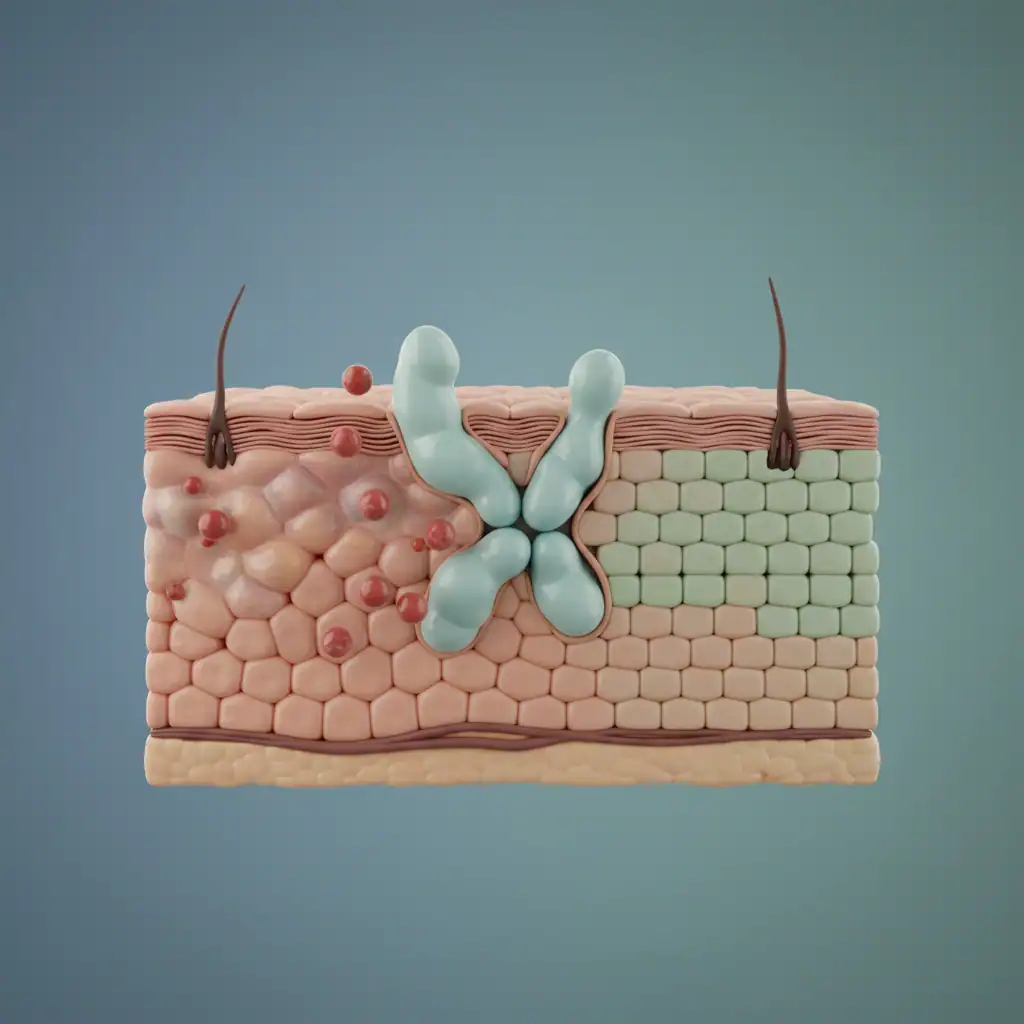
Understanding Genital Psoriasis: A Closer Look at Recent Findings
Genital psoriasis is a challenging and often overlooked form of psoriasis that can significantly affect individuals’ quality of life. Common symptoms include pain, itching, and sexual dysfunction, which can lead to considerable emotional distress. Recent phase 3 clinical trial data has shed light on the efficacy and safety of apremilast, a treatment option for adults suffering from moderate to severe genital psoriasis.
The DISCREET Trial: Overview
The DISCREET study represents the first randomized, double-blind, placebo-controlled trial specifically aimed at evaluating the effects of an oral systemic therapy on genital psoriasis, utilizing targeted clinical endpoints pertaining to the genital area.
This multicenter trial (NCT03777436) involved a total of 289 participants who were randomized in a 1:1 ratio to receive either apremilast 30 mg twice daily or a placebo for a duration of 16 weeks. Following this period, all participants were switched to apremilast for an additional 16 weeks.
Patients eligible for this study were those with moderate to severe genital psoriasis, characterized by a modified static Physician’s Global Assessment of Genitalia (genital PGA) score of ≥3, and who had not achieved adequate disease control with topical therapies or were intolerant to them.
It is important to note that concomitant systemic or biologic therapies were not permitted during the study. Out of the randomized participants, 229 proceeded to the extension phase, and 201 completed the full 32 weeks of the trial. The baseline mean Dermatology Life Quality Index (DLQI) score was recorded at 12.9.
Key Results from the Trial
At the 16-week mark, the primary results indicated that apremilast demonstrated superiority over the placebo in achieving a modified genital PGA response, with participants exhibiting clear or almost clear skin and a ≥2-point reduction.
These positive results were not only maintained but also improved over the subsequent 32 weeks. By week 32, 51.8% of patients who transitioned from placebo to apremilast at week 16 and 40.3% of those who received continuous apremilast reported achieving a modified genital PGA response.
Overall static PGA responses at this point were recorded at 33.6% for the placebo/apremilast group and 30.3% for the apremilast/apremilast group. Remarkably, nearly 30% of participants achieved complete genital skin clearance by week 32, with noticeable improvements in overall skin involvement as well.
The mean change in body surface area (BSA) at week 32 was −4.4% for those initially on placebo followed by apremilast, and −5.3% for those who remained on apremilast throughout the study, indicating sustained reductions in disease activity.
Patient-Reported Outcomes
Improvements in patient-reported outcomes mirrored the clinical assessments made by physicians. Among participants who had baseline genital itch scores of ≥4, about 47% in both treatment groups experienced a ≥4-point improvement in the Genital Psoriasis Itch Numeric Rating Scale (GPI-NRS) by the end of the trial.
Additionally, significant reductions in the Genital Psoriasis Symptoms Scale (GPSS) total scores were observed, with scores decreasing by −25.7 and −25.0 points in the placebo/apremilast and apremilast/apremilast groups, respectively. These reductions reflect marked improvements in key symptoms such as itching, pain, burning sensations, redness, scaling, and cracking.
Quality of life metrics also exhibited notable improvements. At the study’s conclusion, the mean change from baseline in DLQI was −7.4 for the placebo/apremilast group and −6.1 for the continuous apremilast group.
More than a quarter of the patients reached a DLQI score of 0 or 1, signifying minimal or no impact of their disease on daily life. Furthermore, sexual health, as evaluated through DLQI Question 9 (DLQI-Q9), showed significant enhancement, with mean changes from baseline of −0.9 and −0.7, and approximately half of the evaluable participants achieving a DLQI-Q9 score of 0 by week 32.
Further Analysis and Subgroup Findings
Post hoc analyses revealed a strong correlation between reductions in genital itch (GPI-NRS response) and improvements in overall and sexual quality of life. Subgroup analyses based on gender indicated benefits for both men and women; however, women experienced greater improvements in several clinical endpoints, including genital PGA, itch response, DLQI, and sexual quality of life measures.
This is particularly noteworthy as women often report a higher symptom burden and greater sexual distress associated with genital psoriasis, despite the study population being predominantly male (70%).
Safety Profile of Apremilast
Safety findings throughout the 32-week trial were consistent with the established profile of apremilast. Among the 252 patients who were exposed to apremilast (totaling 107 patient-years), 69% reported at least one treatment-emergent adverse event. The most frequently reported events included diarrhea (25.4%), nausea (19.4%), headache (17.9%), and nasopharyngitis (8.3%), which typically occurred early in treatment and aligned with findings from previous psoriasis studies.
Serious adverse effects were rare, occurring in only 2.0% of participants, and 6.3% of patients discontinued treatment due to adverse events, primarily gastrointestinal symptoms or depression. Importantly, no new safety signals were identified during the extended exposure period.
Conclusion and Considerations
While there are limitations to consider—such as the lack of a placebo comparator beyond week 16, limited sexual function assessment beyond DLQI-Q9, and the relatively short follow-up of 32 weeks—these findings suggest that for patients with moderate to severe genital psoriasis who are inadequately managed with topical therapy or prefer an oral systemic alternative, apremilast represents a clinically meaningful treatment option, as evidenced by the new data presented.
Sources
- Merola JF, Guenther L, Lynde C, et al. Results from the 32-week, phase 3 DISCREET study of apremilast in patients with moderate to severe genital psoriasis. J Eur Acad Dermatol Venereol. doi:10.1111/jdv.70110.
- Meeuwis KA, van de Kerkhof PC, Massuger LF, de Hullu JA, van Rossum MM. Patients’ experience of psoriasis in the genital area. Dermatology. doi:10.1159/000338858.