
Global Experts Unveil New Guidelines for Integrated Skin Care Success
Why this matters
If you’re thinking about a cosmetic skin procedure — anything from laser treatments to injections or chemical peels — you’ve probably wondered what lotions or serums to use before and after. A group of international skin experts recently put together practical guidance to help clinicians choose skincare ingredients that may support healing, reduce irritation, and improve cosmetic results.
A quick plain-language summary
The experts looked at many common active ingredients used in creams and serums and agreed on which ones are usually safe to use before, during, and after different kinds of aesthetic procedures. They also pointed out ingredients to avoid right around the time of treatment because they can irritate or increase the risk of complications like redness or dark spots. The recommendations are meant to help clinicians personalize skincare plans based on the procedure and each patient’s skin.
What is “integrated skincare” (ISC)?
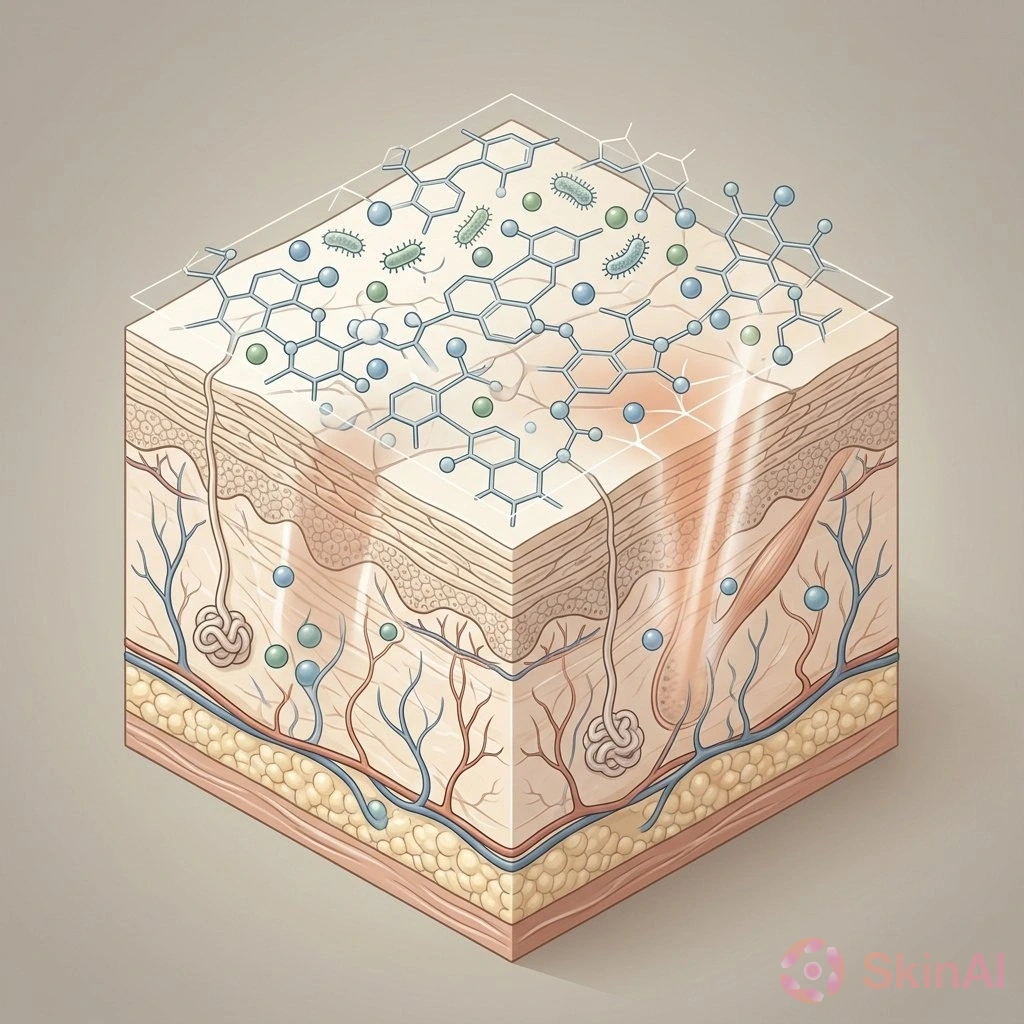
Integrated skincare means using clinically studied skincare products — for example, moisturizers, barrier-repair creams, and topical antioxidants — together with medical aesthetic procedures. The goal is to prepare the skin ahead of time, protect and repair the skin barrier after a procedure, and support better long-term results.
How the guidance was developed
An international panel of 14 experts from 10 countries reviewed the evidence and used a simplified Delphi process to form a consensus. They evaluated 44 active topical ingredients across four types of procedures:
- Procedures that intentionally remove skin layers (ablative energy-based).
- Procedures that use energy but don’t remove skin layers (non-ablative energy-based).
- Procedures that don’t disrupt the skin barrier (non-energy-based, no barrier disruption).
- Procedures that do disrupt the barrier without energy devices (non-energy-based with barrier disruption).
The recommendations cover four phases of care: pretreatment, the day of the procedure, short-term aftercare, and follow-up beginning at least one week after the procedure. The panel’s work was informed by a review of 68 clinical studies published between 2003 and 2025, including 46 randomized controlled trials. About two-thirds of those studies included people with darker skin tones, which is important because darker skin is at higher risk of developing post-inflammatory hyperpigmentation (dark spots) after procedures (Source: Bjerring et al., J Cosmet Dermatol).
Ingredients that experts agreed are broadly useful
The group found several ingredients that are generally appropriate across many procedures and time points. These tend to support the skin barrier, soothe the skin, and help with hydration:
- Ceramides and cholesterol: lipids that help repair and protect the skin barrier.
- Hyaluronic acid: hydrates and can help comfort the skin during healing; certain low-molecular-weight forms may penetrate deeper and support wound healing but could increase inflammation after more aggressive resurfacing procedures.
- Niacinamide: helps calm the skin and supports barrier function.
- Peptides: supportive for skin health and repair over time.
- Panthenol and alpha-bisabolol: commonly found in calming, soothing products.
- Vitamin C: ranked highly for many procedures and phases, though it was not recommended for pretreatment in some low-risk procedures without barrier disruption.
The panel highlighted ceramides and hyaluronic acid as especially helpful during the procedure itself and in the early aftercare period because they support the skin barrier and soothe irritation (Source: Bjerring et al., J Cosmet Dermatol).
Ingredients recommended for pretreatment and long-term follow-up
Some actives are useful to use before a procedure to prepare the skin and again later for continued skin improvement. The panel favored:
- Retinoids (vitamin A derivatives): helpful before and after for promoting collagen and cell turnover, but they can irritate during the immediate healing phase so they are generally avoided around the day of treatment.
- Ferulic acid: an antioxidant that was recommended during pretreatment and longer-term follow-up.
Ingredients to avoid on the day of treatment (and sometimes the first week)
During the immediate healing phase, safety and tolerability are top priorities. The panel agreed that certain ingredients are not appropriate on treatment day across all procedure types because they can cause irritation or inflammation. These include:
- Azelaic acid
- Benzoyl peroxide
- Cysteamine
- Glycolic acid
- Hydroquinone
- Lactic acid
- Retinoids
- Salicylic acid
In many cases, experts also recommended avoiding these actives during the first week of aftercare. The panel made a point that retinoids are a good example of an ingredient helpful in the longer term but inappropriate during acute healing because of their irritation risk (Source: Bjerring et al., J Cosmet Dermatol).
Special concerns for people with darker skin tones
People with darker skin are more prone to post-inflammatory hyperpigmentation (PIH), which means treatments or ingredients that injure the skin or cause inflammation can lead to dark spots. The panel warned that hydroquinone and strong exfoliating acids should be used carefully in these patients and that clinicians should tailor skincare choices to reduce PIH risk (Source: Bjerring et al., J Cosmet Dermatol).
Ingredients that still need more evidence
Not every ingredient had clear support. The experts did not reach consensus about some categories, including many botanical extracts, topical exosomes, and growth factor products. Reasons include inconsistent formulation quality, variable extraction methods, unclear purity, and limited or mixed clinical evidence. While some early studies suggest potential benefits, more high-quality research is needed before these can be routinely recommended (Source: Bjerring et al., J Cosmet Dermatol).
How clinicians might use this guidance
The bottom line is that skincare used around aesthetic procedures should be matched to the type of procedure, how much the skin’s barrier is affected, the timing of treatment, and the individual’s risk factors. Safety and minimizing irritation are most important in the first week after a procedure, while more active ingredients aimed at rejuvenation are often appropriate before treatment and in longer-term follow-up.
These recommendations are meant to guide conversations between you and your clinician. Your provider can help pick products and schedules that fit your procedure and skin type.
Tracking changes to your skin
If you’re having a procedure, consider photographing or keeping a simple journal of how your skin looks and feels over time. That can help you and your clinician notice changes more easily and decide whether a follow-up visit is needed.
When to see a doctor
Contact your clinician promptly if you notice increasing pain, spreading redness, swelling, drainage that looks like pus, fever, rapid darkening of treated areas, or any new or changing lesions. These can be signs of infection or other complications that need medical attention.
Disclaimer
This article summarizes consensus guidance from a panel of experts and the studies they reviewed. It is for informational purposes only and is not medical advice. Treatment decisions should always be discussed with a qualified clinician or dermatologist who knows your medical history and the details of your planned procedure.
Sources
- Bjerring P, Draelos ZD, Fabi SG, et al. International Expert Consensus on Integrated Skincare Active Ingredients for Pretreatment and Posttreatment Use With Medical Aesthetic Procedures to Enhance Skin Benefits. J Cosmet Dermatol. doi:10.1111/jocd.70880 (Source: Bjerring et al., J Cosmet Dermatol)
- Fabi S, Boen M, Weinstein Velez M, Woodward JA, Austin AH, Dayan S. Expert Roundtable on Skin Care Integration After Aesthetic Procedures: Consensus Recommendations. J Drugs Dermatol. doi:10.36849/JDD.7999 (Source: Fabi et al., J Drugs Dermatol)