
Early Use of Oral JAK Inhibitors Boosts Alopecia Areata Treatment Success
Why this matters
At a dermatology meeting in San Diego, pediatric dermatologist Lisa Swanson talked about using oral JAK inhibitors earlier for people with alopecia areata, a condition that causes patchy or complete hair loss. Her main point: these drugs are becoming a more common option for inflammatory skin conditions, and waiting until a case is severe might mean missing a chance to get a better response.
A quick plain-language summary
Oral JAK inhibitors are pills that can calm parts of the immune system that cause hair loss in alopecia areata and inflammation in atopic dermatitis (eczema). Doctors often hold these drugs until the condition is very advanced, but some clinicians now think starting them earlier could help more people see hair regrowth and, in some cases, may allow stopping the drug later while keeping the improvement.
This article summarizes what an expert said about when these medicines might be appropriate, how doctors decide who should try them, and what safety points to discuss before starting treatment. The information comes from an interview at the Elevate-Derm conference and is not medical advice.
What are oral JAK inhibitors?
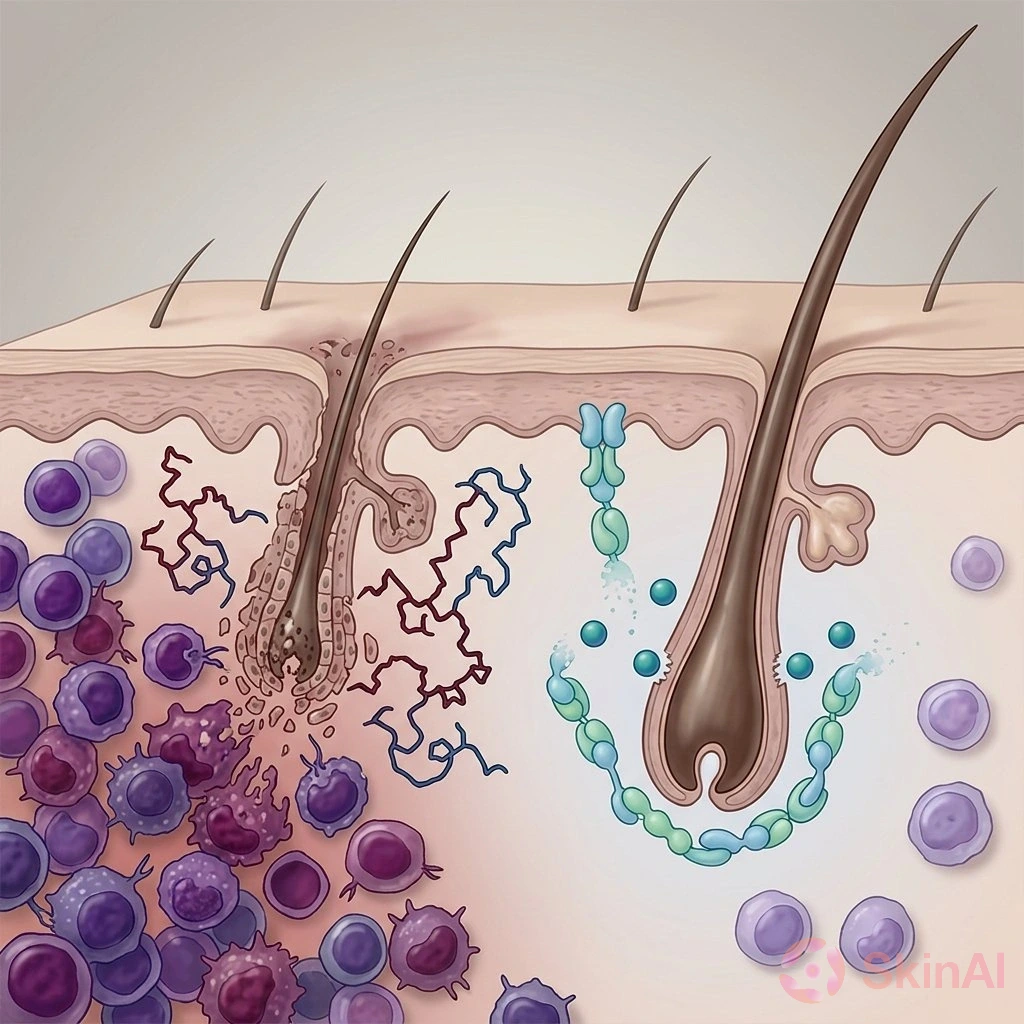
JAK inhibitors are medications taken by mouth that block specific signals inside immune cells. By doing that, they can reduce the immune attack that causes hair follicles to stop working in alopecia areata. The same type of medicine is also used for some people with moderate to severe atopic dermatitis (eczema).
Different JAK inhibitors have different approved ages and uses, so whether someone is a candidate depends on the exact drug and their age.
Why consider them earlier?
Traditionally, doctors have reserved these drugs for when alopecia areata becomes severe or after other treatments fail. Swanson suggested that starting earlier may lead to better results. Early treatment might improve the chance of regrowing hair and, for some people, could lead to a point where they can stop the medicine and keep their hair.
That doesn’t mean JAK inhibitors are right for everyone, but it does mean doctors and patients may want to discuss them sooner rather than later, especially when hair loss is affecting quality of life.
How doctors decide who might be a candidate
Swanson described a simple way she talks with patients about risks. She calls it the “3 C’s”:
- Cigarettes: Does the person smoke now or have a history of smoking? Smoking can change the risk profile for some medications.
- Clots: Has the person ever had a blood clot? A history of clotting can affect whether a JAK inhibitor is a safe option.
- Conception: Is the person of childbearing potential or planning pregnancy? Pregnant people or those actively trying to conceive are usually advised to wait before starting these medicines, so family planning is an important part of the conversation.
These are not the only safety questions doctors will ask, but they are common, practical concerns that can steer the decision-making process.
Why start with people who have alopecia areata?
For clinicians who are still getting comfortable prescribing JAK inhibitors, Swanson suggested beginning with patients who have alopecia areata. These patients often see visible hair regrowth, and the change can have a big, positive impact on self-confidence and day-to-day life.
She also noted that many people with severe hair loss are highly motivated to start treatment, which can make the initial decision easier for both patient and prescriber.
Tracking changes
If you’re monitoring hair loss or regrowth, simple photos taken every few weeks can help you and your doctor see progress over time. Keeping a short diary about when you first noticed hair loss, any treatments tried, and how you feel can also be useful at appointments.
When to talk with a doctor
If you notice sudden or patchy hair loss, a rapid increase in thinning, or if hair loss is affecting your mental health or daily life, consider seeing a dermatologist. A specialist can talk through treatment options, risks, and whether a JAK inhibitor might be appropriate for you.
Remember: treatment decisions depend on your personal health history, age, and the specific medicine being considered. Always discuss options and risks with your doctor.
Disclaimer
This article summarizes comments made by Lisa Swanson during an interview at the Elevate-Derm Summer Conference. It is informational only and not medical advice. Treatment decisions should be made with a qualified healthcare professional. If you have sudden, painful, bleeding, or infected areas, or any other worrying symptoms, seek medical care promptly.
Sources
- Swanson L. Interview with Dermatology Times. Conducted at the Elevate-Derm Summer Conference; July 29, 2026; San Diego, CA.
- Elevate-Derm Alliance. Elevate-Derm Summer Conference 2026. Accessed July 29, 2026. https://www.elevate-derm.com/summer2026