
Patidegib Gel Phase 3 Trial Completed for Gorlin Syndrome Skin Cancer Prevention
What happened
Sol-Gel Technologies says its pivotal phase 3 study of patidegib gel (SGT-610) 2%, a cream-like medicine applied to the skin, has reached “last patient, last visit.” That means all people enrolled in the trial finished the 12-month treatment and follow-up period. (Source: Sol-Gel press release)
Why this matters
People with Gorlin syndrome develop many basal cell carcinomas (BCCs), a common type of skin cancer, often on the face. Right now, there’s no FDA-approved cream or ointment specifically to prevent BCCs in Gorlin syndrome. The available FDA-approved drugs that can lower BCCs are taken by mouth and can cause side effects that make long-term use difficult.
What SGT-610 is and how the study worked
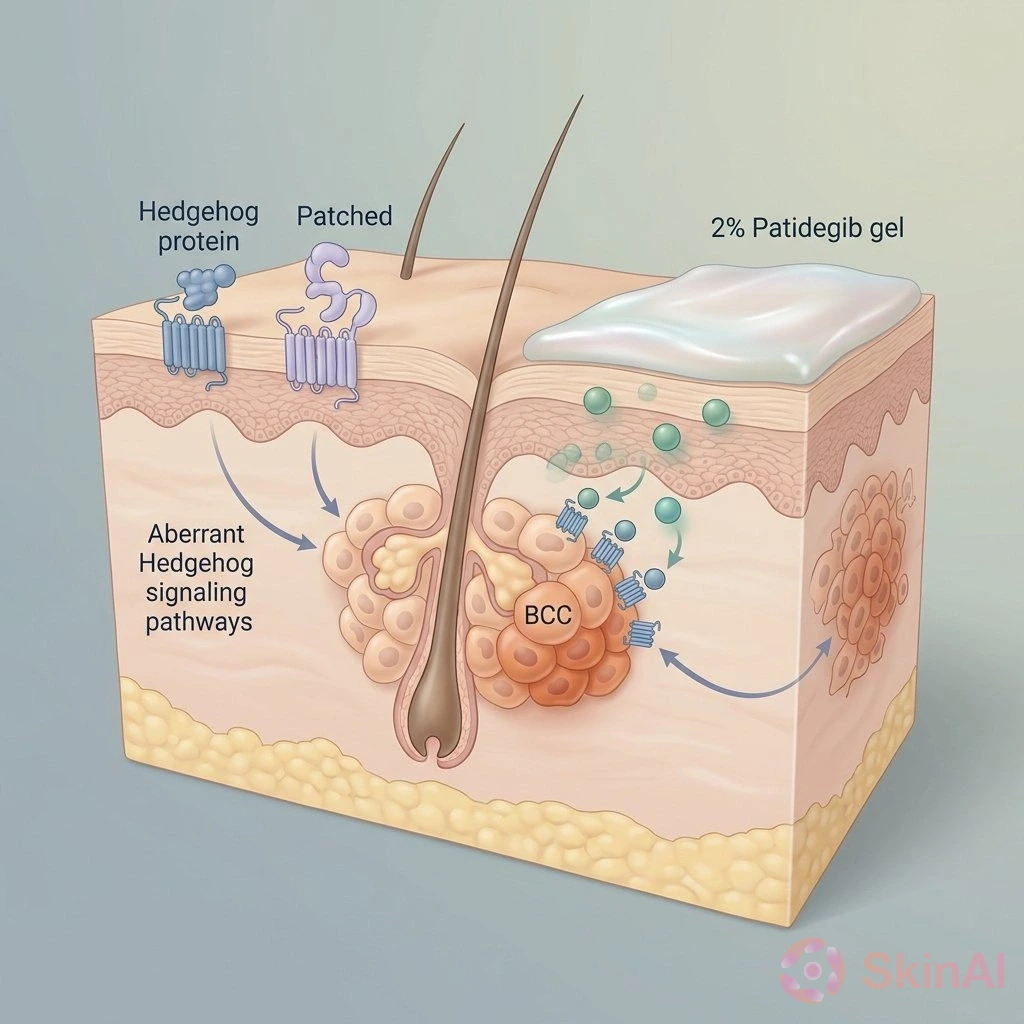
Patidegib gel is an experimental topical medicine that targets the “hedgehog” signaling pathway, a cell communication system that plays a big role in many BCCs. The idea is that applying the gel to the skin might reduce the number of new facial BCCs over time.
The study, called SGT-610-01 (ClinicalTrials.gov identifier NCT06050122), was a randomized, double-blind, vehicle-controlled phase 3 trial. In plain language, that means participants were randomly assigned to either the active gel or a matching placebo gel (the vehicle), neither the patients nor the study teams knew who got which treatment, and the study compared results after 12 months.
113 adults with Gorlin syndrome were enrolled. According to the company, 102 of them completed the full 12 months of treatment and follow-up. Study staff tracked facial lesions using photography and dermoscopy, tools that help standardize counting of tumors across many sites. (Source: Sol-Gel press release; ClinicalTrials.gov)
What the study is measuring
The main question the study will answer is the number of new BCCs on the face at month 12, comparing the group that used patidegib gel with the group that used vehicle gel.
Secondary measures include the number of new “surgically eligible” BCCs, meaning lesions that are judged to need surgery or destruction rather than simple observation. The trial also collected safety information during the 12 months to see if any side effects occurred.
What the company reported and what’s next
Sol-Gel says the study stayed blinded, so neither the company nor investigators have seen which patients got the active gel. The company is now moving to “database lock,” a standard step that fixes the study data before formal statistical analysis begins.
Top-line results, including whether the primary endpoint was met and the main safety findings, are expected in late November 2026, according to the company. The company has not shared any efficacy numbers yet. (Source: Sol-Gel press release)
Extra context
SGT-610 has received FDA Orphan Drug and Breakthrough Therapy designations. These status labels reflect that the drug is being developed for a rare condition and that regulators see potential for meaningful benefit, but they are not proof the drug works.
Sol-Gel also has another experimental topical drug in development, SGT-210, and markets other dermatology products through a partnership with Galderma. The current report about SGT-610 comes from a company announcement, not from an independent journal article, so readers should watch for the full study results and peer-reviewed publications for a complete picture.
What this means for people with Gorlin syndrome
If the trial shows positive results, patidegib gel could become an option for reducing new facial BCCs without taking pills that affect the whole body. Until we see the full data and any regulatory decisions, it’s important to stay cautious. Treatment choices should be discussed with your dermatologist or care team.
Tracking changes in your skin
Keeping a simple photo log of visible lesions over time can help you and your doctor notice changes earlier. If you track photos, bring them to appointments to show growth, bleeding, or other changes in a spot.
When to see a doctor
Talk to a dermatologist if you have new or changing bumps, sores that don’t heal, bleeding, pain, or skin changes that worry you. For people with Gorlin syndrome or many recurring BCCs, regular follow-up with a dermatologist is especially important.
Short disclaimer
This article summarizes a company press release and a registered clinical trial. It is not medical advice. Discuss treatments and screening with your doctor or dermatologist.
Sources
- Sol-Gel Technologies announces last patient last visit in pivotal phase 3 clinical trial of SGT-610 in Gorlin syndrome. Sol-Gel Technologies. Accessed September 17, 2026. https://ir.sol-gel.com/news-releases/news-release-details/sol-gel-technologies-announces-last-patient-last-visit-pivotal
- Efficacy and safety of patidegib Gel 2% for preventing basal cell carcinomas on the face of adults with Gorlin syndrome. ClinicalTrials.gov identifier: NCT06050122. Accessed September 17, 2026. https://clinicaltrials.gov/study/NCT06050122