
Autoimmune Blistering Diseases: Early Signs and Diagnosis
Autoimmune Blistering Diseases: Why They Can Be Hard to Recognize
Autoimmune blistering diseases are a group of uncommon conditions that can affect the skin and the moist linings of the body, such as the inside of the mouth. They are known for causing blisters and open sores, but their earliest signs are not always so obvious.
Some people first notice an itchy rash that looks like eczema or hives. Others have persistent itching without a visible rash. Because these symptoms are common in many other skin conditions, finding the right diagnosis can take time.
Getting a clear diagnosis matters. These conditions can be serious, and some are linked with other health problems. Identifying the specific disease can also help doctors understand which areas of the body may be affected and which treatments to discuss.
This article is based on a written interview with Julia S. Lehman, MD, FAAD, published by Dermatology Times. Lehman is a professor of dermatology and laboratory medicine and pathology at Mayo Clinic in Rochester, Minnesota, and leads its Immunodermatology Laboratory.
What Are Autoimmune Blistering Diseases?
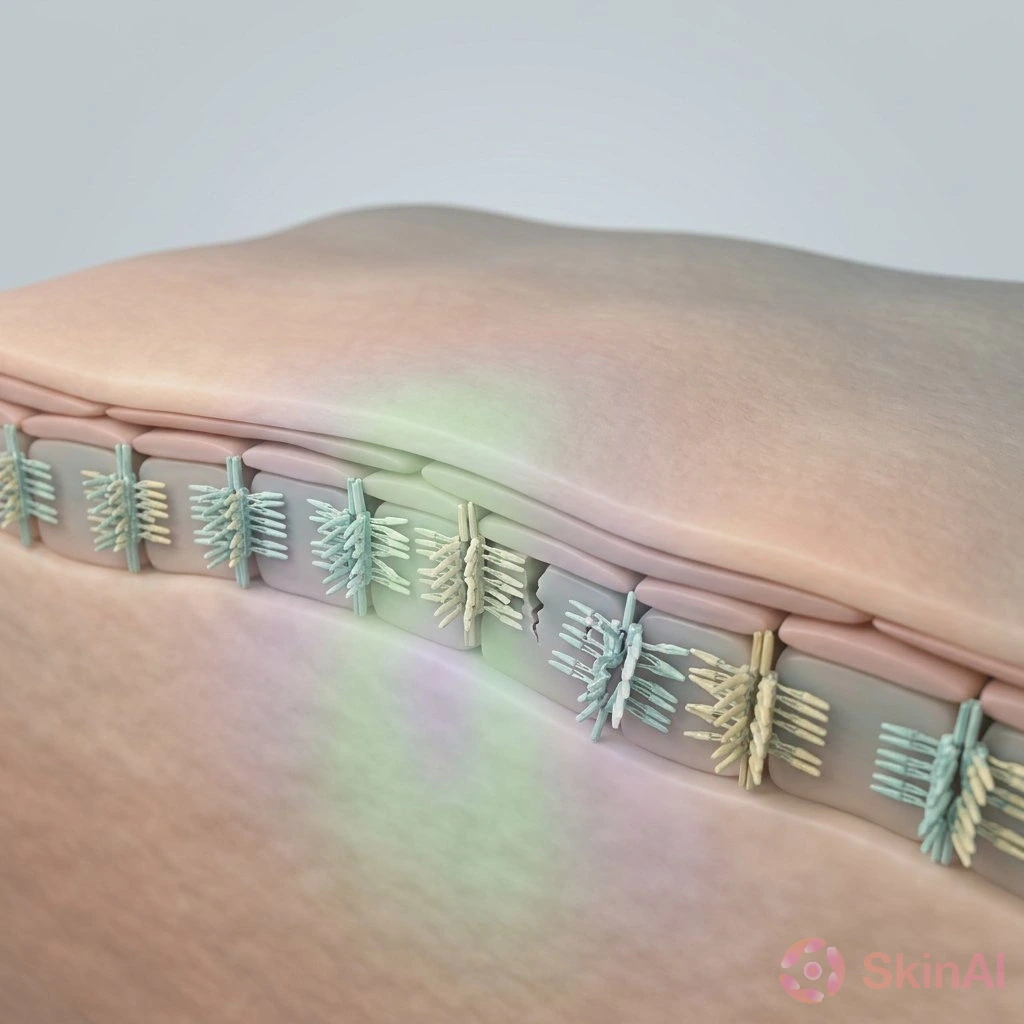
In an autoimmune disease, the immune system mistakenly reacts against parts of the body. In autoimmune blistering diseases, it targets proteins that help hold skin cells together or attach the outer skin layer to the tissue underneath. This can cause the skin layers to separate.
These diseases include pemphigoid, pemphigus, dermatitis herpetiformis, and linear IgA bullous dermatosis. Each has different forms and can affect people in different ways.
Doctors often associate these conditions with small or large blisters and raw, open areas of skin. But the first symptoms can look quite different.
Symptoms That May Be Easy to Miss
Some autoimmune blistering diseases begin with a persistent rash that resembles dermatitis, a general term for irritated or inflamed skin. Others may look like hives or cause itching before any rash appears.
Rarely, a particular form may cause less familiar changes:
- Dermatitis herpetiformis may cause tiny red or purple spots, called petechiae, on the hands or feet.
- Pemphigus vegetans may cause raised, thickened growth-like areas.
- IgA pemphigus may cause small pus-filled bumps.
- Paraneoplastic pemphigus, a form associated with tumors, may cause a rash resembling another inflammatory condition called lichen planus or spots that look like targets.
A rash that does not improve with the usual first treatments may prompt a doctor to consider an autoimmune blistering disease. So can sores inside the mouth or symptoms involving other moist linings of the body, also called mucous membranes.
Age and medical history may provide clues. For example, a new rash in someone in their 70s or 80s is more likely to be pemphigoid than a similar rash in a younger person. One exception is pemphigoid gestationis, which can develop during pregnancy.
Some medicines are also associated with certain autoimmune blistering diseases. These include immune checkpoint inhibitors, which are used to treat some cancers, and diabetes medicines called gliptins in pemphigoid. The antibiotic vancomycin has been associated with linear IgA bullous dermatosis. A doctor can consider a person’s medication history alongside their symptoms when looking for a cause.
Because these diseases are uncommon and can look so different from person to person, clinicians may not immediately recognize them or order the specialized tests needed. Delays can affect quality of life, both by postponing treatment and by leaving people anxious about unexplained symptoms. (Source: Lehman interview, Dermatology Times)
How Doctors Look for a Diagnosis
There is no single finding that always tells the full story. Doctors generally consider the symptoms, examine tissue samples, and use specialized tests that look for antibodies. Antibodies are proteins made by the immune system that can mistakenly target the skin in these diseases.
Looking at a skin or tissue sample
A biopsy is a small sample of skin or tissue taken for testing. For routine examination under a microscope, Mayo Clinic Laboratories recommends a sample from an affected area of intact skin or mucous membrane. The sample is placed in a preservative called formalin.
Under the microscope, doctors may see separation beneath the outer skin layer in pemphigoid or skin cells coming apart in pemphigus. Other patterns can also raise suspicion. For example, certain immune cells and changes in the outer skin layer may suggest pemphigoid or pemphigus, while a buildup of another type of immune cell near the skin surface may point toward dermatitis herpetiformis.
These findings can be helpful, but they are not always specific to autoimmune blistering diseases. They may also be absent, especially when the disease does not have its usual appearance. For that reason, a routine biopsy alone cannot always confirm or rule out one of these conditions.
Direct immunofluorescence
Direct immunofluorescence (DIF) is a specialized test that looks for immune proteins deposited in the skin or mucous membrane. It is an important screening test for autoimmune blistering diseases.
For DIF, Mayo Clinic Laboratories recommends a separate sample of intact skin or mucous membrane next to an affected area. This sample is placed in a special transport solution, such as Michel medium, rather than formalin.
A DIF result can be negative even when disease is present. The biopsy location, the age of the affected area, and technical issues can all matter. Repeat biopsies may be needed, especially when the disease affects a mucous membrane.
Blood tests and other antibody tests
When symptoms strongly suggest an autoimmune blistering disease, doctors may also order blood tests. These look for antibodies circulating in the blood and can complement the findings from a biopsy.
Indirect immunofluorescence (IIF) is a blood test that screens for certain antibodies involved in blistering within or beneath the outer skin layer. It is generally reliable, but it can miss disease if antibody levels in the blood are too low. It can also produce a positive result for reasons unrelated to the disease, including certain blood type antibodies.
Another kind of blood test, called an ELISA, looks for specific antibodies. The choice of test depends on which condition a doctor suspects:
- For bullous pemphigoid, tests may look for antibodies called NC16A-BP180 and BP230. These tests do not check for every form of pemphigoid.
- For pemphigus, tests may look for antibodies called desmoglein 1 and desmoglein 3.
- Tests for collagen VII antibodies can help screen for epidermolysis bullosa acquisita or bullous systemic lupus erythematosus, a blistering form of lupus.
Some laboratories offer additional testing when a rarer form of pemphigoid is suspected. Lehman described a combined IIF test that checks for antibodies to laminin-332, p200 (beta4), and collagen VII. According to the interview, this combined test is available in the United States only through Mayo Clinic Laboratories.
Doctors make a diagnosis by considering all of these results alongside the person’s symptoms and examination. Discussing the findings with a specialist in immunodermatology, the field that studies immune-related skin diseases, can also be helpful. (Source: Lehman interview, Dermatology Times)
What If the Tests Are Negative but Symptoms Continue?
A negative or unclear result does not always settle the question. Early in a disease, there may be too few antibodies in the blood or tissue for a test to detect. Biopsy samples can also be difficult to collect or process, particularly from mucous membranes.
When suspicion remains high, a doctor may monitor symptoms and repeat testing over time. Some specialized laboratories also test for IgG4, a particular type of antibody. Lehman reported that this has helped her laboratory identify some cases that tested negative with standard IgG testing.
In some situations, sending tissue and blood samples to a laboratory that offers this additional testing may make detection more likely. More than one round of testing may be needed before a diagnosis can be made with confidence. (Source: Lehman interview, Dermatology Times)
Why the Specific Diagnosis Matters
Identifying the type of autoimmune blistering disease can help doctors look for related health conditions. It can also provide clues about whether the mouth, eyes, or other mucous membranes may be involved, and whether the disease may be difficult to treat.
Some associations described in the interview include:
- Paraneoplastic pemphigus and laminin-332 pemphigoid: These may be associated with tumors or cancer.
- IgA pemphigus and epidermolysis bullosa acquisita: These may be associated with inflammatory bowel disease, a group of conditions that cause inflammation in the digestive tract.
- Dermatitis herpetiformis: This is associated with celiac disease, an immune reaction to gluten that affects the small intestine.
- Bullous systemic lupus erythematosus: This is associated with lupus.
Some antibody results may offer additional clues. Laminin-332 antibodies can help doctors anticipate possible involvement of the mouth or eyes. Laminin-332 or collagen VII antibodies may also suggest a disease course that is harder to treat. These findings are considered along with the rest of a person’s medical assessment.
Antibody tests and cancer evaluation
Two antibody findings discussed by Lehman are linked with a higher likelihood of an underlying tumor or cancer. A positive IIF test using rat bladder tissue can help screen for paraneoplastic pemphigus. According to the interview, when this test is positive, there is a greater than 90% chance of an associated tumor.
When laminin-332 antibodies are detected using the combined IIF test, the interview reports an approximately 30% chance of an associated cancer. These figures describe associations reported in the interview; the meaning of an individual result depends on the person’s symptoms and other test findings.
The associated cancers are not usually the ones found through routine screening for breast, colon, or prostate cancer. Doctors may need to look more specifically for an underlying condition.
For paraneoplastic pemphigus, associated tumors can include blood cancers, Castleman disease, and thymoma, a tumor of the thymus gland in the chest. Laminin-332 pemphigoid may be associated with tumors of the upper air and food passages or the lungs. A positive antibody result should be interpreted with the treating medical team. (Source: Lehman interview, Dermatology Times)
Treatment and Care From Different Specialists
Recognizing an autoimmune blistering disease earlier can help people access appropriate treatment. The right approach depends on the specific condition, its severity, the areas affected, and the person’s overall health.
For some people with moderate to severe pemphigus, early treatment with rituximab may change the course of the disease, according to Lehman. Rituximab is a medicine that targets certain immune cells. Treatment decisions should always be discussed with a doctor or dermatologist. (Source: Lehman interview, Dermatology Times)
Care may involve more than one specialist, especially when symptoms affect areas beyond the skin. Depending on the symptoms, a care team may include an ear, nose, and throat doctor; a gum specialist; an eye doctor; a gynecologist; a urologist; or a rheumatologist, who treats autoimmune and inflammatory conditions.
Someone who develops new symptoms involving a mucous membrane may benefit from an evaluation by an appropriate specialist. Improvements in testing and the availability of newer medicines have made an accurate diagnosis especially important.
When to Seek Medical Advice
A persistent rash, unexplained itching, blisters, or sores can have many causes. If symptoms do not improve, are changing, or are worrying you, a doctor or dermatologist can help assess them. It is also important to seek medical advice for painful or bleeding areas, signs of infection, rapidly growing lesions, or new sores or symptoms in the mouth, eyes, or other mucous membranes.
Keeping a record of visible changes over time may help you prepare for an appointment. Photos and notes about itching, pain, or new symptoms can provide useful context, but they cannot establish a diagnosis.
This article is for general information and is not a substitute for medical advice. Diagnosis and treatment decisions should be made with a qualified health professional.
Sources
- Lehman JS. Written interview with Dermatology Times.