
Childhood Eczema Treatment: Growth and Bone Health Considerations
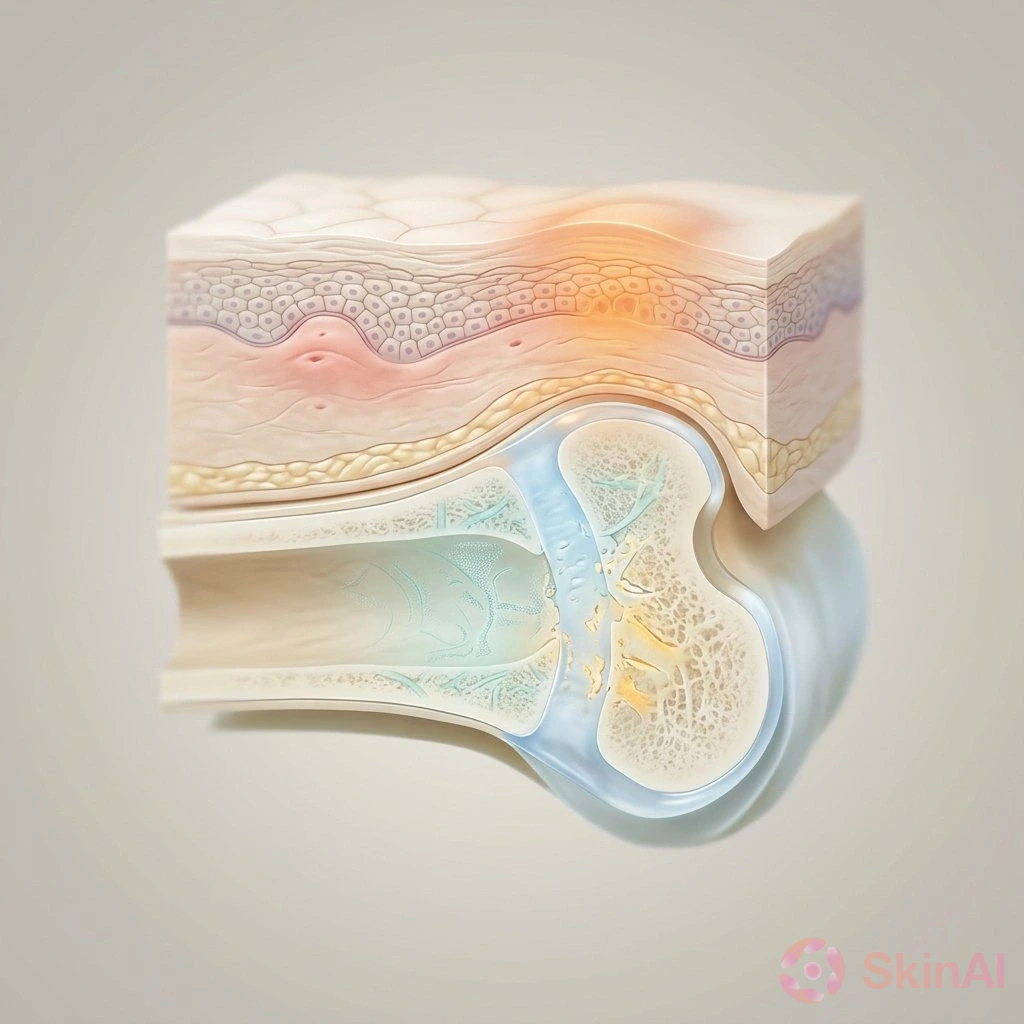
When a child has moderate to severe atopic dermatitis, treatment is about more than clearing the skin. Constant itching, poor sleep, and the demands of managing eczema can affect the whole family. Researchers are also looking at whether the condition may be linked to a child’s growth and bone development.
Atopic dermatitis is a long-lasting form of eczema that causes inflammation, itchy skin, and flare-ups. The possible connection between eczema and growth is still being studied. It does not mean that every child with eczema will have a growth problem.
In the third installment of the Dermatology Times Expert Perspectives series, Beyond the Skin: Sleep, Steroids, and Growth in Children With Atopic Dermatitis, dermatologist Lisa Swanson, MD, discusses how growth and bone health may fit into treatment decisions for children. The discussion considers skin treatments, light therapy, and medicines that work throughout the body.
As more treatments become available for different age groups, doctors may consider a child’s growth alongside symptoms, sleep, and other signs of how eczema is affecting daily life. Treatment decisions should be made with the child’s doctor or dermatologist. (Source: Dermatology Times Expert Perspectives series)
Why growth may come up in an eczema visit
Children with severe eczema can live with ongoing skin inflammation and intense itching. They may also have trouble sleeping and taking part in everyday activities. Researchers are investigating whether these experiences may have a relationship with physical growth and bone development.
A 2025 study reviewed existing health records and compared children with atopic dermatitis with similar children who did not have the condition. It found that children with eczema were more likely to have a height below the fifth percentile for their age. (Source: 2025 retrospective cohort analysis of children with atopic dermatitis)
A height percentile compares a child’s height with that of other children of the same age and sex. Being below the fifth percentile means a child is shorter than most children in that comparison group, but it does not automatically mean there is a health problem.
In the study, the relative risk was 1.15. In other words, the likelihood of being below the fifth percentile was about 15% higher in the eczema group. The study’s reported range of uncertainty was 1.12 to 1.18, or about a 12% to 18% higher relative likelihood.
The finding shows an association, not proof that eczema caused slower growth. Many things can affect a child’s height and growth, including family growth patterns, nutrition, puberty, other health conditions, and exposure to medicines.
A child who has always followed a lower height percentile may need a different evaluation from a child whose growth has slowed or who is moving downward across percentiles. Doctors look at the overall pattern over time when deciding whether further assessment is needed and whether growth concerns should be part of an eczema treatment discussion.
How skin treatments and light therapy fit in
Creams and ointments applied to the skin are an important part of eczema care, especially for mild to moderate disease or for treating specific inflamed areas.
Steroid creams and ointments, also called topical corticosteroids, are commonly used to reduce inflammation and itching. Nonsteroid options include topical calcineurin inhibitors, which help calm the skin’s immune response, and other approved medicines. A doctor considers the child’s age, the affected areas, and the severity of the eczema when discussing these options.
Topical corticosteroids are generally safe when used appropriately. However, prolonged use of strong steroid products over large areas of skin can increase the chance that medicine will be absorbed into the body. This may be especially relevant for younger children, who have more skin surface area relative to their body weight.
At the same time, eczema that is not adequately controlled can leave a child dealing with ongoing inflammation, itching, and disrupted sleep. When discussing treatment, doctors consider both medication exposure and the burden of the disease itself.
Light therapy, also called phototherapy, is another option for some children. It involves controlled exposure to certain types of light in a medical setting. A child’s age, access to treatment, the frequency of sessions, and the practical challenges of repeated office visits can all affect whether it is a workable choice. (Source: Dermatology Times Expert Perspectives series)
Medicines that work throughout the body
For some children with moderate to severe eczema, skin treatments alone do not provide enough relief. In those cases, a doctor may discuss medicines that work throughout the body, sometimes called systemic treatments.
Options include biologics, which are medicines designed to target specific parts of the immune response. Dupilumab (Dupixent) blocks signaling from two proteins involved in inflammation, called interleukin-4 and interleukin-13. It is approved for children as young as 6 months with moderate to severe atopic dermatitis when prescription skin treatments do not provide adequate control or are not advisable. (Source: Dermatology Times Expert Perspectives series)
Other medicines that work throughout the body may be appropriate for certain children, depending on their age, disease severity, health history, and the treatments approved for their age group. Older medicines that modify the immune system may also be considered in selected circumstances. Their possible side effects and monitoring needs can influence the decision.
Another group of medicines is called Janus kinase, or JAK, inhibitors. These medicines block certain signals involved in inflammation. For children who are eligible, doctors consider age restrictions, safety warnings, possible side effects, and the need for laboratory tests when discussing whether a JAK inhibitor is appropriate. (Source: Dermatology Times Expert Perspectives series)
Each option has its own potential benefits and risks. The choice also depends on how well a child’s eczema is controlled, what monitoring the medicine requires, and the child’s longer-term needs as they grow.
What a dupilumab study found about growth
A 2026 analysis by Irvine and colleagues looked at height percentiles and a blood marker called bone alkaline phosphatase, or BALP, in children receiving dupilumab. BALP is a substance associated with bone formation. The analysis was performed after the original study had been completed. (Source: Irvine and colleagues, 2026 analysis of growth-related findings in children receiving dupilumab)
Among children who started below the 40th height percentile, those receiving dupilumab had higher odds of increasing their height percentile by at least 5 points after 16 weeks than children receiving a placebo, an inactive treatment used for comparison.
Before the researchers accounted for other factors, the odds were 2.5 times as high in the dupilumab group. The figure was 3.1 after accounting for the total amount of topical steroid exposure, and 2.9 after accounting for the number of days without topical steroids. These figures describe odds, which are not the same as a child’s individual chance of a particular growth outcome.
The researchers also looked at children in an open-label extension, a follow-up period in which participants knew they were receiving dupilumab. Children who switched from placebo to dupilumab had growth-related changes similar to those seen in children who received the medicine continuously. (Source: Irvine and colleagues, 2026 analysis)
These findings are encouraging, but the analysis was exploratory. It cannot establish that dupilumab directly causes children to grow taller or improves bone mineral density, a measure of the amount of mineral in bone.
Growth-related findings are one part of the wider evidence about dupilumab’s benefits and safety. They are not, on their own, an approved reason to use the medicine. For a child with severe eczema and existing growth concerns, they may be useful to discuss with the child’s doctor when considering the possible effects of keeping eczema under control.
Which children may need closer growth checks?
Not every child with eczema needs the same level of growth assessment. A closer look at overall health and disease burden may be helpful for children who have had severe eczema for a long time, regularly lose sleep, have inflammation over large areas of skin, or often need changes to their treatment.
Doctors may pay particular attention when a child’s growth slows, their height percentile changes unexpectedly, or there are other signs that development is not progressing as expected.
The assessment may also include possible causes beyond eczema, such as nutritional deficiencies, other ongoing health conditions, and medicines that can have effects throughout the body. Reviewing growth charts, checking how well symptoms are controlled, and communicating with the child’s pediatrician can help identify patterns that may need further investigation.
When appropriate, a child may be referred to a pediatric endocrinologist, a doctor who specializes in children’s growth and hormones, or another specialist.
Current evidence does not support routine bone density testing for every child with atopic dermatitis. Decisions about additional tests depend on the child’s individual risk factors and what the doctor finds. (Source: Dermatology Times Expert Perspectives series)
When to speak with a doctor
Families can discuss concerns about eczema, sleep, medicines, or growth with their child’s pediatrician or dermatologist. A change in a child’s growth pattern is worth bringing up, even though it can have many possible explanations.
Medical advice is also important if the skin becomes painful, starts bleeding, shows possible signs of infection, or changes quickly, or if there is uncertainty about what is happening. Treatment choices and any changes to a child’s care should be discussed with a doctor.
Looking at the whole picture
Clearer skin, less itching, better sleep, and improved quality of life remain central goals of eczema care. For children with severe or persistent disease, growth and development may also be useful parts of the conversation.
More research that follows children forward over time is needed to find out whether changes in height percentiles or markers of bone formation translate into meaningful long-term differences in bone development. Future studies may also help clarify the roles of inflammation, disrupted sleep, steroid exposure, and medicines that work throughout the body.
This article is for general information and is not a substitute for care from a qualified health professional.
Sources
- Dermatology Times Expert Perspectives series, third installment, Beyond the Skin: Sleep, Steroids, and Growth in Children With Atopic Dermatitis, featuring Lisa Swanson, MD.
- 2025 retrospective cohort analysis comparing height in children with atopic dermatitis and matched children without the condition. The original article did not provide the study title or journal.
- Irvine and colleagues, 2026 post hoc analysis of height percentiles and bone alkaline phosphatase in children receiving dupilumab. The original article did not provide the study title or journal.