
FDA Grants Priority Review for Brepocitinib in Treating Dermatomyositis
Priovant Therapeutics Announces FDA Acceptance of Brepocitinib for Dermatomyositis
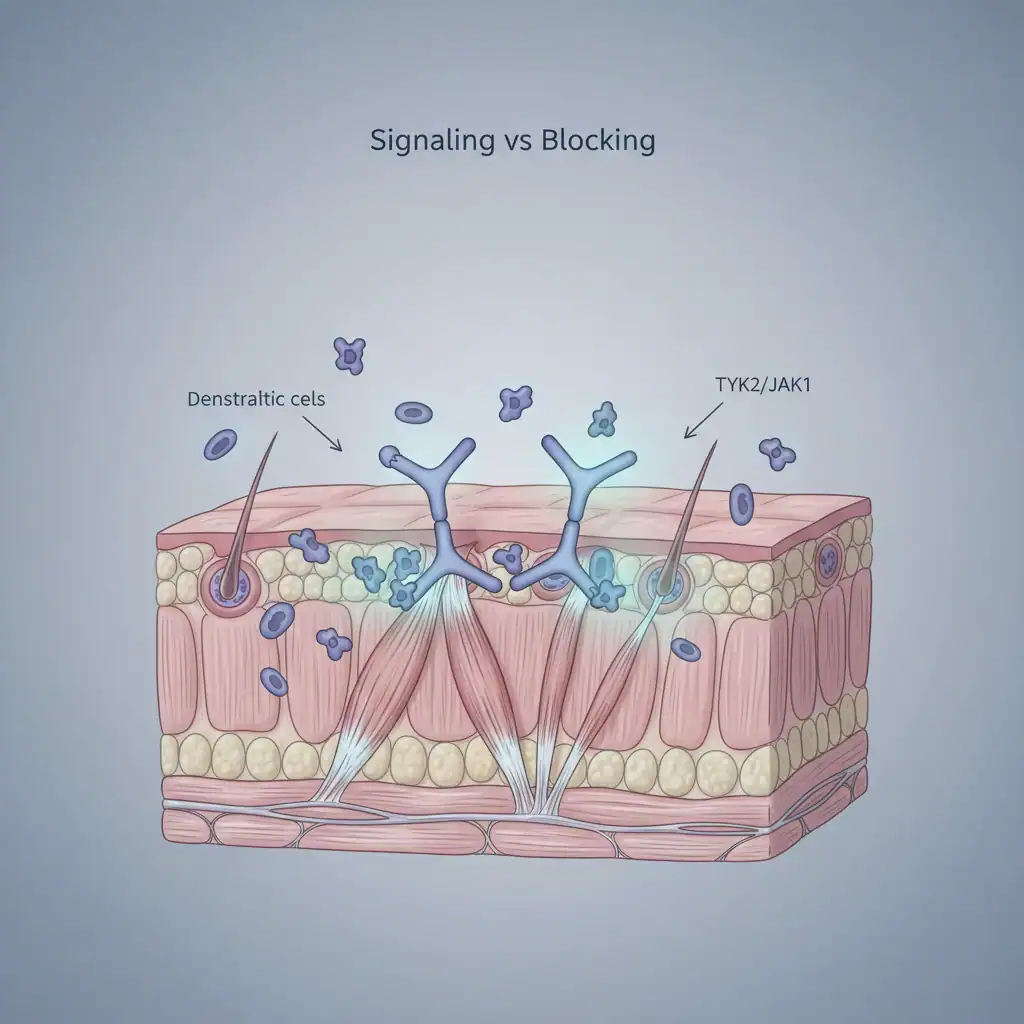
Priovant Therapeutics has made a significant announcement regarding their investigational drug brepocitinib, a TYK2/JAK1 inhibitor. The FDA has accepted the company’s New Drug Application (NDA) for this treatment aimed at addressing dermatomyositis and has granted it a Priority Review designation.
The FDA has set a target action date for the Prescription Drug User Fee Act in the third quarter of 2026. If the application receives approval, Priovant Therapeutics expects to launch brepocitinib in the United States by the end of September 2026. The Priority Review designation underscores the urgent need for therapeutic options in the realm of dermatomyositis, a condition with significant morbidity, as well as the compelling clinical data provided by the phase 3 VALOR trial.
Understanding Dermatomyositis
Dermatomyositis is a rare autoimmune disorder characterized by inflammatory myopathy and skin involvement. Patients often experience symptoms that may include interstitial lung disease, an increased risk of malignancies, and extensive reliance on steroids for management. Due to persistent disease activity and cumulative organ damage, there is an urgent demand for targeted therapies that can spare patients from the adverse effects of steroids.
Expert Commentary
Dr. Ruth Ann Vleugels, MD, MPH, MBA, who serves as the Heidi and Scott C. Schuster Distinguished Chair in Dermatology and is the founding director of the Autoimmune Skin Disease Center at Mass General Brigham, expressed her enthusiasm about this development. “The dermatomyositis patient and medical communities have been waiting for decades for novel innovative therapeutics that directly target the underlying disease biology, and it is incredibly exciting to have the finish line in sight for the potential first FDA approval of a targeted therapy for this debilitating disease,” she stated in the press release.
Supporting Data from the VALOR Trial
The FDA’s acceptance of the NDA is bolstered by data from the global phase 3 VALOR study (NCT05437263), which is recognized as the largest and longest interventional trial conducted for dermatomyositis to date. This study is notable for being the first positive 52-week placebo-controlled trial in this patient population.
Conducted across 90 sites, participants in the study were randomly assigned in a 1:1:1 ratio to receive either 30 mg of brepocitinib, 15 mg of brepocitinib, or a placebo. At the 52-week mark, the group receiving 30 mg of brepocitinib demonstrated statistically significant and clinically meaningful improvements compared to the placebo group in the primary endpoint, the myositis Total Improvement Score (TIS), which is a composite of six core measures of disease activity.
Improvements were noted as early as week 4 and were sustained throughout the double-blind treatment period. Additionally, the 30 mg dose met all nine key secondary endpoints, including measures related to cutaneous disease, muscle strength, and the ability to reduce steroid use.
Results of Steroid Sparing
Remarkably, more than two-thirds of patients who received the 30 mg dose of brepocitinib achieved a TIS40 response—twice the minimum clinically important difference. Furthermore, more than half of these patients were able to reach this threshold while tapering their steroid dosage to ≤2.5 mg/day.
Approximately 75% of participants in the VALOR trial were on a background of steroids, with an average baseline dose of 12.2 mg/day in the brepocitinib 30 mg group and 11.3 mg/day in the placebo group. Among these patients, 62% who were treated with brepocitinib 30 mg managed to reduce their steroid dose to ≤2.5 mg/day by week 52, compared to 34% in the placebo group. Moreover, 42% of those on brepocitinib were able to discontinue steroids entirely, compared to 23% on placebo, highlighting the drug’s steroid-sparing effects alongside overall improvements in disease activity.
Safety Profile
The VALOR study included a diverse population of dermatomyositis patients, some of whom had a history of benign or malignant tumors along with various cardiovascular risk factors. While serious infections occurred more frequently in the brepocitinib 30 mg group compared to placebo, these events were managed effectively, allowing most patients to complete treatment. Interestingly, instances of new or recurrent malignancies, cardiovascular events, and thromboembolic events were reported more often in the placebo group than in those receiving brepocitinib 30 mg.
The safety data for brepocitinib encompasses over 2,000 patients across various studies and suggests a safety profile comparable to that of approved JAK and TYK2 inhibitors.
A Promising Future
Ben Zimmer, the CEO of Priovant, remarked on the significance of the NDA acceptance, stating, “This represents meaningful progress towards our goal of bringing a potentially transformational therapy to dermatomyositis patients who urgently need better treatment options.” He emphasized the company’s commitment to collaborating closely with the FDA to expedite the availability of this drug to patients.
For healthcare professionals dealing with complex connective tissue diseases, the anticipated approval of brepocitinib may offer a new, targeted treatment avenue in a landscape traditionally dominated by broad immunosuppressive therapies. Dr. Vleugels noted, “Dermatomyositis patients are suffering and urgently need better treatment options. The brepocitinib phase 3 data suggests that this therapy has the potential to meaningfully improve these patients’ quality of life and function with a once-daily oral therapy. I am thrilled regarding this major step forward in our ability to care for our patients with dermatomyositis.”
Sources
- Priovant announces FDA acceptance and priority review of new drug application for brepocitinib in dermatomyositis.
- Roivant and Priovant announce positive phase 3 VALOR study results for brepocitinib in 52-week placebo-controlled trial in dermatomyositis (DM).