
Why Preservatives in Skincare Products Get a Bad Reputation
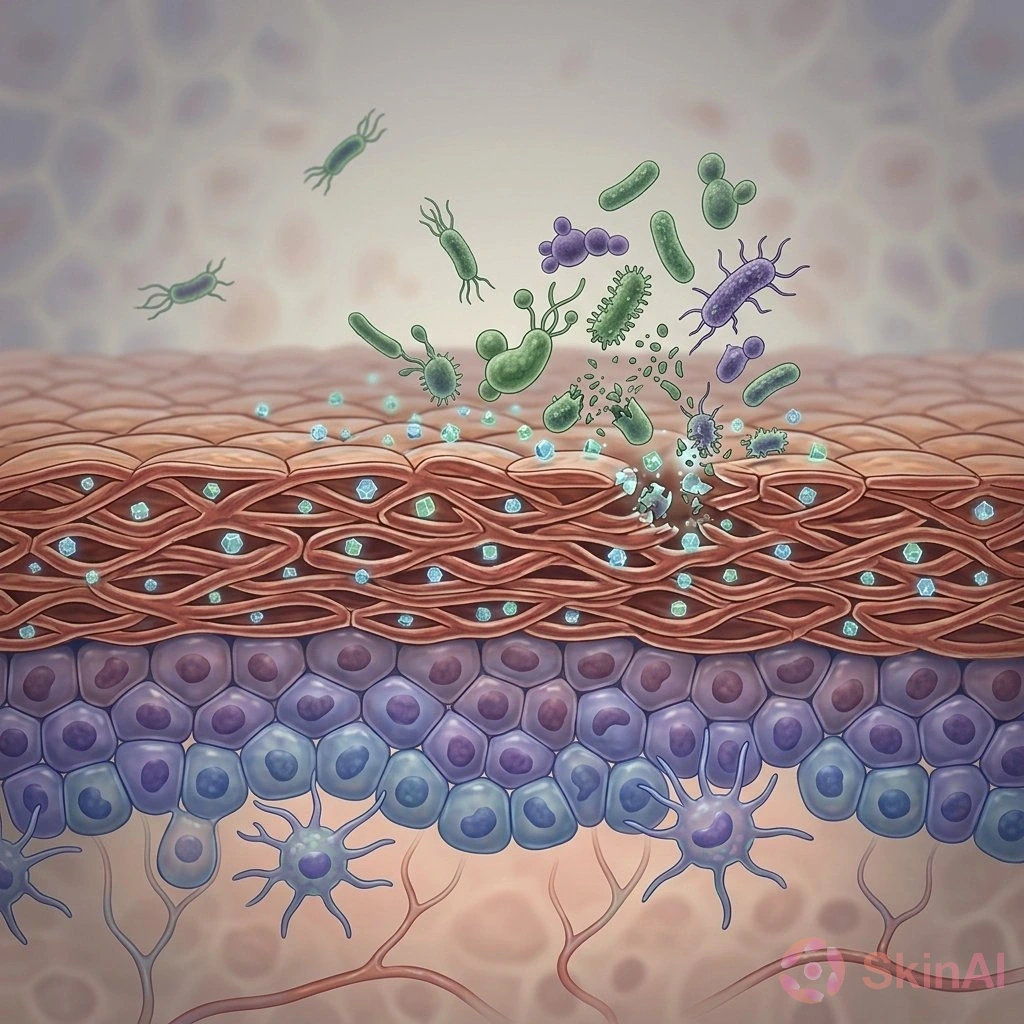
Why preservatives in cosmetics matter
Preservatives often get a bad reputation. You may have seen warnings from consumer groups or on product-checking apps that single them out as ingredients to avoid. But before you toss your creams and lotions, it helps to understand what preservatives do and why most skincare products need them.
What preservatives do and why they’re used
The main job of a preservative is to stop bacteria, yeast, fungi, and mold from growing in a product. That’s important because most cosmetics contain water, and water lets microbes thrive. An unpreserved water-containing product often becomes contaminated within about a week after opening.
Think about it like food: you wouldn’t expect milk or meat to stay fresh for weeks without refrigeration or preservatives. The same idea applies to many skincare items. Water-free products, such as petroleum jelly, don’t need preservatives and are less likely to be contaminated.
How companies reduce preservatives without skipping safety
Formulators try to balance safety with consumer concerns by using several strategies that let them use lower preservative amounts while keeping products safe.
Packaging matters. Cheap open-mouthed jars let you dip your fingers in, which can introduce germs. Pumps and airless dispensers are better. The most protective option is a sealed bag with a one-way nozzle that lets product out but doesn’t let air or bacteria back in. These systems are more expensive to make, but they lower the chance of contamination and can reduce how much preservative is needed.
Manufacturers also sometimes add ingredients that act like preservatives even though they aren’t labeled as such. For example, adding ethanol (alcohol) helps keep microbes away, but alcohol can be harsh and may damage the outer layer of the skin, especially if the skin’s barrier is already broken or sensitive. Benzyl alcohol is another example.
Some companies use plant-based essential oils, such as rosemary, lavender, tea tree, sage, or eucalyptus, for their antimicrobial properties. These can help, but they come with trade-offs: they often have a noticeable scent, they can still cause allergic reactions in some people, and relying on them widely could raise environmental and sustainability concerns.
Another approach is making a product more acidic (lower pH). Certain microbes don’t grow well in acidic conditions, so this can reduce the need for preservatives. But very acidic products may irritate the skin, so this method can’t eliminate preservatives entirely.
Common preservatives and what to know about them
Some preservatives have become controversial after more widespread use.
Kathon CG (a combination of methylchloroisothiazolinone and methylisothiazolinone) was once added to many products to cut down on the use of parabens. Over time it was linked to allergic contact dermatitis, which is a skin allergy that causes redness, itching, and sometimes blistering where the product was applied. Because of that risk, it is no longer allowed in leave-on skincare products in the European Union.
Parabens (commonly used types include methylparaben, ethylparaben, propylparaben, and butylparaben) have also raised concerns because they can mimic estrogen, and some call them potential endocrine disruptors. Despite those concerns, parabens are still considered among the safest and most effective preservatives on the market when used at allowed levels. They are often used together and sometimes paired with phenoxyethanol, which can be mistaken for a fragrance because it has a rose-like smell.
No preservative is perfect for every product or every person. Each choice involves weighing benefits and downsides for stability, safety, scent, skin type, and environmental impact.
Practical tips for using skincare safely at home
Here are some simple habits that reduce the risk of irritation or product contamination:
- Wash off skin care products when you no longer need them on your skin. For example, remove sunscreen after you’re done being in the sun.
- Wash and other products off before bedtime.
- Choose products with packaging that lowers contamination risk, such as pumps or airless systems, rather than open jars.
- Never eat skin care products.
These practices help keep your skin healthier and can reduce the chance of breaking out or getting an infection from a contaminated product.
When to see a doctor
If a product causes persistent redness, itching, swelling, blisters, or a reaction that spreads beyond the area where you applied it, see a doctor or dermatologist. Also seek medical attention if you notice signs of infection, such as increasing pain, warmth, pus, or fever. Your clinician can help identify an allergy or infection and recommend safer alternatives.
Bottom line
Preservatives may sound scary, but they play an important role in keeping water-containing cosmetics safe to use. Makers try to minimize preservative levels by using protective packaging, adjusting formulas, or adding alternative antimicrobial ingredients, yet some preservation is usually necessary. If you have very sensitive skin or concerns about ingredients, talk with a dermatologist about product choices that suit you.
Disclaimer
This article is informational and not medical advice. For personal medical concerns, talk with a healthcare professional.
Sources
Sources were not provided in the original article.
Content based on material by Zoe Diana Draelos, MD, clinical faculty member in the Department of Dermatology at Duke University School of Medicine and president of Dermatology Consulting Services.