
Breakthrough Personalized mRNA Vaccine Boosts Melanoma Survival Rates
Why this news matters
There’s growing interest in treatments that are made to match a person’s own cancer. A new phase 3 study looked at a personalized mRNA-based vaccine given after surgery for certain melanomas. The early results are promising and could point toward more personalized options after surgery, but they also raise practical questions about how and when these vaccines might be used.
Quick summary
The phase 3 INTerpath-001 trial (NCT05933577) tested an individualized mRNA neoantigen therapy called intismeran autogene together with the checkpoint drug pembrolizumab, versus pembrolizumab alone. The study included people with completely removed (resected) stage IIB to stage IV melanoma.
The combination met the trial’s main goal: it improved recurrence-free survival (RFS). It also met a key secondary goal by improving distant metastasis-free survival (DMFS). These findings were discussed by Goran Mićević, MD, PhD, an assistant professor at Yale University, and were reported by the companies running the trial (Source: Merck & Co., Inc.; Moderna, Inc., press release).
What is an individualized neoantigen therapy?
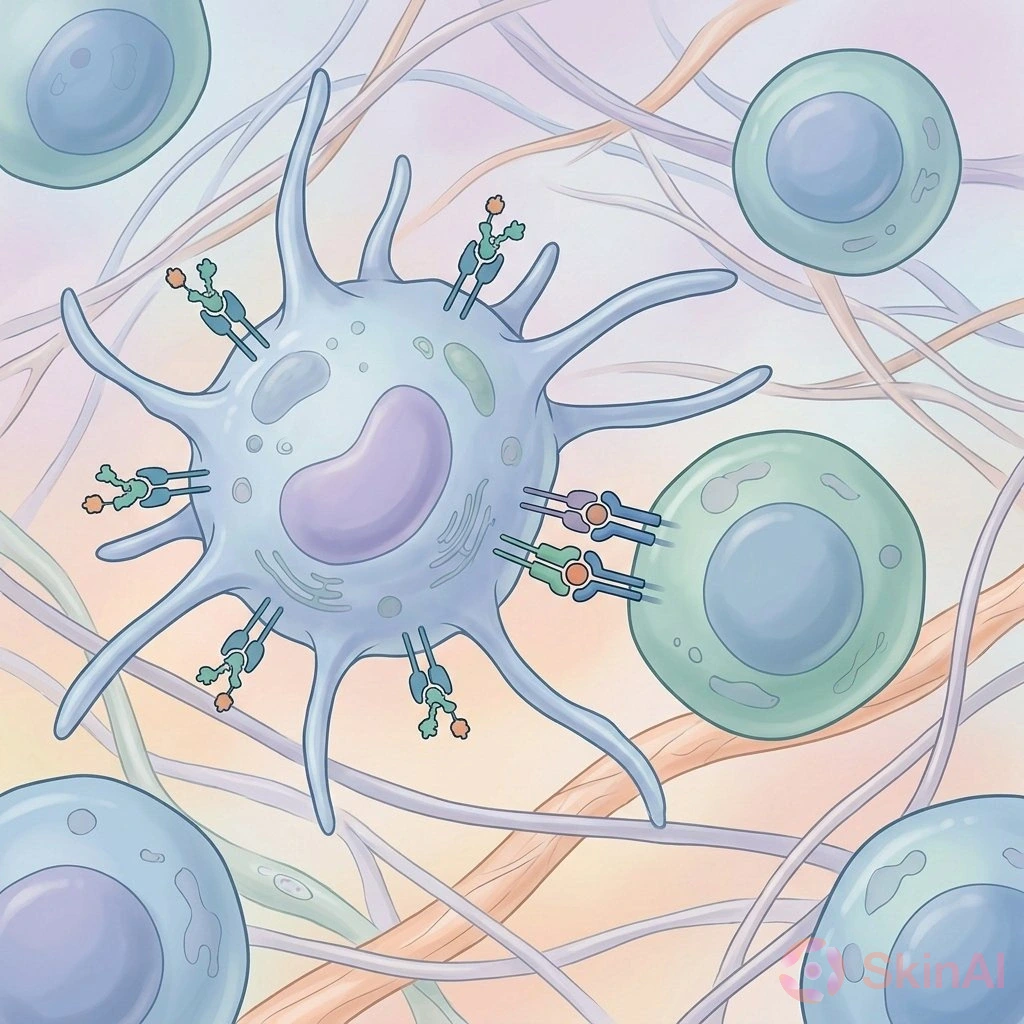
Tumors carry unique genetic changes that normal cells don’t have. Some of those changes create new bits of protein called neoantigens. The immune system can sometimes notice these new proteins and attack tumor cells that carry them.
An individualized neoantigen vaccine is made from a person’s own tumor and blood samples. The tumor’s DNA is sequenced to find the best neoantigen targets. Those selected targets are then built into an mRNA vaccine that’s given by injection (Source: interview with Goran Mićević, MD, PhD; company press releases).
What the trial showed
INTerpath-001 tested the personalized vaccine plus pembrolizumab (a PD-1 checkpoint inhibitor) against pembrolizumab alone in people who had complete surgical removal of stage IIB–IV melanoma.
The main result was that the combination reduced the chance of the cancer coming back during the follow-up time (improved RFS). It also lowered the chance of developing distant metastases (improved DMFS). These results are in line with an earlier phase 2b study that showed a roughly 50% reduction in the risk of recurrence or death with a similar vaccine plus pembrolizumab compared with pembrolizumab alone (Source: Weber et al., 2024).
While these disease-control results are meaningful, overall survival data are not yet mature. Continued follow-up will show whether these improvements lead to longer life expectancy.
Who was included in the study — and where this vaccine might fit
The trial enrolled people with stage IIB through stage IV melanoma who had surgery that removed the tumor completely. That means the vaccine was tested as an adjuvant treatment — given after surgery to lower the chance the cancer comes back.
This approach doesn’t replace surgery for people who can have it. Right now, because building the personalized vaccine takes time (about 6 to 8 weeks by current estimates), it’s harder to give it before surgery.
As a result, the clearest use for this vaccine today is after surgery. However, if production time gets shorter and the treatment process is streamlined, doctors may explore using it earlier, before surgery (neoadjuvant use). More research is needed to decide the best timing and how to combine the vaccine with other treatments.
Who might benefit?
Early correlative analyses from the trial suggested the vaccine’s benefit did not depend on certain tumor or immune markers, including HLA type, tumor mutational burden, or PD-L1 levels. HLA molecules help present neoantigens to the immune system, so a therapy that works across HLA types could apply to more people.
These findings are preliminary but encouraging because they suggest a wider group of patients could potentially benefit, not only those with a specific genetic background. Researchers are also testing similar personalized vaccines in other cancers, including pancreatic, bladder, and lung cancers (Source: company press releases; interview).
What still needs to be figured out
- Which neoantigens truly matter? Tumors have many mutations. Future work must improve how we pick the few mutations that will create a strong, lasting immune response rather than “passenger” changes that don’t help.
- Better tests and biomarkers. New lab tests may help identify which tumor changes are likely to be good vaccine targets and which patients are most likely to benefit.
- Timing and logistics. Faster manufacturing and smoother clinic workflows could change how and when the vaccine is given.
- Long-term benefit. We need longer follow-up to know whether improved disease-free outcomes translate into longer overall survival.
Tracking skin changes
If you have a mole or spot that changes, it’s helpful to document those changes over time with photos and notes about size, color, or symptoms. This can make it easier to share concerns with your doctor and speed up evaluation if needed.
When to see a doctor
Talk to a dermatologist if you notice a changing mole, new growth, bleeding, a sore that does not heal, sudden pain, signs of infection, or anything that grows quickly. If you’ve had melanoma, follow-up with your care team is important to discuss adjuvant treatment options and any new research that may apply to you.
Important caution
These phase 3 results are an encouraging step, but they do not mean the vaccine is a cure. The companies running the trial reported the findings (Source: Merck & Co., Inc.; Moderna, Inc.), and more data and independent review will help clarify long-term benefits, risks, and how this treatment fits into clinical care. Treatment decisions should always be made with your doctor or dermatologist.
For serious or changing skin symptoms, seek prompt medical attention rather than relying on news reports.
Sources
- Merck & Co., Inc.; Moderna, Inc. Merck and Moderna announce phase 3 INTerpath-001 trial of intismeran autogene plus KEYTRUDA met endpoints of recurrence-free survival (RFS) and distant metastasis-free survival (DMFS) in patients with completely resected stage IIB-IV melanoma. Published August 19, 2026. (Source: Merck & Co., Inc.; Moderna, Inc., press release)
- Weber JS, Carlino MS, Khattak A, et al. Individualised neoantigen therapy mRNA-4157 (V940) plus pembrolizumab versus pembrolizumab monotherapy in resected melanoma (KEYNOTE-942): a randomised, phase 2b study. 2024;403(10427):632-644. doi:10.1016/S0140-6736(23)02268-7. (Source: Lancet, 2024)
- Moderna, Inc.; Merck & Co., Inc. Moderna and Merck present 5-year data for intismeran autogene in combination with KEYTRUDA (pembrolizumab) in patients with high-risk stage III/IV melanoma following complete resection at the 2026 ASCO Annual Meeting. Published June 1, 2026. (Source: company press release)