
Why Treating Hidden Skin Damage Prevents Future Skin Cancer Risks
Why this matters: skin cancer is more than what you can see
When you and your doctor spot a suspicious spot on the skin, that visible lesion is important — but it’s often only the beginning of the story.
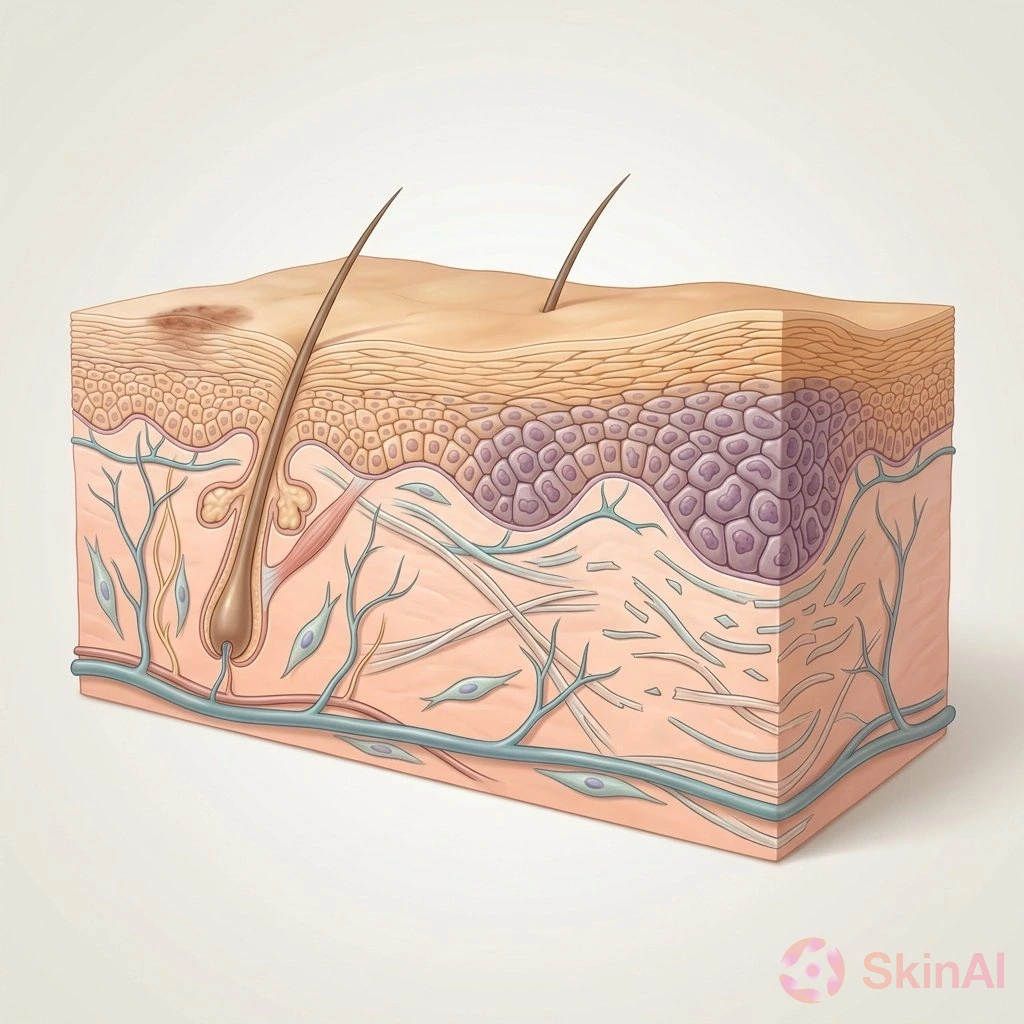
Dr. Neal Bhatia, director of clinical dermatology at Therapeutics Clinical Research in San Diego, explains that what you can see with the eye is sometimes just the “tip of the iceberg.” Under the surface, years of sun damage can leave more damaged cells that can later turn into additional precancerous spots or skin cancers.
In simple terms — key takeaways
Visible tumors are only a portion of the damage from sun exposure.
Hidden damage under the skin can lead to more problems over time.
Field-directed treatments — treatments that target the whole area of sun-damaged skin, not just single spots — can reduce future risk and improve the look of the skin.
What the “iceberg” of skin damage means
Think of a single red or scaly spot you notice. That small spot may be only 10% or 20% of the total problem in that area, with the rest unseen beneath the surface.
This hidden or “subclinical” damage is caused by cumulative ultraviolet (UV) exposure. Over time it can produce more actinic keratoses (rough, scaly patches that can sometimes become cancer) and more basal cell carcinomas (a common type of skin cancer).
Dr. Bhatia uses another image to make this clear: “You see one, there’s 10 more,” like finding termites — treating only the one you can see ignores the rest of the damage that will keep causing trouble.
Photodynamic therapy (PDT): treating the whole field
Photodynamic therapy (PDT) is a treatment that puts it in the “field-directed” category. In plain language, PDT uses a medicine applied to the skin that becomes active when exposed to a special light, helping to destroy damaged cells across an entire area — not just the obvious lesions.
Dr. Bhatia calls PDT “probably the most effective chemoprevention agent we have,” meaning it’s one of the best options dermatology currently has for preventing new cancerous changes across a sun-damaged area. He notes there aren’t FDA-approved drugs specifically labeled for preventing skin cancers, and interest in taking systemic retinoids (oral vitamin A–type medicines) has dropped.
Because PDT treats the whole patch of damaged skin, it can lower the chance that new actinic keratoses or skin cancers will show up later in that area. That makes it a useful option for people with a lot of sun damage or a history of these lesions.
Good cosmetic results — especially on the face and hands
PDT often has cosmetic benefits in addition to treating precancerous or cancerous spots.
Many people notice improvements in the surrounding skin: less sallow tone, fewer fine wrinkles, and more even color (less dyschromia, meaning patches of uneven pigment). This can be especially helpful for cosmetically sensitive places like the face, chest, or the backs of the hands.
Both red and blue light forms of PDT can offer similar cosmetic benefits. That contrasts with treatments like cryotherapy (freezing), which has a higher risk of leaving areas of changed pigmentation.
For people tired of repeated surgeries, or for tumors in areas where looks matter, PDT offers the chance to be “a little bit more conservative, but yet also thoroughly” treating the damaged skin, as Dr. Bhatia says.
Completing the approach: field treatment plus good skin care
Dr. Bhatia frames field-directed treatment not as optional but as part of complete care. Treating only the visible spot without addressing the surrounding damaged skin risks leaving behind the hidden disease.
Along with PDT, there are supportive strategies that help keep skin healthier and lower future risk. These include:
- Topical retinoid serums (creams or serums with vitamin A–type ingredients) to help skin cell turnover.
- Polypodium leucotomos extract — a plant-derived oral supplement some people use for added sun protection support.
- Consistent sun protection — sunscreen, protective clothing, and avoiding peak sun are essential to protect results and limit new damage.
Even with these options, PDT remains a foundational tool to treat an entire area of sun-damaged skin, not just single spots.
When to see a doctor
Schedule a visit with a dermatologist if you notice:
- a new or changing spot that’s scaly, crusted, bleeding, or doesn’t heal;
- clusters of rough, scaly patches (possible actinic keratoses);
- multiple spots in the same area after years of sun exposure.
Bring up options for field-directed treatment if you have a history of sun damage or repeated lesions. Ask about the risks and benefits of PDT and other approaches so you can choose what fits your goals and lifestyle.
Disclaimer
This article is for general information and does not replace medical advice. Talk with a dermatologist about what’s best for your skin.
Sources
- Interview with Neal Bhatia, MD, director of clinical dermatology at Therapeutics Clinical Research (Expert Perspectives episode)