Dermatological Atlas – photo
examples & description

Welcome to the SkinAI Dermatological Atlas!

This is your reliable assistant in studying and recognizing various skin conditions. The atlas provides information on numerous dermatological conditions — from common ones such as acne and eczema to more serious issues, including skin cancer and fungal infections. Detailed descriptions, illustrative images, and expert recommendations will help you identify symptoms, understand the causes of diseases, and explore possible treatment methods.

Risk Categories:

  • Low risk: Safe skin changes that do not require medical intervention. Self-monitoring is recommended 1–2 times per month. Treatment or removal is performed solely for aesthetic reasons or in case of condition deterioration.
  • Medium risk: Non-contagious infectious, potentially dangerous, and precancerous conditions. It is advisable to consult a dermatologist during a routine examination or within the next 1–3 months. Regular self-monitoring (1–2 times per month) is necessary, with a follow-up visit to a doctor in case of worsening.
  • High risk: Dangerous infectious and oncological skin diseases. In such cases, an urgent consultation with a dermatologist or dermato-oncologist is required for timely diagnosis and treatment.

Low risk Medium risk High risk

Acne, rosacea, milium
1. Acne, rosacea, milium (9)
Acne is an inflammatory skin condition that occurs when hair follicles or pores become clogged with sebum, dead skin cells, and bacteria.
Bacterial and parasitic skin infections
2. Bacterial and parasitic skin infections (4)
Bacterial and parasitic skin infections are caused by living organisms that colonise or invade the skin — bacteria such as streptococci and staphylococci, the spirochaete that causes syphilis, and parasites such as the scabies mite.
Benign neoplasms, nevi, moles
3. Benign neoplasms, nevi, moles (12)
Benign Neoplasms are non-cancerous growths or tumors that form on the skin or other tissues in the body.
Borderline skin lesions
4. Borderline skin lesions (2)
Borderline skin lesions are skin changes or formations that are difficult to classify definitively as either benign or malignant.
Dermatitis
5. Dermatitis (3)
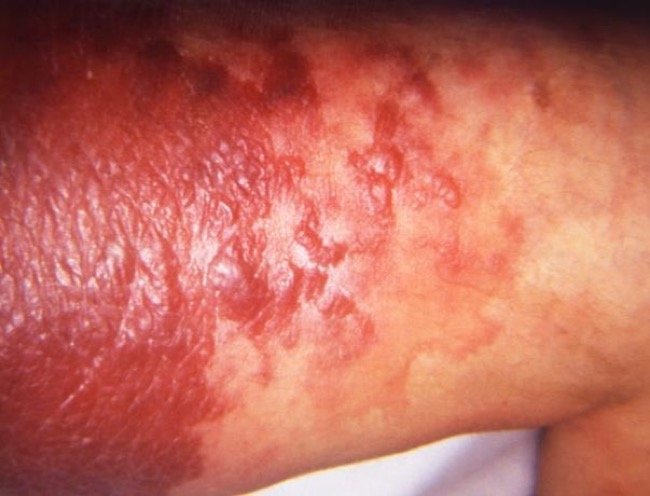
Dermatitis is a general term for a group of inflammatory skin conditions that can be caused by various factors.
Eczema
6. Eczema (7)
Eczema is not one disease but a group of inflammatory skin conditions that share redness, itching and a damaged skin barrier.
Healthy skin and nails: no pathology
7. Healthy skin and nails: no pathology (2)
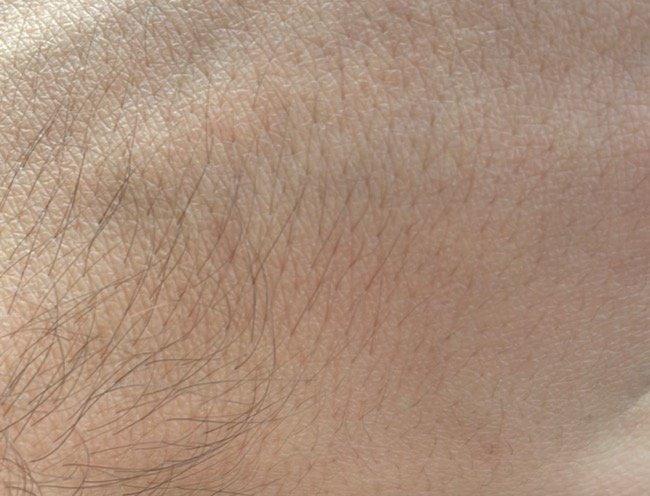
This section is the reference point the rest of the atlas is measured against: skin and nails on which an examination finds nothing that needs treatment.
Mycoses: fungal infections of the skin, hair, and nails
8. Mycoses: fungal infections of the skin, hair, and nails (4)
Fungal infections of the skin, such as dermatophytosis, can cause redness, itching, scaling, and inflammation.
Papulosquamous disorders: psoriasis, lichen
9. Papulosquamous disorders: psoriasis, lichen (7)
Papulosquamous disorders are a group of skin conditions characterized by the appearance of inflamed, thickened areas of skin covered with scales or crusts.
Skin Cancer: melanoma, BCC, SCC
10. Skin Cancer: melanoma, BCC, SCC (6)
Skin cancer encompasses different types of malignancies that develop in the skin cells.
Urticaria and erythema
11. Urticaria and erythema (2)
Urticaria and erythema are skin conditions that can be associated with allergic reactions or other diseases.
Viral skin diseases: HPV, herpes
12. Viral skin diseases: HPV, herpes (8)
Viral skin diseases are infections caused by viruses that affect the skin.
Vitiligo
13. Vitiligo (1)
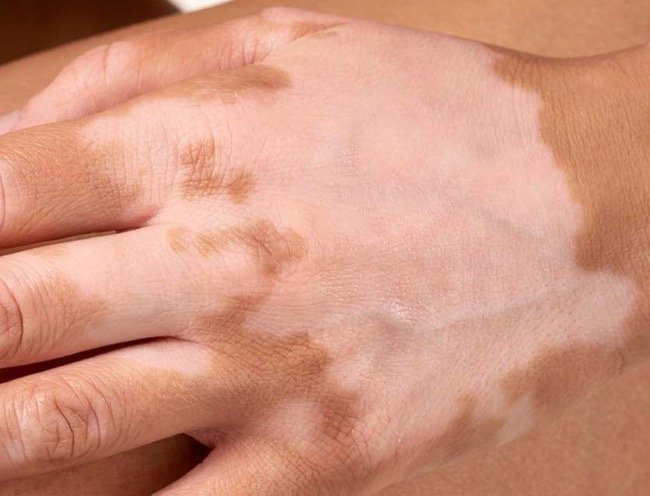
Vitiligo is a long-term condition in which the skin loses its pigment in well-defined patches.