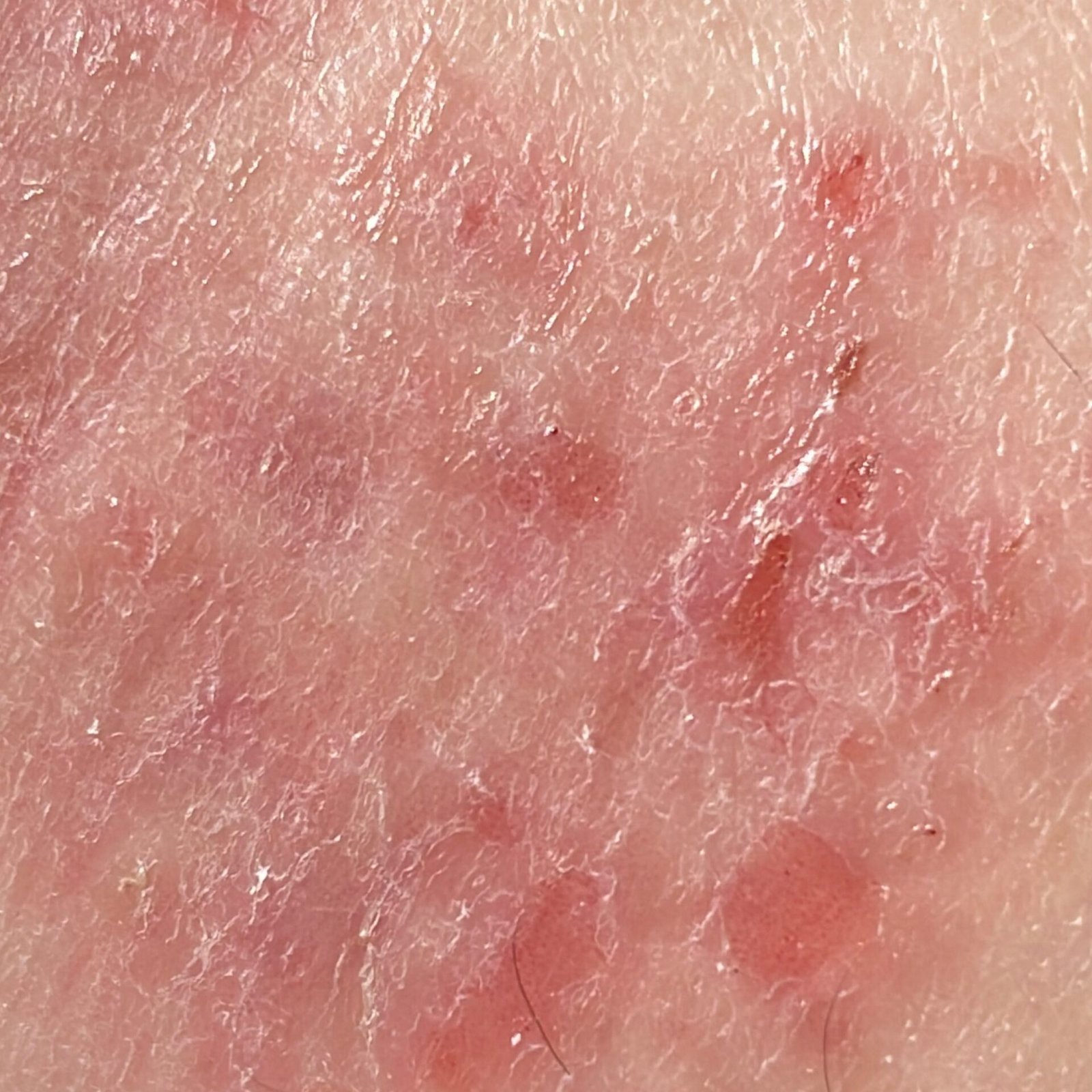
Eczema
Eczema is not one disease but a group of inflammatory skin conditions that share redness, itching and a damaged skin barrier. Atopic dermatitis is the most common form and the one most people mean by the word, but it is not the only one — this section also covers eczema driven by dry skin, by venous disease in the legs, by a nearby focus of infection, and by causes that are still not fully understood. Eczema can begin at any age and is usually the result of genetic and environmental factors acting together, such as allergies, asthma or a family history of skin conditions.
The main symptoms of eczema include:
- Itchy skin: Intense itching is one of the most bothersome symptoms.
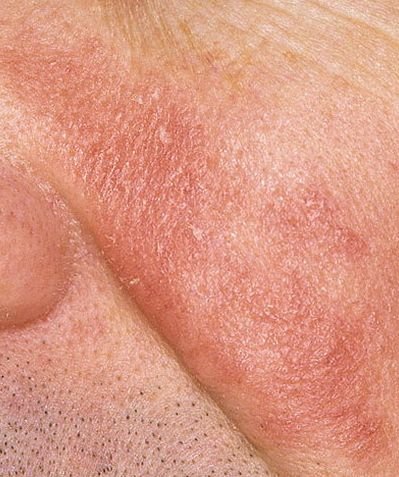
- Red patches: Inflamed, red, or dry patches of skin that can appear anywhere on the body.
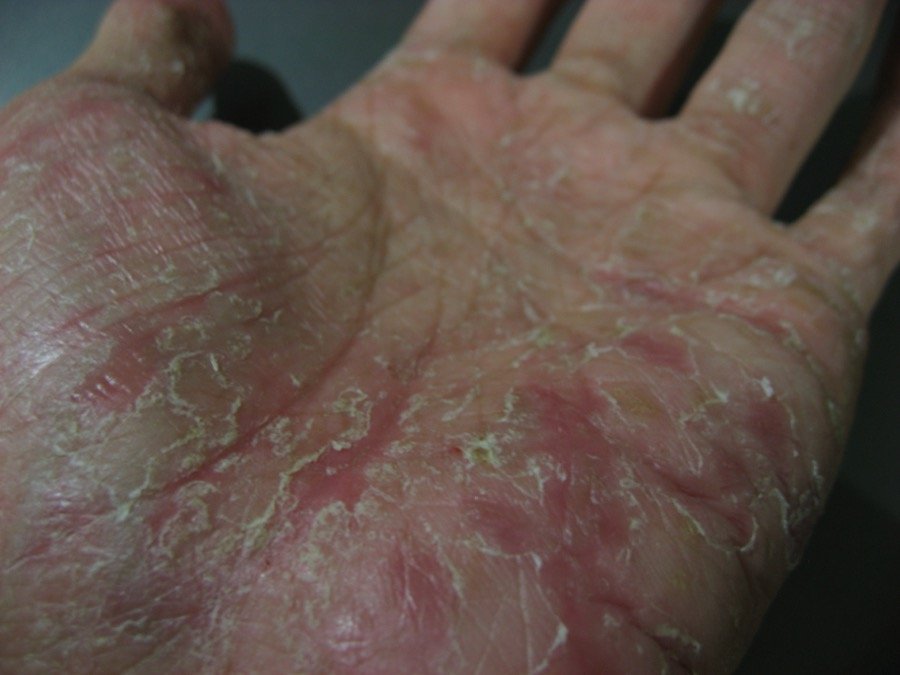
- Dry skin: The skin may become very dry and cracked.
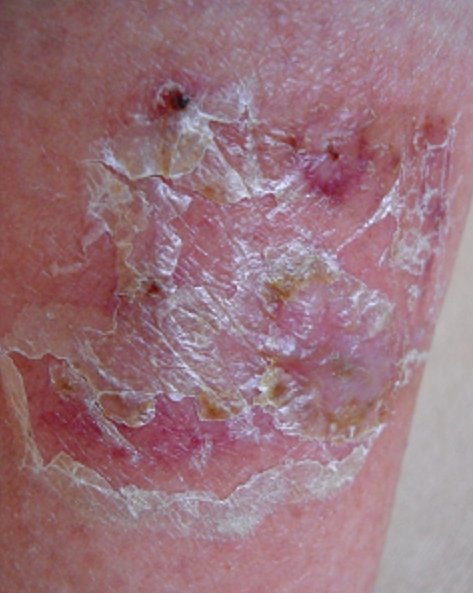
- Scales and crusts: In severe cases, the skin may become thickened, crusted, or covered in scales.
Eczema can flare up and subside over time. Triggers for flare-ups may include allergens (such as dust mites or pet dander), stress, extreme temperatures, harsh soaps, or certain fabrics.
Treatment typically involves moisturizing the skin to prevent dryness, using corticosteroid creams to reduce inflammation, and avoiding triggers. In more severe cases, systemic treatments or immunosuppressive medications may be prescribed. Regular follow-ups with a healthcare provider or dermatologist are recommended to manage the condition.
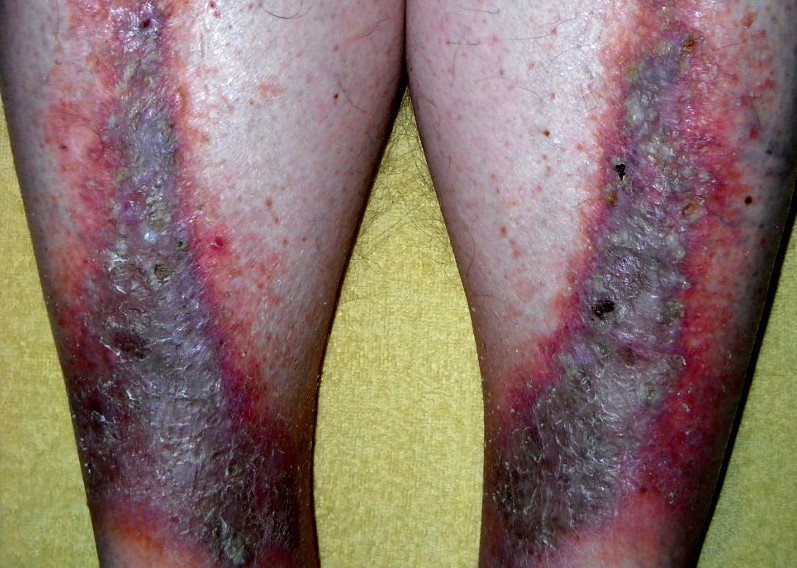
Forms of eczema covered in this section: general eczema, dyshidrotic eczema on the palms and soles, nummular eczema in coin-shaped patches, venous eczema on the lower legs, microbial eczema around a wound or discharge, and asteatotic eczema in dry, cracked winter skin. Two closely related conditions have their own pages in the Dermatitis section: atopic dermatitis, and seborrheic dermatitis — which is the same condition as the term seborrheic eczema.
Explanation of risks:
- High Risk: While eczema itself is generally not life-threatening, it can severely impact your quality of life due to persistent discomfort and itching. If left untreated or not properly managed, eczema can lead to complications such as skin infections or noticeable changes in appearance.
💊 Treatment: The treatment and diagnosis of eczema depend on the severity of the symptoms. If you suspect you have eczema, it’s important to consult a dermatologist for an accurate assessment and treatment plan. The urgency of treatment will vary depending on how severe the symptoms are.
💡 Skin Self-Exams Tips: Regular self-exams of your skin are crucial to track any changes and the progression of eczema. Perform these checks regularly, especially if you or your family has a history of eczema, or if you start noticing early signs like redness, itching, or flaking. If you observe these changes or notice a worsening of symptoms, it’s important to consult your doctor immediately.