
Spitz Nevus (ICD-10: D22) ⚠️
Spitz Nevus (Epithelioid and Spindle-Cell Nevus)
Spitz Nevus (also known as epithelioid and spindle-cell nevus) is a benign skin growth that rises above the skin’s surface. Typically acquired, Spitz nevi are more common in individuals under the age of 20, though about 10% of cases are congenital. Spitz nevi are typically solitary lesions, most often appearing in children and young adults. Spitz nevi are equally common in both men and women.
Predisposing Factors
The exact cause of Spitz nevi is not entirely understood, but there are several predisposing factors that may contribute to the formation of these benign skin lesions. The cause of a Spitz nevus is not established. The following have been discussed in connection with melanocytic lesions generally, and none is a confirmed risk factor for this one:
- Genetic Factors: A genetic predisposition may contribute to the appearance of Spitz nevi, suggesting a potential hereditary link.
- Ultraviolet Radiation: Ultraviolet exposure is associated with the development of melanocytic nevi in general. Whether it triggers Spitz nevi specifically is not established, and the cause of this lesion is not fully understood.
- Hormonal Changes: Spitz nevi appear most often in childhood and adolescence, which has led to suggestions of a hormonal influence. This remains a hypothesis rather than an established risk factor.
Diagnostics
The diagnosis of Spitz nevus is based on a clinical examination, which includes visual inspection and dermatoscopic evaluation. Dermatoscopy helps recognise the patterns associated with Spitz nevi, but it cannot reliably separate a Spitz nevus from a spitzoid melanoma or an atypical Spitz tumour. Histopathology matters for lesions that are suspicious, asymmetric, changing, or occurring in an adult. If there is concern about potential malignancy, a biopsy may be performed to confirm the diagnosis and rule out other conditions, such as melanoma.
Symptoms
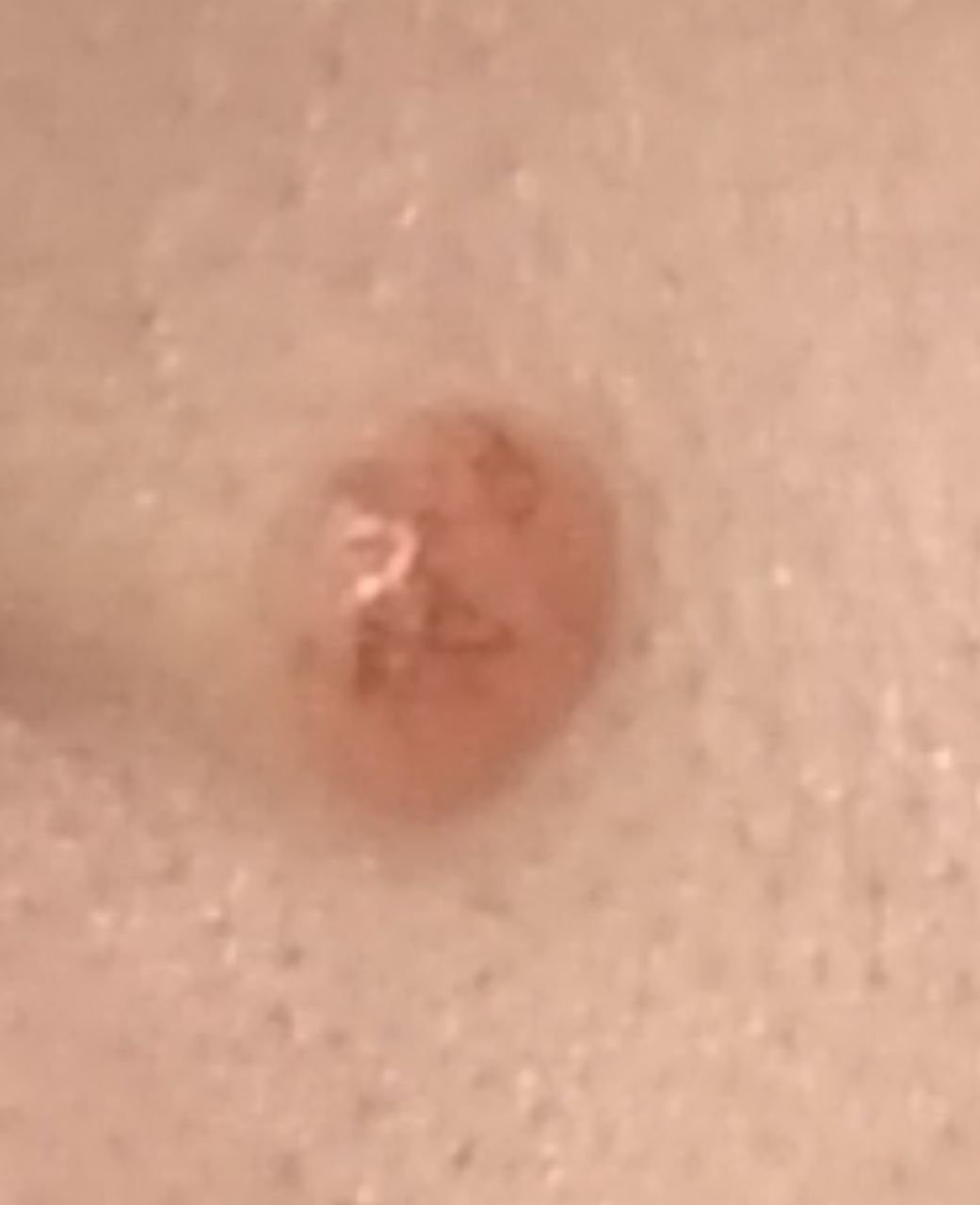
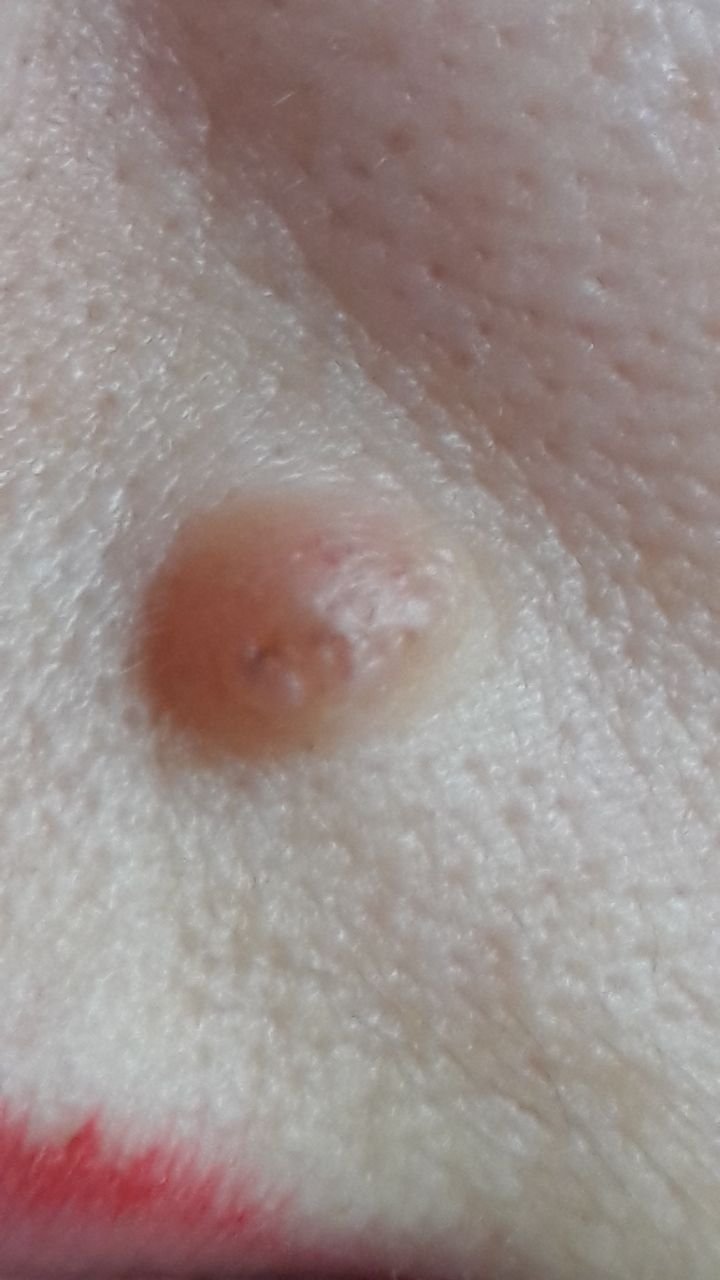
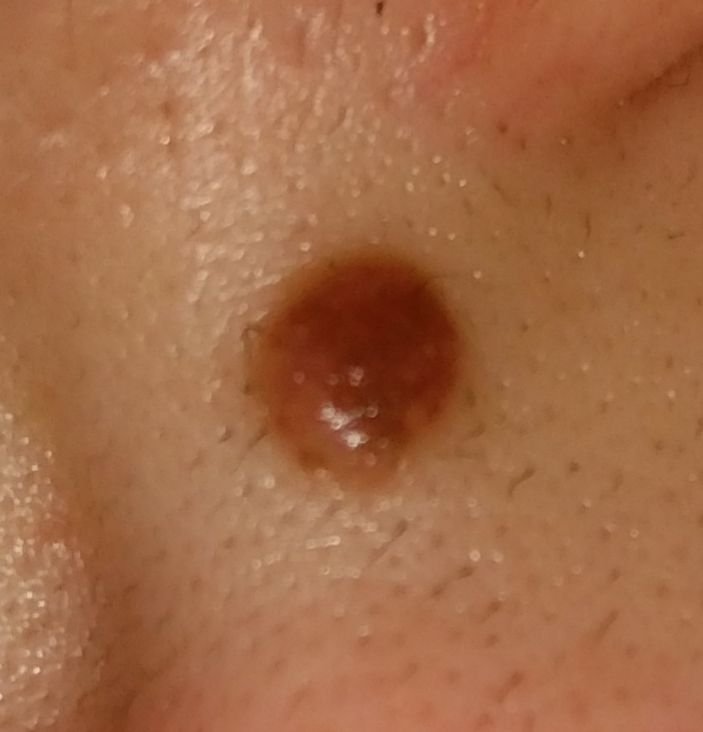
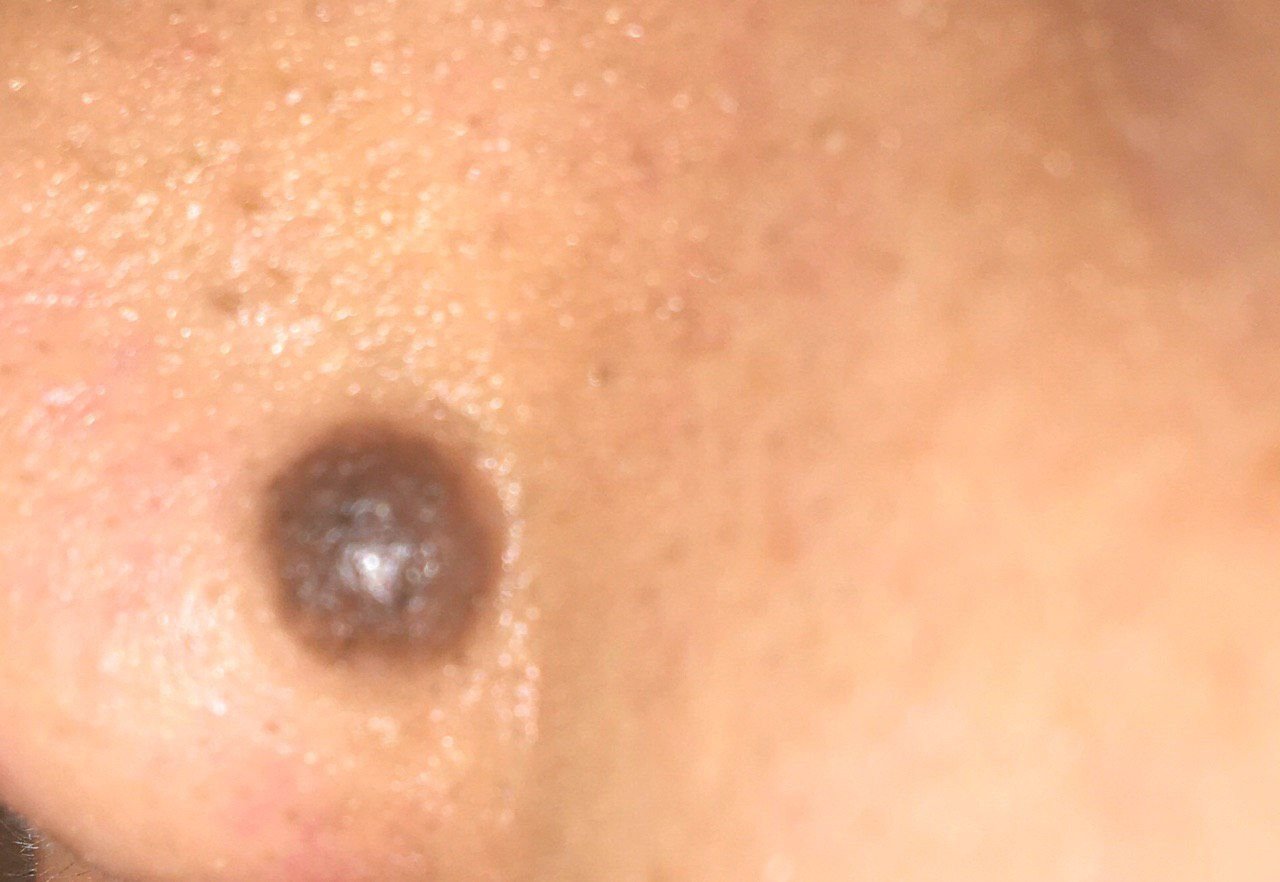
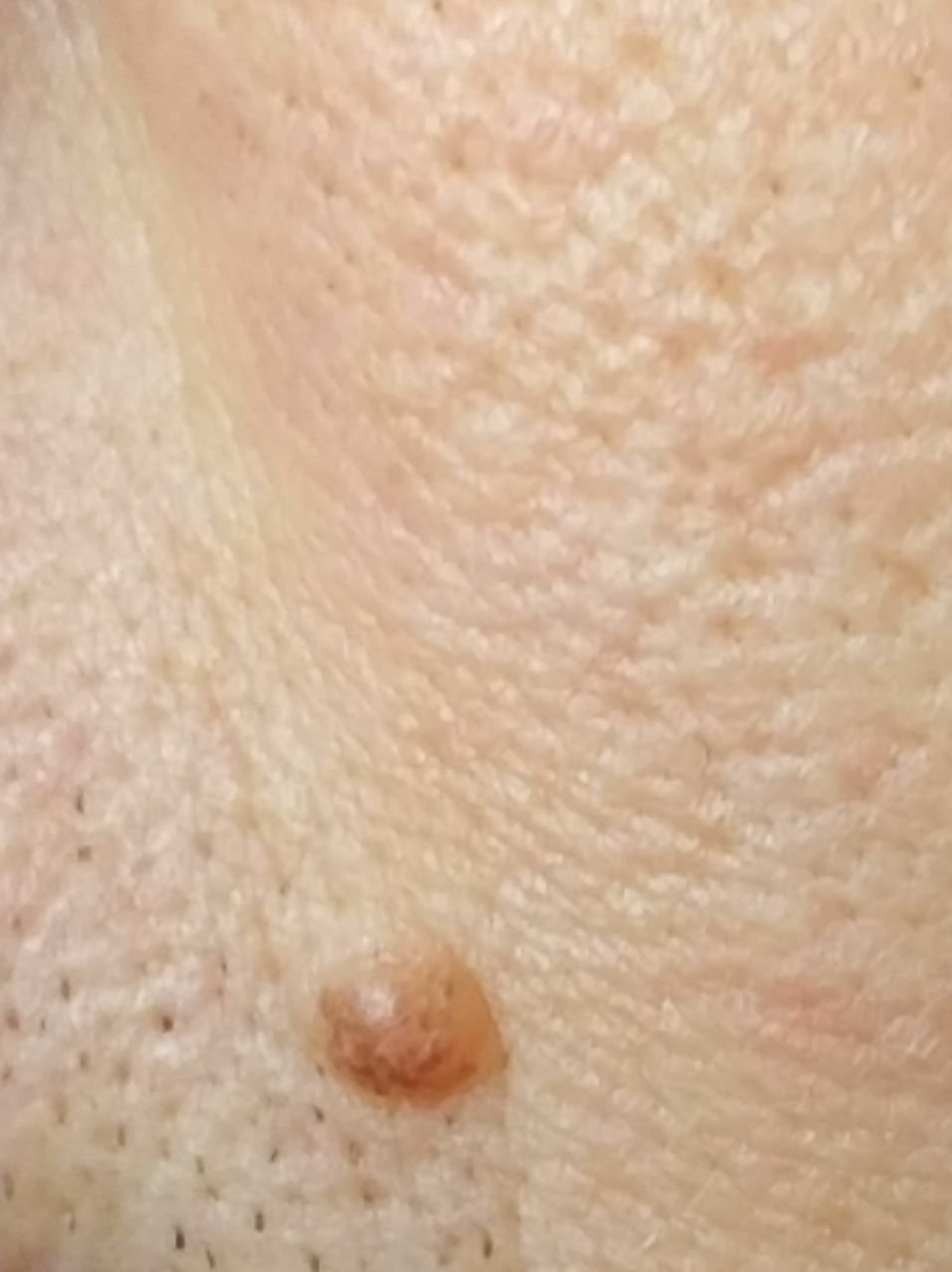
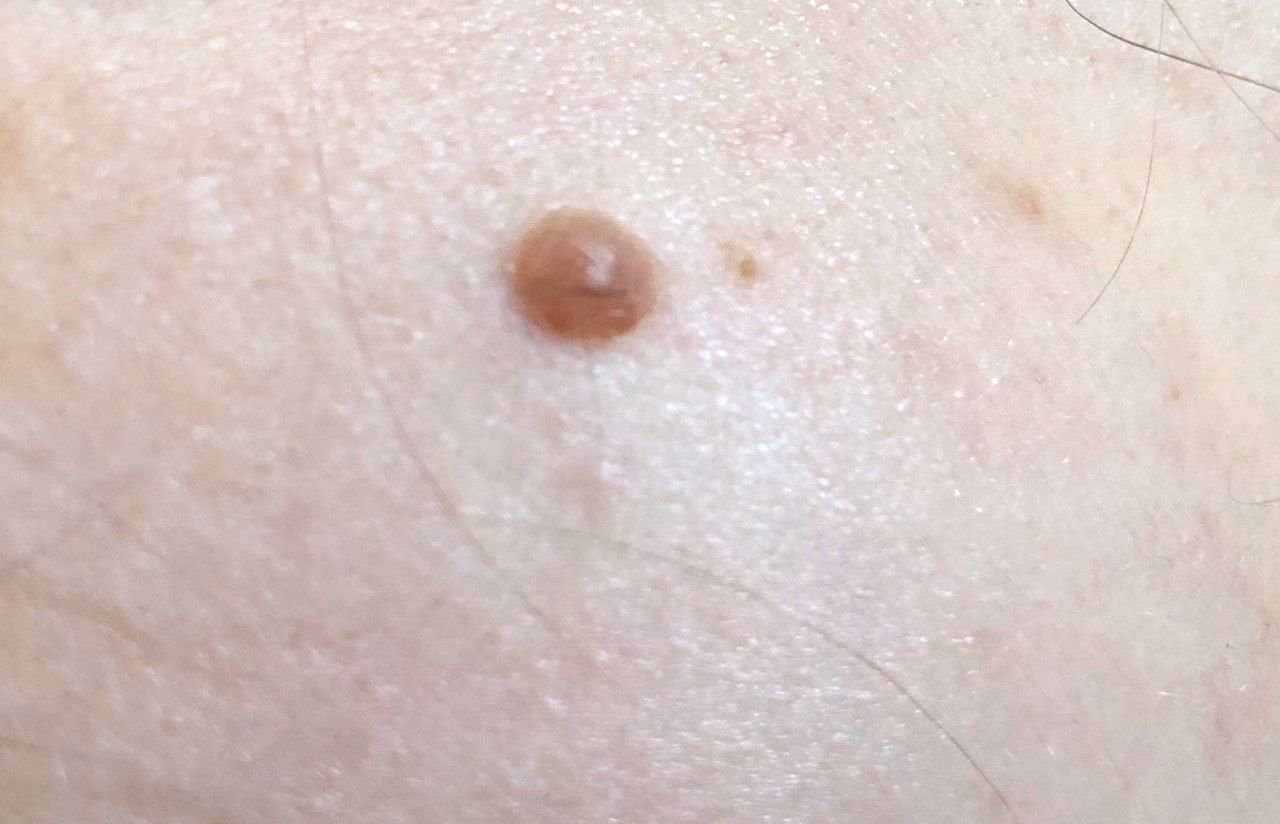
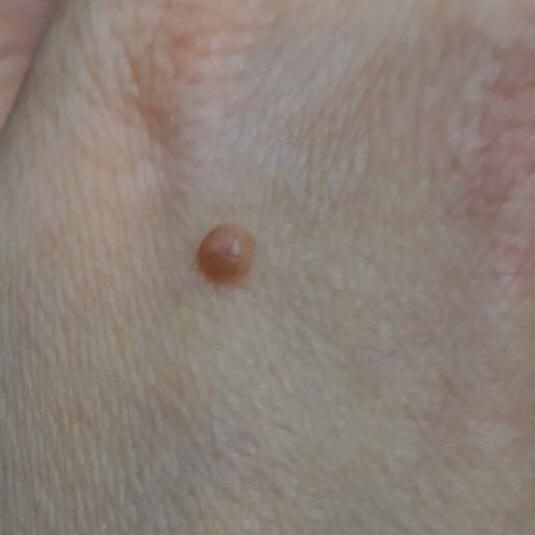
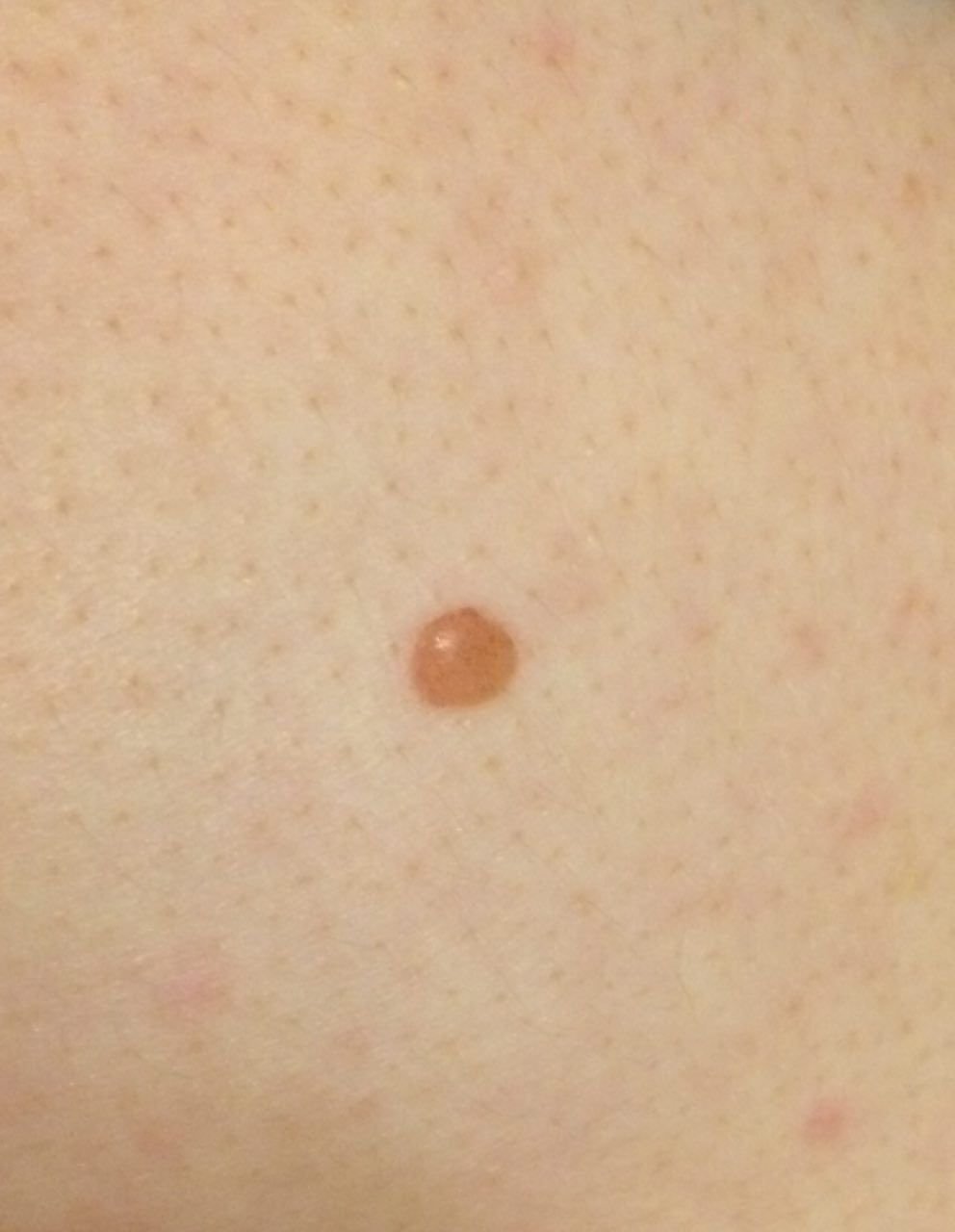
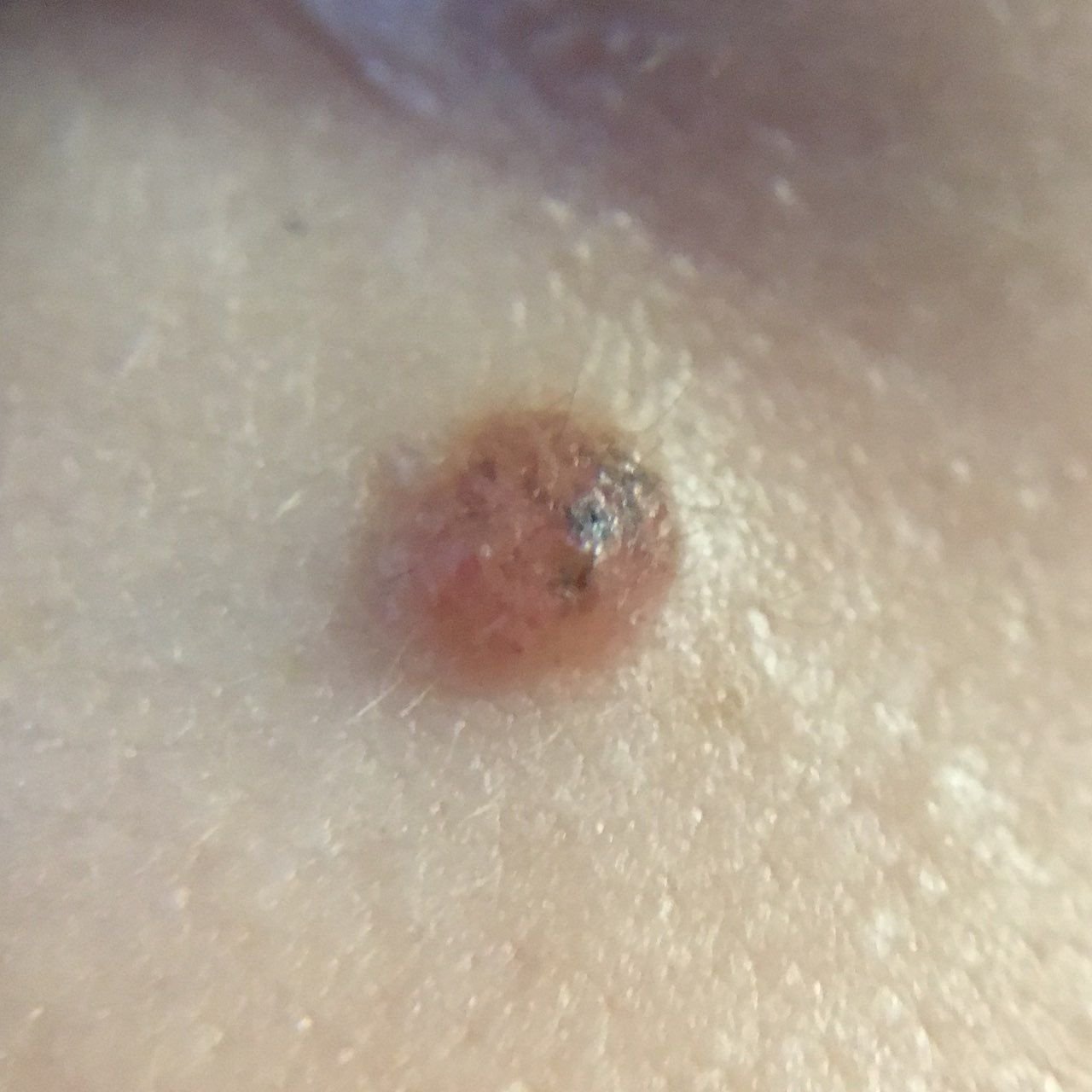
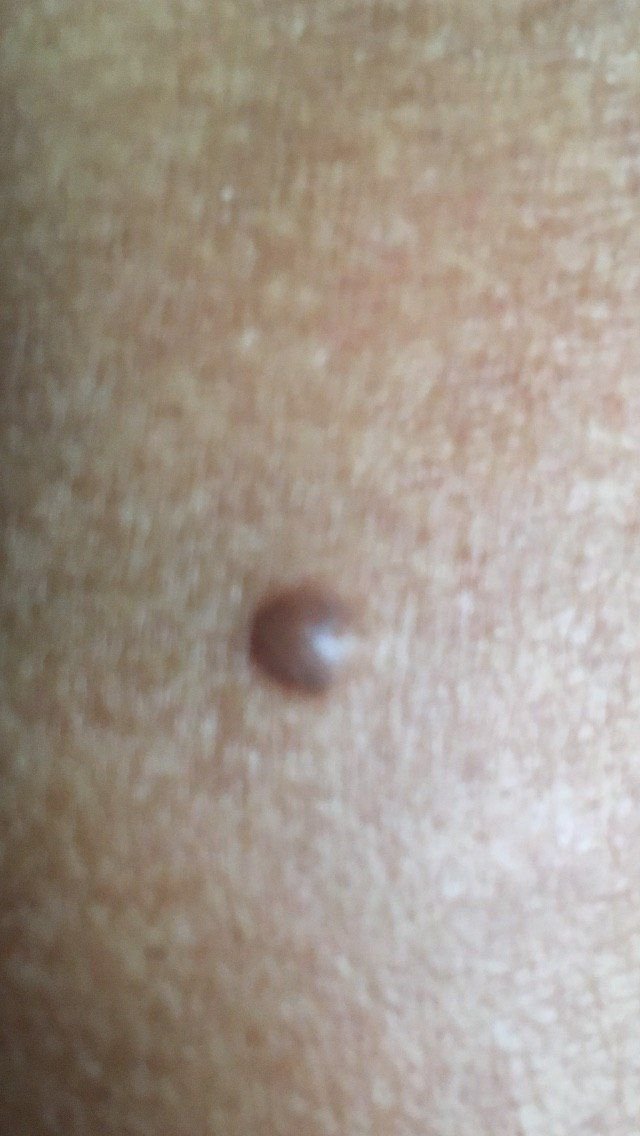
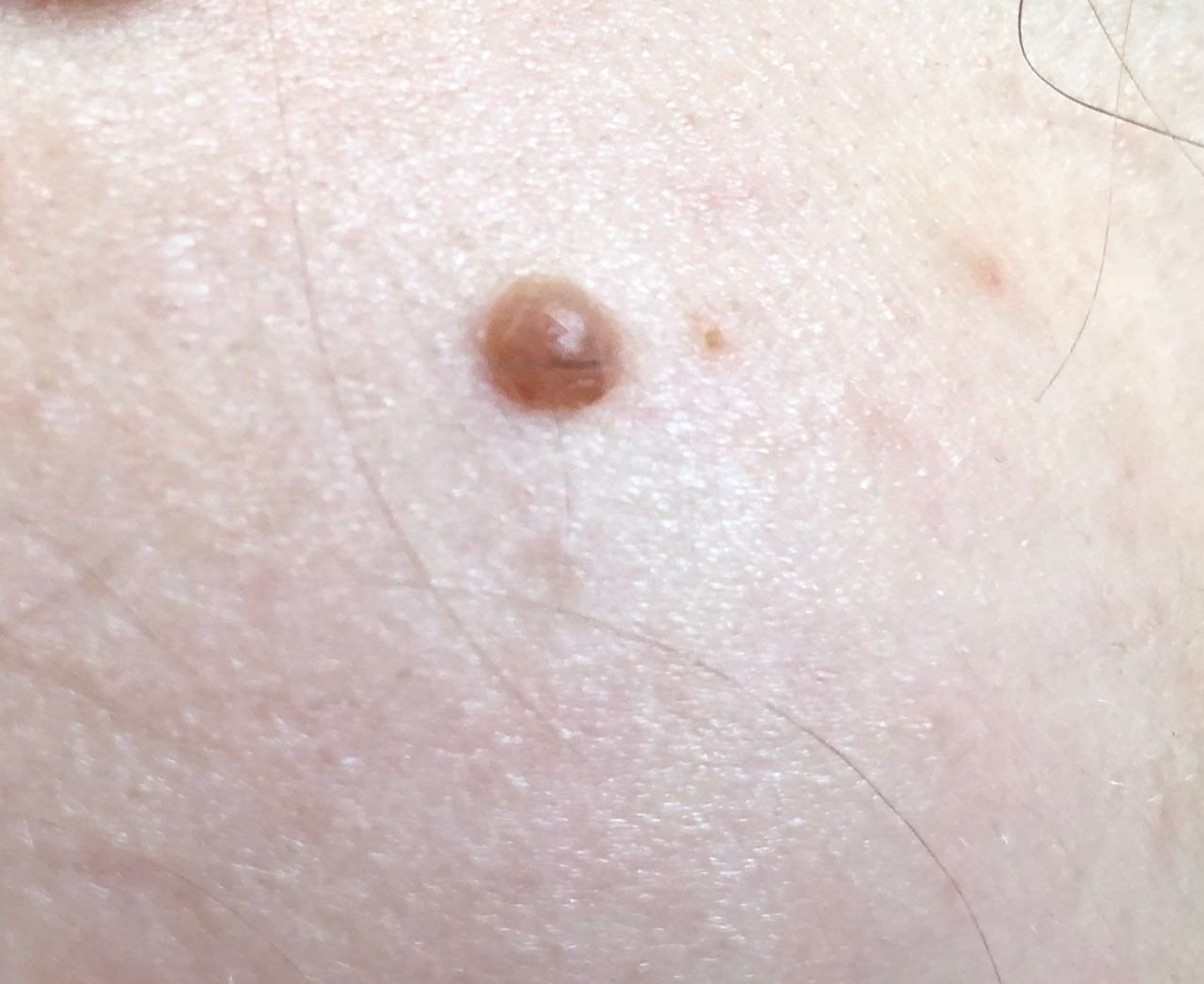
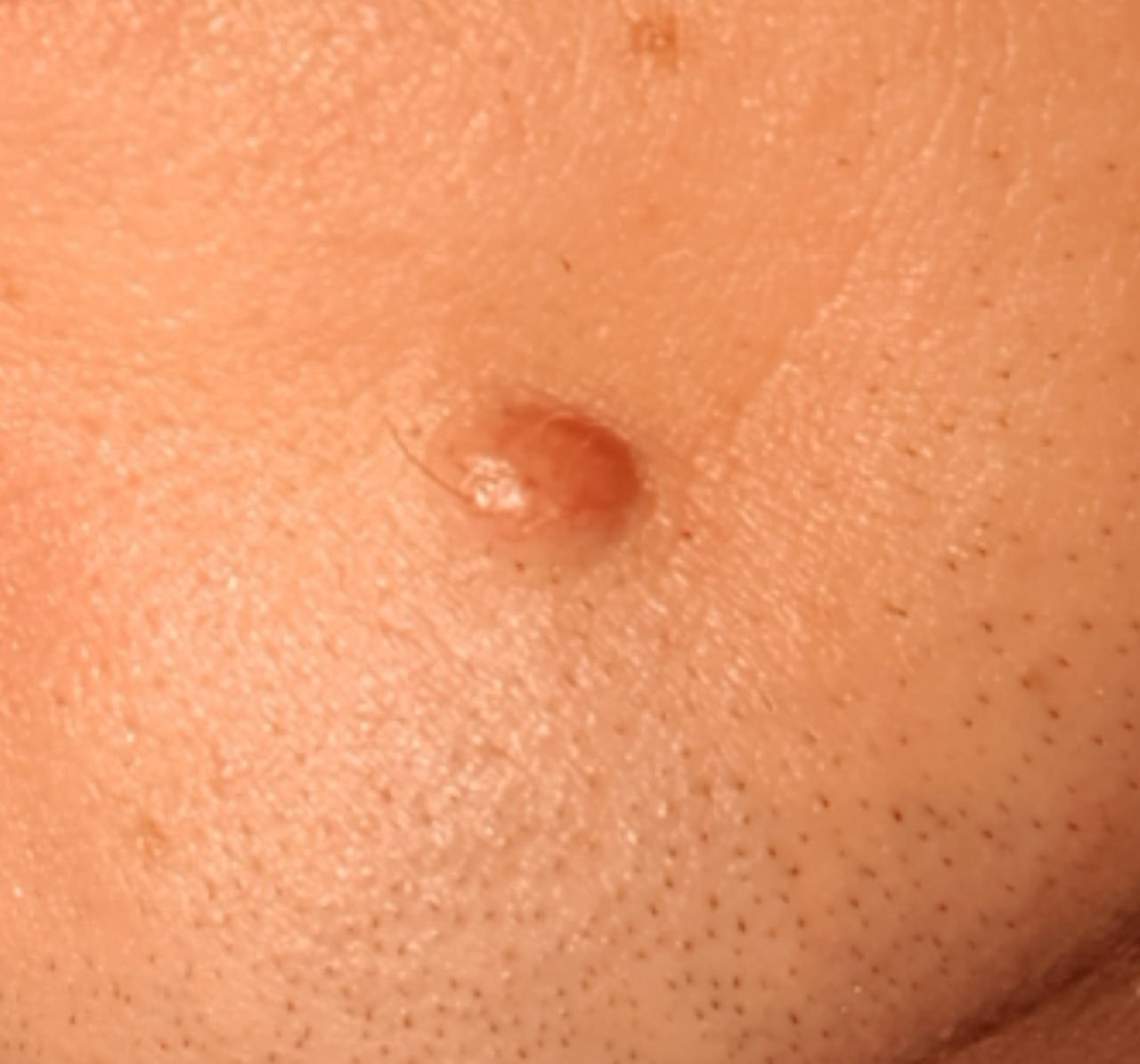
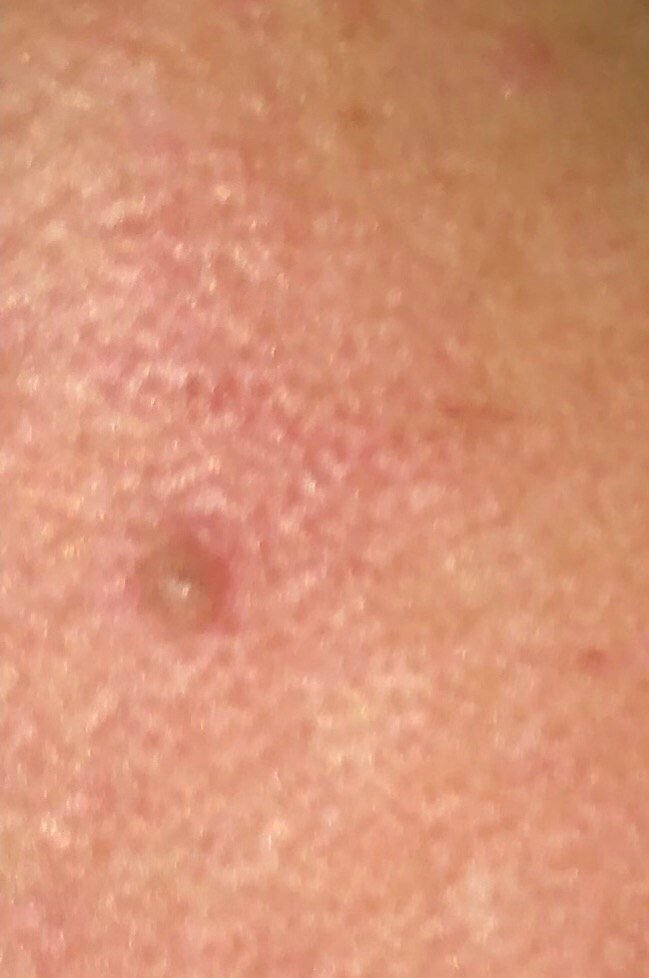
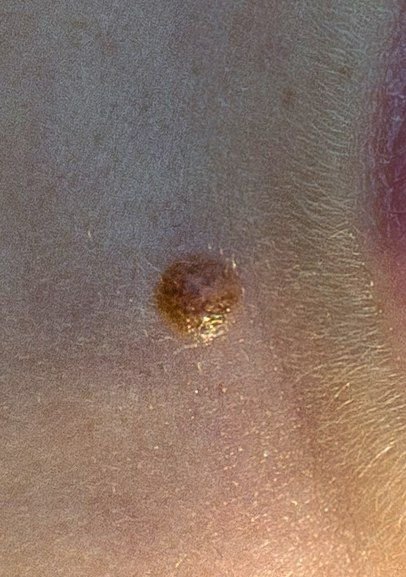
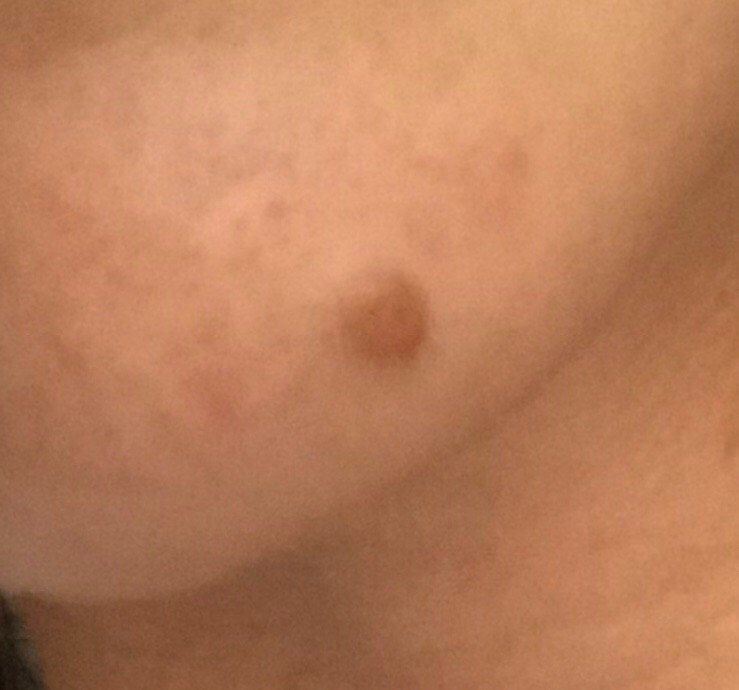
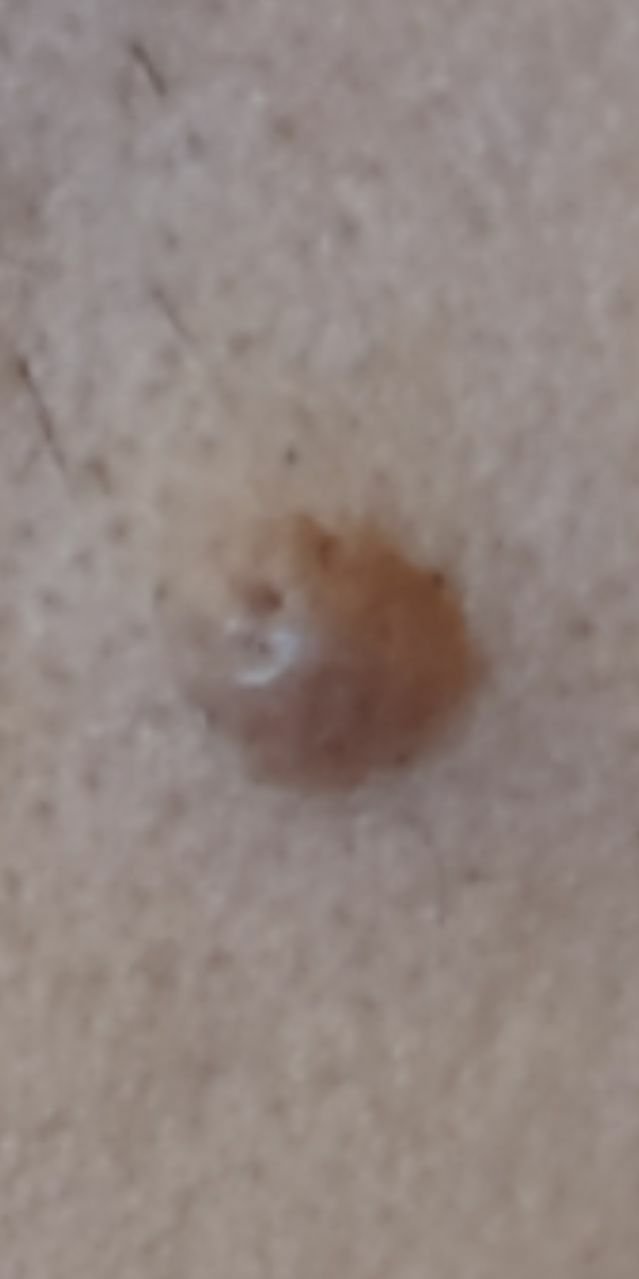
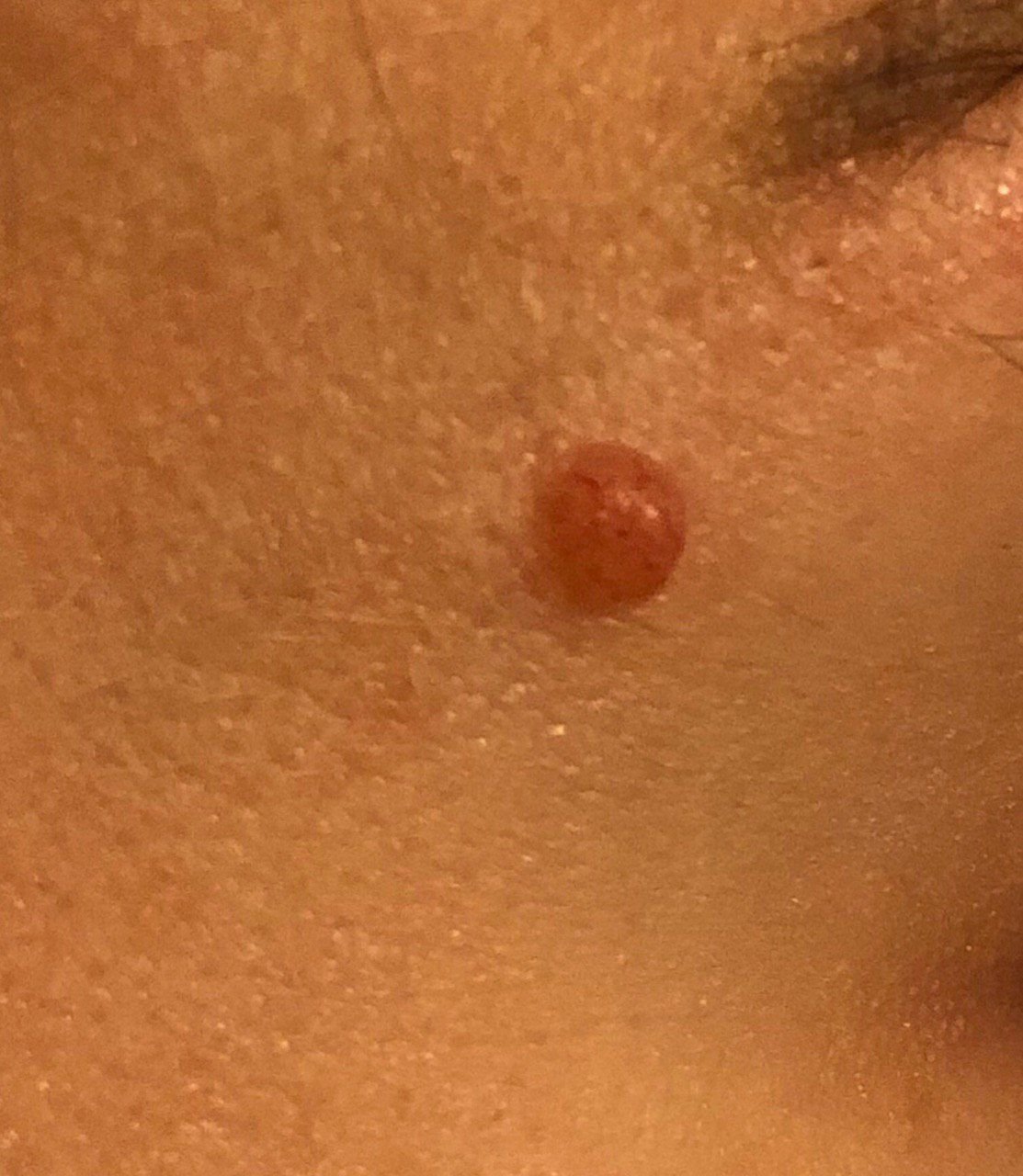
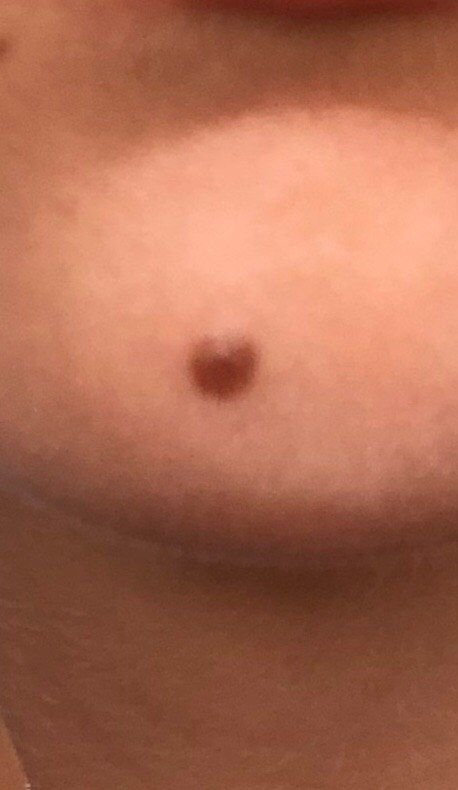
Spitz nevi typically present as hemispherical or slightly flattened lesions that rise above the surface of the skin, most often in a symmetrical shape (oval or round). In some cases, large Spitz nevi can be irregular in shape. The surface of the nevus may be slightly different from the texture of the surrounding skin, either smoother or finely tuberous, giving it a subtle raised appearance. The borders of Spitz nevi are typically clear and even, although larger lesions may have uneven edges.
The color of a Spitz nevus can range from light red (intense flesh-colored) to dark brown, with uniform pigment distribution throughout the lesion. In some cases, there may be a gradual decrease in color intensity from the center to the periphery, or subtle variations of the same color across the nevus. This gradual color change is more typical of larger lesions and is characteristic of verrucous forms of Spitz nevi.
Hair growth is usually absent within the lesion, though this does not distinguish it reliably in the differential diagnosis of this type of lesion.
The size of a typical Spitz nevus ranges from 3 mm to 8 mm in diameter. The height above the skin’s surface generally does not exceed 5-7 mm. Larger nevi are rare, and any significant increase in size should be evaluated by a specialist.
On palpation, Spitz nevi are slightly denser than the surrounding skin. Typically, there are no subjective sensations associated with these nevi, but mild itching or tenderness may occasionally be observed in long-standing cases.
Spitz nevi are most commonly found on the face, neck, and limbs, with less frequent occurrences on the body. Their locations do not follow a distribution that points to any single cause.
Dermatoscopic Description
Dermatoscopy of a Spitz nevus reveals the following characteristic features:
- Star Pattern: A hallmark feature of Spitz nevi, this pattern consists of pigment strips, dots, and/or globules radiating from the center to the periphery.
- Symmetric Blue-White Structure: A symmetric blue-white structure often appears in the center of the nevus, surrounded by pigmented elements such as spots.
- No Single Diagnostic Pattern: None of the features above is diagnostic on its own. The starburst and vascular patterns also occur in spitzoid melanoma, which is why an uncertain lesion goes to histopathology rather than being settled by dermatoscopy.
- Vascular Network: The lesion often shows a diffuse, slightly curved, monomorphic vascular pattern (regular vasculature).
- Diffuse Uniform Staining: The entire formation may be uniformly pigmented under dermatoscopic examination.
Differential Diagnosis
Spitz nevi must be differentiated from other pigmented neoplasms, including:
- Simple nevus
- Papillomatous nevus
- Molluscum contagiosum
- Blue nevus
- Dysplastic nevus
- Basal cell carcinoma
- Melanoma
Risks
Spitz nevi are generally benign, but some lesions can mimic melanoma histologically and require careful evaluation and, in selected cases, excision for histology. Signs of possible malignancy include sudden changes in the appearance of the nevus, such as rapid growth, color change, or development of pain or tenderness — these warrant prompt clinical evaluation.
A Spitz nevus is regarded as benign. The clinical difficulty is not that it turns malignant but that it overlaps in appearance with spitzoid melanoma and atypical Spitz tumours, so suspicious or changing lesions are evaluated promptly. However, careful monitoring is essential, especially when there are changes in the lesion’s characteristics.
Tactics
Because Spitz nevi can be difficult to distinguish from melanoma — especially in adults or changing lesions — clinical evaluation is recommended, and excision for histology may be needed in selected cases. How often a lesion is reviewed is decided individually, from the patient’s age, the shape and dermatoscopic symmetry of the lesion, whether it is changing, and how certain the diagnosis is. It may include checks in hard-to-see areas with the help of others. If the lesion changes in size, shape or colour, arrange a consultation with a dermatologist is necessary.
The healthcare provider will determine whether dynamic monitoring is sufficient or if removal of the nevus is necessary. Repeated irritation from clothing or jewellery is not in itself a reason to remove a Spitz nevus, though it is worth mentioning at a review.
For those undergoing dynamic observation, it is useful to photograph the lesion to monitor any changes over time. How often a dermatological examination is worthwhile depends on the individual rather than on a fixed seasonal schedule. Mapping of skin lesions is not needed as a routine measure. Mapping remains a reasonable option for someone at high risk — a patient with many atypical or dysplastic nevi, or with a previous melanoma — where it is decided individually.
Treatment
Not every Spitz nevus is removed; where excision is indicated it is done surgically, using either a classic scalpel or a radiofrequency scalpel. A histological examination of the excised tissue is necessary to confirm that the lesion is benign.
Destructive methods such as laser removal or cryodestruction are not recommended for Spitz nevi, as these methods may not allow for proper histological evaluation, and there is a risk of missing a spitzoid melanoma or an atypical Spitz tumour.
Prevention
There is no established way to prevent a Spitz nevus. What follows is general skin care and monitoring, which applies to any melanocytic lesion and involves a careful approach to skin care:
- Limiting exposure to ultraviolet radiation, including avoiding tanning beds and excessive sun exposure.
- Using sunscreen and protective clothing during periods of high sun exposure.
- Protecting the skin from sunburn, which is worthwhile for skin health generally rather than as a way of preventing this lesion formation.
- Examining your own skin regularly and reporting any lesion that changes.
Regularly monitoring Spitz nevi, consulting with a healthcare professional if any changes are observed, and removing potentially dangerous lesions when necessary are key to maintaining skin health and minimizing the risk of complications.
Copyright concern about an image on this page? Write to mail@skinai.pro. Images may not be reused without permission unless an open licence is stated on this page.

Medical review
Board-Certified Dermatologist · Fellow of the American Academy of Dermatology (FAAD)