
AbbVie Expands Immunology Pipeline with $10.9B Apogee Acquisition and New Atopic Dermatitis Drug
Why this matters
AbbVie has completed its purchase of Apogee Therapeutics, bringing a new medicine for atopic dermatitis (often called eczema) into its immunology drug lineup. This could matter to people with moderate to severe eczema because the new drug is designed to target the type of inflammation that drives itchy, inflamed skin.
A simple summary
AbbVie bought Apogee for about $10.9 billion, paying $135.11 per share in cash. The deal adds two late-stage drug candidates to AbbVie’s pipeline: zumulokibart, an antibody aimed at a molecule called IL-13 (involved in allergic inflammation) for atopic dermatitis, and APG273, a combination treatment being studied for asthma that targets IL-13 and another immune signal called TSLP. Most of the efficacy and safety information in this article comes from AbbVie’s announcement about the acquisition. (Source: AbbVie press release)
What is zumulokibart and how might it help?
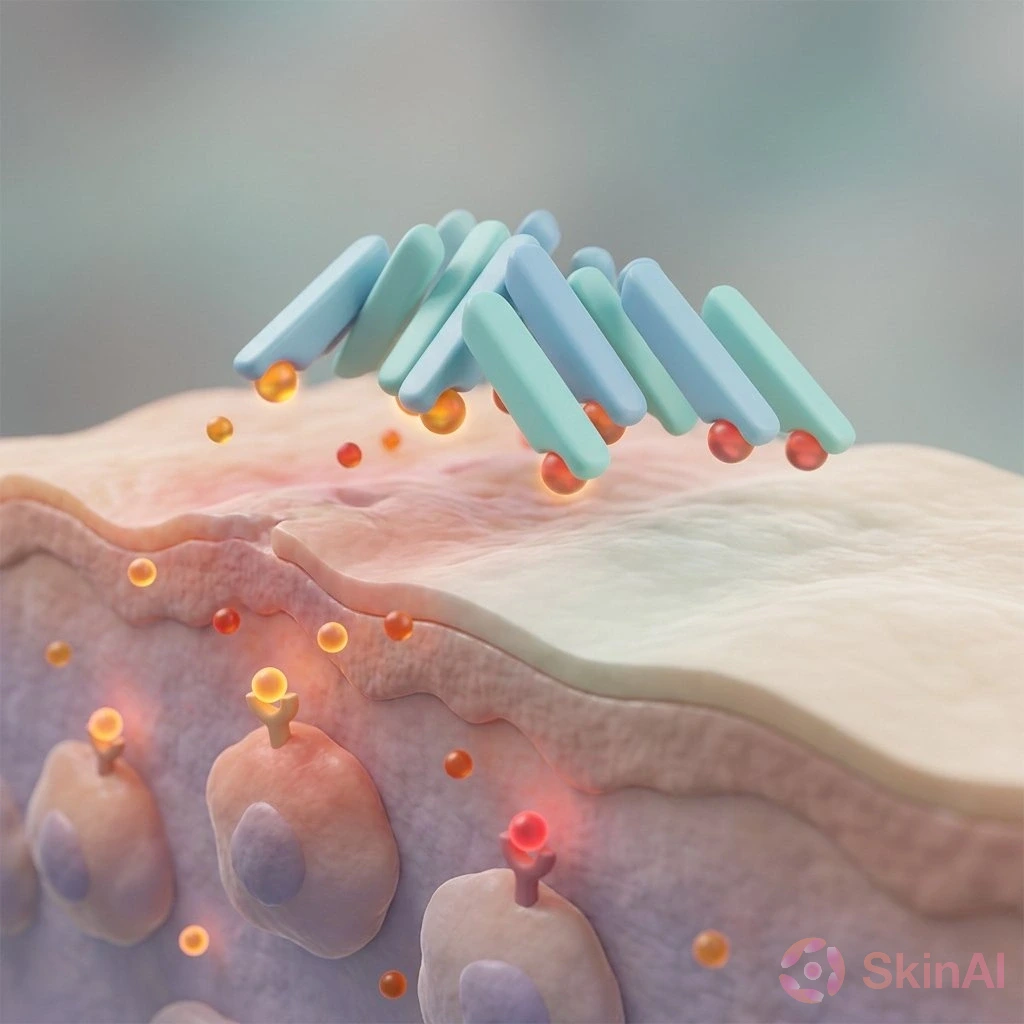
Zumulokibart is a monoclonal antibody. That means it’s a lab-made protein designed to attach to a specific target in the body. In this case the target is IL-13, a molecule that can drive the type of inflammation commonly seen in atopic dermatitis.
The drug is described as “half-life extended,” which simply means it’s been modified so it stays in the body longer. That could allow less frequent injections, like once every few months instead of more often.
In a Phase 2 clinical trial, AbbVie reports that about two-thirds of people who received zumulokibart had what the company called significant skin clearance at week 16. The company also reported reductions in itch and overall improvements in disease control. Longer-term data from the same trial suggested maintenance dosing could be given either every three months or twice a year. AbbVie says the safety findings were in line with other medicines that work the same way. (Source: AbbVie press release)
These results are promising but still early. Phase 2 trials give an initial look at effect and safety, but larger and longer studies are usually needed to be more certain about how well a drug works and how safe it is in the long run.
What is APG273 and why is it being looked at for asthma?
APG273 combines zumulokibart with another antibody called APG333 that targets TSLP. TSLP is another immune signal that can help drive allergic inflammation in the lungs and airways.
AbbVie reports early data showing APG333 has a long half-life and that it reduced certain type 2 inflammatory markers for up to six months after a single dose in a Phase 1 study. The company also mentioned positive interim findings from a Phase 1b study of zumulokibart in people with asthma. Taken together, AbbVie says these results support developing APG273 with injections every three months or twice a year. (Source: AbbVie press release)
What AbbVie says about this deal
AbbVie has said the acquisition strengthens its immunology portfolio across skin, respiratory, and other inflammatory diseases, building on its existing work in areas like gastroenterology and rheumatology. The company also said it plans to use its development, regulatory, and commercial experience to advance these programs. (Source: AbbVie press release)
Robert A. Michael, AbbVie’s chairman and CEO, said the move fits the company’s long-term immunology strategy and could help move the programs faster toward patients. These are company statements about future plans and expectations. (Source: AbbVie press release)
Financial and timeline notes
AbbVie paid about $10.9 billion in equity value for Apogee, at $135.11 per share in cash. The company expects the purchase to decrease its adjusted diluted earnings per share (EPS) by about $0.14 in 2026 and by roughly $0.46 in 2027. AbbVie says the deal should start to boost reported earnings (“accretion”) beginning in 2032. For 2026, AbbVie reaffirmed its full-year adjusted EPS guidance range of $13.87 to $14.07, which already includes the $0.14 per-share dilutive effect of this acquisition. The company also reaffirmed its third-quarter adjusted EPS guidance range of $3.84 to $3.88. AbbVie noted that certain acquired research and milestone costs are not included in the guidance because they cannot be forecast reliably. (Source: AbbVie press release)
What this means for people with eczema
For people living with atopic dermatitis, this acquisition means a potential new treatment could move through development under a large company with experience bringing immunology drugs to market. The early trial results reported by the company suggest some people saw meaningful skin improvement and less itch, and the medication may allow infrequent dosing if later studies confirm these findings.
Keep in mind that these are company-reported, early-stage results. More research is typically needed to understand how well a new medicine works across different groups of people and how it compares with existing treatments.
When to see a doctor
-
If your skin is very itchy, painful, showing signs of infection (yellow crusting, pus, increasing redness), or interfering with sleep and daily life, see a healthcare professional.
-
If your eczema is getting worse despite treatment, or if new or rapidly changing skin changes appear, consult your doctor or dermatologist.
-
Always talk with your dermatologist or primary care provider before changing or starting any treatment.
Tracking changes
It can help to take photos of flare-ups to track how your skin looks over time. Sharing these images with your doctor can make it easier to describe changes and treatment response during appointments.
Important note
This article is based mainly on AbbVie’s announcement about the acquisition and the company’s summary of early trial results. The trial data and company statements are useful to know, but they do not replace medical advice. If you have questions about atopic dermatitis or treatments, talk with your doctor or dermatologist. If you have serious symptoms like intense pain, heavy bleeding, or signs of infection, seek medical care right away.
Sources
- AbbVie Completes Acquisition of Apogee Therapeutics. Published September 3, 2026. (Source: AbbVie press release) https://news.abbvie.com/2026-09-03-AbbVie-Completes-Acquisition-of-Apogee-Therapeutics/
- AbbVie in Immunology. Accessed September 3, 2026. (Source: AbbVie corporate information) https://www.abbvie.com/immunology