
FDA Approves Pritelivir: New Treatment for Resistant HSV in Immunocompromised Adults
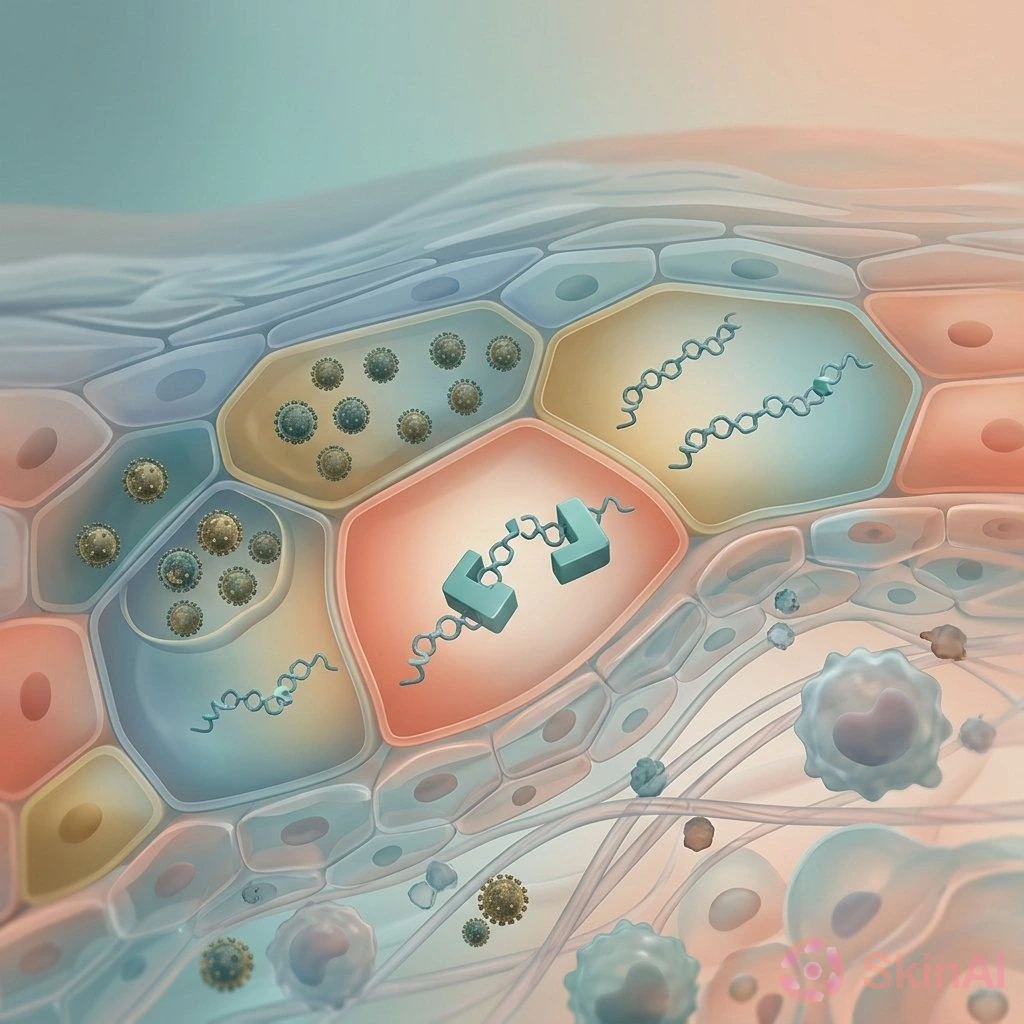
New oral drug approved for hard-to-treat herpes skin lesions in people with weak immune systems
If you or a loved one has an immune condition and struggles with stubborn herpes simplex virus (HSV) sores on the skin or mucous membranes, there’s a new treatment option on the way. On October 9, 2026, the US Food and Drug Administration (FDA) approved pritelivir (brand name HOVILPRI) tablets for adults who are immunocompromised and have HSV-related mucocutaneous lesions that didn’t respond to standard antiviral pills.
This is notable because the FDA says it’s the first HSV therapy with a new way of working approved in nearly 30 years (Source: US Food and Drug Administration).
What pritelivir is and how it’s different
Pritelivir is an oral antiviral that targets the HSV helicase-primase complex. In plain language, it blocks a different part of the virus’s machinery that the virus needs to copy its DNA. That’s important because the usual antiviral pills — acyclovir, valacyclovir, and famciclovir — need a viral enzyme called thymidine kinase to become active. If the virus has mutations in that enzyme, those standard drugs can stop working.
Because pritelivir works a different way, it can be active against HSV-1 and HSV-2 strains that are resistant to the usual nucleoside antiviral drugs (Source: Asahi Kasei Therapeutics press release; US Food and Drug Administration).
Who was studied and what the trial showed
The FDA approval was based on Part C of a phase 3 trial called PRIOH-1. This was a randomized, open-label study that included 101 adults whose immune systems were weakened for various reasons, such as blood cancers, stem cell transplant, HIV, autoimmune or inflammatory diseases, other cancers, or organ transplant (Source: Asahi Kasei Therapeutics press release).
Participants received either oral pritelivir (a 400 mg loading dose on day 1, followed by 100 mg once daily) or the investigator’s choice of other treatments. Those comparators included:
- Intravenous foscarnet
- Intravenous or topical cidofovir
- 5% topical imiquimod (a cream)
Treatment lasted up to 28 days and could be extended to 42 days if lesions were improving but not fully healed (Source: Asahi Kasei Therapeutics press release).
The main result: by day 28, 63% of people taking pritelivir had complete healing of their lesions, compared with 34% of those on the other treatments. That difference was statistically significant (adjusted difference 28.4%; 95% CI, 9.6%–47.3%; P = .0047). By day 42, 82% of the pritelivir group had healed vs 42% in the comparator group (adjusted difference 40.0%; 95% CI, 22.7%–57.7%) (Source: Asahi Kasei Therapeutics press release; US Food and Drug Administration).
It’s worth noting the trial was open-label (patients and doctors knew which treatment was given) and the comparison was to treatments chosen by each site’s investigators rather than to a single standardized drug. Those factors can affect how we interpret the results. Still, the FDA reviewed the data as part of its approval process (Source: US Food and Drug Administration).
Side effects and safety
In the trial, adverse reactions were reported in 22% of people taking pritelivir and 54% of those on investigator-chosen treatments. Treatment stopped because of side effects in 2% of people on pritelivir compared with 20% on the other treatments. The most common adverse reaction was headache, affecting 6% of people on pritelivir and 4% on the comparator treatments (Source: Asahi Kasei Therapeutics press release).
These numbers come from the trial that supported approval. If you’re considering treatment, talk with your doctor about possible side effects and how they compare with other options.
Why this matters for people with weakened immune systems
For people with healthy immune systems, HSV often causes brief or mild outbreaks. In people whose immune defenses are weakened, HSV can cause more frequent, longer-lasting, painful, and hard-to-treat sores. Sometimes the virus becomes resistant to the usual oral drugs because of changes in the viral enzyme those drugs need to work.
Before pritelivir, options for resistant HSV often included drugs that must be given intravenously, which can be inconvenient and carry their own risks. The company developing pritelivir says the drug offers an oral alternative with a different mechanism of action, and the FDA’s approval recognizes that for the studied group it may be a useful option (Source: Asahi Kasei Therapeutics press release; US Food and Drug Administration).
When to talk with your doctor
If you are immunocompromised and have HSV lesions that are not healing or are getting worse despite treatment, tell your healthcare provider. They can discuss whether testing for drug resistance is appropriate and whether newer options such as pritelivir might be applicable for your situation.
Seek immediate care if you have rapidly spreading sores, increasing pain, fever, signs of infection (pus, spreading redness), or if lesions affect your eyes, mouth, or another sensitive area.
Keeping track of visible changes
If you’re monitoring sores over time, taking photos and noting dates and symptoms can help you and your clinician see if lesions are improving or worsening. This can be useful to prepare for a medical visit and to document response to treatment.
Availability: The company developing HOVILPRI expects the drug to be available in the US before the end of 2026 (Source: Asahi Kasei Therapeutics press release).
Please remember this article is informational and not medical advice. Treatment decisions should always be made together with your doctor or dermatologist.
Sources
- Asahi Kasei Therapeutics. Asahi Kasei Therapeutics announces FDA approval of HOVILPRI (pritelivir) tablets for mucocutaneous HSV lesions refractory (with or without resistance) to standard antiviral treatment in immunocompromised adults. (Source: Asahi Kasei Therapeutics press release). Accessed October 15, 2026.
- US Food and Drug Administration. FDA approves drug to treat lesions caused by herpes simplex virus. Published October 9, 2026. (Source: US Food and Drug Administration). Accessed October 15, 2026.