
How Scalp Exams and Trichoscopy Improve Hair Loss Diagnosis Accuracy
Why this matters
Hair loss and changes in skin color can be upsetting. At Elevate Derm Summer 2026, Houston dermatologist Oyetewa Asempa, MD, spoke about practical ways clinicians can diagnose and counsel patients with these issues. Her advice focuses on careful scalp exams, simple tools that reveal hidden clues, clear patient conversations, and realistic treatment strategies for pigment changes.
Look, touch, and use a magnifying lens
One common problem Asempa sees is that patients often report their previous clinicians did not physically examine their scalp. A hands-off approach can miss important signs, so she recommends inspecting and feeling the whole scalp before deciding on a diagnosis.
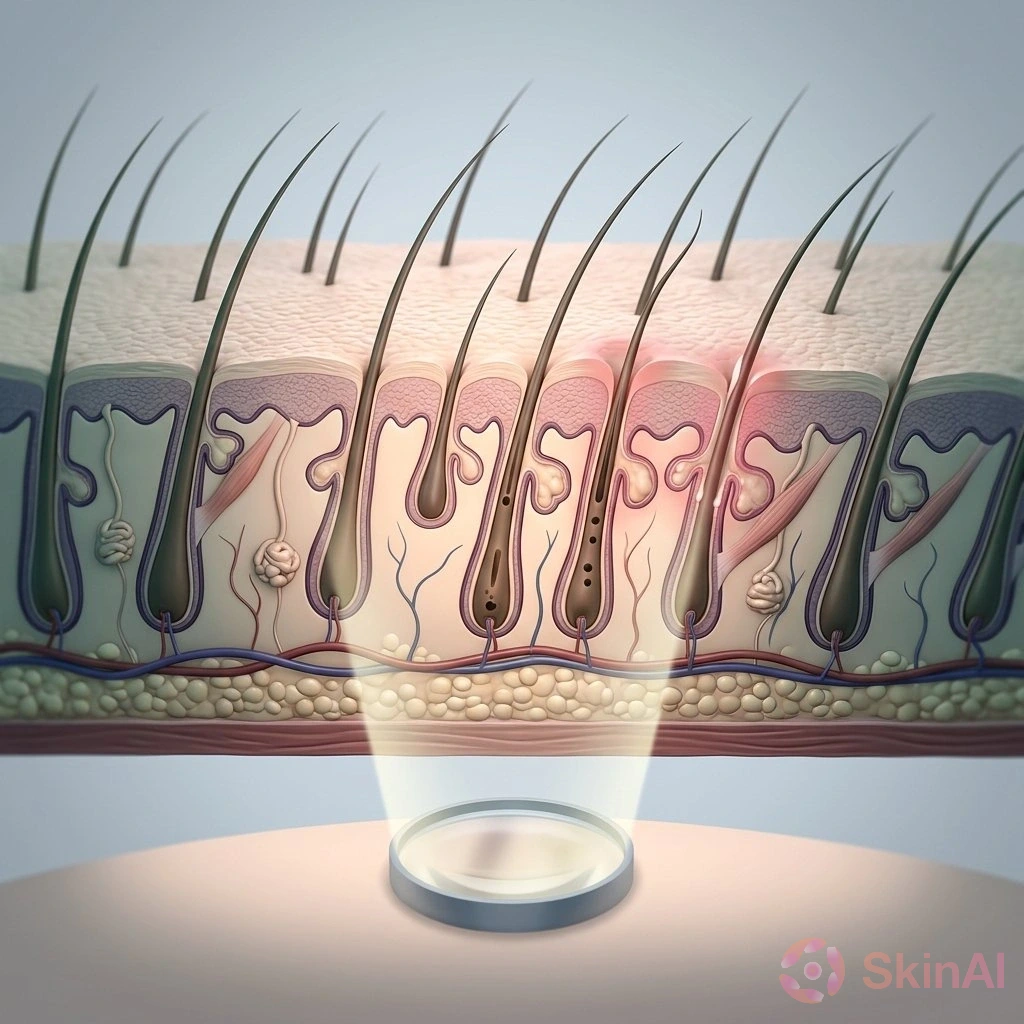
She also makes routine use of a handheld magnifier called a dermatoscope to perform what’s known as trichoscopy. This lets the clinician see the hair and scalp in much greater detail. Small changes that are invisible to the naked eye often show up under magnification, and those clues can change the diagnosis and treatment plan. Without this step, common types of hair loss may be misclassified.
Don’t assume hair care habits
Another frequent mistake is assuming how often someone washes or styles their hair just from the hairstyle. Instead, ask straightforward, neutral questions about washing, products, and styling before the exam. For example, someone with oily scalp or dandruff-like flakes may already be washing regularly, so washing frequency may not be the cause.
Practical help for styling and care
Long conversations about hairstyling don’t always fit into a short clinic visit, and most dermatologists are not hairstylists. To bridge that gap, Asempa created a short, practical hairstyle grading guide aimed at people with curly and coily hair. The 9-page booklet uses letter grades to show which styles are generally safer for scalp health and which may raise the risk of traction-related damage (hair loss caused by tight pulling).
The guide includes photographs, simple explanations, and suggestions for how to modify higher-risk styles if a person chooses to continue wearing them. Asempa shares the resource with patients and with other clinicians who may be less familiar with braids, locks, or textured styles. She says giving written materials makes it easier to continue the conversation after the visit and helps build rapport.
Managing pigmentary disorders
Pigmentary disorders (conditions that change skin color) can be among the most challenging to treat. Instead of relying on a single treatment indefinitely, Asempa suggests keeping several options available and rotating or combining them when appropriate. She mentions therapies such as hydroquinone and tranexamic acid as examples of agents that clinicians may use, noting that alternating options can be helpful when long-term use of one medication is impractical or undesirable.
As with any treatment, decisions about which medicines or creams to use should be made with a dermatologist, who can explain potential benefits, risks, and how to use them safely.
Building trust across different backgrounds
Patients of color sometimes feel an immediate connection with clinicians who share their background, which can help communication. For clinicians who don’t share their patients’ cultural experiences, Asempa recommends drawing on educational materials created by physicians with expertise in hair disorders that affect people of color. Citing these resources can show patients that the provider has consulted specialists with lived experience and can help build trust.
Sharing written resources also gives clinicians practical tools to continue education after the appointment without using up limited visit time.
Keeping an eye on visible changes
It can help to keep photos or notes about your hair and skin over time. Tracking changes (for example, a growing bald spot, a new dark patch, or faster hair shedding) can make it easier to describe the timeline to your clinician and notice gradual changes earlier.
When to see a doctor
Talk to a healthcare professional if you notice sudden or rapid hair loss, a painful or bleeding lesion, signs of infection (such as increasing redness, swelling, warmth, or pus), or any skin change that is growing or changing in color or shape. These signs may need prompt evaluation.
Quick summary
- Physical scalp examination and magnified inspection with a dermatoscope are valuable for diagnosing hair loss.
- Ask direct, nonjudgmental questions about hair care instead of assuming habits from appearance.
- Keep several treatment options in mind for pigmentary issues and consider rotating therapies when long-term use is a concern.
- Use culturally informed educational resources and written guides to build trust and support ongoing conversations about styling and care.
Disclaimer
This article summarizes points made in a presentation and interview at a medical meeting. It is for general information only and is not medical advice. Treatment decisions should be made with a dermatologist or other qualified clinician.
Sources
- Asempa O. Interview. Presented at: Elevate Derm Summer 2026; July 30, 2026; San Diego, CA.
- Asempa O, Carrington A. Best Practices for Hair Care and Styling in Patients with Alopecia. American Academy of Dermatology. Accessed July 30, 2026. https://assets.ctfassets.net/3l981im5dunw/7IOwpyBrVCRjMc5kdZxSMW/d0f7e1ac39ec005a76197522ca1b09e8/Hair_Care_and_Styling_in_Patients_with_Alopecia.Jan_26.pdf
- Best Practices for Hair Care and Styling in Patients with Alopecia (CME course). Baylor College of Medicine. Accessed July 30, 2026.