
Laser Skin Resurfacing Shows 40% Improvement Linked to DNA Changes
Why this matters
Many people want to fade brown spots and refresh aging skin. A new human study looked at how a non-ablative fractional laser (a type of resurfacing treatment) changes not just what the skin looks like but also what happens at the molecular level. Konika Patel Schallen, MD — a practicing physician in Florida who also works in clinical operations at a medical device company — discussed the findings and what they might mean for skin health. (Source: Patel Schallen K et al., Non-ablative fractional laser 1940-nm treatment modulates epigenetic signatures associated with skin aging, Scientific Reports)
A short plain-language summary
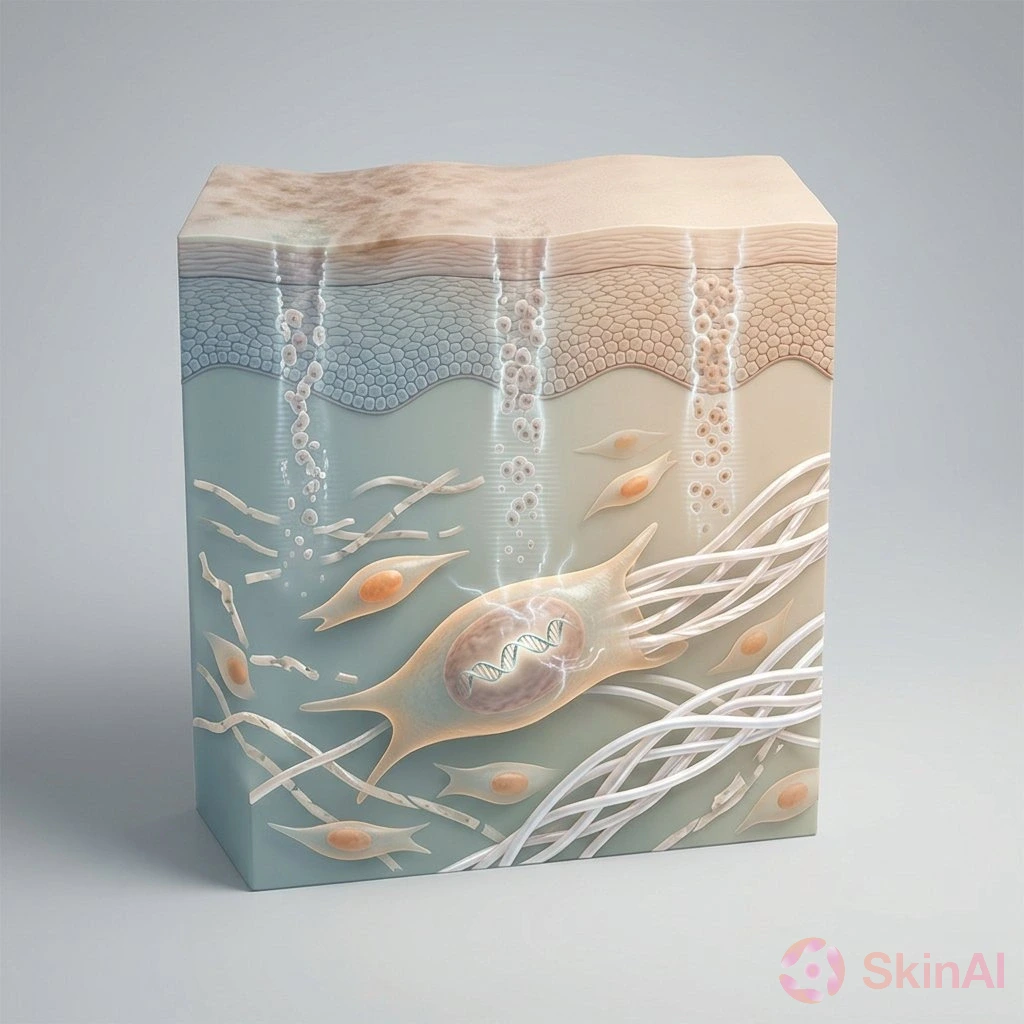
The study used a split-face design (one side treated, the other not) and found that the treated side had about a 40% drop in brown spots after one month compared with the untreated side. At the same time, researchers measured changes in the skin’s epigenetic marks — chemical tags on DNA that help control how genes behave. The timing of those molecular changes lined up with the early cosmetic improvements. Over the next several months, the molecular changes kept evolving and stabilized by six months. The results are interesting, but they show correlation, not proof that laser treatment prevents disease.
How the study worked
Researchers treated one side of people’s faces with a 1940-nm non-ablative fractional laser and left the other side untreated. They used quantitative imaging (VISIA) to count brown spots and tracked those counts over time.
At the same time, they took skin samples to measure DNA methylation — a common type of epigenetic mark that can turn genes up or down. The team grouped the affected DNA sites into categories related to cosmetic appearance, aging, and skin health or skin cancer biology. (Source: Patel Schallen K et al., Non-ablative fractional laser 1940-nm treatment modulates epigenetic signatures associated with skin aging, Scientific Reports)
What the researchers found
Cosmetic results: The treated side showed nearly a 40% improvement in brown spot counts at one month versus the untreated side.
Molecular results: At that same one-month point, the strongest epigenetic shifts were seen in the markers tied to cosmetic appearance. The molecular changes continued to develop through three months and then leveled off by six months, suggesting the laser kicked off a gradual remodeling process inside the skin rather than an instant switch.
Which genes were affected and why that matters
The laser treatment changed DNA methylation at specific genes, including FGFR3, HOXB4, and UBE2I. These genes are involved in how skin cells called keratinocytes mature and how the lower layer of the outer skin (the basal layer) renews itself. Some of the same pathways have been linked in past research to basal cell and squamous cell carcinomas, two common types of skin cancer.
In this study, the shifts in methylation were toward patterns associated with healthier cell regulation and less aggressive keratinocyte maturation. That’s an encouraging sign, but the authors say more research is needed to understand exactly what those molecular shifts mean for long-term skin health.
Important limits and cautions
These findings are early and show correlation, not cause and effect. In other words, the study shows that laser treatment and the molecular changes happened together, but it does not prove the laser caused those changes to prevent skin cancer or guarantee long-term benefit.
Clinicians have sometimes observed fewer basal and squamous cell cancers in people who’ve had certain energy-based treatments, particularly non-ablative fractional lasers like the 1940-nm device used here. Still, this particular study does not establish that laser treatment prevents skin cancer. The company that makes the laser has reported the study results as well; those company statements are separate from the peer-reviewed paper. (Source: Candela press release; Patel Schallen K et al., Scientific Reports)
Tracking visible changes at home
If you’re trying a treatment and want to see what happens over time, simple methods like taking consistent, well-lit photos can help you and your clinician track changes in brown spots or texture. Keep notes about dates and any other skin care or treatments you’re using so your provider has the most complete picture.
When to see a doctor
Talk with a board-certified dermatologist or your physician before starting any laser or energy-based skin treatment. Also seek prompt medical advice if you notice a changing mole or spot, a lesion that bleeds, pain, signs of infection, very fast growth, or anything that makes you worried. These can be signs that need evaluation.
Important note
This article is an explanation of recent study findings and comments from a physician involved in the research. It is not medical advice. Decisions about skin treatments should be made with your doctor or dermatologist.
Sources
- Patel Schallen K, Schomacker K, Banila C, et al. Non-ablative fractional laser 1940-nm treatment modulates epigenetic signatures associated with skin aging in a split-face investigation. Scientific Reports. doi:10.1038/s41598-026-56604-4.
- Candela press release reporting the study results (company statements about the study). Accessed July 10, 2026.