
Lichen Nitidus (ICD-10: L44.1) ⚠️
Lichen Nitidus: Rare Self-Limiting Inflammatory Skin Condition
Overview
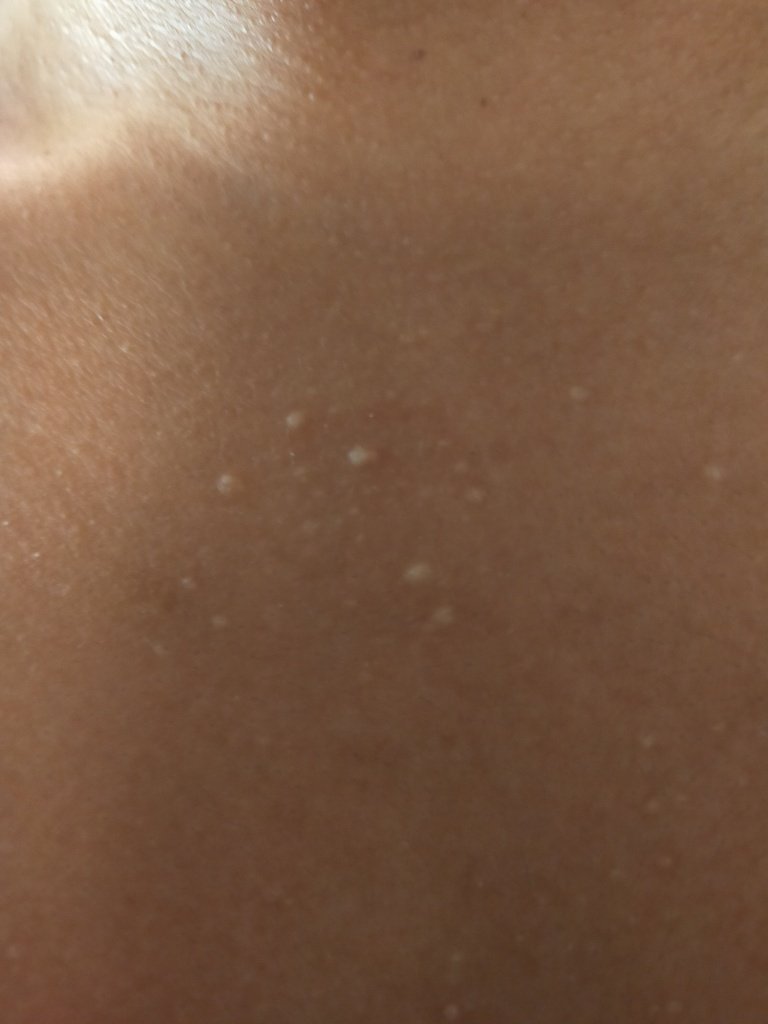
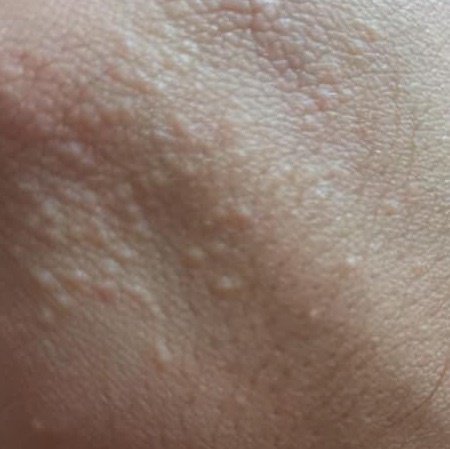
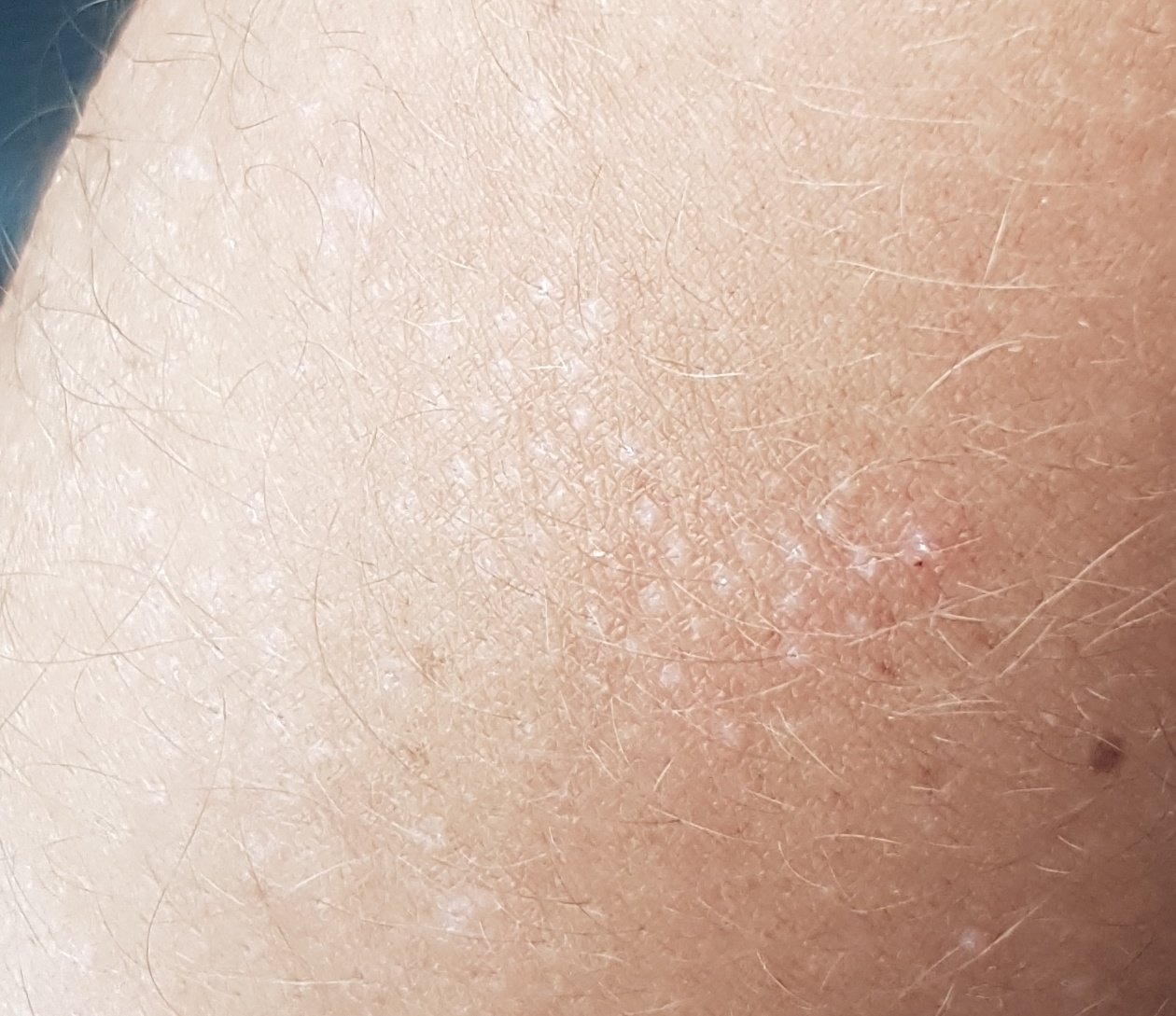
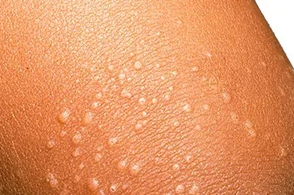
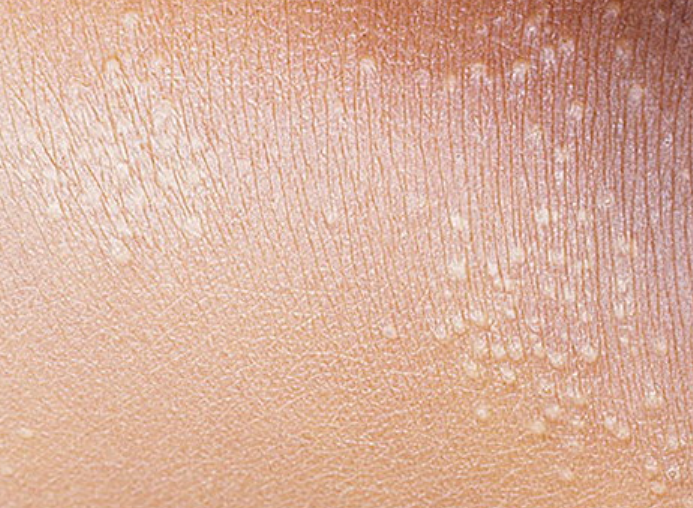
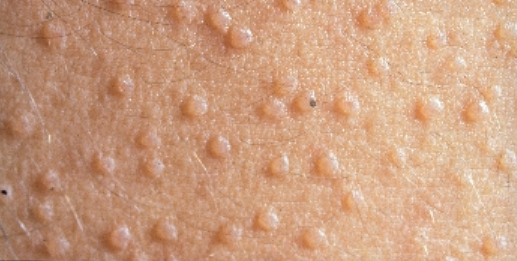
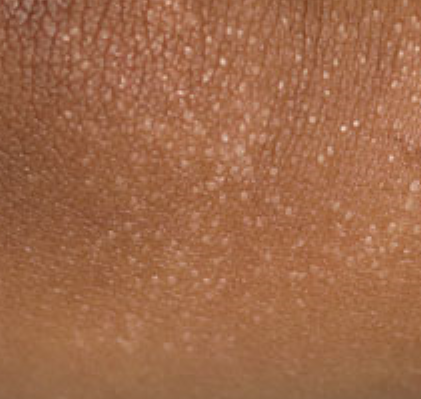
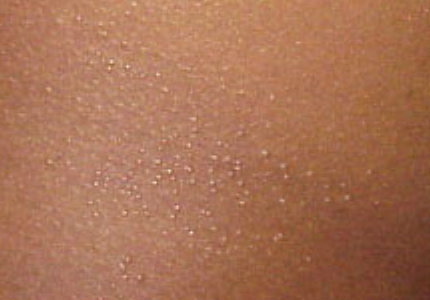
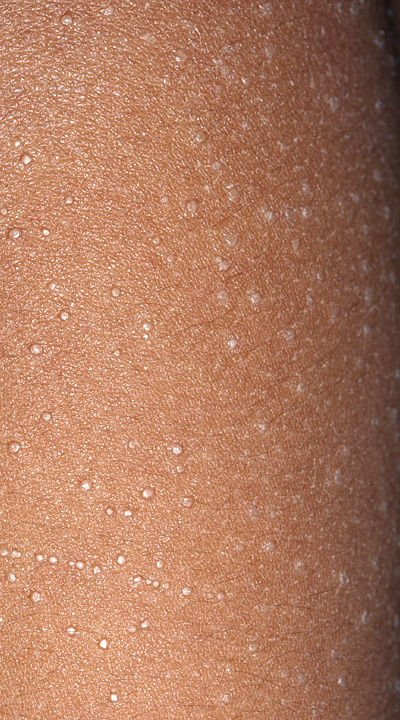
Lichen nitidus is a rare, non-infectious dermatological condition that manifests as numerous tiny, shiny papules on the skin. The disease is typically asymptomatic, benign in nature, and usually self-limiting. Although its pathogenesis remains poorly understood, lichen nitidus is classified among inflammatory papular dermatoses and often requires only observation.
The disease can affect individuals of any age or sex but is more commonly seen in children and young adults, especially boys aged 3–10 years. In most cases, no specific treatment is needed, although topical or systemic therapy may be considered in cases involving widespread lesions or symptomatic discomfort such as itching.
Etiology and Pathogenesis
The precise causes of lichen nitidus are still unknown. Several theories suggest that it may be an immune-mediated or autoimmune skin reaction triggered by environmental, infectious, or internal factors. In some cases, it may be associated with other inflammatory skin diseases, such as atopic dermatitis, psoriasis, or vitiligo.
Lichen nitidus is a non-infectious inflammatory dermatosis. It is not an allergic reaction to an infection, and antibiotics are not a treatment for it.
The cause of lichen nitidus remains unknown. Stress, infection, cold, medicines and environmental irritants have all been suggested at one time or another, but none has been established as a trigger and none should be presented to patients as the reason their lesions appeared. The one reproducible observation is that new papules may follow a scratch or other minor skin trauma, the Koebner phenomenon, which is shared with several other papular dermatoses.
Symptoms of Lichen Nitidus
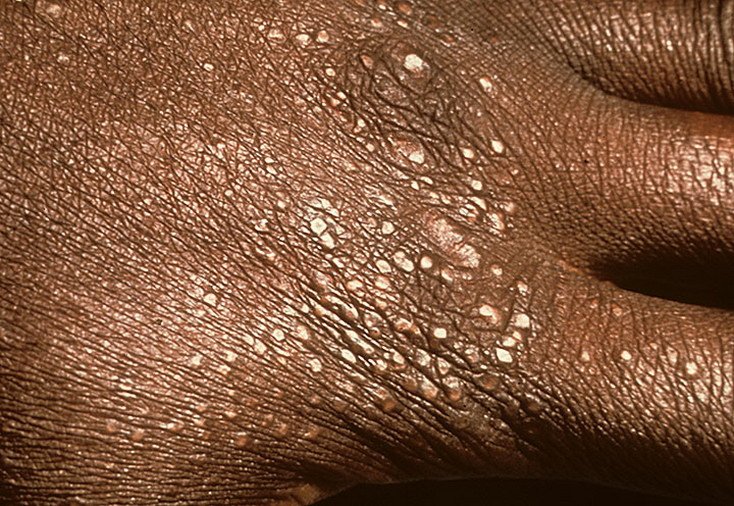
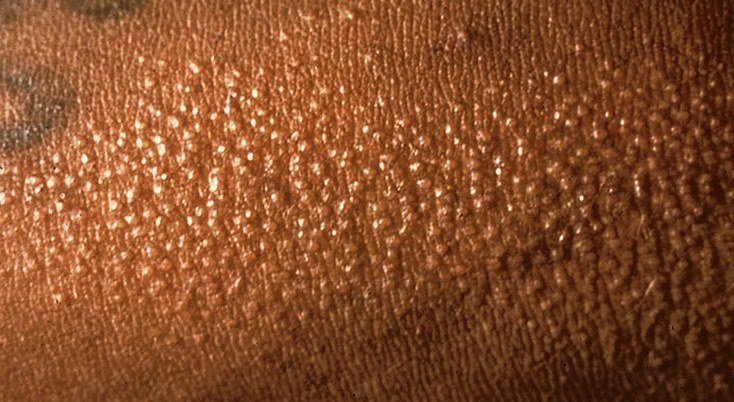
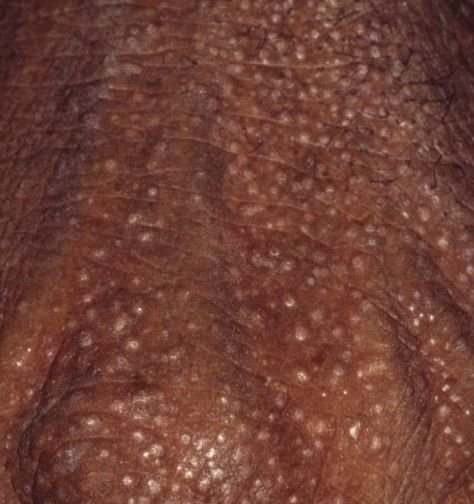
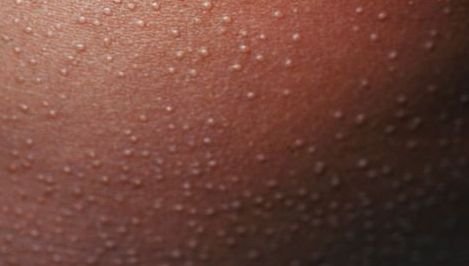
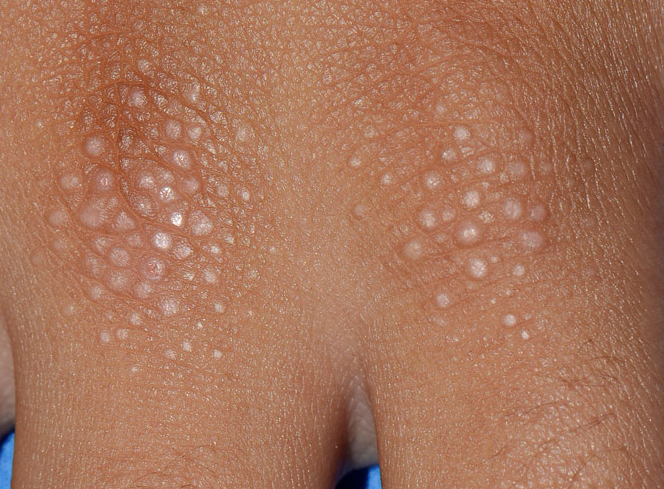
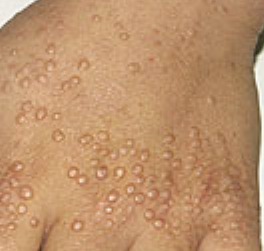
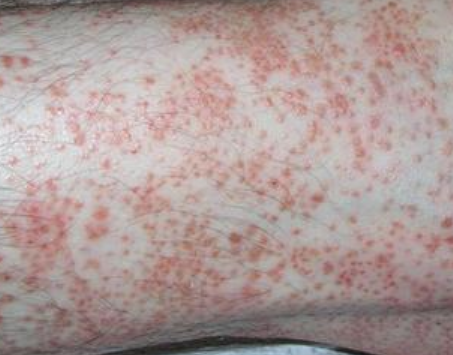
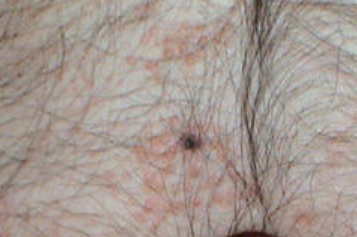
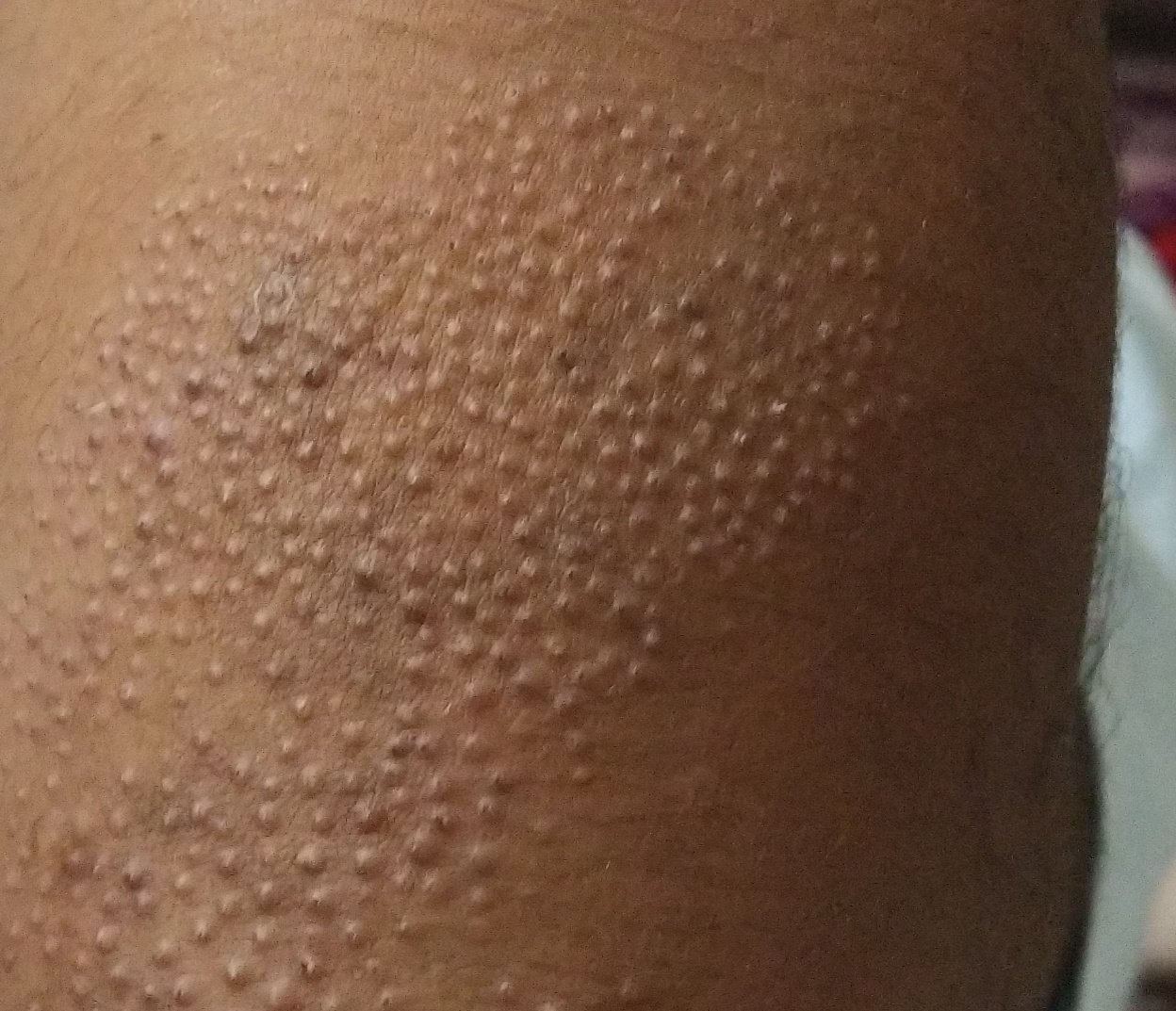
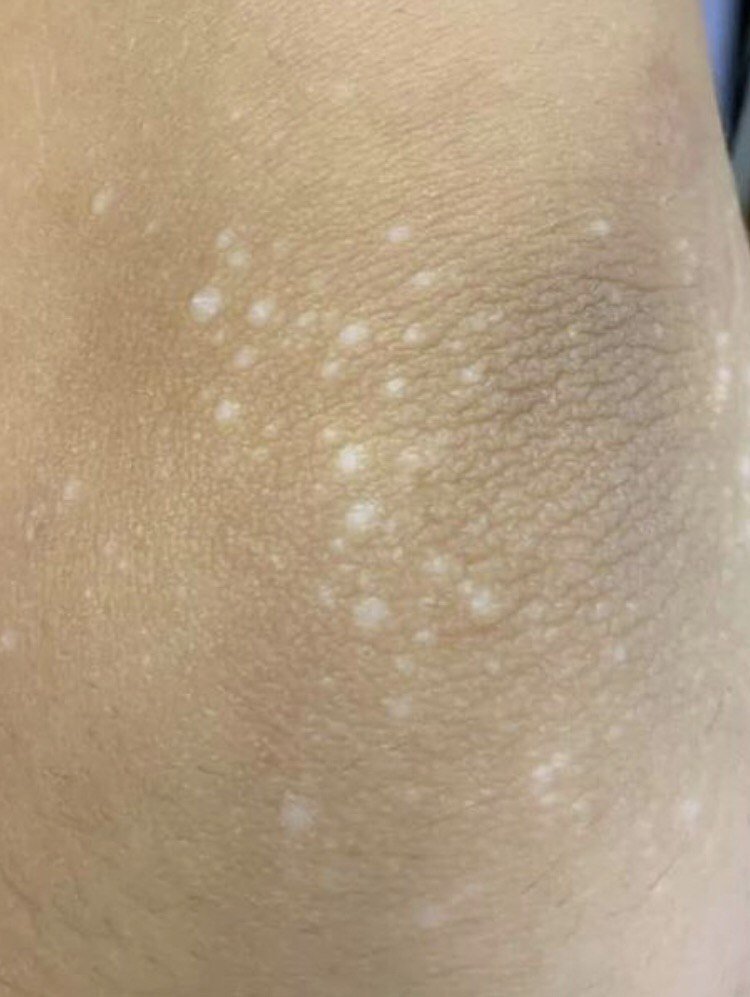
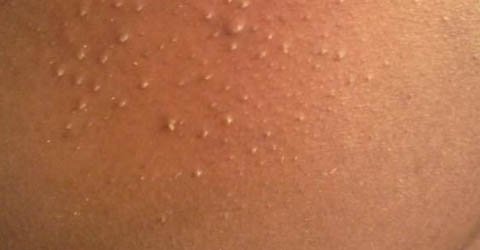
The main symptom of lichen nitidus is the appearance of small, flesh-colored or slightly pink papules, generally 1–3 mm in diameter. These papules have a shiny, smooth surface and a flattened top. They may remain isolated or cluster together in groups, forming larger patches of densely packed lesions, but do not merge into plaques like in other dermatoses.
Additional features include:
- Papules are typically asymptomatic but may occasionally be itchy;
- Skin texture over the lesions is smooth and non-scaly;
- Surrounding skin appears normal and unaffected;
- Inflammation is minimal or absent.
Common Areas of Involvement
Lesions most commonly appear in the following locations:
- Neck and upper chest;
- Abdominal wall;
- Flexor surfaces of the arms and legs;
- Dorsal aspects of the hands and feet;
- Genital region, particularly the penile shaft in men;
- Less commonly, the palms, soles, and mucous membranes.
In widespread cases, papules may affect large portions of the trunk or limbs, potentially leading to cosmetic concern or mild discomfort.
Diagnostics
The diagnosis of lichen nitidus is primarily clinical and based on the characteristic appearance of the papules and their distribution pattern. In most cases, a dermatologist can confirm the diagnosis through visual examination and patient history.
Additional diagnostic methods may include:
- Dermatoscopy: Helps visualize the fine structure of the papules and rule out other conditions;
- KOH preparation: Not routinely indicated. Lichen nitidus papules are smooth and non-scaly, so a fungal infection is rarely the question;
- Skin biopsy: May be required in atypical or generalized cases. Histology typically shows a well-circumscribed lymphohistiocytic infiltrate in a dermal papilla, with epidermal hyperplasia that creates the classic “claw clutching a ball” appearance;
- Patch or allergy testing: Not indicated. It has no role here in the absence of a specific clinical suspicion, which lichen nitidus itself does not raise.
Differential Diagnosis
Several dermatoses can resemble lichen nitidus, making differential diagnosis essential in ambiguous cases:
- Psoriasis (guttate or plaque type): Usually presents with silvery scaling and a positive Auspitz sign;
- Lichen planus: Often pruritic with violaceous color and Wickham striae;
- Molluscum contagiosum: Dome-shaped papules with central umbilication, caused by poxvirus;
- Milia: Small, white, keratin-filled cysts seen mainly on the face;
- Comedones: Open or closed plugs in acne-prone areas;
- Drug eruptions: Certain medications can cause lichenoid reactions or mimic lichen nitidus.
Treatment
In most cases, lichen nitidus resolves spontaneously within several months and does not require specific treatment. However, if lesions are extensive, persistent, cosmetically concerning, or associated with pruritus, the following treatment options may be considered:
Topical treatments:
- Low- to mid-potency corticosteroids: Reduce inflammation and itching in localized lesions;
- Topical calcineurin inhibitors: Tacrolimus or pimecrolimus, especially for sensitive areas such as face or genitals;
- Emollients and moisturizers: Improve barrier function and skin comfort;
Systemic and phototherapy options (in resistant or widespread cases):
- Oral retinoids and phototherapy: Not routine options. They have been reported in extensive or persistent disease that troubles the patient, on evidence limited to small series, and they are weighed against a condition that is benign and expected to clear on its own;
- Oral antihistamines: Useful if itching is a prominent symptom.
Complications
Lichen nitidus is generally considered a benign and self-limiting disease with a favorable outcome. Serious complications are rare. However, in some individuals, visible lesions may cause:
- Psychosocial distress: Especially in adolescents or adults with extensive involvement;
- Post-inflammatory pigmentation changes: Temporary darkening or lightening of affected skin;
- Residual cosmetic concerns: In long-standing or generalized variants.
Prognosis
The prognosis is excellent. The rash clears on its own, though the time it takes varies widely — from a few months to several years — and generalised disease can persist longer still. That is a matter of patience rather than of concern: the condition does not increase the risk of malignancy or systemic disease. Typical, uncomplicated lesions need no scheduled dermatological monitoring while they resolve.
Conclusion
Lichen nitidus is a rare, non-contagious papular dermatosis of unknown origin. Despite its benign nature and usually asymptomatic course, it may pose diagnostic and cosmetic challenges. Most patients do not require treatment, but topical or systemic therapies may be used when lesions are symptomatic or widespread.
A dermatological opinion is worth having at the outset, to confirm the diagnosis and exclude the more serious conditions that can resemble lichen nitidus. Once that is settled, a typical case needs no follow-up schedule — only a reason to return if the lesions change in a way that no longer fits.
Copyright concern about an image on this page? Write to mail@skinai.pro. Images may not be reused without permission unless an open licence is stated on this page.

Medical review
Board-Certified Dermatologist · Fellow of the American Academy of Dermatology (FAAD)