
Advances in Pediatric Skin Disease: Dr. Mark Koh on Pathology and Global Care
Why this matters
At the 2026 Society for Pediatric Dermatology Annual Meeting, pediatric dermatologist Mark Koh shared updates that matter to parents and caregivers about some rare but important skin conditions in children. His talks focused on advances in diagnosing and treating a group of diseases called histiocytoses, and on how looking at skin tissue under the microscope helps doctors get the right diagnosis.
A short plain-language summary
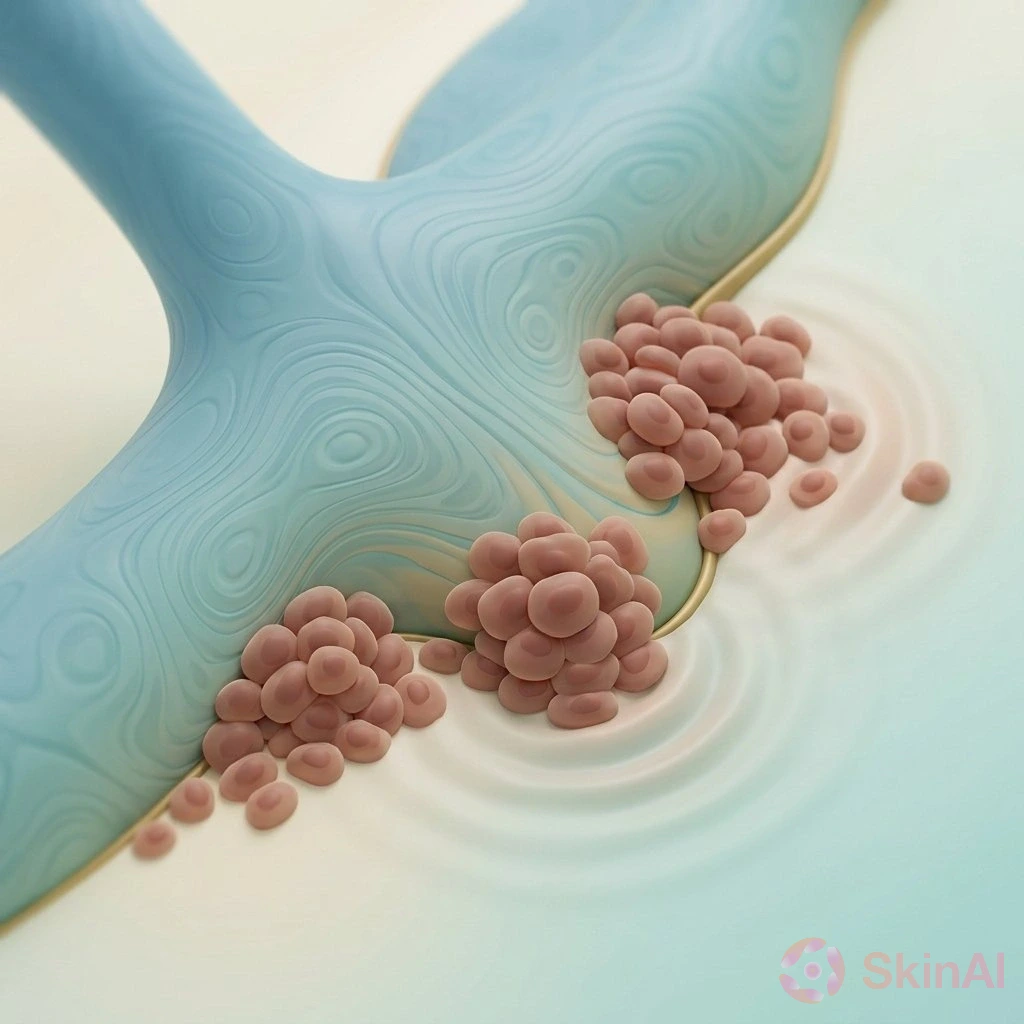
Histiocytoses are uncommon disorders in which certain immune cells build up in the skin and sometimes other parts of the body. Langerhans cell histiocytosis, often called LCH, is the form doctors see most in children. New genetic discoveries have helped explain how LCH develops and have opened the door to treatments that target the specific molecular changes involved. Koh also emphasized the ongoing value of skin biopsy and microscopic examination (dermatopathology) for confirming diagnoses, guiding genetic testing, and helping clinicians make careful, accurate decisions.
What is pediatric histiocytosis?
Histiocytoses are a group of rare conditions caused by an overgrowth or buildup of a type of immune cell called a histiocyte. These conditions can affect the skin and sometimes other organs. Langerhans cell histiocytosis (LCH) is the most commonly seen type in children. Because these disorders are uncommon and can look like other skin problems, they can be hard to identify without more specialized testing.
New clues from genetics and what they mean
Recent research has found changes (mutations) in genes such as BRAF and in parts of the RAS/MAPK cell-signaling pathway in many cases of LCH. These findings help explain that LCH is often driven by specific molecular changes in cells, rather than being caused only by environmental factors or infection.
Understanding these mutations matters because it has led to targeted treatment strategies. Some medicines can act on the BRAF or MEK parts of the pathway to help control the disease. These approaches are newer and may be recommended by specialists in selected cases. Treatment decisions always depend on the child’s overall health, how much disease is present, and expert clinical judgment (Source: 2026 Society for Pediatric Dermatology Annual Meeting).
Why skin biopsy and dermatopathology are still important
Koh emphasized that looking at a piece of skin under a microscope — a biopsy examined by a dermatopathologist — remains a key part of diagnosis. Microscopic examination complements what doctors see in the clinic and can confirm or rule out conditions that look similar.
He shared real-world examples where biopsies were essential: to confirm a suspected diagnosis, to exclude other possibilities, or to resolve situations where the clinical exam and the initial pathology report didn’t match. In some cases, unexpected biopsy results led doctors to take another look at the patient and reach the correct diagnosis.
Biopsy tissue is also being used more and more for molecular testing. That means a small sample of skin can sometimes provide genetic information that helps guide diagnosis and treatment plans (Source: Mark Koh, KK Women’s and Children’s Hospital; International Society of Pediatric Dermatology).
Simple tools for common hair problems
Not all useful tests are high-tech. Koh also reviewed the hair mount exam, a simple, low-cost test where hairs are examined under a microscope. This can help distinguish common pediatric hair issues such as telogen effluvium (temporary shedding), alopecia areata (patchy hair loss from an autoimmune process), and trichotillomania (hair loss from pulling). These basic tests are often helpful before more involved workups are done.
Working together across borders
Koh used his roles in international groups to highlight the importance of global collaboration. He described efforts by the International Society of Pediatric Dermatology (ISPD) and the Asian Society of Pediatric Dermatology (ASPD) to expand membership and educational outreach, especially to include more pediatric dermatologists from North America, Europe, and Asia.
Both organizations offer free membership and educational resources aimed at supporting clinicians worldwide and improving care in underserved areas (Source: International Society of Pediatric Dermatology; Asian Society of Pediatric Dermatology).
When to see a doctor
If your child has a persistent or unusual rash, unexplained lumps, ongoing hair loss, or symptoms affecting more than just the skin, talk with your pediatrician or a dermatologist. Because histiocytoses are rare and can affect other organs, specialists may recommend tests such as skin biopsy, blood work, or imaging. If you notice fast growth, bleeding, pain, signs of infection, or other concerning changes, seek medical attention promptly.
Keeping track of visible changes
Taking photos over time or noting when a skin change first appeared can be useful when you talk with a doctor. These records can help show whether a spot or rash is changing and can make clinic visits more productive.
Disclaimer
This article summarizes talks given at the 2026 Society for Pediatric Dermatology Annual Meeting and is intended for general information. It is not medical advice. Treatment choices should be discussed with your child’s doctor or a pediatric dermatologist.
Sources
- 2026 Society for Pediatric Dermatology (SPD) Annual Meeting (Source: 2026 Society for Pediatric Dermatology Annual Meeting)
- Mark Koh, KK Women’s and Children’s Hospital, Singapore (Source: presentation by Mark Koh at the 2026 SPD Annual Meeting)
- International Society of Pediatric Dermatology (ISPD) (Source: ISPD organizational information presented at the meeting)
- Asian Society of Pediatric Dermatology (ASPD) (Source: ASPD organizational information presented at the meeting)