
New UV Filters and Immunotherapy: Advancing Skin Protection and Health
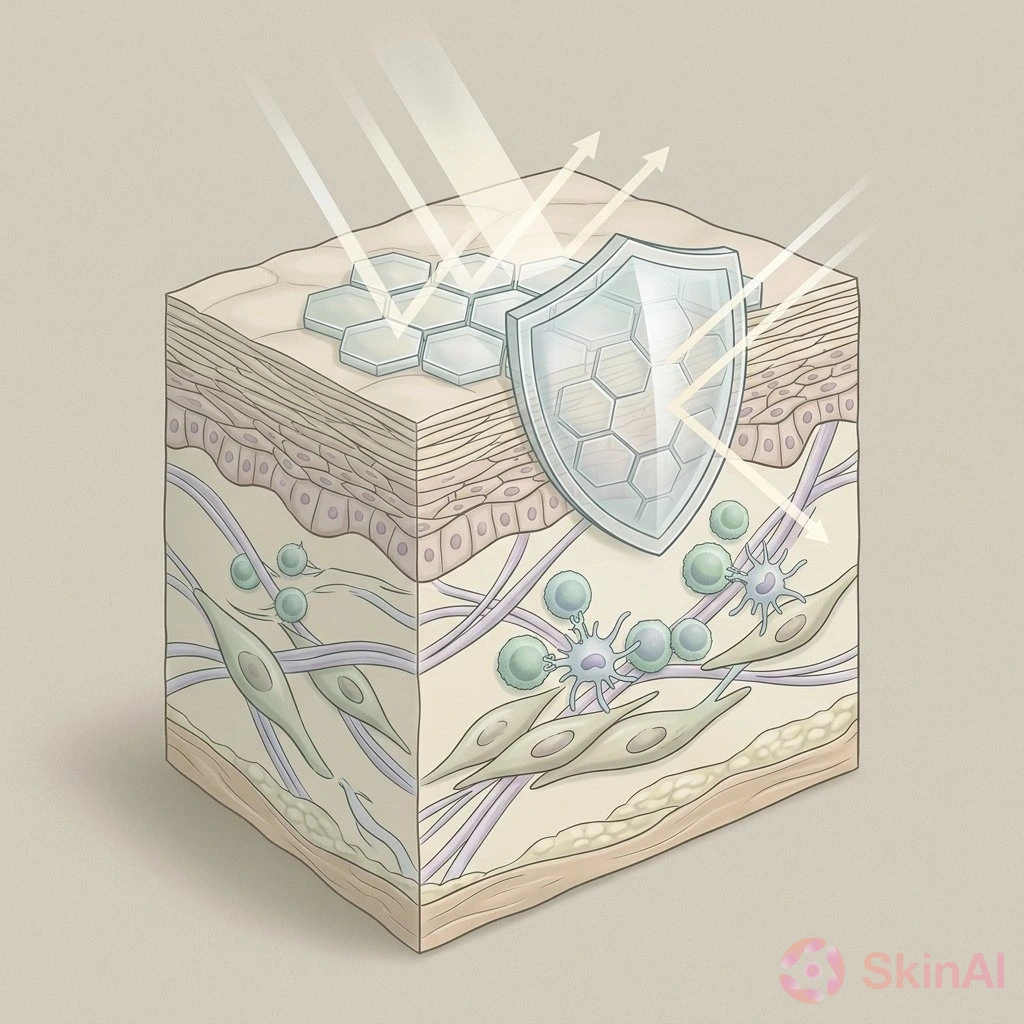
Why this matters
Sun protection keeps coming up in conversations about skin health. But even with more people talking about sunscreens and skin cancer, a lot of myths still get in the way. This article summarizes points made by Kathleen Suozzi, MD, associate professor of dermatology at Yale School of Medicine, during UV Safety Awareness Month. It’s written for everyday readers who want clear, practical information about protecting their skin.
Common worries and what the evidence says
One worry I hear a lot is the idea that sunscreen itself causes skin cancer. That’s not supported by the evidence. Another concern that’s come up recently is that chemical sunscreen ingredients can soak into the bloodstream. Studies have found trace amounts of some filters in blood after application, but decades of real-world use have not shown harm from those low exposure levels.
Overall, the data still support sunscreen as a safe and useful way to limit UV-related skin damage. That doesn’t mean it erases past sun exposure, but it can help reduce future harm.
Why protecting your skin now still helps
It’s true that sun damage builds up over time, and you can’t go back and undo what’s already happened. But regular sun protection can still make a meaningful difference. Using sunscreen and other protective steps can lower the chance of developing more skin cancers and slow further sun-related aging or damage.
Practical sun protection — more than just sunscreen
Sunscreen is important, but it’s best used as part of a broader plan:
- Wear broad-brimmed hats instead of baseball caps when you can. They give better coverage for your face and neck.
- Try UPF clothing (ultraviolet protection factor) for added protection, especially if you’ll be in the sun for long periods.
- Choose a sunscreen you’ll actually use. The “best” sunscreen is the one you’ll put on regularly. Pick a product that fits your skin tone, doesn’t cause breakouts, and feels good on your skin so you keep using it.
How to think about SPF
SPF (sun protection factor) tells you how much UVB protection a sunscreen gives. It’s not a linear jump: SPF 15 blocks roughly 93–95% of UVB, while SPF 30 blocks about 97%. Higher SPFs provide only small additional protection and can sometimes be thicker or feel heavier, which makes people less likely to wear them every day.
Because of that balance, many experts suggest using at least SPF 30 and wearing it daily year-round to cover incidental exposure — things like driving, walking to work, running errands, or gardening. Those small exposures add up over time.
What’s new in sunscreens
One recent development is the FDA’s approval of bemotrizinol (Tinosorb S), which has been used in other countries for more than 20 years. It’s a single, photostable filter that protects against both UVA and UVB. It’s also less likely to irritate skin and, because it’s a larger molecule, it’s less likely to be absorbed into the bloodstream. That combination makes it an appealing ingredient for future U.S. sunscreen formulas.
Beyond prevention: advances in treating skin cancer
Protection is only one piece of the picture. There are also ongoing advances in treatments that may change how we manage certain skin cancers.
Energy-based devices — tools that use light or radiofrequency energy — are getting interest because they may help improve overall skin health and possibly lower the risk of some nonmelanoma skin cancers. At the same time, immunotherapy is changing treatment for more advanced cancers. Drugs that target PD-1 (a protein on immune cells) are already used for advanced squamous cell carcinoma, and researchers are studying giving immunotherapies before surgery (neoadjuvant) or directly into tumors (intralesional). These approaches may eventually reduce the need for surgery in some cases and expand options for patients.
Tracking skin changes
Keeping photos of moles or spots over time can help you notice changes. That practice may make it easier to describe what’s different when you see a doctor and can help catch concerning changes sooner.
When to see a doctor
Talk with a health professional if you notice any of the following:
- A mole or spot that changes size, shape, or color
- New growths that bleed, hurt, or don’t heal
- Rapidly growing lesions or any sore that looks infected
- Any other worrisome or changing skin finding
If you’re unsure, it’s better to get a professional opinion. Treatment decisions should always be discussed with your doctor or dermatologist.
Quick reminder
This article summarizes comments by Kathleen Suozzi, MD, made during UV Safety Awareness Month and is meant to inform, not to replace medical advice. For personal recommendations about sunscreen, prevention, or treatment, talk with your healthcare provider.
Sources
- Interview with Kathleen Suozzi, MD, associate professor of dermatology, Yale School of Medicine (remarks during UV Safety Awareness Month).
- U.S. Food and Drug Administration: recent approval of bemotrizinol (Tinosorb S).