
Summer Skin Care Myths Debunked: Should You Stop Retinoids and Acids?
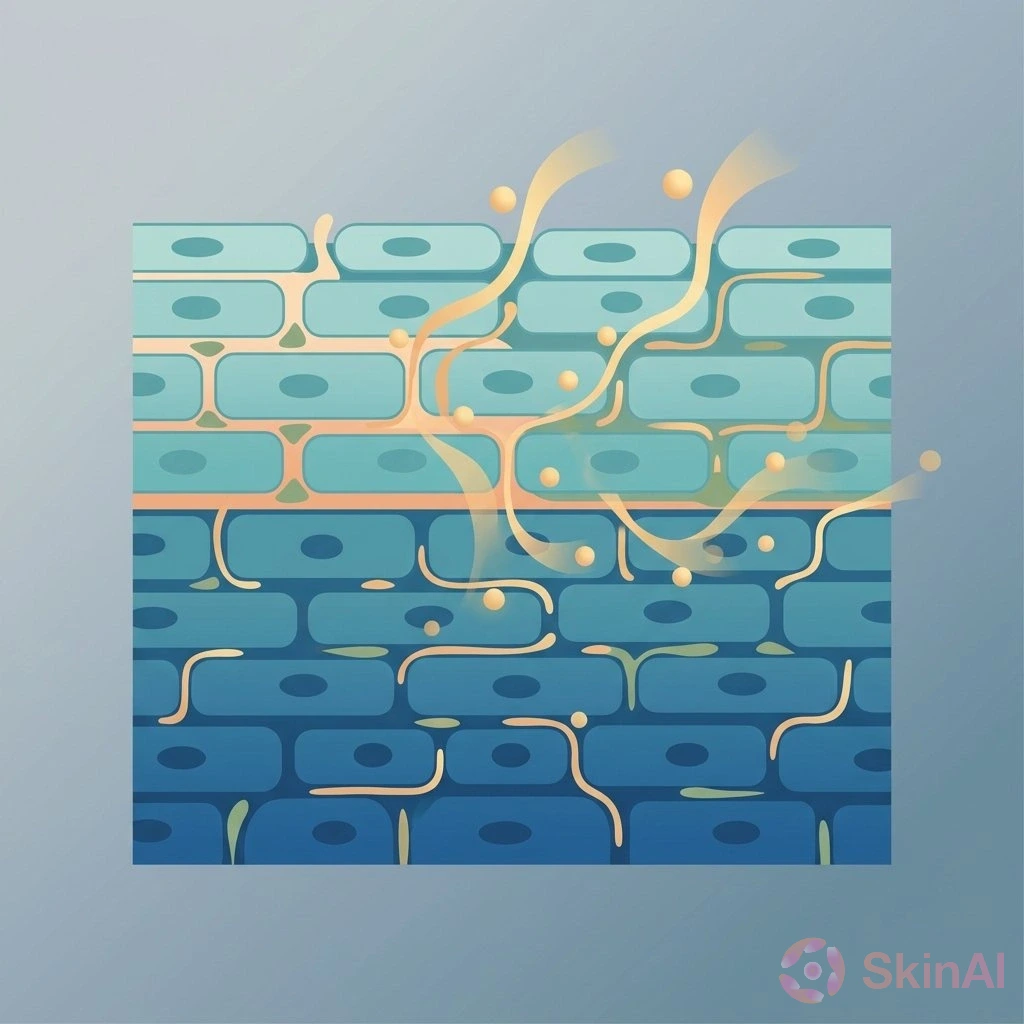
Should you stop retinoids and exfoliating acids in summer?
Every spring and summer, social media posts pop up telling people to stop using retinoids, chemical exfoliants (like AHAs and BHAs), and other “active” skin products once the weather warms up. The message is simple: these ingredients can’t be used in the sun and will cause burns, dark spots, or lasting damage.
That blanket rule sounds scary, but it’s an oversimplification. Some ingredients do interact with sunlight, but that doesn’t always mean you must stop them for months. Often the safer, evidence-based approach is to change how you use the product—apply it at night, wear sunscreen, and adjust the strength—rather than stopping it entirely.
Quick summary
Some ingredients really do make your skin more sensitive to UV light, and one of those is alpha hydroxy acids (AHAs). For most retinoids, the bigger issue is that sunlight breaks the drug down, not that it necessarily makes your skin dangerously sun-sensitive. Stopping a working treatment for several months can undo progress—especially for acne, anti-aging, or melasma. The practical fix is good sun protection and correct use, and any changes to treatment should be discussed with your dermatologist.
How sunlight and skin products interact
There are two different things people mix up when they talk about “actives” and sun:
- Photodegradation means the product itself breaks down when exposed to light. The active ingredient becomes less effective.
- Photosensitivity means the product makes your skin more likely to react to UV light—more redness, burning, or damage.
These are not the same. A product can fall apart in sunlight without making your skin more reactive. And a product can make skin more UV-sensitive even if the ingredient itself stays chemically stable.
What we know about retinoids (like tretinoin)
Tretinoin is known to be photolabile, which means sunlight breaks it down. Some studies show that traditional tretinoin formulations lose much of their active drug after just a few hours of UVA-level exposure. Newer formulations, like microencapsulated or micronized versions, hold up better in light. (Source: Del Rosso JQ, Harper J, Pillai R, Moore R. Tretinoin photostability study, J Clin Aesthet Dermatol.)
But breaking down in sunlight is a problem for the drug’s effectiveness, not necessarily a sign that it will cause severe sun damage. Older lab and patient studies looking for true drug-driven photosensitivity found little evidence that topical or oral retinoids cause classic photosensitivity in most people. Some of the sun‑sensitive feelings people report are more likely due to the skin’s barrier being thinner during the first weeks of retinoid use, or to increased blood flow in the skin—not a direct, predictable photosensitivity reaction. (Source: Ferguson J, Johnson BE. Photosensitivity due to retinoids: clinical and laboratory studies.)
What we know about AHAs and BHAs (chemical exfoliants)
Alpha hydroxy acids (AHAs) do have a clear, measured effect on UV sensitivity. The U.S. Food and Drug Administration reviewed the evidence and concluded that topical AHAs increase skin sensitivity to UV while you’re using them. Human trials showed an average rise in UV sensitivity and about a twofold increase in cell damage from UV after several weeks of use. Because of this, the FDA recommends a “Sunburn Alert” label on AHA products and advises sunscreen and limited sun exposure while you’re using them. The increased sensitivity tends to fade within about a week after you stop the product. (Source: U.S. Food and Drug Administration. Guidance for Industry: Labeling for Cosmetics Containing Alpha Hydroxy Acids as Ingredients, 2005.)
Why taking a long summer break can hurt your results
Stopping effective treatments for months isn’t just about losing a “summer glow.” For many conditions, consistent use matters.
If you’re using topical retinoids to keep acne under control after finishing oral isotretinoin, continuing the topical retinoid reduces relapse risk. Skipping several months can raise the chance that acne will return. (Source: Morales-Cardona CA, Sánchez-Vanegas G. Acne relapse rate following oral isotretinoin.)
For anti-aging, retinoids work over months to stimulate collagen and skin turnover. Taking a multi-month break means you lose some of those benefits.
And for pigment problems like melasma, sun exposure is a main trigger. Pausing treatments that control pigment—such as hydroquinone—during sunny months can let melasma worsen. In other words, stopping pigment treatments for summer can be the opposite of helpful. (Source: Role of Antioxidants in Melasma: A Systematic Review.)
Practical advice: what to do instead of “just stop”
The same practical steps work for most active ingredients:
- Use broad‑spectrum sunscreen every day. Reapply during long sun exposure. Good sunscreen is your best tool to keep using many actives safely.
- Apply retinoids at night. This protects the drug from light-related breakdown and reduces irritation during daytime sun exposure.
- Consider gentler application when the weather is hot—switch to lower concentrations temporarily or reduce frequency until your skin adjusts.
- For AHAs/BHAs: Be extra diligent with sunscreen. If you get irritation or increased sun sensitivity, you can pause for a short period—remember the AHA effect generally fades within about a week. (Source: U.S. Food and Drug Administration.)
- For melasma: Don’t assume summer is the time to stop pigment-control agents. Since UV worsens melasma, stopping treatments can allow it to get worse. Talk with your dermatologist before pausing.
- Simplify your routine if needed. Lighter moisturizers and non-greasy sunscreens can make daytime wear more comfortable without stopping key actives.
Always discuss changes with your dermatologist or prescriber before stopping prescription treatments.
When to see a doctor
Contact a clinician if you have severe irritation, open sores, signs of infection (increasing pain, spreading redness, pus), or a fast-worsening rash. If a patch of skin looks very different from usual—thickening, bleeding, or changing rapidly—seek medical evaluation.
Short note about tracking changes
It can help to take photos of areas you’re treating so you can notice gradual changes over time. That makes it easier to discuss what’s improving or getting worse with your clinician.
Disclaimer
This article is informational and not medical advice. Talk with your dermatologist or health care provider to decide the best plan for your skin.
Sources
- Del Rosso JQ, Harper J, Pillai R, Moore R. Tretinoin photostability: comparison of micronized tretinoin gel 0.05% and tretinoin gel 0.025% following exposure to fluorescent and solar light. J Clin Aesthet Dermatol. (Source: Del Rosso JQ et al., J Clin Aesthet Dermatol.)
- Ferguson J, Johnson BE. Photosensitivity due to retinoids: clinical and laboratory studies. doi:10.1111/j.1365-2133.1986.tb05742.x (Source: Ferguson & Johnson.)
- U.S. Food and Drug Administration. Guidance for Industry: Labeling for Cosmetics Containing Alpha Hydroxy Acids as Ingredients. Rockville, MD: US Department of Health and Human Services; 2005. (Source: US Food and Drug Administration.)
- Morales-Cardona CA, Sánchez-Vanegas G. Acne relapse rate and predictors of relapse following treatment with oral isotretinoin. Actas Dermosifiliogr. (Source: Morales-Cardona CA & Sánchez-Vanegas G.)
- Role of Antioxidants in Melasma: A Systematic Review. doi:10.4103/ijd.ijd_473_24 (Source: Role of Antioxidants in Melasma: A Systematic Review.)