
Allergic urticaria (ICD-10: L50) 🚨
Allergic Urticaria
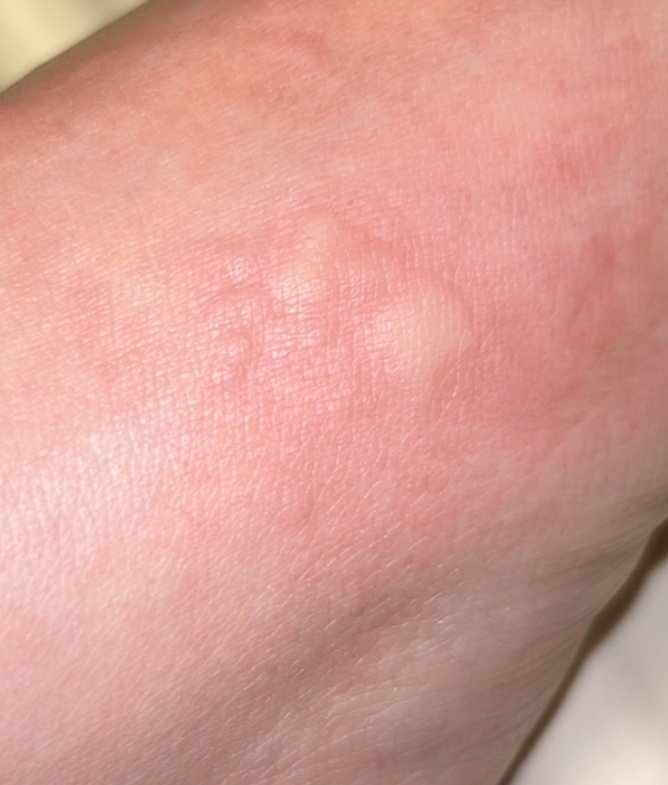
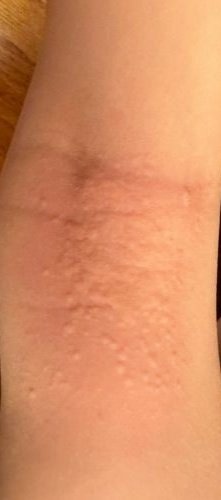
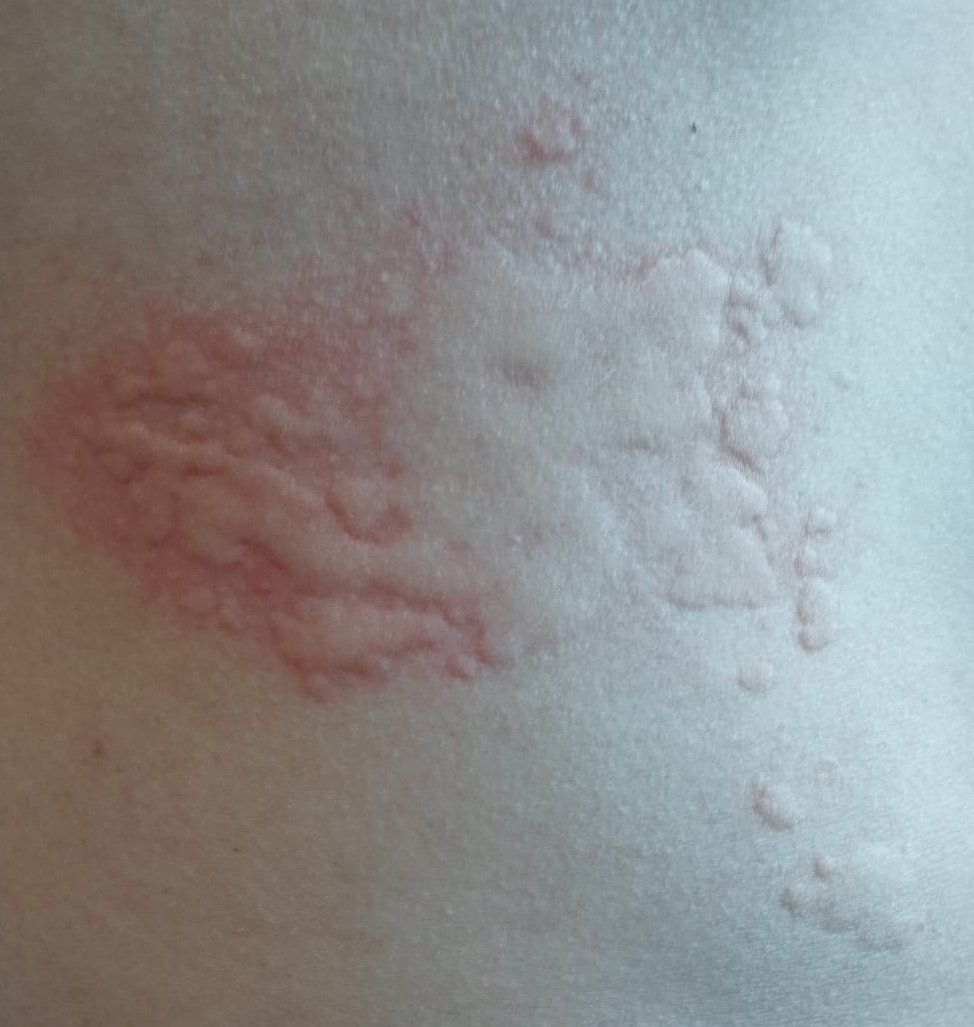
Allergic urticaria is urticaria in which an allergen can be identified as the trigger: swollen, itchy weals resembling insect bites or nettle stings. The distinction matters, because allergic urticaria is only one kind. Much urticaria — chronic spontaneous urticaria in particular — has no identifiable allergen behind it at all, and looking for one is often fruitless. This page describes the allergic form; it should not be read as a description of urticaria in general. The condition can appear suddenly and usually resolves quickly, but in some cases, it may persist or recur. It is important to understand the underlying mechanisms, triggers, and available treatment options to manage this condition effectively.
Epidemiology
Allergic urticaria is one of the most frequent allergic reactions. Studies suggest its prevalence in the general population ranges from 10% to 20%. Acute episodes are more common in children and young adults, while chronic forms of urticaria tend to affect adults, particularly women. The incidence increases with age, with a higher rate of occurrence in individuals over 40 years old.
Pathophysiology
Allergic urticaria is the result of a complex immune response involving several key mechanisms. It typically begins when an allergen enters the body and triggers an inflammatory reaction in the skin:
- Mast Cell Activation: Upon exposure to an allergen, mast cells in the skin release histamine and other inflammatory mediators such as prostaglandins and leukotrienes.
- Histamine Response: Histamine causes blood vessels to dilate and increases the permeability of capillaries, which leads to the leakage of fluid into surrounding tissues, resulting in swelling and the formation of hives.
- Immune Activation: In some cases, specific IgE antibodies are produced in response to the allergen, confirming the allergic nature of the reaction.
Causes of Allergic Urticaria
Allergic urticaria is caused by the immune system’s response to allergens. Upon contact with these substances, mast cells and basophils release histamine and other chemicals, leading to the typical rash and swelling.
Common allergens that trigger allergic urticaria include:
- Foods: Milk, eggs, nuts, fish, seafood, and certain fruits.
- Medications: Particularly antibiotics and nonsteroidal anti-inflammatory drugs (NSAIDs).
- Insect Bites: Bites from mosquitoes, bees, and other insects.
- Contact Allergens: Latex, cosmetics, and certain chemicals.
- Physical Factors: Exposure to extreme temperatures (cold or heat), sunlight, and pressure can also trigger urticaria in some cases.
Types of Urticaria
Allergic urticaria is classified based on its duration:
- Acute Urticaria: Symptoms last for less than six weeks, typically resolving within a week. Only about 40% of cases progress to chronic urticaria.
- Chronic Urticaria: Recurrent weals, angioedema, or both, continuing for more than six weeks. The definition rests on that duration alone; there is no requirement for a particular number of episodes per week. It can last for months or years.
Symptoms
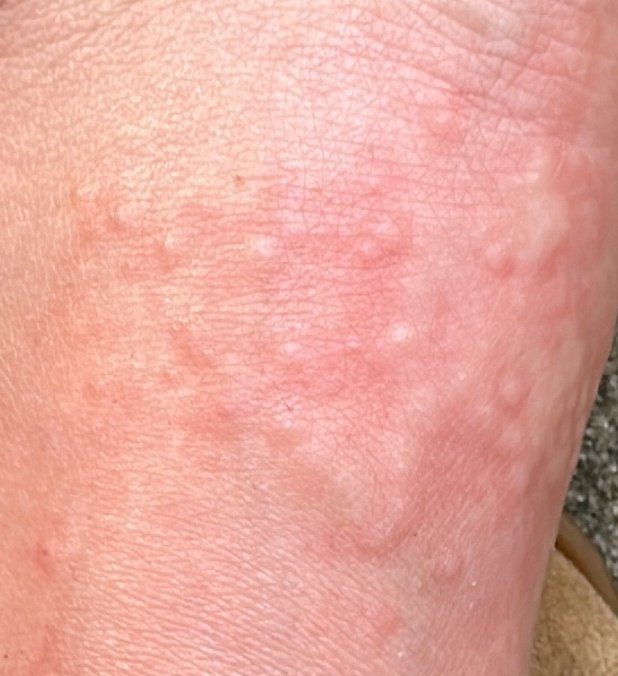
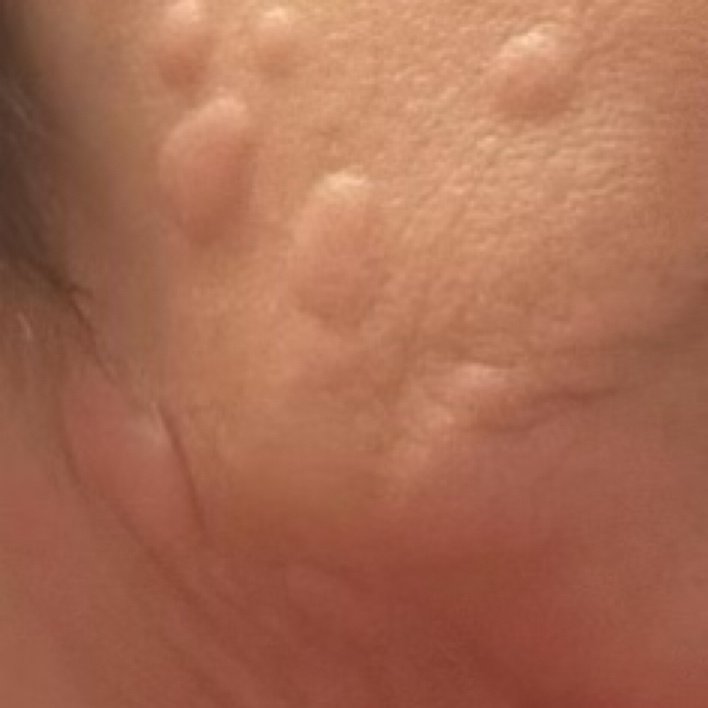
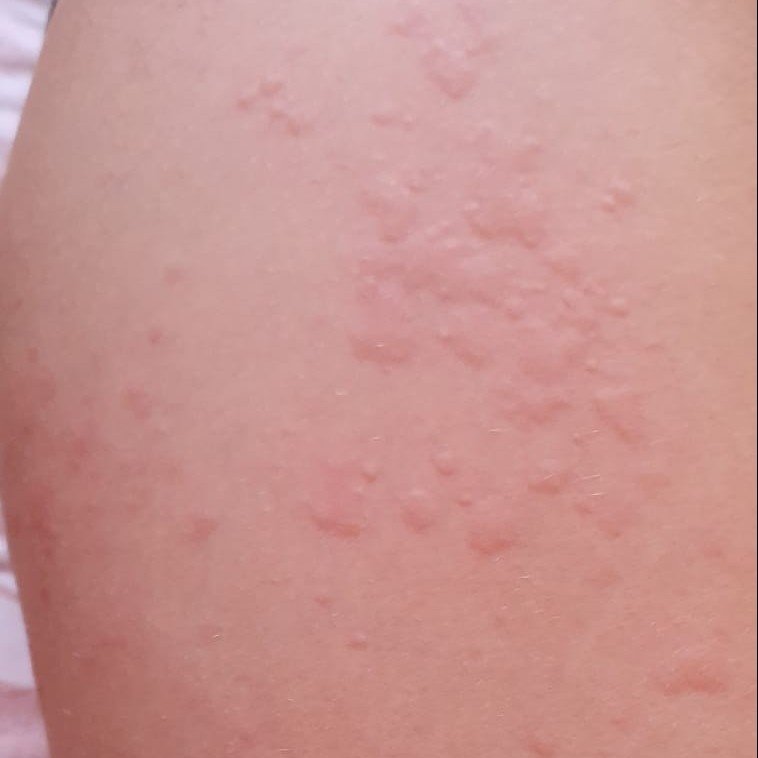
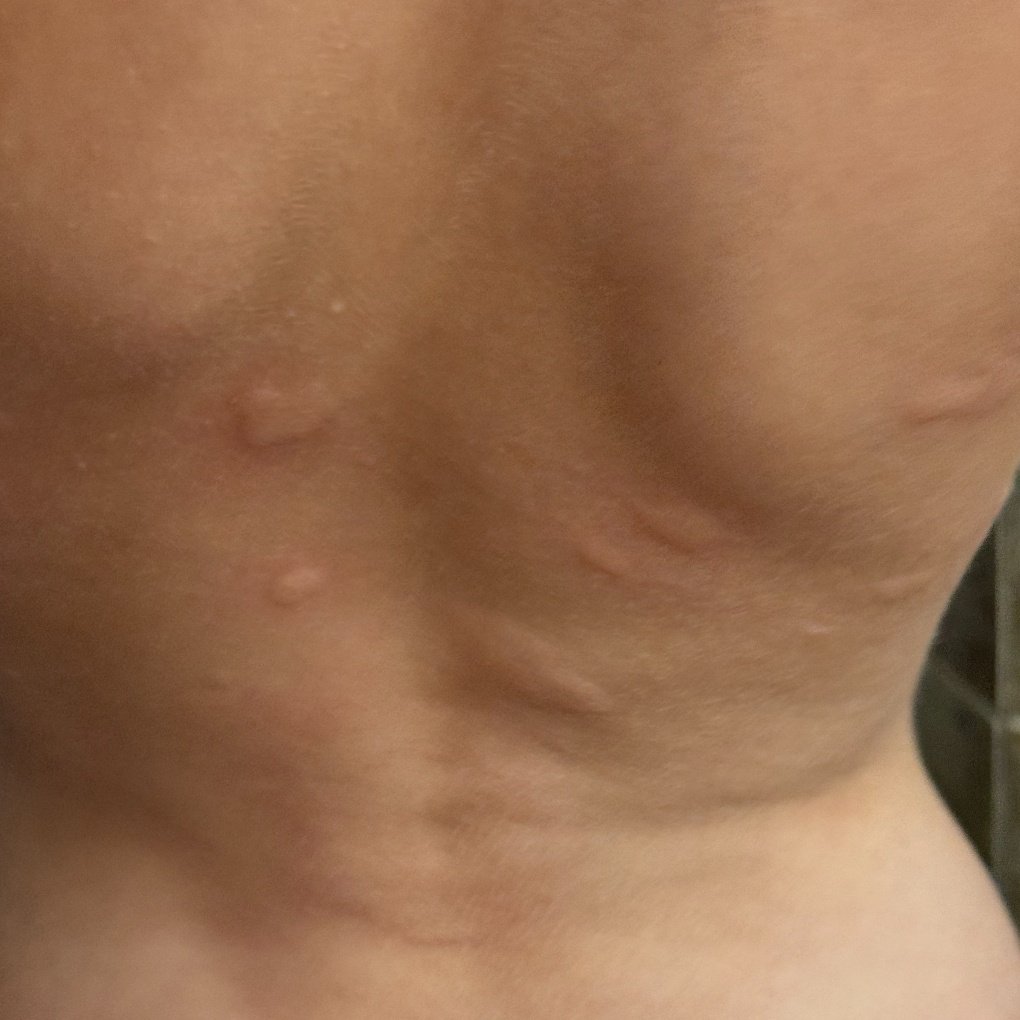
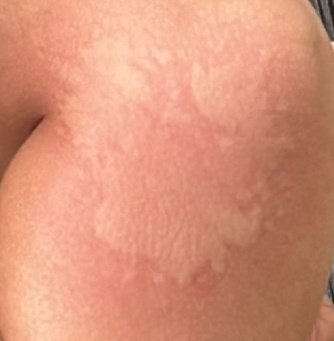
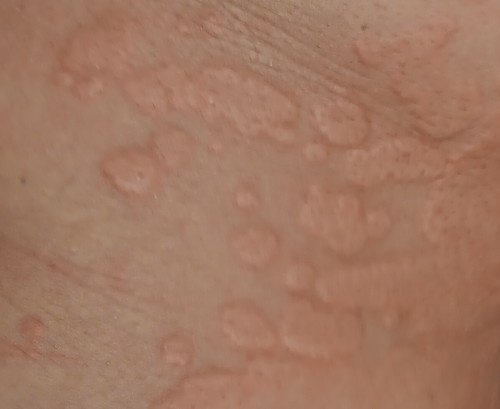
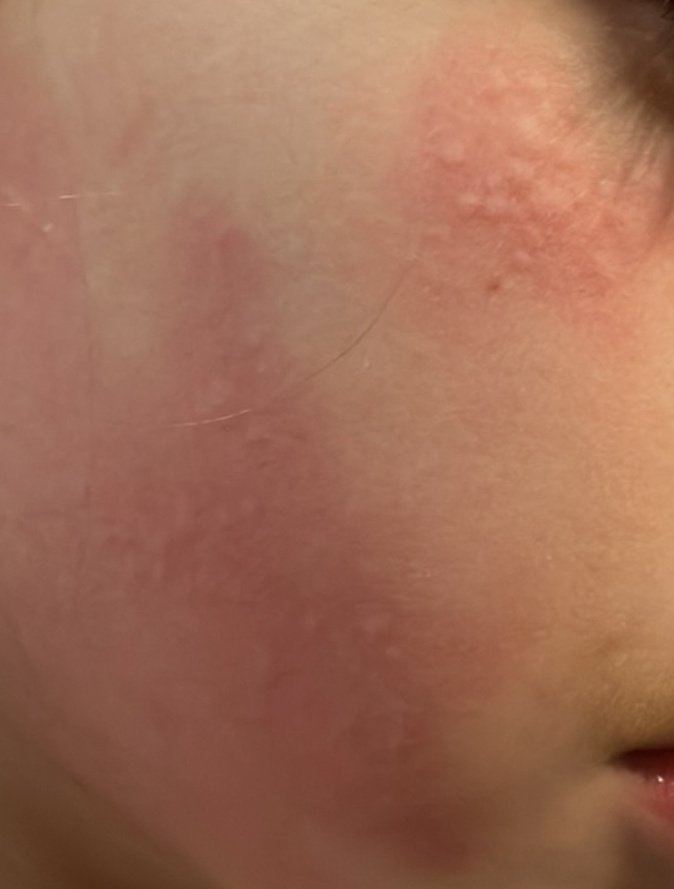
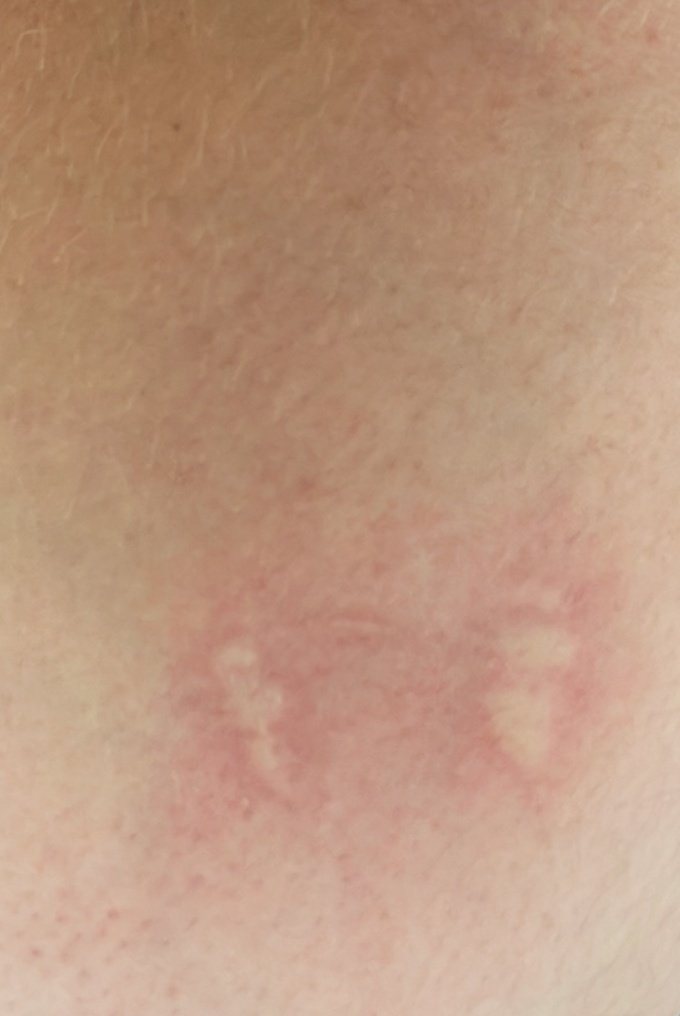
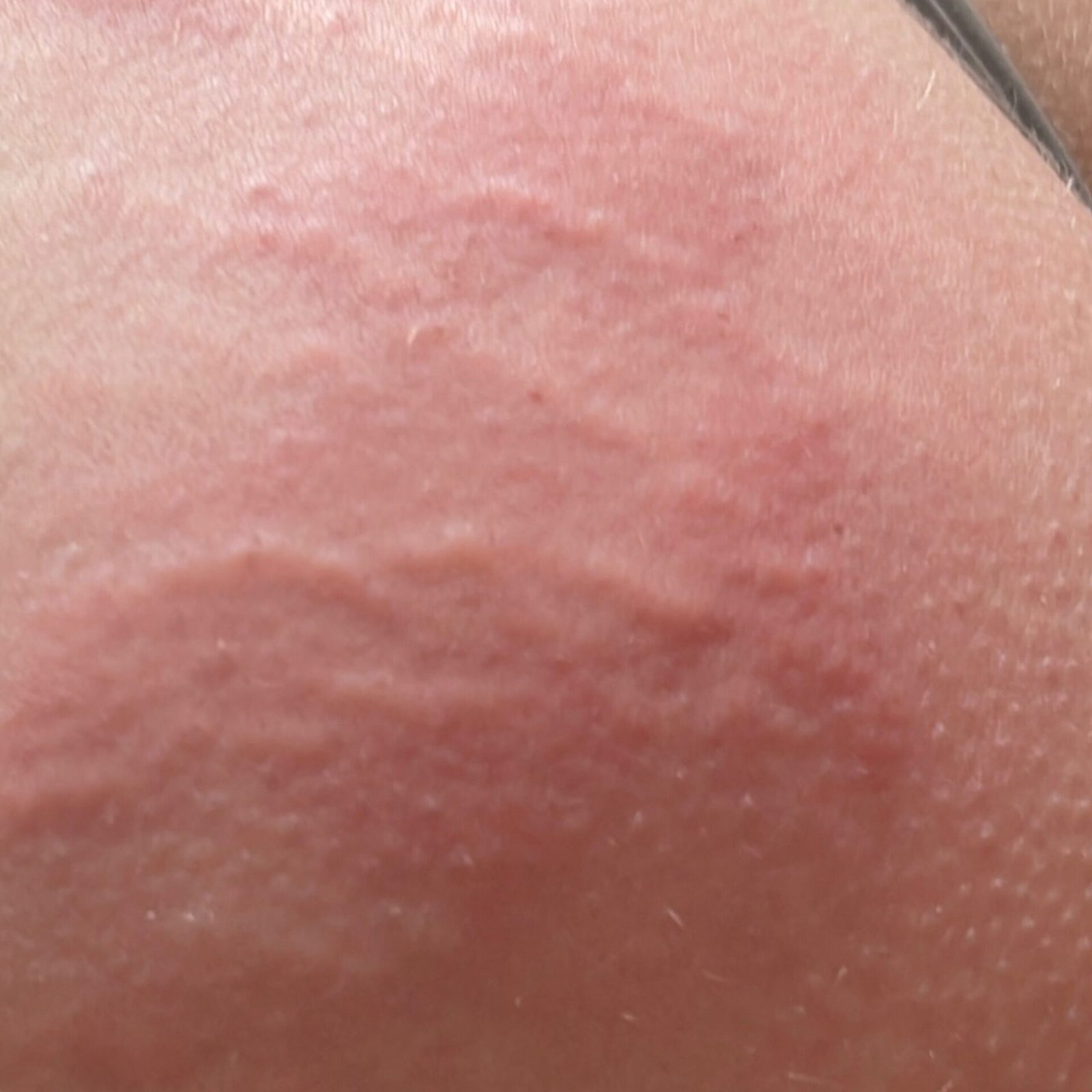
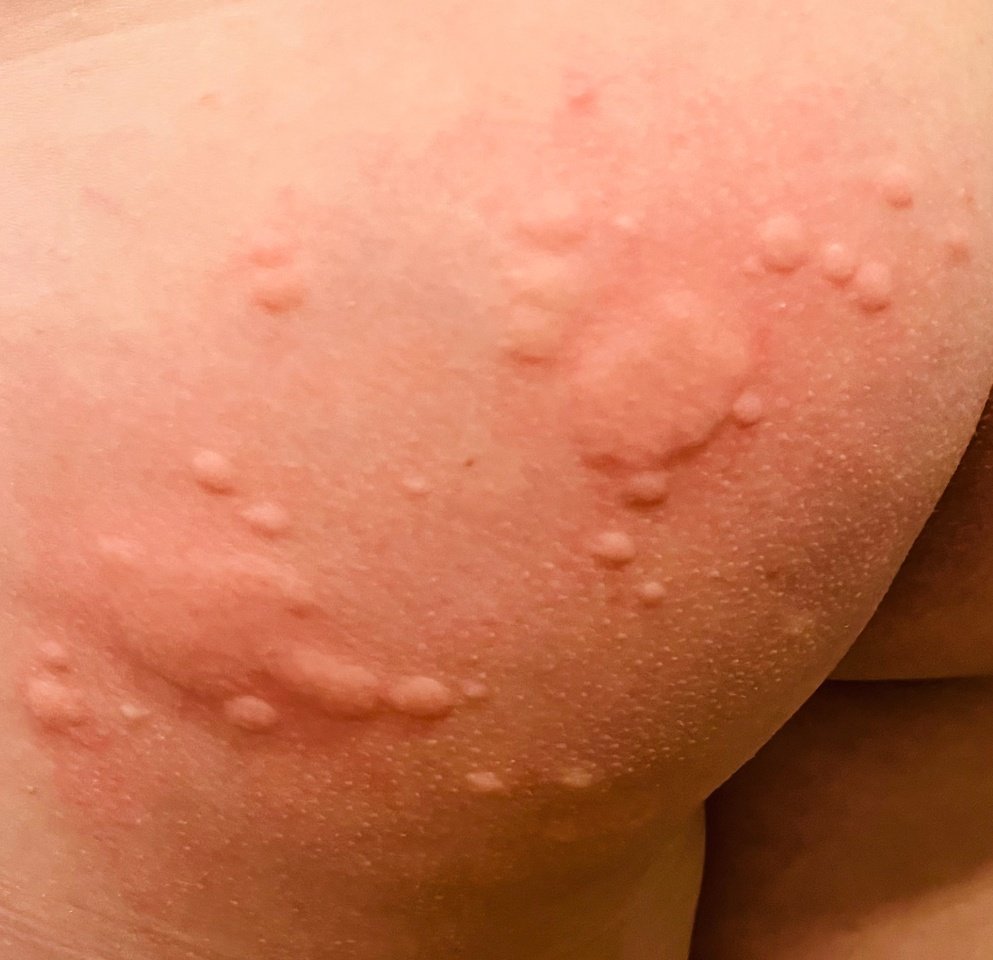
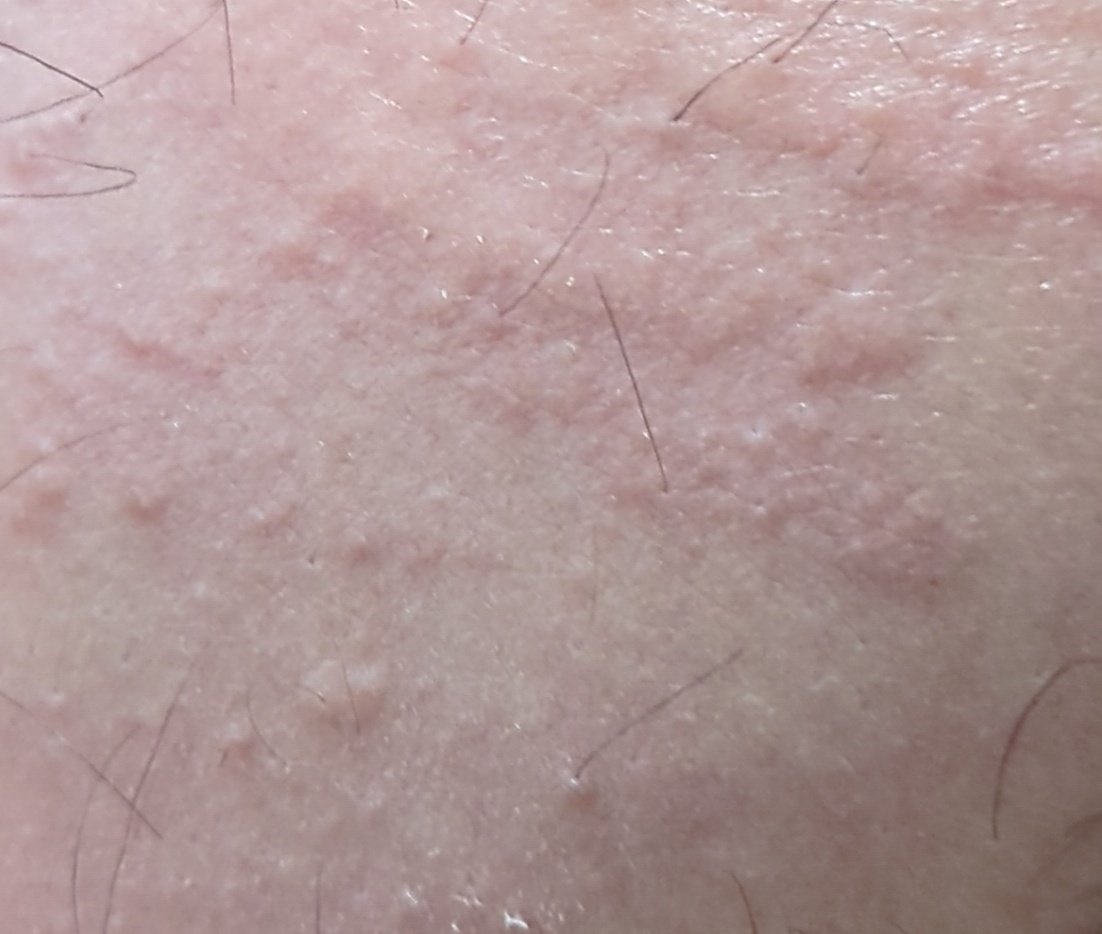
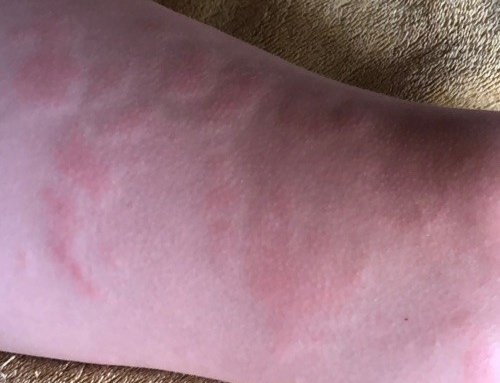
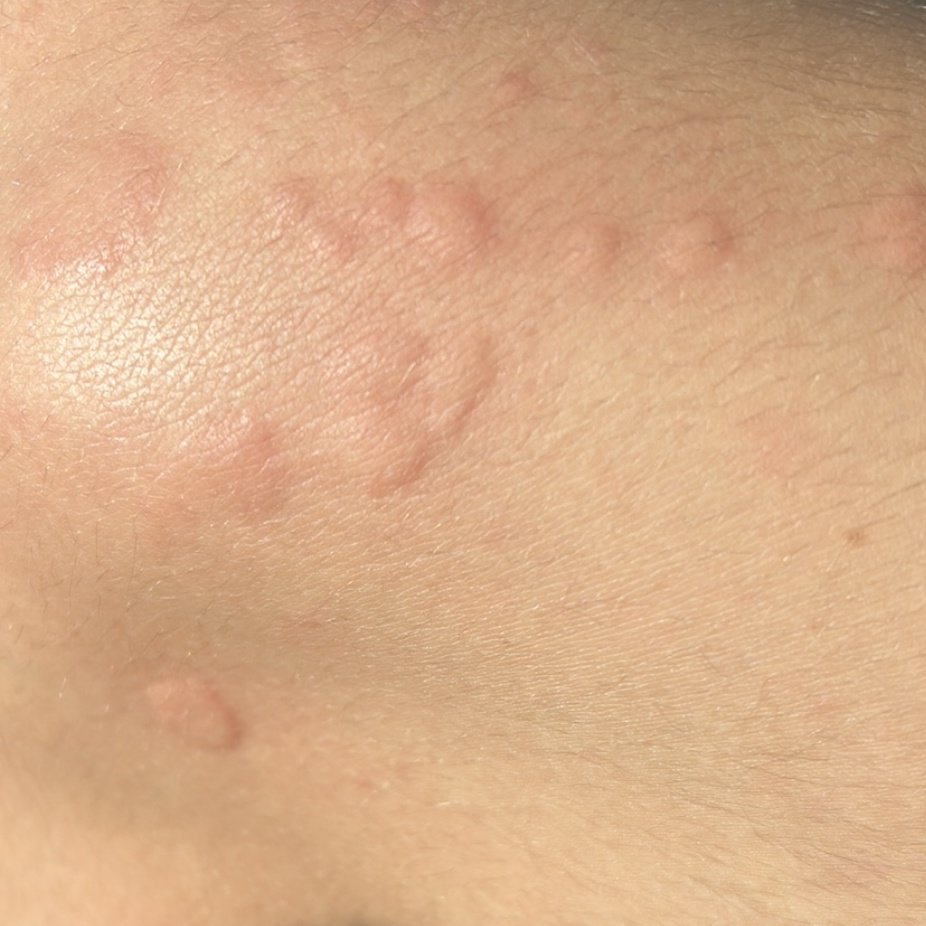
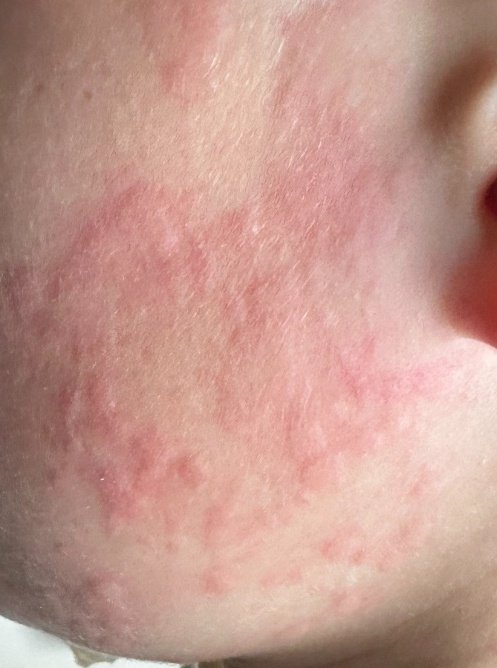
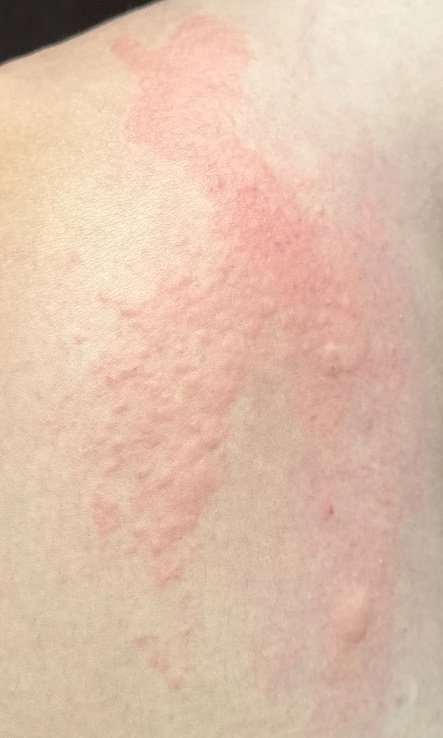
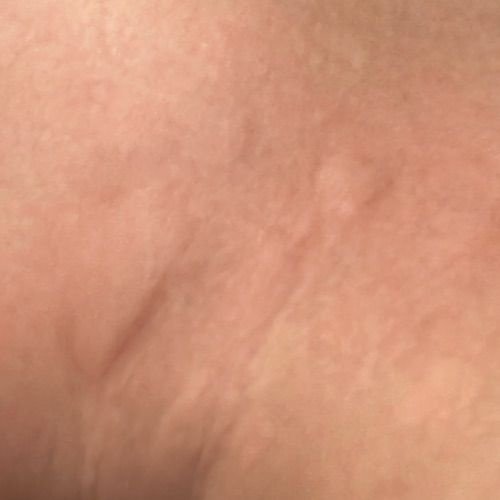
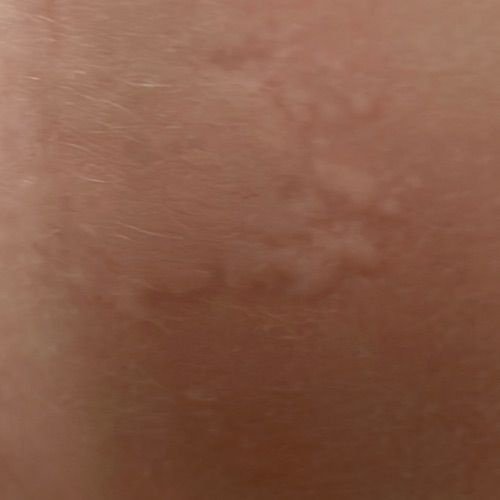
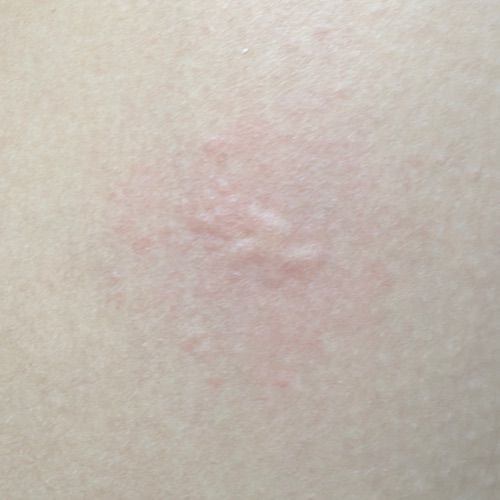
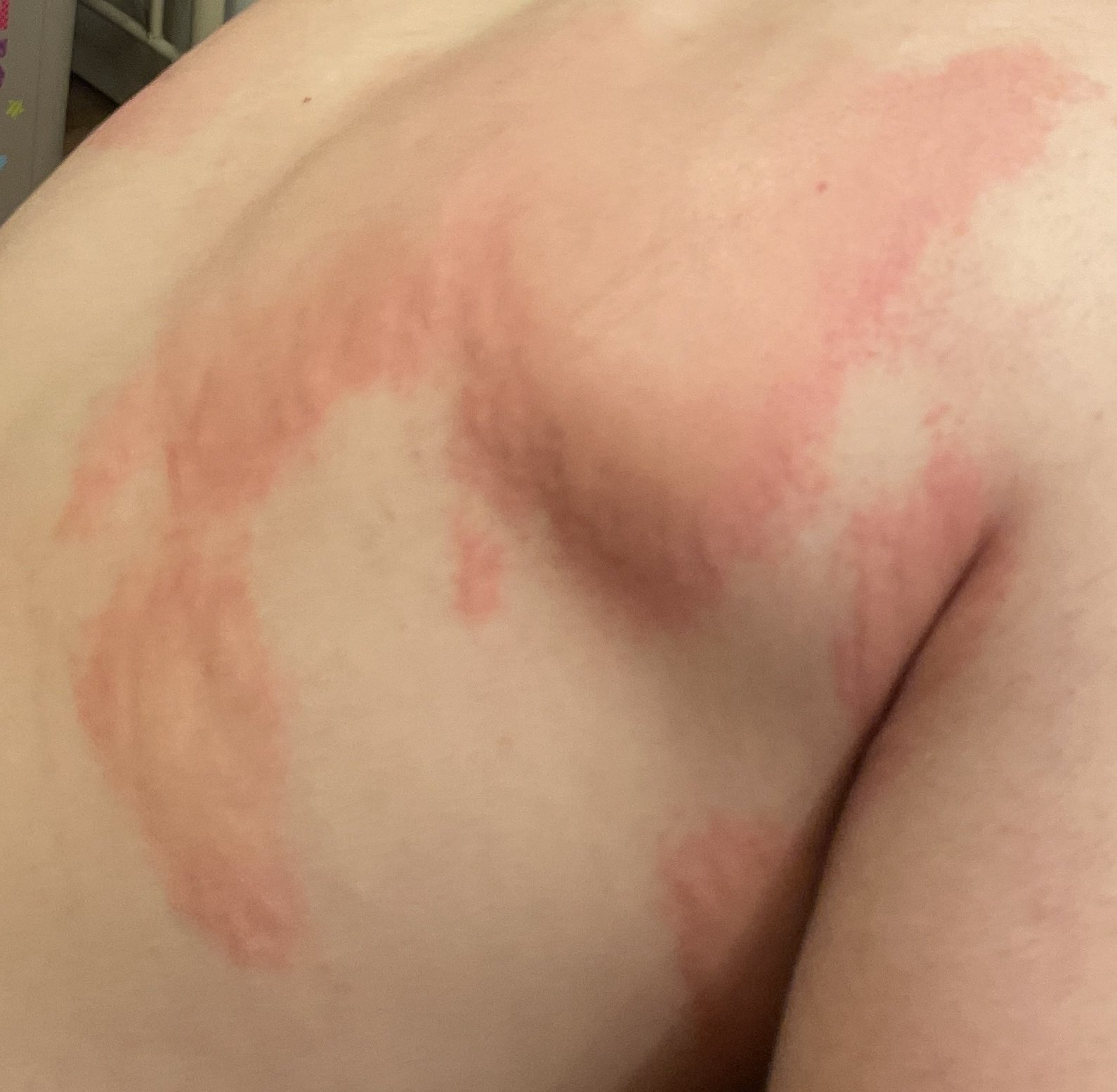
The symptoms of allergic urticaria can vary from person to person and depend on the allergen involved. The rash typically presents as itchy, red or pink wheals (hives) with clear edges and no peeling. These weals may merge and move around, and an individual weal usually resolves within 24 hours, leaving no mark behind. A lesion that persists beyond a day, or that leaves bruising or discolouration, suggests something other than ordinary urticaria. The lesions commonly appear on the trunk, limbs, and face.
Severe symptoms may include:
- Rapid spread of hives across the body, including the face, lips, and around the eyes.
- Significant facial swelling, especially around the eyelids and mouth.
- Breathing difficulties, nasal congestion, and chest tightness.
- Gastrointestinal distress such as nausea, vomiting, abdominal pain, or diarrhea.
- Dizziness, joint pain, and fever.
Complications
Although allergic urticaria is generally self-limiting, it can lead to serious complications in some cases:
- Angioedema (Quincke’s Oedema): This condition causes deep swelling of the skin, mucous membranes, and airways, potentially leading to difficulty breathing and asphyxiation.
- Anaphylaxis: A severe systemic allergic reaction that can cause respiratory failure and circulatory collapse. Immediate emergency care is necessary.
Diagnosis
The diagnosis of allergic urticaria is individualized. Doctors will evaluate potential allergens, recent exposures, and any coexisting conditions. A skin examination is performed, followed by further testing if needed.
Testing is not routine, and there is no panel that applies to everyone. What is investigated, if anything, follows from the history — from a trigger the patient has noticed, a consistent time relationship, or a specific clinical suspicion.
Where the history points to a particular allergen, two tests can confirm it:
- Skin prick test: Allergen extracts are applied to the skin and the surface pricked; a positive result appears as a small itchy weal within about twenty minutes.
- Specific IgE blood test: Measures antibodies to a particular allergen.
Neither is useful as a fishing expedition: tested without a clinical reason, both produce positive results to things that are not causing the problem. Broad autoimmune and inflammatory screening is likewise not indicated as a matter of routine in chronic urticaria.
Treatment
Treatment for allergic urticaria focuses on relieving symptoms and preventing flare-ups. Your doctor will tailor the treatment plan based on the severity of symptoms and the underlying causes of the condition.
First-line treatments include:
- Antihistamines: These medications block histamine release, which is responsible for the allergic symptoms. Common antihistamines include cetirizine, levocetirizine, and loratadine.
- Corticosteroids: Short-term systemic use of corticosteroids such as methylprednisolone or dexamethasone may be used for severe flare-ups to reduce inflammation.
- Immunosuppressants: Medications such as cyclosporine are used for chronic forms of urticaria to suppress immune responses.
- Biologics: For severe chronic urticaria, biologic drugs like omalizumab can help by reducing IgE levels and controlling the allergic response.
First Aid at Home (for Acute Urticaria)
If an acute urticaria reaction occurs, the following first aid measures can help alleviate symptoms:
- Take an antihistamine immediately.
- Apply a topical corticosteroid to the affected skin to reduce inflammation.
- If symptoms worsen, seek medical attention without delay.
Prevention
To reduce the likelihood of flare-ups and minimize the impact of allergic urticaria:
- Follow a hypoallergenic diet if food allergies are identified.
- Avoid known allergens such as medications, pollen, and chemicals.
- Wear loose, breathable clothing and avoid fabrics that may irritate the skin.
- Limit exposure to extreme temperatures, and always use sunscreen when in direct sunlight.
- Avoid scratching to prevent worsening symptoms or potential infections.
- Maintain healthy sleep habits and manage stress to help improve overall immune function.
- Schedule regular allergy tests to identify potential triggers.
- Stay in close contact with your healthcare provider to monitor symptoms and adjust treatment as needed.


Medical review
Board-Certified Dermatologist · Fellow of the American Academy of Dermatology (FAAD)